What a Conveyor Belt Tracker Does in Peru
In Peru’s mining, cement, power, and aggregate operations, a belt that drifts off its center line can quickly become a costly problem. A Conveyor Belt Tracker Peru is a specialized component designed to detect and correct belt misalignment before it damages the belt edge, spills material, or halts production. Often called a belt alignment tracker or self-aligning idler, this device is not a substitute for proper conveyor design, but it plays a vital role in maintaining reliable operation where conditions are harsh and maintenance windows are tight.
Unlike a standard idler roller, which simply supports the belt, a tracker responds to lateral movement. When the belt shifts, the tracker’s angled rollers or pivoting frame create a corrective force that guides the belt back to center. This action is continuous and automatic, reducing the need for manual adjustment and helping extend the service life of the entire conveyor system.
How a Belt Tracker Is Built
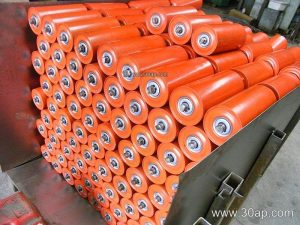
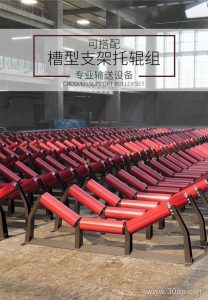
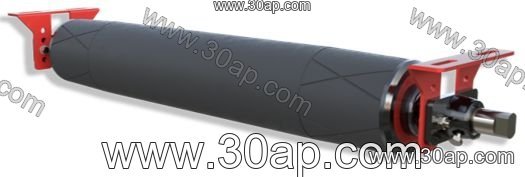
Most trackers share a common architecture: a sturdy frame, two or more idler rollers mounted at an angle, and a pivot mechanism that allows the assembly to rotate slightly when the belt contacts the rollers unevenly. The frame is typically fabricated from welded steel and may include a conveyor bracket for mounting to the conveyor stringer. The rollers themselves are often made from abrasion-resistant rubber or polyurethane, and they may be mounted on sealed bearings to withstand dust and moisture.
Some designs use a vertical pivot axis, while others employ a linkage or four-bar mechanism to amplify the corrective movement. The choice depends on belt width, load, and the specific misalignment pattern. For example, a tracker installed on the carrying side of a 1200 mm wide conveyor may have a different roller configuration than one on the return side of a 600 mm belt. It is important to match the tracker to the actual belt width and the available mounting space.
Where Trackers Are Used
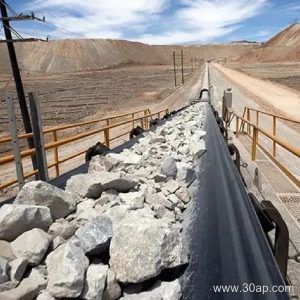
Peru’s diverse industrial landscape presents many applications for belt trackers. In underground mining and coal mining operations, space is limited and belt wander can lead to serious safety hazards. Trackers help keep the belt centered on the structure, reducing the risk of contact with frame components. In cement plants and power plants, where high-tonnage conveying of limestone, clinker, or coal is common, a tracker can prevent edge damage that might otherwise require premature belt replacement.
Quarries and aggregate plants also benefit, especially on conveyors that handle variable loads and frequent start-stops. The tracker’s ability to compensate for minor misalignment caused by material buildup or structure settlement makes it a practical addition to both new installations and retrofit projects. In port facilities and ship loading systems, where long conveyors run at high speeds, trackers contribute to smooth operation and reduce downtime.
Selection and Maintenance Considerations
Choosing the right tracker for a Peruvian site involves more than picking a size. Buyers should consider the belt width, belt speed, running direction, and whether the tracker will be installed on the carrying or return run. The conveyor’s structure—including the type of idler roller and the spacing of conveyor brackets—also affects the mounting method. For reversible conveyors, a tracker designed for bidirectional operation is necessary; a unidirectional tracker may not perform correctly when the belt runs in reverse.
Maintenance is straightforward but should not be neglected. Regular inspection of the tracker’s pivot points, roller condition, and mounting bolts helps ensure reliable performance. In dusty environments, such as coal mining or cement plants, accumulated material can restrict movement, so cleaning is part of the routine. When replacing a tracker, always confirm the belt width and the existing mounting hole pattern to avoid compatibility issues.
It is also worth noting that a tracker is not a cure-all for poor conveyor alignment. Issues such as off-center loading, misaligned pulleys, or damaged belt splices should be addressed at the source. A tracker works best as part of a well-maintained system, not as a replacement for proper installation and adjustment.
Related Equipment and Final Thoughts
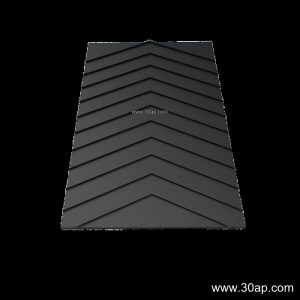
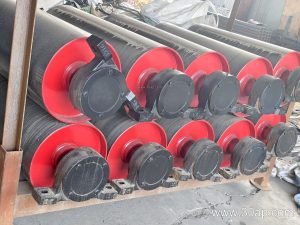
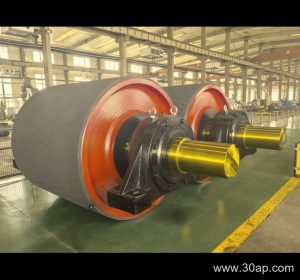
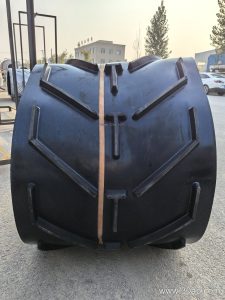
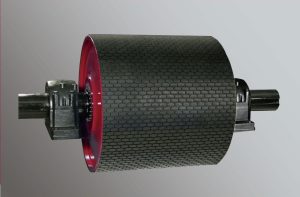
While the tracker is the focus here, it operates alongside other key components. The conveyor belt itself—whether a heavy-duty mining conveyor belt, an abrasion resistant conveyor belt, or a heat resistant conveyor belt—must be compatible with the tracker’s rollers. The idler roller and conveyor pulley set the baseline for belt path, and the conveyor bracket provides the mounting point. In Peru’s challenging environments, selecting a tracker that matches the belt width and application is a practical step toward reducing unplanned stoppages and extending equipment life.
For buyers, the key is to gather accurate site data: belt width, speed, running direction, and a clear description of the misalignment problem. With that information, a suitable belt tracker can be specified to help keep conveyors running true, shift after shift.