What a Quarry Conveyor Belt Has to Handle
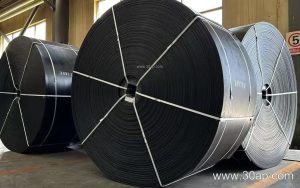
A quarry conveyor belt is the working surface of a bulk handling line that moves blasted rock, crushed stone, sand and screened aggregate between a primary crusher, secondary crushers, screens and stockpiles. In a sand and gravel plant, a cement quarry or a stone crushing line, the belt is exposed to sharp edges, drop impacts, grit, water and dust all day. That is why the product is usually specified as a heavy-duty rubber belt rather than a general-purpose one, and why buyers treat it as a wear part with a defined service life.
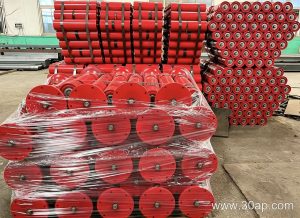
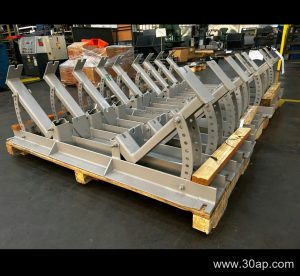
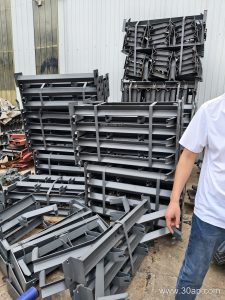
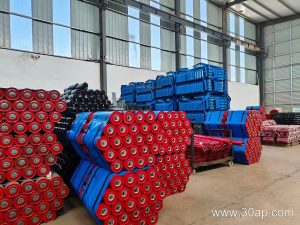
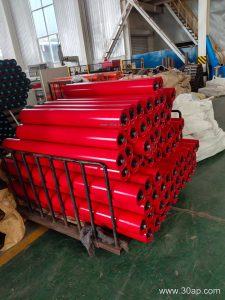
This article covers the quarry conveyor belt itself. Pulleys, idler rollers and conveyor brackets are part of the same conveyor but are separate components, and drive, tail and bend pulleys each have their own role.
Construction of the Belt
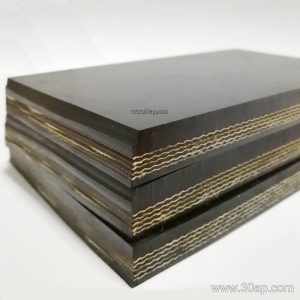
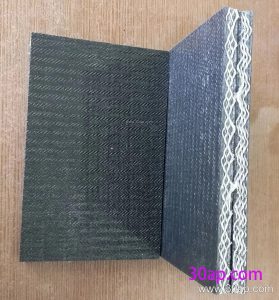
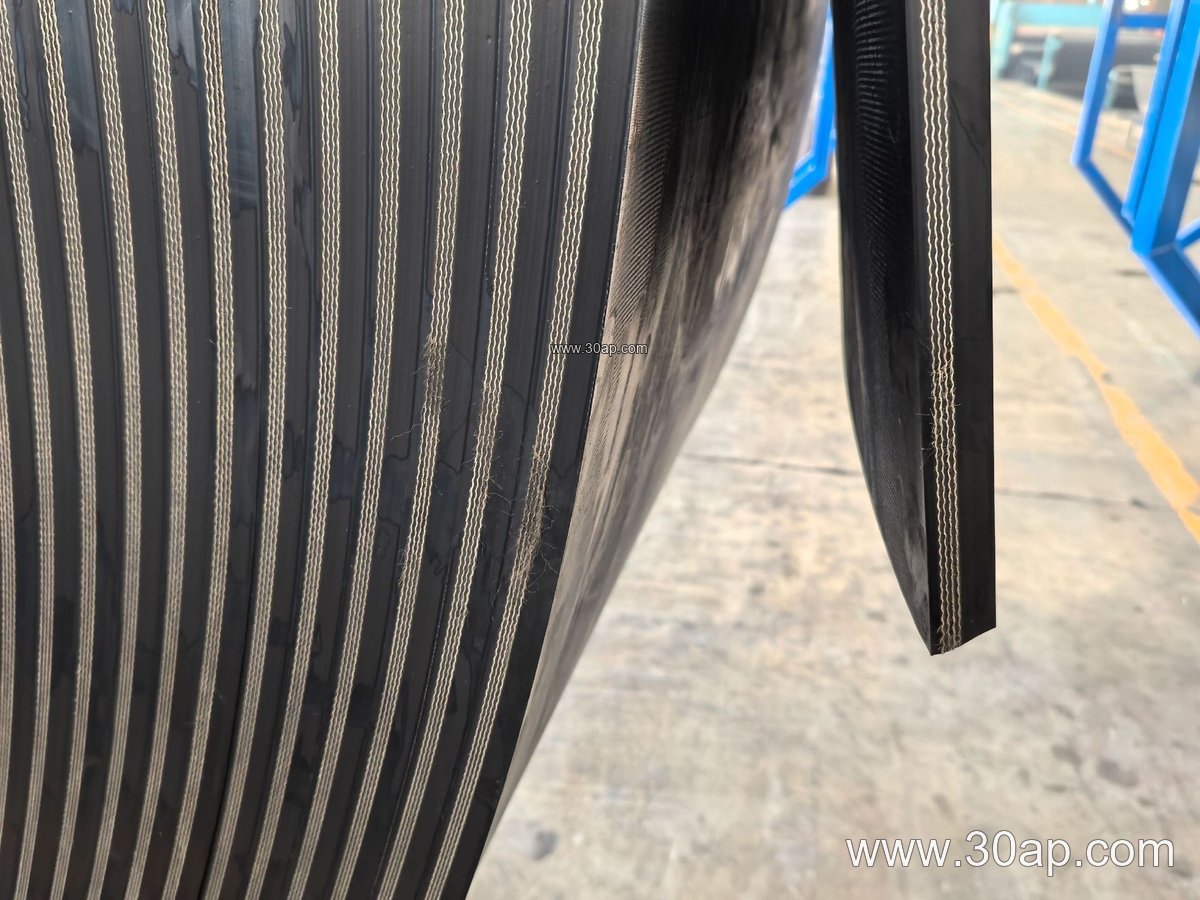
Most quarry belts are fabric-cored or steel-cord reinforced rubber belts. The carcass carries the tension, while the top and bottom covers protect it from abrasion, impact and moisture. Common carcass options include EP conveyor belt (polyester and nylon fabric), NN conveyor belt (nylon and nylon), and steel cord conveyor belt for long, high-tension runs. Multi-ply fabric core conveyor belt constructions are also common where a balance of flexibility and strength is needed.
Cover compounds are selected by duty. A high abrasion resistant conveyor belt is the default for granite, basalt and gravel; a heat resistant conveyor belt suits hot clinker or kiln-related material; a flame retardant conveyor belt and anti-static conveyor belt are chosen where fire or dust ignition risk matters, such as coal handling. Oil resistant, cold resistant and acid resistant grades exist for specific site conditions.
Typical Specifications
Values below are common reference ranges, not fixed supply promises. Final figures are confirmed by the belt designer for each conveyor.
- Fabric grades: EP200, EP315, EP400, EP500, EP630, EP800, EP1000, EP1250, EP1600 and EP2000 are frequently referenced.
- Steel cord grades: ST1000 to ST3150 appear in long overland and high-lift quarry lines.
- Belt widths: B500, B650, B800, B1000, B1200, B1400, B1600, B1800 and B2000 cover most plant and stockyard conveyors.
- Cover thickness: 3+1.5 mm, 4+2 mm, 5+2 mm, 6+2 mm and 8+3 mm are typical top and bottom combinations.
- Carcass plies: usually 2 to 6 fabric layers, depending on tension and impact load.
Width and pulley diameter are matched by conveyor design, not by a single fixed rule. A wider belt does not automatically dictate one shaft size, and the pulley specification should come from the conveyor engineer.
Where It Fits in the Plant
The same belt concept appears across the industry under different names. An aggregate conveyor belt handles screened stone, a crusher conveyor belt works under the discharge chute, a rock conveyor belt carries coarse feed, and an ore conveyor belt serves metal mining. In cement plants, power plants and ports, similar belts move limestone, coal, clinker and bulk cargo.
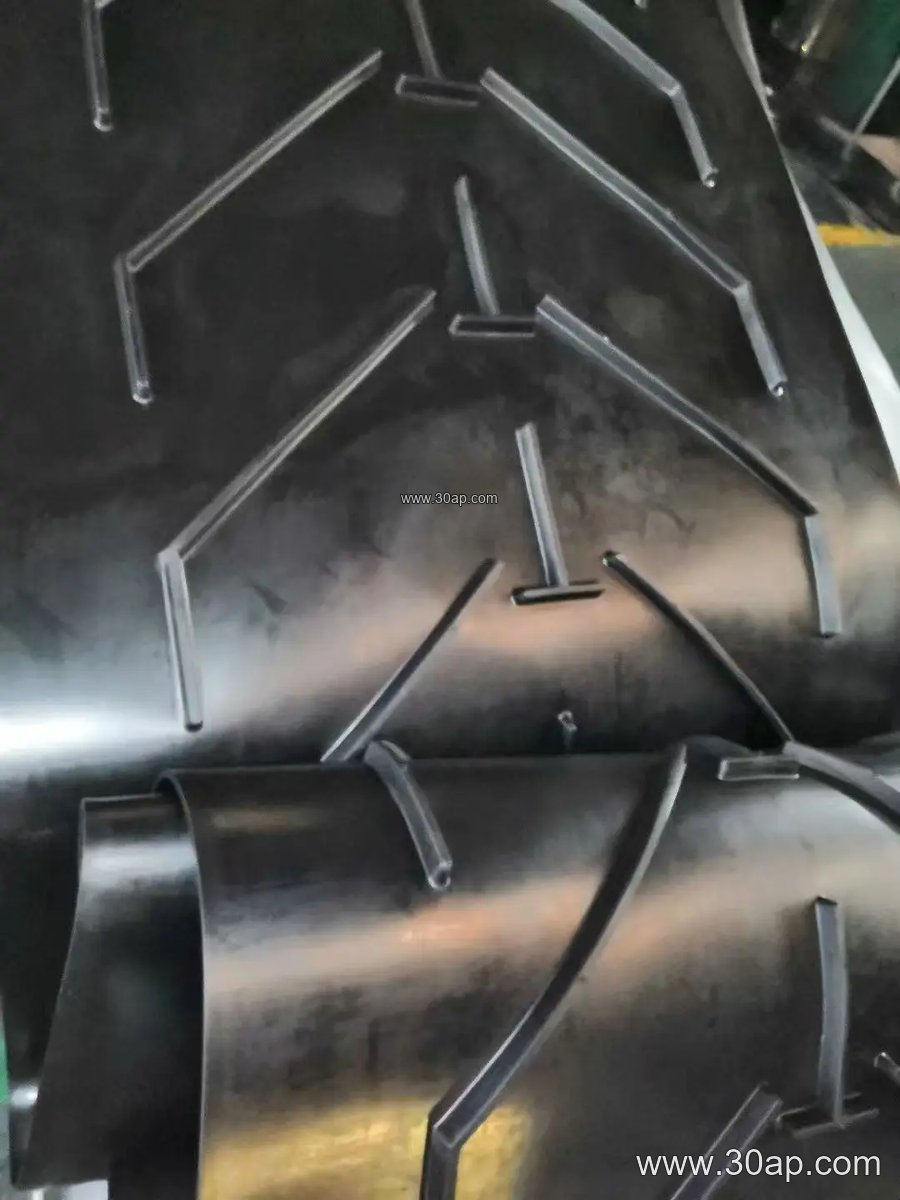
Special profiles solve specific problems. A chevron conveyor belt or corrugated sidewall conveyor belt reduces rollback on steep inclines; a skirted conveyor belt contains material at transfer points; a pipe conveyor belt encloses the load for dust control and tight routing. These are alternatives for particular layouts, not replacements for a standard flat quarry belt.
Selection and Maintenance Notes
Start with the material: lump size, density, moisture and temperature drive the cover grade and carcass. Then check the conveyor geometry, including incline, transfer heights and pulley arrangement. At the discharge, the belt must tolerate impact, so impact resistant and thick-covered constructions earn their cost at primary crushing stations.
In service, keep idler rollers turning freely, check conveyor pulleys for build-up and alignment, and inspect the belt edges for cuts. A tracking fault is often a bracket or pulley alignment issue rather than a belt defect. Spare belt should match the installed grade and width so splices stay compatible.
Buyer Checklist
- Confirm carcass type and grade, cover thickness and belt width against the conveyor datasheet.
- State the duty plainly: abrasive rock, hot material, oily feed or fire-risk area.
- Ask for the splice method and edge condition that suit your plant.
- Record the installed belt reference so the next order is repeatable.
For quarry operators comparing options, the practical question is not the widest or strongest belt available, but the specification that matches the crusher circuit, the transfer points and the maintenance team’s routine.