What Conveyor Bracket Procurement Covers
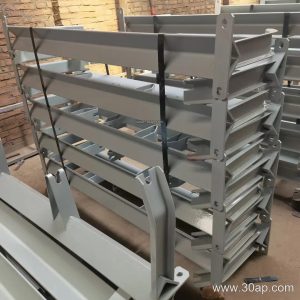
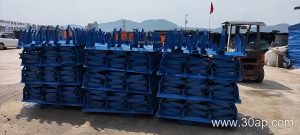
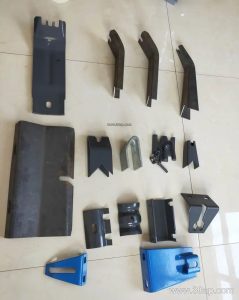
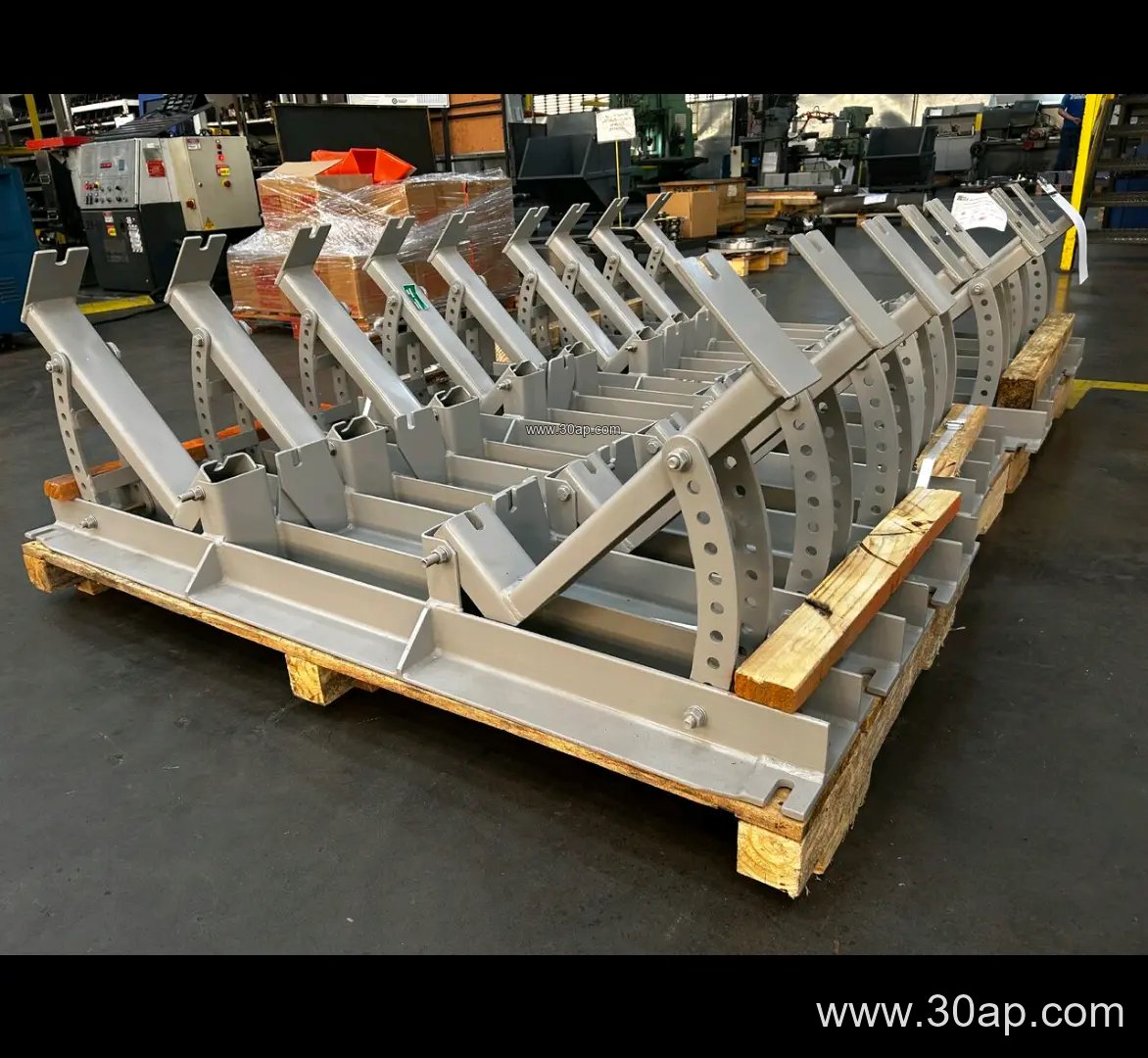
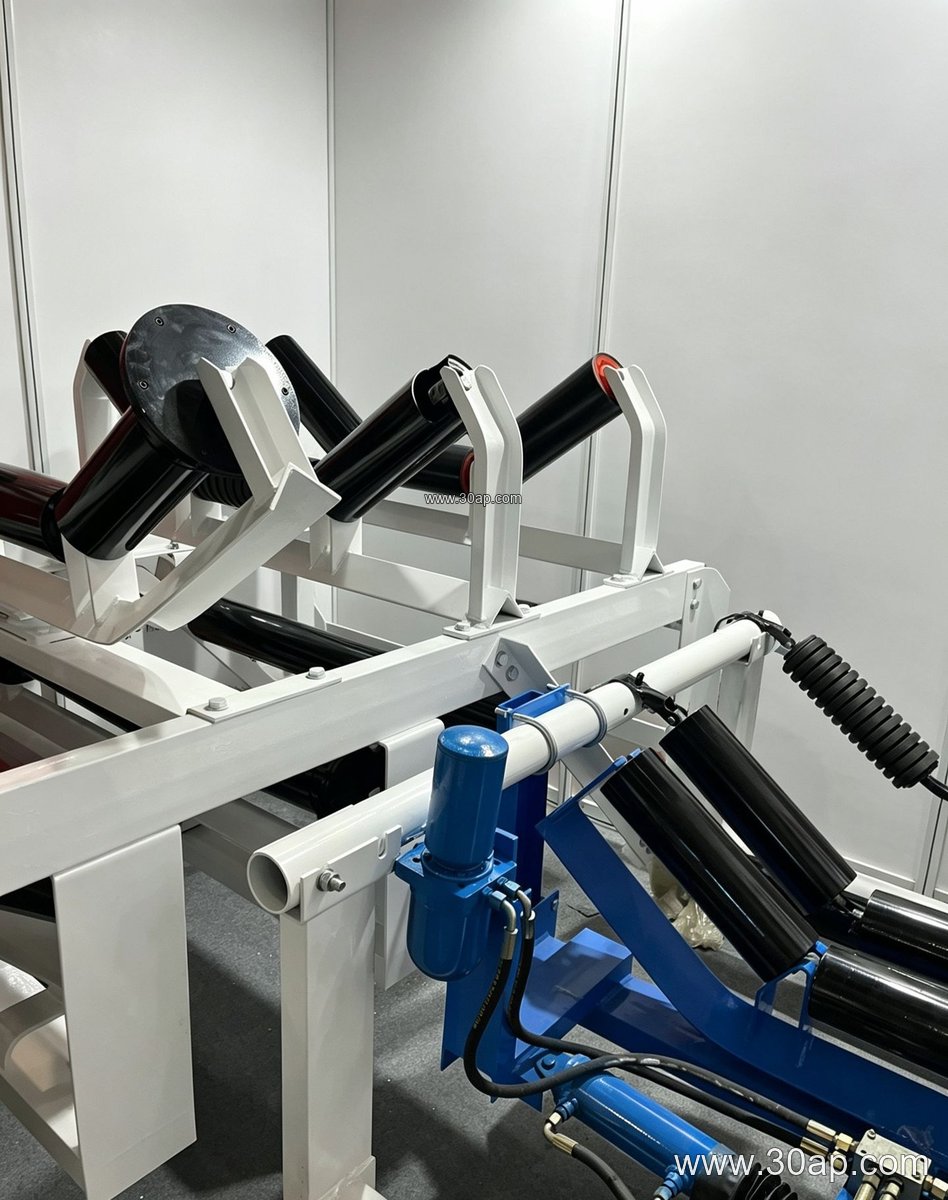
Conveyor bracket procurement is the process of sourcing the structural supports that hold idler rollers in place along a conveyor system. These brackets, often called idler frames or idler support brackets, are not a single universal part. They include troughing brackets, return brackets, impact brackets, self-aligning brackets, and adjustable designs. Each subtype serves a specific position and function on the conveyor line. A troughing bracket carries the loaded side of the belt, while a return bracket supports the empty side. Impact brackets sit under loading points to absorb shock. Self-aligning brackets help correct belt tracking. Adjustable brackets allow the trough angle to be changed on site. Understanding these distinctions is the first step in any successful conveyor bracket procurement project.
How These Brackets Are Built
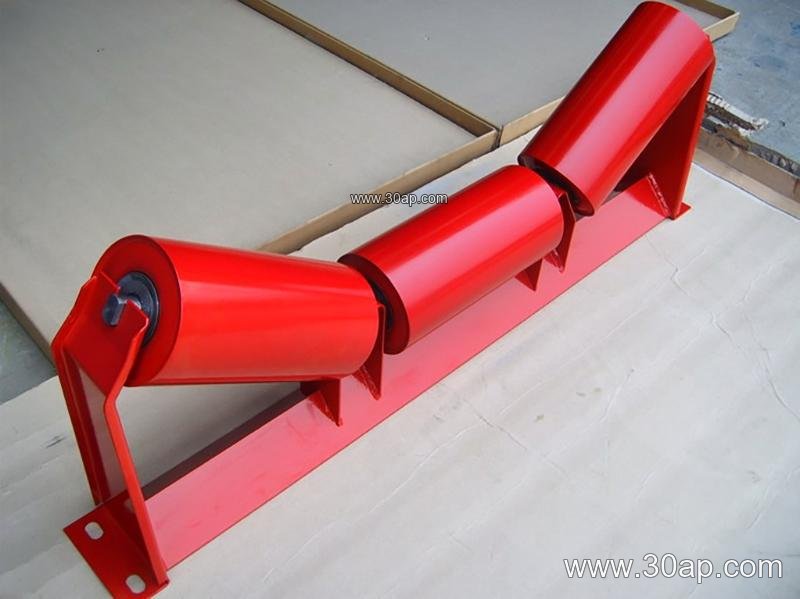
Most conveyor brackets are fabricated from angle steel, channel steel, or bent steel plate. The choice of material and thickness depends on the load, belt width, and operating environment. A typical troughing bracket for a B800 belt might use 30-degree trough angles with Ø89 or Ø108 idler rollers. For a B1200 belt in a quarry, 35-degree or 45-degree trough angles with Ø133 rollers are common. Return brackets are usually simpler, with a flat or V-shaped profile. Adjustable brackets feature slotted holes or pivoting arms that let maintenance teams set the trough angle between 20 and 45 degrees. Forward-leaning brackets, often set at about 1.5 to 2 degrees, are used to improve belt training. The mounting hole spacing and beam length are not fixed numbers; they change with belt width and trough angle, so buyers should always confirm these dimensions with the supplier.
Where Conveyor Brackets Are Used
These brackets appear in almost every bulk handling industry. In a coal washing plant, flame retardant conveyor belts run on troughing brackets that must resist dust and moisture. In a cement plant, heat resistant conveyor belts carry clinker over brackets that endure high temperatures and abrasive dust. A sand and gravel line uses abrasion resistant conveyor belts on impact brackets at the crusher discharge. Power plant coal handling systems rely on self-aligning brackets to keep long belts centered. Port ship loaders use heavy-duty brackets with Ø159 or Ø194 rollers under wide belts. The same bracket family also supports idler rollers in fertilizer plants, grain silos, and tunnel spoil removal. The bracket must match the belt width, the roller diameter, and the load profile, but no single size fits every conveyor.
Key Parameters for Buyers
When preparing a conveyor bracket procurement specification, buyers should collect the following data. The table below shows common reference values, not mandatory combinations.
| Parameter | Common Options | Notes |
|---|---|---|
| Bracket type | Troughing, return, impact, self-aligning, adjustable | Match to belt position and function |
| Belt width (B) | B500, B650, B800, B1000, B1200, B1400, B1600, B1800, B2000 | Beam length and hole spacing vary with width |
| Trough angle | 20°, 30°, 35°, 45° | Adjustable brackets can change angle on site |
| Idler diameter | Ø89, Ø108, Ø133, Ø159, Ø194 | Selected by load and belt speed |
| Material | Angle steel, channel steel, bent plate | Thickness per design load |
A bracket for B650, 30 degrees, Ø89 is a common light-duty choice. A B1200, 45 degrees, Ø133 setup suits heavier ore or aggregate duty. These are examples, not fixed rules. The same belt width can work with different trough angles and roller diameters depending on the conveyor design.
Procurement Tips and Coordination
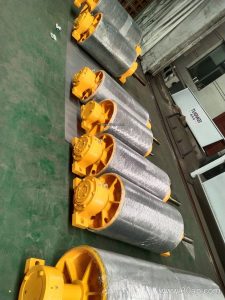
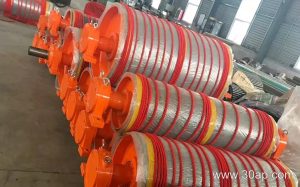
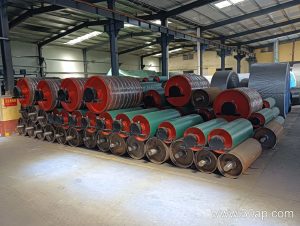
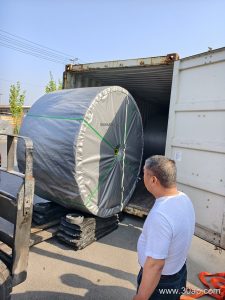
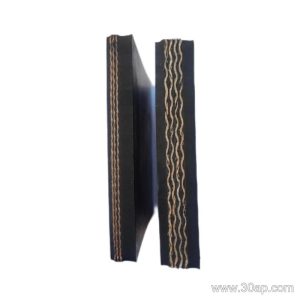
Conveyor bracket procurement works best when the bracket is ordered together with the idler rollers and the conveyor pulley data. The bracket must align with the roller shaft ends, and the pulley diameter at the drive or tail position affects the transition zone. Do not assume a drive pulley and a bend pulley are interchangeable; each has its own role and load. A bend pulley redirects the belt, while a drive pulley transmits power. The bracket layout near these pulleys must respect the belt path. Buyers should also confirm the belt type, such as EP conveyor belt, steel cord conveyor belt, or chevron conveyor belt, because belt stiffness and edge profile influence bracket spacing and trough angle. For abrasive service, specify abrasion resistant conveyor belt and check that the bracket finish can handle dust. For underground coal mining, flame retardant conveyor belt and anti-static properties are relevant to the whole system, including bracket grounding points. Finally, ask for dimensional drawings before production. Small differences in hole spacing can delay installation on site.
Installation and Maintenance Notes
Correct installation keeps brackets working. Align the bracket frame square to the conveyor centerline. Tighten fasteners to the supplier’s recommendation, and check that adjustable brackets are locked at the chosen trough angle. Inspect for bent beams or worn mounting holes during routine maintenance. Replace damaged brackets before they misalign the idler roller and damage the conveyor belt. Keep a small stock of common brackets for the belt widths on site, but avoid stocking sizes that do not match your actual roller diameters. A well-planned conveyor bracket procurement program reduces downtime and keeps the belt running true.