What the Rubber-Lined Pulley Does on a Conveying System
A rubber-lined pulley is a conveyor pulley whose shell carries a bonded rubber layer instead of a bare steel face. That layer changes how the pulley grips the belt, how it sheds dust and moisture, and how long the shell lasts in abrasive service. In a quarry, a coal preparation plant or a cement clinker line, the same component may appear as a drive pulley, a tail pulley or a bend pulley, and each position asks something different of the rubber cover.
The lining is not a cosmetic coating. It is a working surface that interacts with the conveyor belt every revolution, so its compound, thickness and pattern matter as much as the shell diameter.
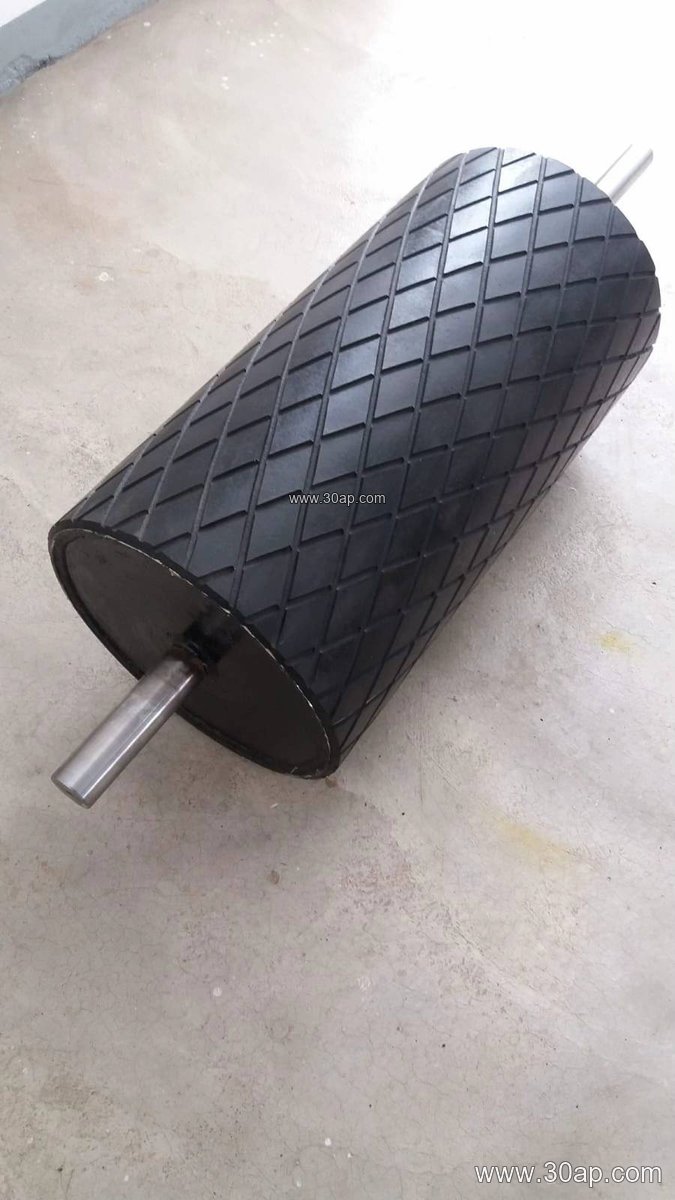
How the Lining Is Built
Most rubber-lined pulleys start as a welded or rolled steel shell with end discs and a shaft. The rubber is applied in one of two common ways: cold-bonded sheet, which is glued and rolled into place, or hot-vulcanized rubber, which is cured onto the shell under heat and pressure for a stronger bond. The second method is usually preferred where the pulley faces constant abrasion or repeated belt slip.
Surface forms vary with the duty. Plain or flat rubber suits general grip and gentle belt contact. Diamond and herringbone patterns help water and fine dust escape from the contact zone, which is useful in wash plants and humid tunnels. Ceramic-lagged pulleys, where ceramic tiles sit in a rubber matrix, are chosen when grip and wear life must both be high. Common cover thicknesses are 8, 10, 12, 15 and 20 mm, selected according to belt tension and the abrasiveness of the material handled.
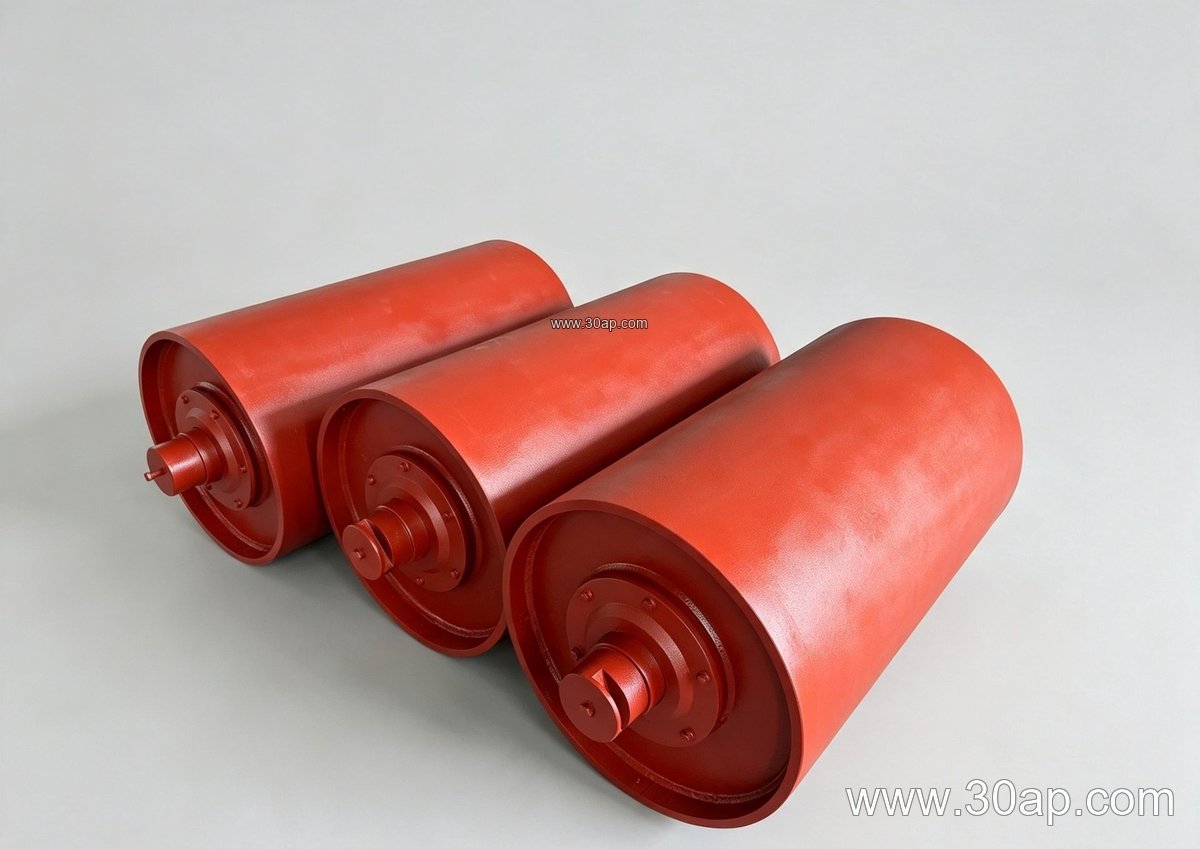
Where It Fits in the Conveyor Layout
Position dictates function. A drive pulley, often the head pulley, transmits torque to the belt and needs reliable friction, so a patterned or ceramic rubber cover is common there. A tail pulley at the loading end turns the belt back and is exposed to spillage; a rubber face protects the shell and reduces material build-up. Bend and take-up pulleys redirect the belt and maintain tension, and a thin rubber lining can extend shell life without changing wrap geometry much.
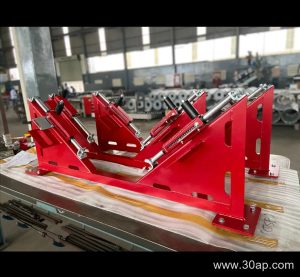
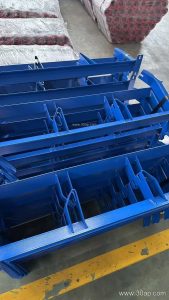
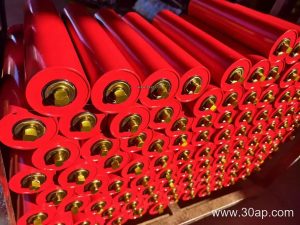
These roles are not interchangeable. A bend pulley cannot simply replace a drive pulley, because the drive position demands grip and torque capacity that a redirect position does not. In the same way, a conveyor bracket and an idler roller serve different jobs from the pulley itself, and each has its own selection rules.
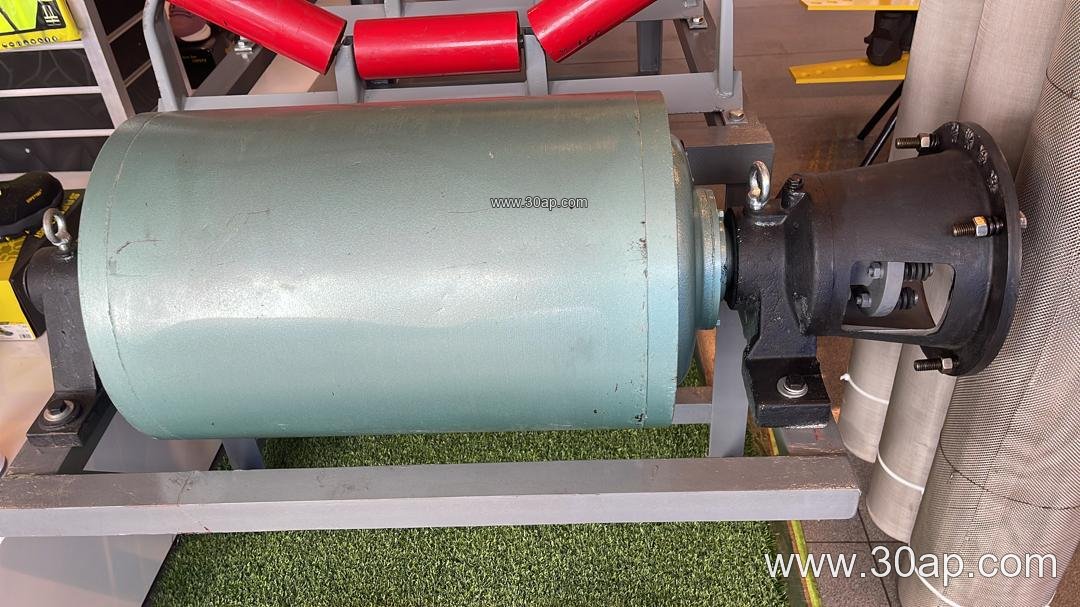
Sizes and Combinations Buyers Commonly Ask About
Pulley dimensions follow belt width, load and shaft torque rather than a single fixed formula. Shell width is usually a little wider than the belt so the belt stays supported. The table below shows typical reference combinations, not mandatory pairings.
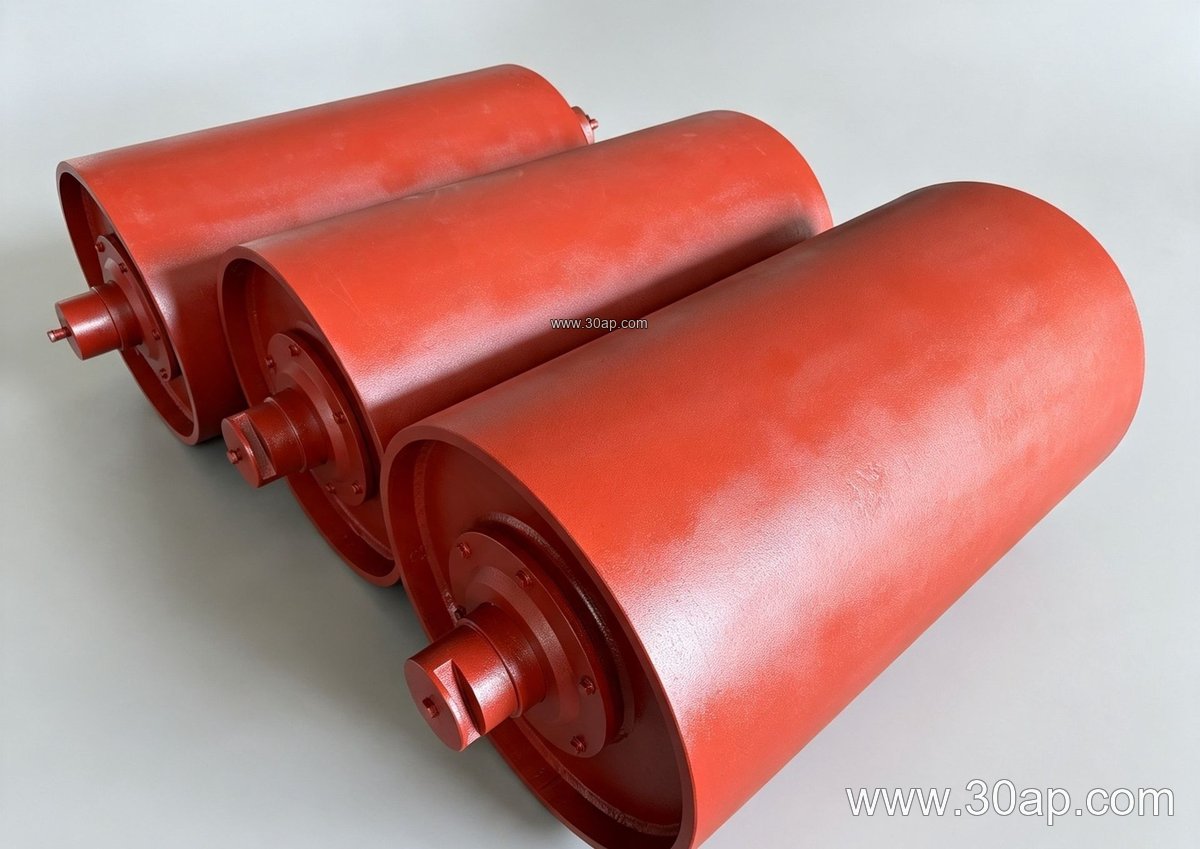
| Belt width | Typical shell face width | Example diameter range | Common lining thickness |
|---|---|---|---|
| B500 | about 600 mm | Ø250 to Ø400 | 8 to 12 mm |
| B650 | about 750 mm | Ø315 to Ø500 | 10 to 12 mm |
| B800 | about 950 mm | Ø400 to Ø630 | 10 to 15 mm |
| B1000 | about 1150 mm | Ø500 to Ø800 | 12 to 15 mm |
| B1200 | about 1400 mm | Ø630 to Ø1000 | 12 to 20 mm |
| B1400 | about 1600 mm | Ø800 to Ø1250 | 15 to 20 mm |
| B1600 | about 1800 mm | Ø1000 to Ø1400 | 15 to 20 mm |
Shaft diameter is set by torque and bearing load, not by belt width alone. Common shaft sizes run from Ø50 up to Ø200, and two pulleys for the same B1200 belt may still use different shafts if their drive duties differ.
Matching the Pulley to the Belt and the Material
The belt side of the decision is just as important. An abrasion resistant conveyor belt running over a hard rock stockpile will wear a bare shell quickly, while a rubber-lined pulley spreads that wear across a renewable surface. A flame retardant conveyor belt in an underground coal mining conveyor system calls for a rubber compound that will not compromise fire safety. Where oil or heat is present, an oil resistant conveyor belt or a heat resistant conveyor belt should be paired with a lining compound chosen for the same condition.
Material type also guides the surface pattern. Sticky limestone and wet sand favor a diamond profile that releases fines. A heavy-duty mining conveyor belt carrying sharp ore may justify ceramic lagging. For long overland lines using steel cord conveyor belt or multi-ply fabric core conveyor belt, pulley grip affects starting slip and belt tracking, so the lining specification should be agreed with the conveyor designer rather than chosen from a catalogue alone.
Buyer Checklist
- Confirm the pulley position: drive, tail, bend, take-up or snub, since each has different demands.
- State belt width, belt type and maximum tension so the shell and shaft can be sized together.
- Choose lining thickness and pattern based on abrasion, moisture and slip risk.
- Ask how the rubber is bonded, cold or hot-vulcanized, and how the joint is finished.
- Check balance, runout and shaft fit, because a heavy rubber cover changes rotating mass.
- Plan inspection intervals; worn or glazed rubber reduces grip before the shell itself fails.
A well-specified rubber-lined pulley protects both the belt and the structure around it, and it keeps a quarry, power plant or coal handling line running with fewer unplanned stops.