What an EP100 Conveyor Belt Is
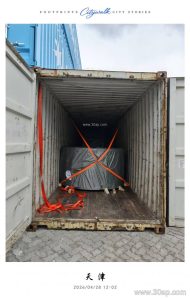
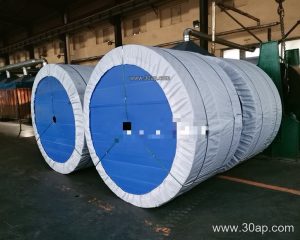
An EP100 Conveyor Belt is a fabric core belt built around polyester warp and nylon weft cords, usually described as an EP fabric core conveyor belt. The number 100 refers to the nominal tensile strength of the carcass, expressed in newtons per millimetre of belt width. In practical terms, this is one of the lighter grades in the EP family, sitting below EP200, EP300 and the heavier EP400 to EP2000 classes. Buyers who need a moderate-duty belt for a long, stable run often start their evaluation here.
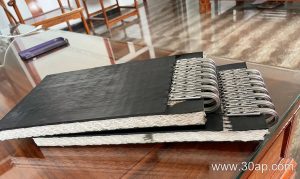
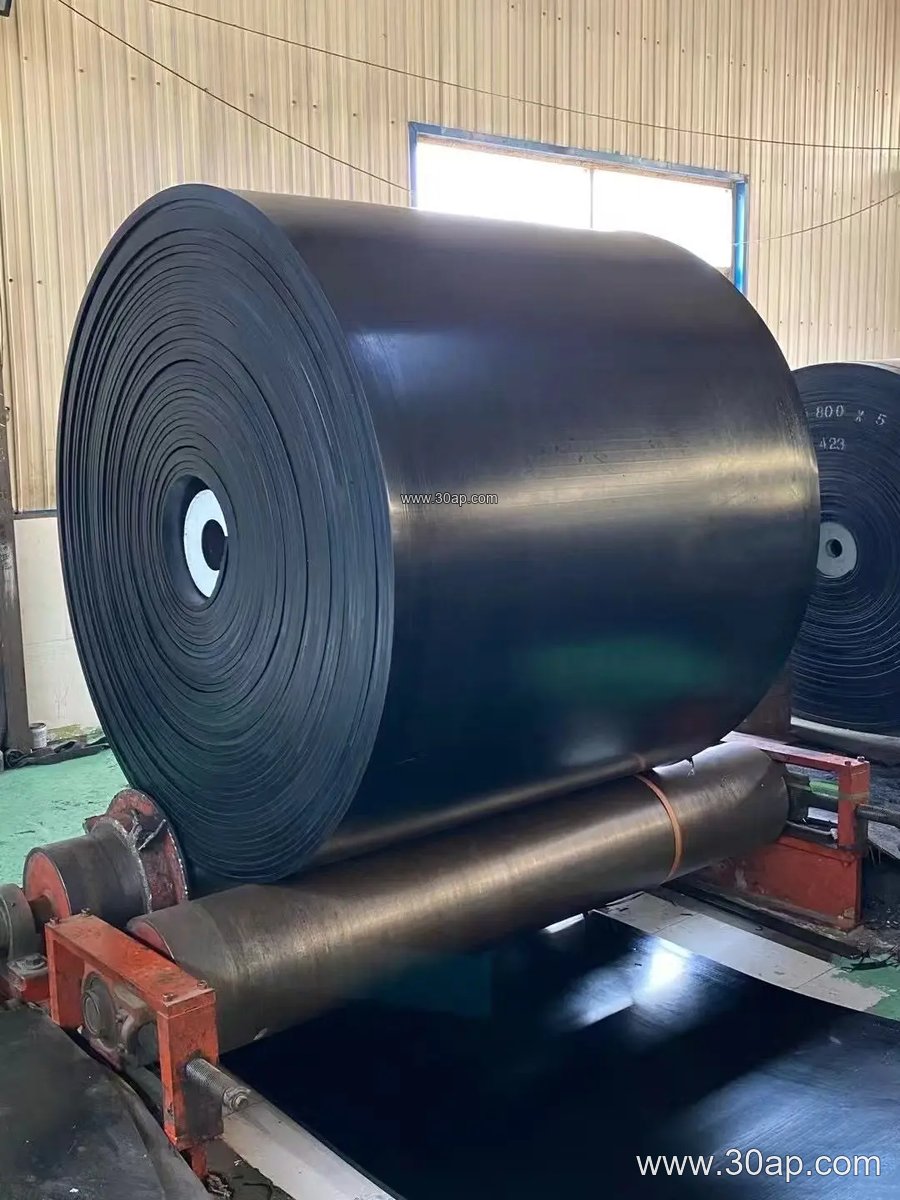
The belt is not a single product but a construction: rubber covers, one or more fabric plies, and a bond between them. It is frequently supplied as a multi-ply fabric core conveyor belt, with two to four plies being common for this strength class. Because the carcass stretches less than all-nylon constructions, an EP Conveyor Belt is often chosen where take-up travel and tracking stability matter.
How the Belt Is Built
The carcass gives the belt its strength and its resistance to elongation. Polyester provides low stretch along the length, while nylon adds toughness and flex fatigue resistance across the width. Cover rubber protects the carcass from abrasion, impact, moisture and, where required, heat or oil.
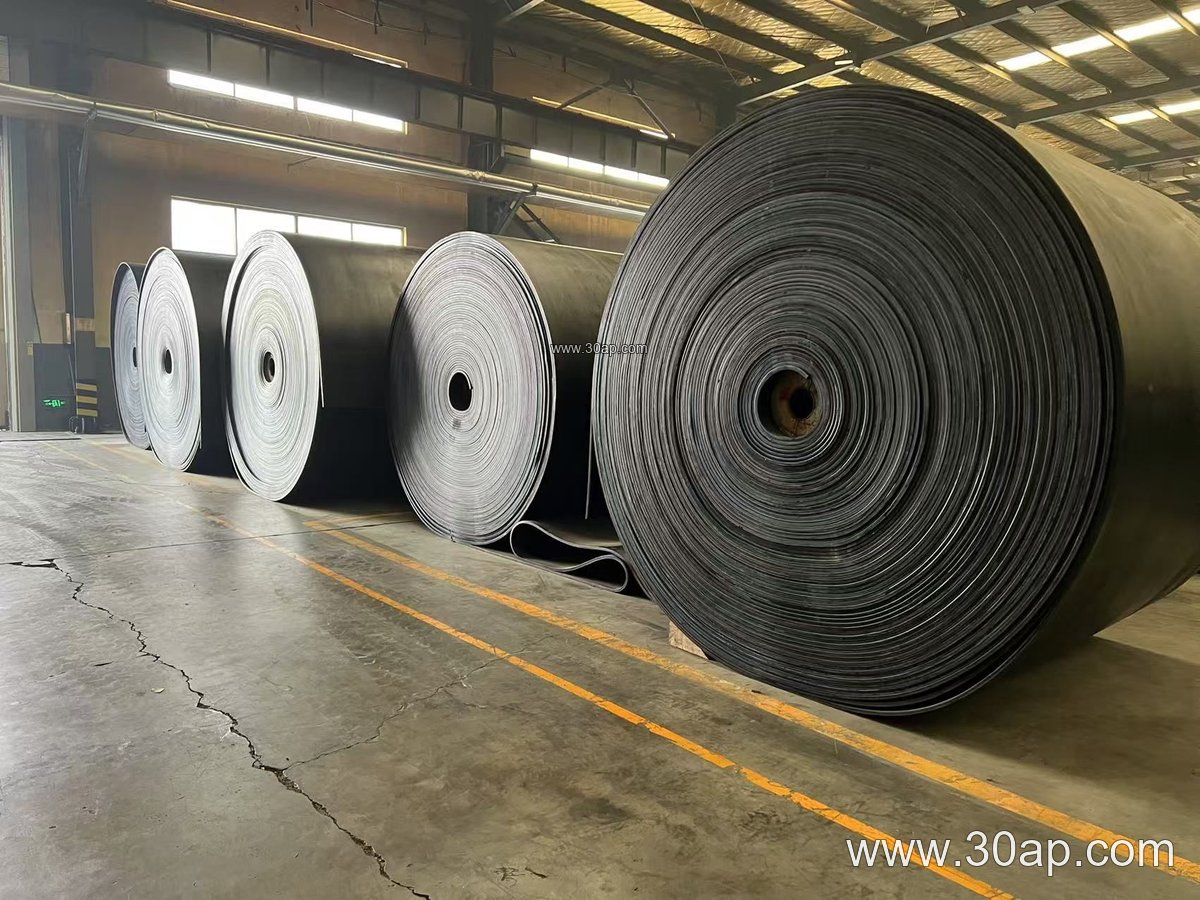
- Top and bottom covers in common gauges such as 3+1.5, 4+2, 5+2, 6+2 or 8+3 mm, depending on duty.
- Two to four plies is a typical range for EP100 class belts; heavier classes often use more.
- Edge construction can be cut edge or moulded edge, and the choice affects how the belt behaves on small pulleys.
Cover compound selection matters as much as carcass grade. A quarry or crusher duty may call for an abrasion resistant conveyor belt, while a cement plant kiln area might need a heat resistant conveyor belt. Underground coal work usually requires a flame retardant conveyor belt with anti-static properties. These are cover and compound choices layered on top of the EP100 carcass, not different carcass types.
Where EP100 Belts Fit
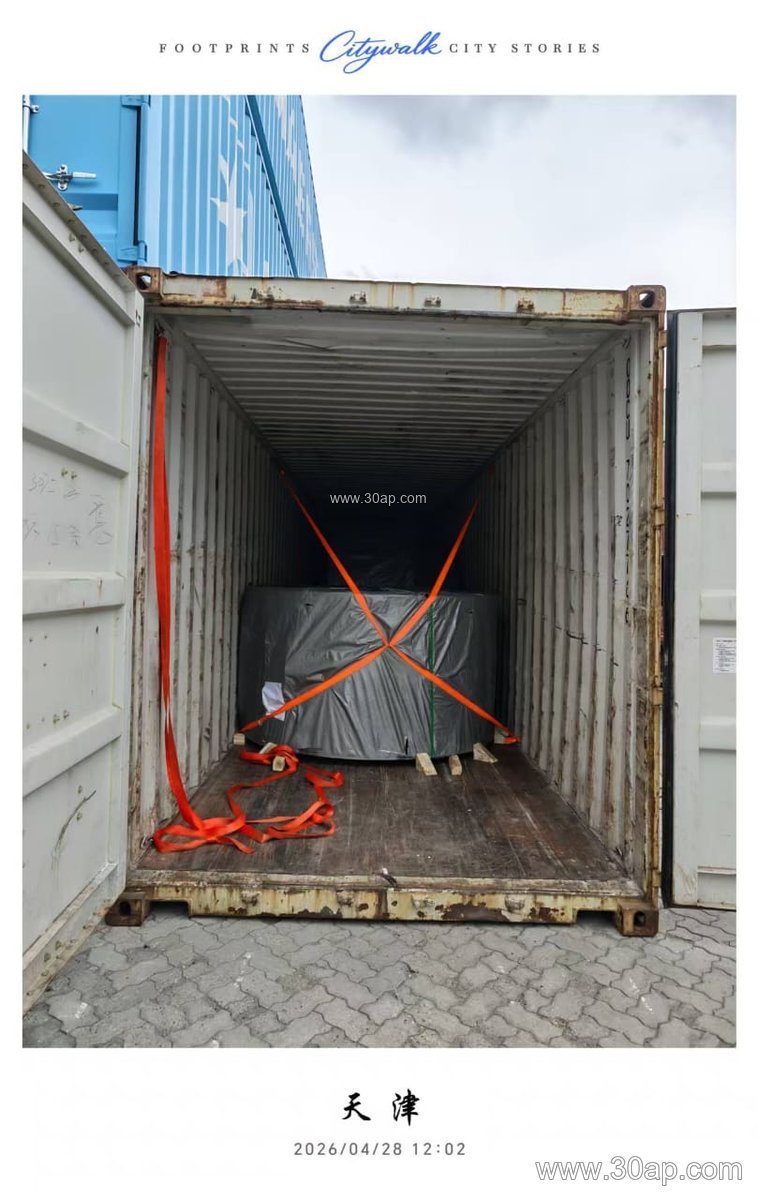
This grade suits medium-duty bulk material conveyor belt duties rather than the most punishing primary crushing circuits. Typical settings include:
- Aggregate and sand plants feeding screens and stockpiles.
- Cement plants moving clinker, limestone and additives on secondary lines.
- Power plant coal handling and ash transport routes.
- Port and ship loading conveyors where belt weight and pulley loads are managed.
- Recycling and construction waste lines with modest impact.
For very high tension or long overland routes, a steel cord conveyor belt or a higher EP class is usually the better match. For wet, fine material on short centres, a PVC or PVG belt may be considered instead. Those are comparisons, not substitutes for the EP100 fabric core belt itself.
Specifications a Buyer Should Confirm
Sizes and grades vary by manufacturer, and the figures below are reference points rather than fixed supply promises. Always confirm the final data sheet for the actual order.
| Parameter | Common reference range |
|---|---|
| Carcass grade | EP100 (lighter than EP200, EP315, EP400, EP500) |
| Number of plies | Usually 2 to 4 for this class |
| Belt width | B500, B650, B800, B1000, B1200 and wider by design |
| Cover gauges | 3+1.5, 4+2, 5+2, 6+2, 8+3 mm |
| Special covers | Abrasion, heat, oil, flame retardant, anti-static, cold resistant |
Belt width and pulley diameter are matched through conveyor design, not by a single fixed rule; a given width can run on more than one pulley size. Shaft diameter follows the pulley and drive design, so it should never be inferred from belt width alone.
Installation and Maintenance Notes
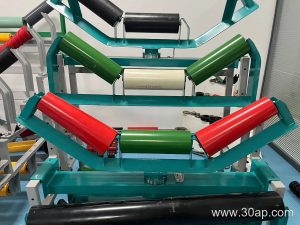
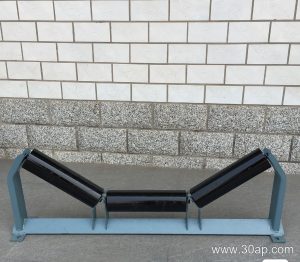
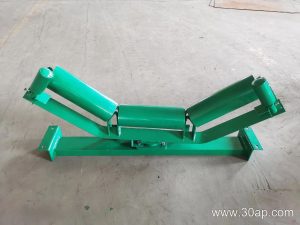
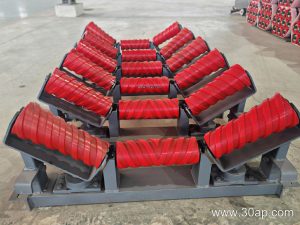
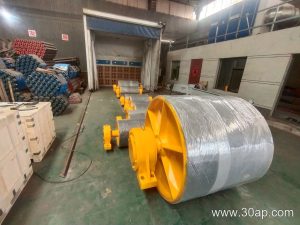
Correct alignment of the conveyor pulley, idler roller and conveyor bracket set reduces edge damage and premature cover wear. Check that the tail and bend pulleys are running true, and keep loading chutes centred so material does not strike one edge. For a chevron conveyor belt or a corrugated sidewall belt, the same EP100 carcass may appear in a different profile, but cleat height and sidewall height change the pulley and transition requirements.
Inspect splices, edges and covers on a regular schedule. Store spare belts flat, out of sunlight, and away from ozone sources. When replacing a belt, record the carcass grade, ply count, cover thickness and width so the next order matches the conveyor design rather than guesswork. For guidance on compatible rollers and pulleys, see the equipment information at conveyoridler.com and beltpulley.com.