What an Idler Seal Does on a Conveyor Roller
An idler seal is the small but decisive barrier that keeps dust, grit, and moisture out of a conveyor roller bearing. In a quarry, a coal handling system, or a cement plant, the air around an idler roller is rarely clean; fines migrate toward every rotating joint. Once abrasive particles reach the bearing cavity, grease escapes and contamination enters, and the roller seizes long before the shell wears out. The idler seal, sometimes called a roller bearing seal or roller end seal, is therefore a wear part in its own right, and its condition often decides how long a whole idler lasts.
How the Seal Is Built
Most designs combine several elements in a compact package at each end of the roller. A typical arrangement includes an outer labyrinth cap, one or more lip seals, a bearing shield, and a retaining ring, all pressed into the roller end or the bearing housing. The labyrinth path forces contaminants to change direction several times, while the lip seal holds lubricant against the bearing. Materials are usually chosen for the environment: nitrile rubber for general duty, polyurethane where abrasion is severe, and steel or polymer labyrinth rings where heat or chemical exposure rules out soft elastomers. A well-made seal runs with low friction, so it does not steal power from the drive or raise roller temperature.
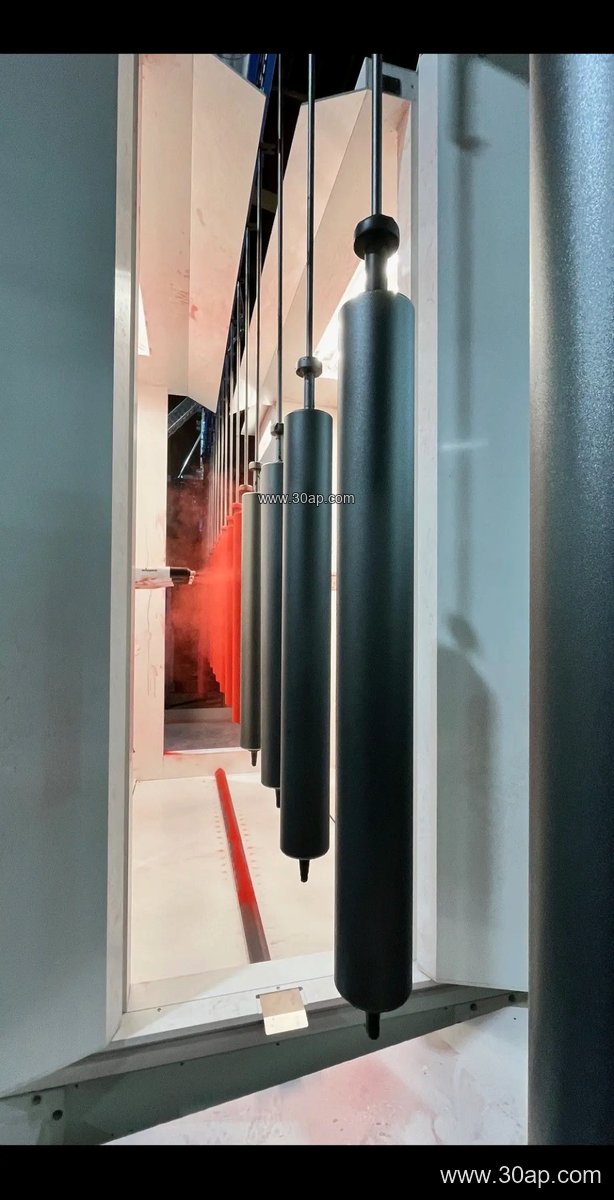
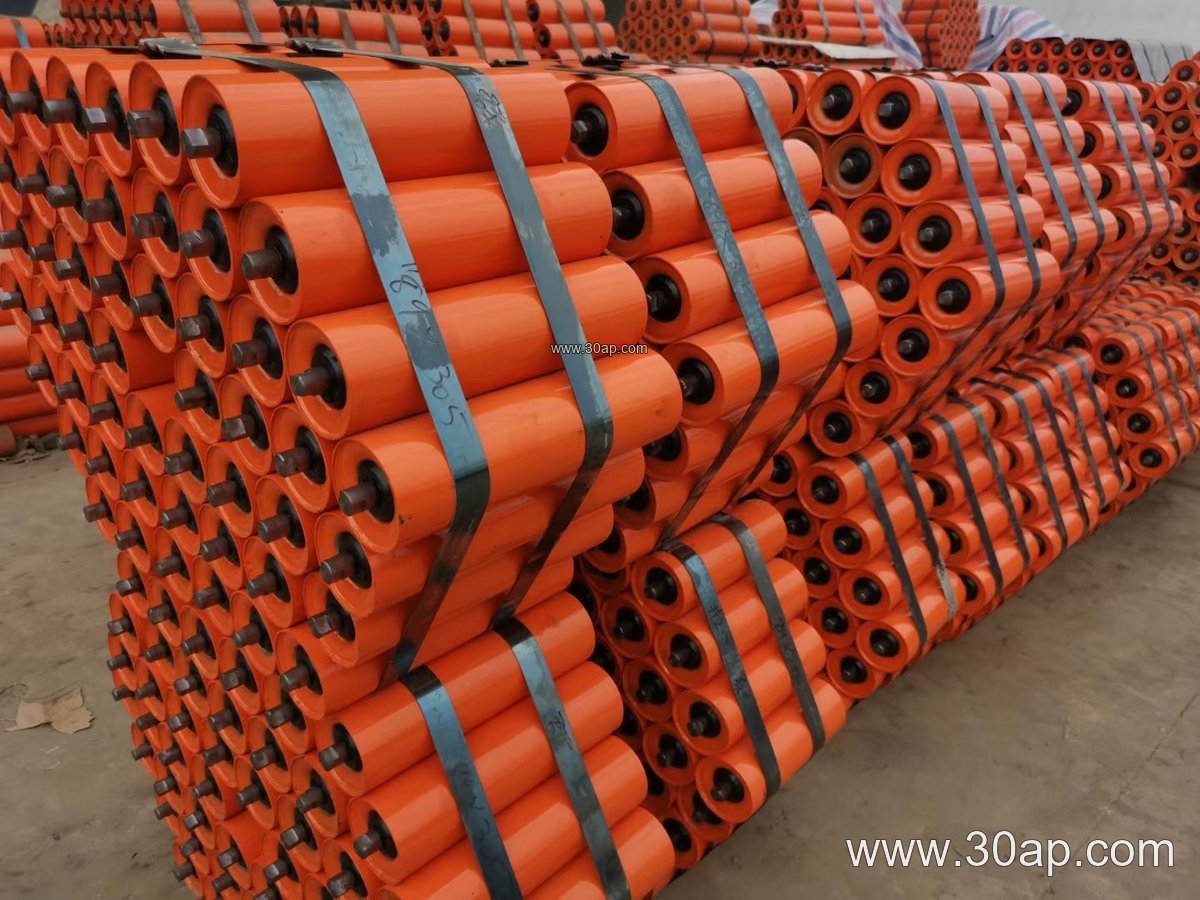
Where Idler Seals Matter Most
Dusty and wet duties are the hardest on sealing. In an iron ore or copper ore terminal, fine concentrate sticks to roller ends and works into gaps; in a power plant coal yard, washdown water and coal dust combine into a paste that destroys ordinary seals. Aggregate lines feeding a crusher produce sharp rock dust, and tunnel spoil often arrives damp and gritty. In these places, a sealed-for-life idler with a multi-stage seal is usually preferred over a regreaseable roller, because relubrication points are difficult to reach and often skipped. The seal also protects the conveyor bracket area from grease leakage that can attract build-up.
Reading Roller and Seal Data Together
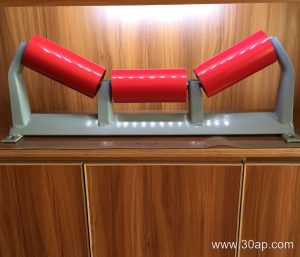
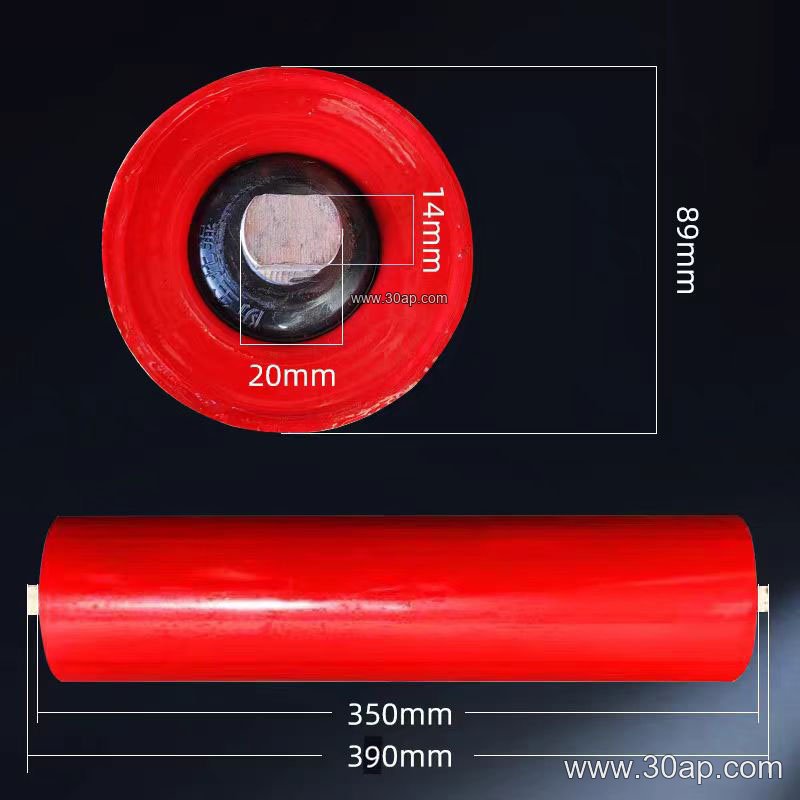
Seal size follows bearing and roller size, not the other way round. When specifying, match the seal to the bearing bore and the roller end cap, then confirm the roller diameter and belt width. Common roller diameters include Ø89, Ø102, Ø108, Ø127, Ø133, and Ø159 mm; bearing numbers such as 6204, 6205, 6305, 6306, and 6308 appear across these sizes, but no single bearing is tied to one diameter. Belt widths from B500 to B1400 are common in plant conveyors, and roller length changes with belt width, trough angle, and idler arrangement.
| Item | Common Example | Note |
|---|---|---|
| Roller diameter | Ø89, Ø108, Ø127, Ø133, Ø159 mm | Selected by load and belt speed |
| Bearing | 6204, 6205, 6305, 6306, 6308 | Matched to shaft and load |
| Belt width | B500, B650, B800, B1000, B1200, B1400 | Roller length follows width and trough angle |
| Trough angle | 20°, 30°, 35°, 45° | Affects side roller length |
| Seal type | Labyrinth, lip, combined | Chosen by dust and moisture level |
On a long overland line carrying EP conveyor belt or steel cord belting, return rollers and troughing idlers see different contamination patterns, so seal specification can differ along the same conveyor. A transition idler near a conveyor pulley may run in a spray zone, while a plain carrying idler stays relatively dry.
Buyer Checklist Before Ordering
- State the duty: dust, water spray, washdown, heat, or chemical exposure.
- Give roller diameter, bearing number, and end cap style so the seal fits without modification.
- Confirm whether the roller is sealed for life or regreaseable; the seal design differs.
- Check operating temperature against the elastomer choice.
- Ask how the seal is retained, since a loose labyrinth cap is a common failure point.
- For heavy-duty mining conveyor belt lines, request a seal with an additional dust lip.
Small as it is, the idler seal deserves a place in the specification. Buyers who treat it as a detail often replace rollers far more often than necessary, while a matched seal keeps bearings clean through years of abrasive service.