What a Heavy-Load Belt Conveyor Idler Does
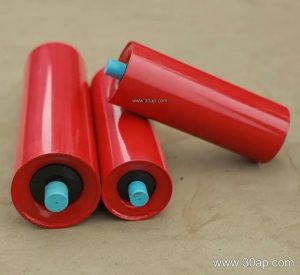
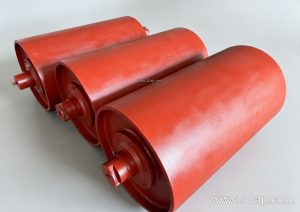
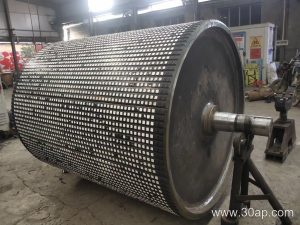
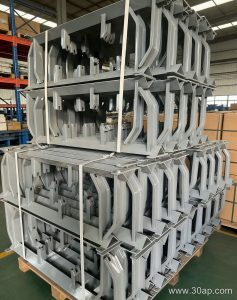
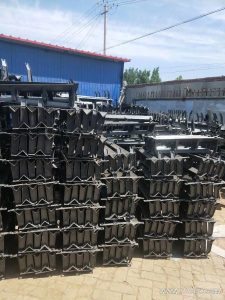
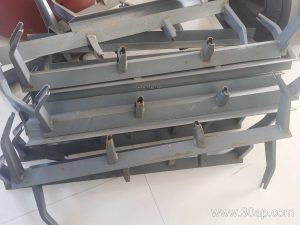
A heavy-load belt conveyor idler is the rotating support under the belt on high-capacity systems. It carries the weight of the conveyor belt, the material, and the belt tension without letting the belt sag between frames. In a quarry, a coal preparation plant, or an iron ore transfer station, these idlers run for long shifts under abrasive dust and heavy lumps. The heavy-load belt conveyor idler is therefore built around thicker walls, larger bearings, and stronger sealing than a light-duty roller. It is still an idler roller, not a drive pulley or a tail pulley, and it works together with the conveyor bracket and the conveyor pulley at each end of the system.
How the Idler Is Built
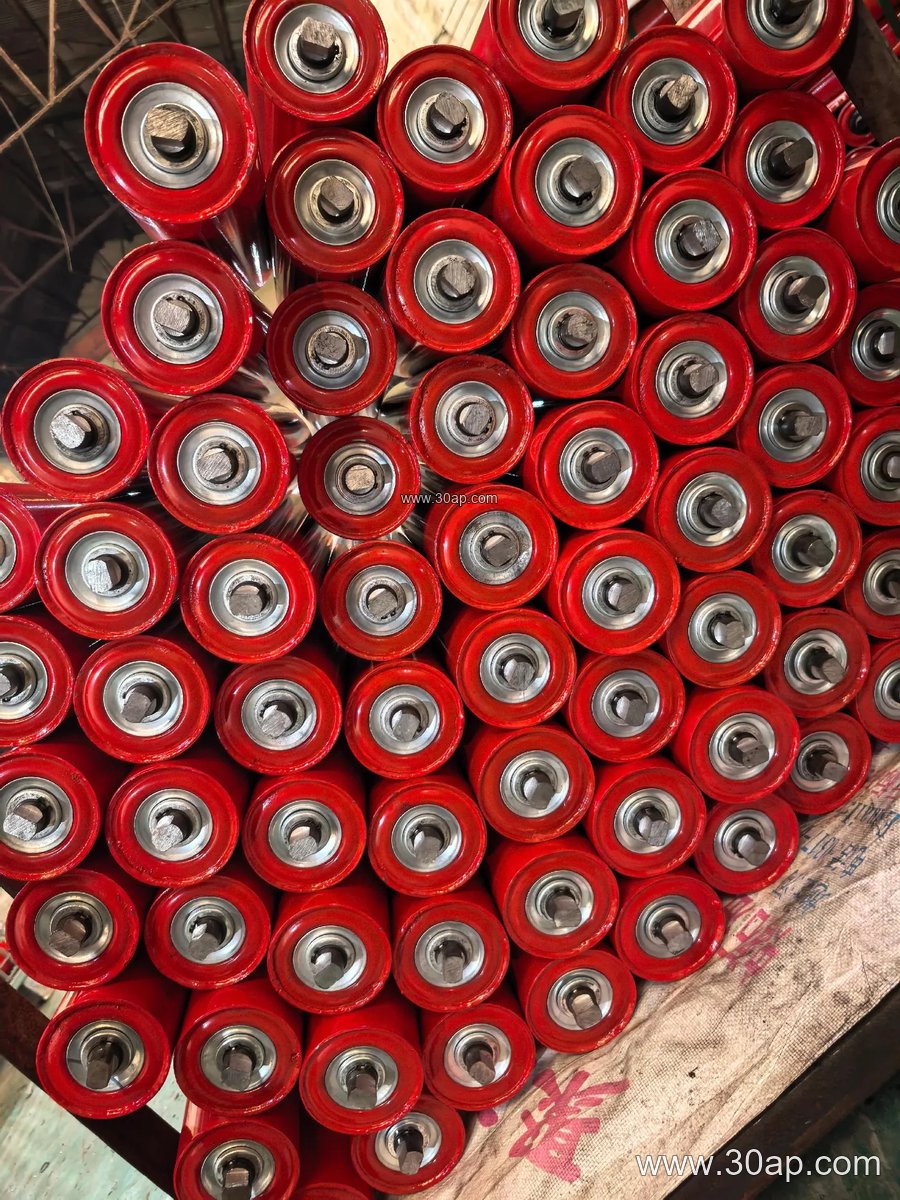
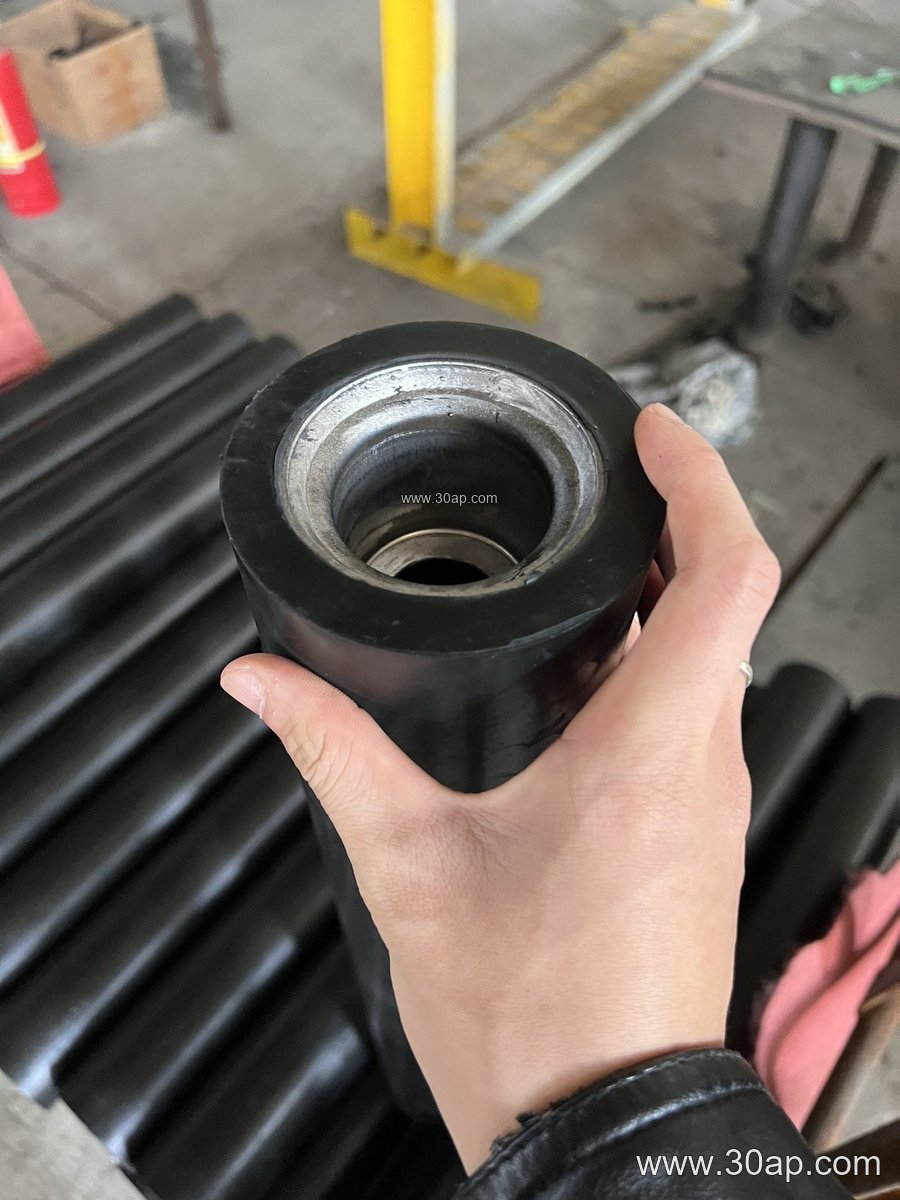
The core of a heavy-load belt conveyor idler is a steel tube shell, usually with a machined end face, fitted with bearing housings at both ends. Common shell diameters for heavy-duty work include Ø108, Ø127, Ø133, Ø159, Ø178, and Ø194 mm, with larger sizes such as Ø219 mm used on very wide, high-tonnage lines. The shaft is fixed in the bracket, and the shell rotates on sealed bearings. Bearing sizes such as 6205, 6305, 6306, 6308, and 6310 are common, but bearing choice depends on load, speed, and seal design rather than on one tube diameter alone. Labyrinth seals, contact seals, and grease-filled housings protect the bearing from fine dust and water. Roller surfaces may be plain steel, nylon, ceramic, or rubber rings, and the surface choice should match the material being carried.
Troughing Geometry and Load Support
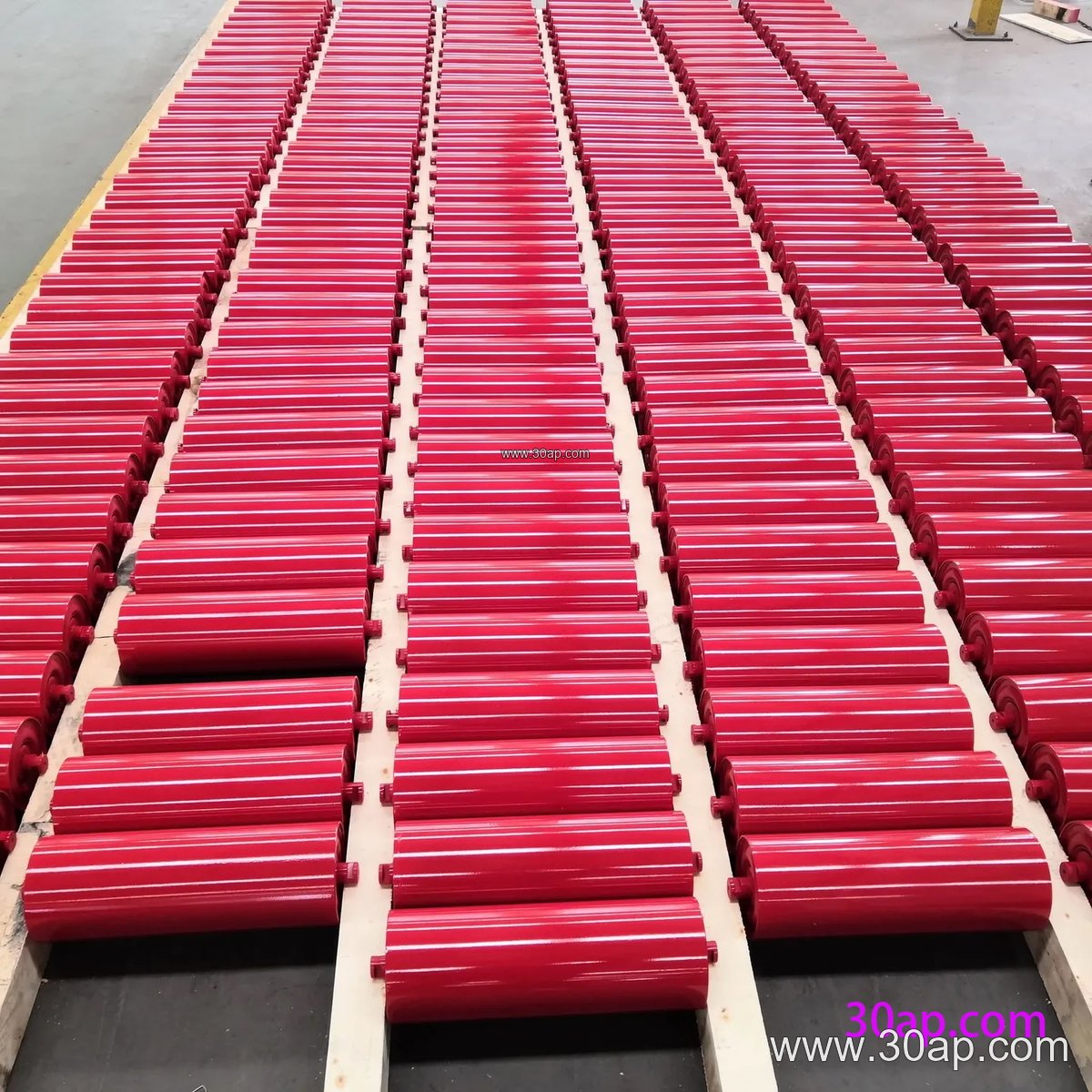
Most heavy-load belt conveyor idlers sit in three-roll troughing sets, with trough angles of 20, 30, 35, or 45 degrees. A steeper trough holds more material and reduces spillage on a fully loaded belt, but it also increases the bending stress at the belt edges. The roll length changes with belt width, trough angle, and set design; a three-roll set for B1000 might use rolls around 380 mm long, while B1400 often uses about 530 mm, and B1800 about 600 mm. These are common examples, not fixed rules, and the centre roll and side rolls can differ. On a wide conveyor belt, the transition idler near the tail pulley also controls how the belt opens from flat to trough, which affects belt life.
Where These Idlers Are Used
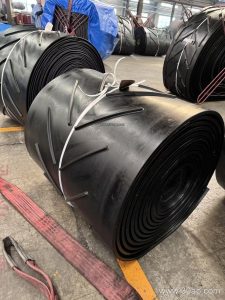
Heavy-load belt conveyor idlers appear in limestone mines, copper ore concentrators, sinter plants, and power plant coal handling. In a cement plant they support clinker and raw meal lines; in a sand and gravel plant they carry crushed aggregate under wet or dusty conditions. A heavy-duty mining conveyor belt on an underground coal mining conveyor belt system also relies on robust idlers, and here a flame retardant conveyor belt or fire resistant conveyor belt is usually specified for safety. The same idler frame can support an abrasion resistant conveyor belt on a quarry conveyor belt line or a heat resistant conveyor belt near a kiln discharge, provided the roller surface and bearing seals suit the environment.
Matching Idlers to the Conveyor
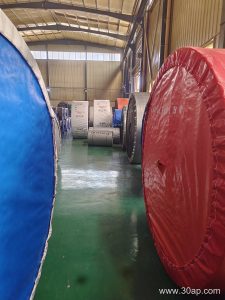
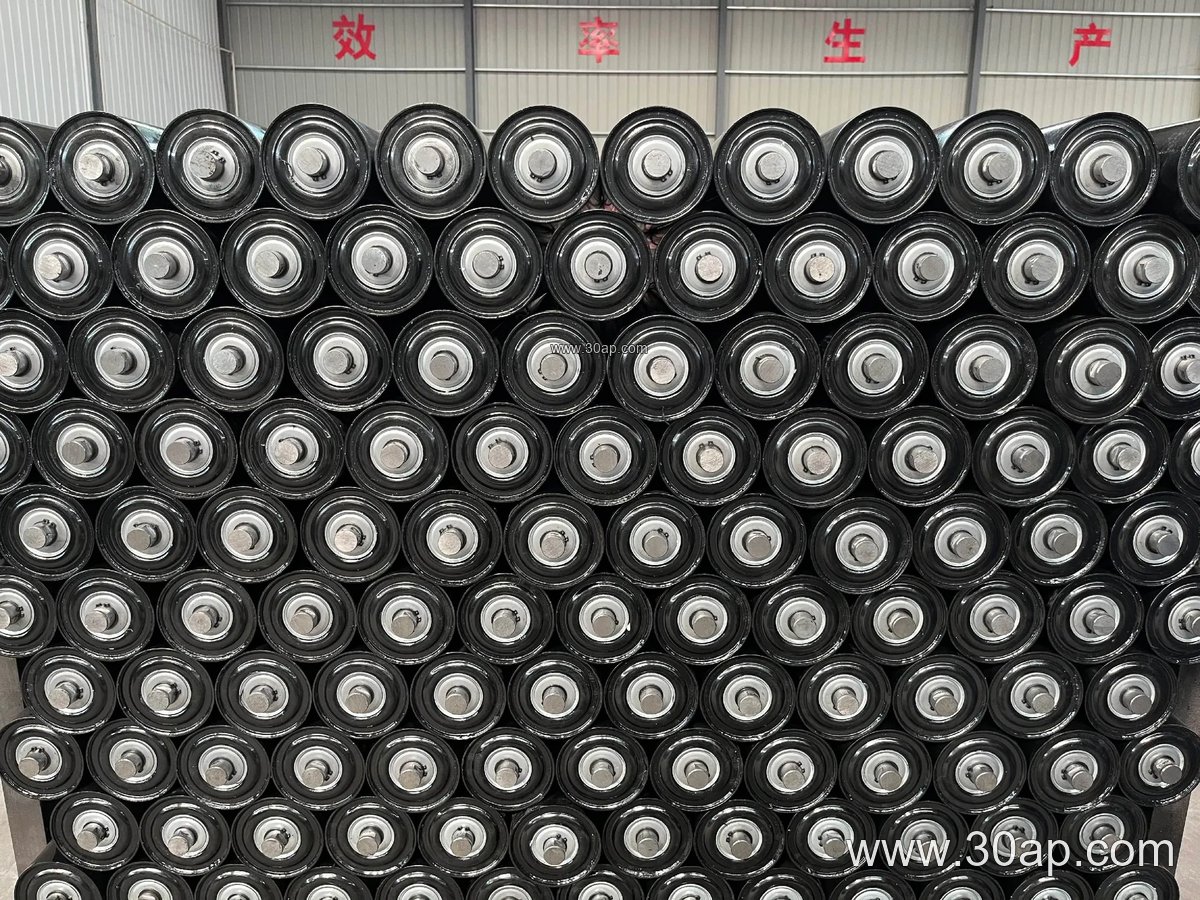
Buyers should start with belt width, capacity, and belt speed, then check the idler load rating. A conveyor belt of 1200 mm width on a high-tonnage line will need a different idler set from a 650 mm belt on a short transfer. Impact zones under a crusher discharge benefit from impact idlers or rubber-ring cushion idlers, while the return side may use a V-shaped return idler or a flat return roller. Self-aligning idlers help where the belt tends to wander. For long overland lines, a steel cord conveyor belt or a high strength conveyor belt may be paired with larger diameter idlers to reduce rotation speed and bearing wear.
Specification Reference
The table below gives common reference values for heavy-load idler selection. Actual values are determined by the conveyor design, and the listed sizes are not a supply promise.
| Parameter | Common Reference Values |
|---|---|
| Roller diameter | Ø108, Ø127, Ø133, Ø159, Ø178, Ø194, Ø219 mm |
| Belt width | B500, B650, B800, B1000, B1200, B1400, B1600, B1800, B2000 mm |
| Trough angle | 20°, 30°, 35°, 45° |
| Roll surface | Steel tube, nylon, ceramic, rubber ring |
| Bearing | 6205, 6305, 6306, 6308, 6310 (selected by load and speed) |
| Set form | Single roll, two-roll, three-roll troughing |
For example, a B1200 line may use a three-roll troughing set with Ø159 mm rolls at a 35-degree trough angle, while a B800 aggregate line may run Ø133 mm rolls. Neither pairing is universal, and the final selection should follow the conveyor design and the material handled. Buyers should also confirm shaft end dimensions, bracket hole spacing, and seal type with the supplier before ordering.
Maintenance and Buying Checks
- Check that the idler roller turns freely and that the seal fits the dust and moisture level on site.
- Match the roller surface to the material; rubber rings reduce impact, while ceramic or nylon surfaces can suit different wear conditions.
- Confirm the bracket and frame dimensions, because a heavy-load idler that does not fit the existing conveyor bracket will not run true.
- Inspect pulley alignment at the drive and tail, since a misaligned conveyor pulley or worn belt edge quickly damages idlers.
- Keep spare idlers in the sizes used most often, and record roller diameter, roll length, and bearing number for each position.
A well-matched heavy-load belt conveyor idler protects the belt, keeps the load moving, and reduces stoppages in mines, cement works, power plants, and aggregate yards. The right choice comes from the conveyor duty, not from a single size chart.