What a Side Guide Idler Does
A side guide idler is a small-diameter, free-running roller mounted vertically or at a slight angle along the edge of a conveyor belt. Its job is not to carry the main material load but to keep the belt centered, protect the edges, and prevent the belt from rubbing against the structure. In a transfer point on a quarry conveyor belt line, or on a coal mining conveyor belt running through a wash plant, a few side guide idlers can make the difference between a belt that tracks cleanly and one that frays along the edge.
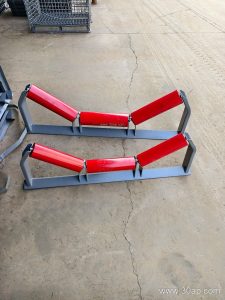
The roller is often called a vertical guide roller or edge guide roller, and it works together with the carrying idler roller set and the return roller group rather than replacing them. Drive pulleys, tail pulleys, and bend pulleys have entirely different duties, so a side guide idler should never be specified as a substitute for any of them.
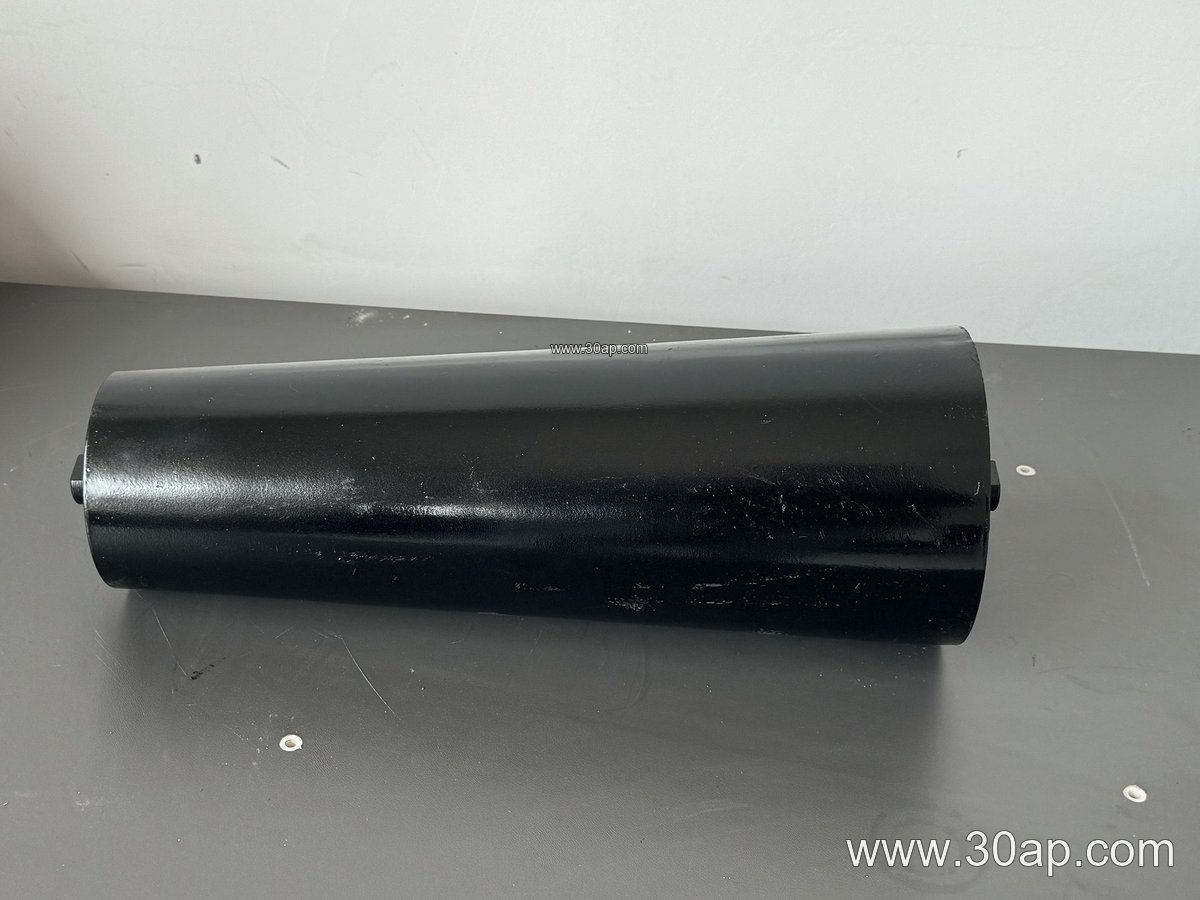
Construction and Common Build Details
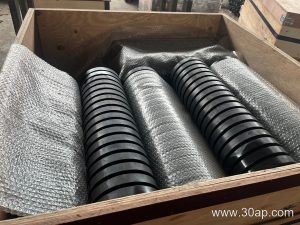
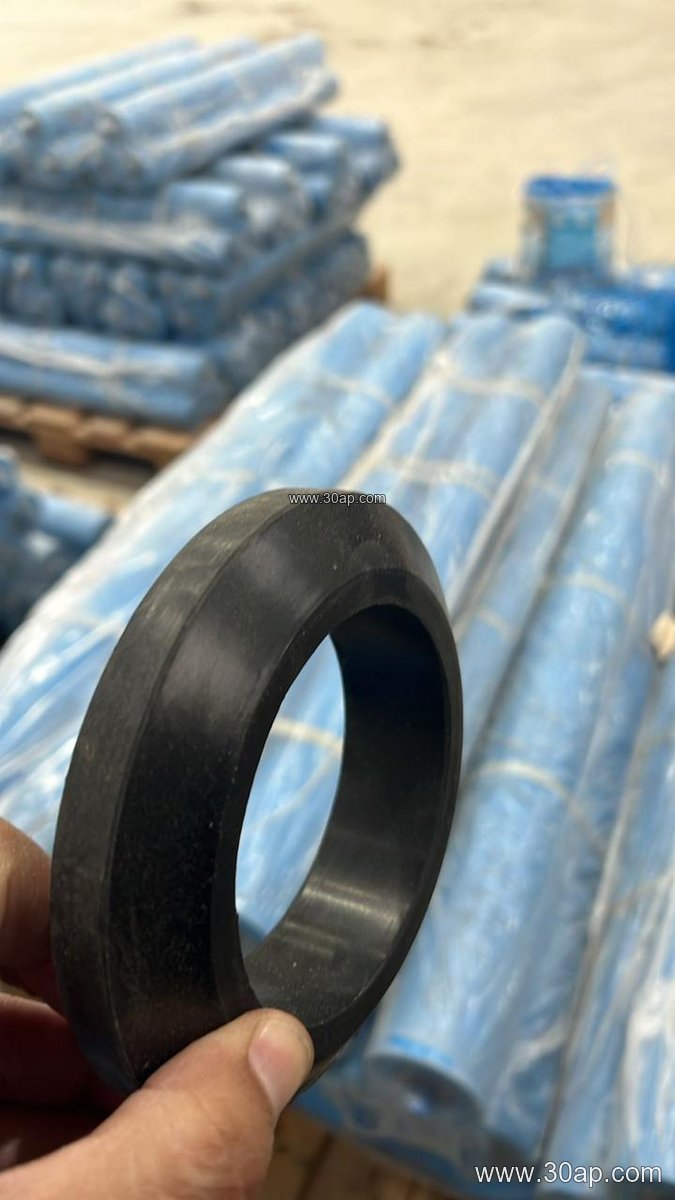
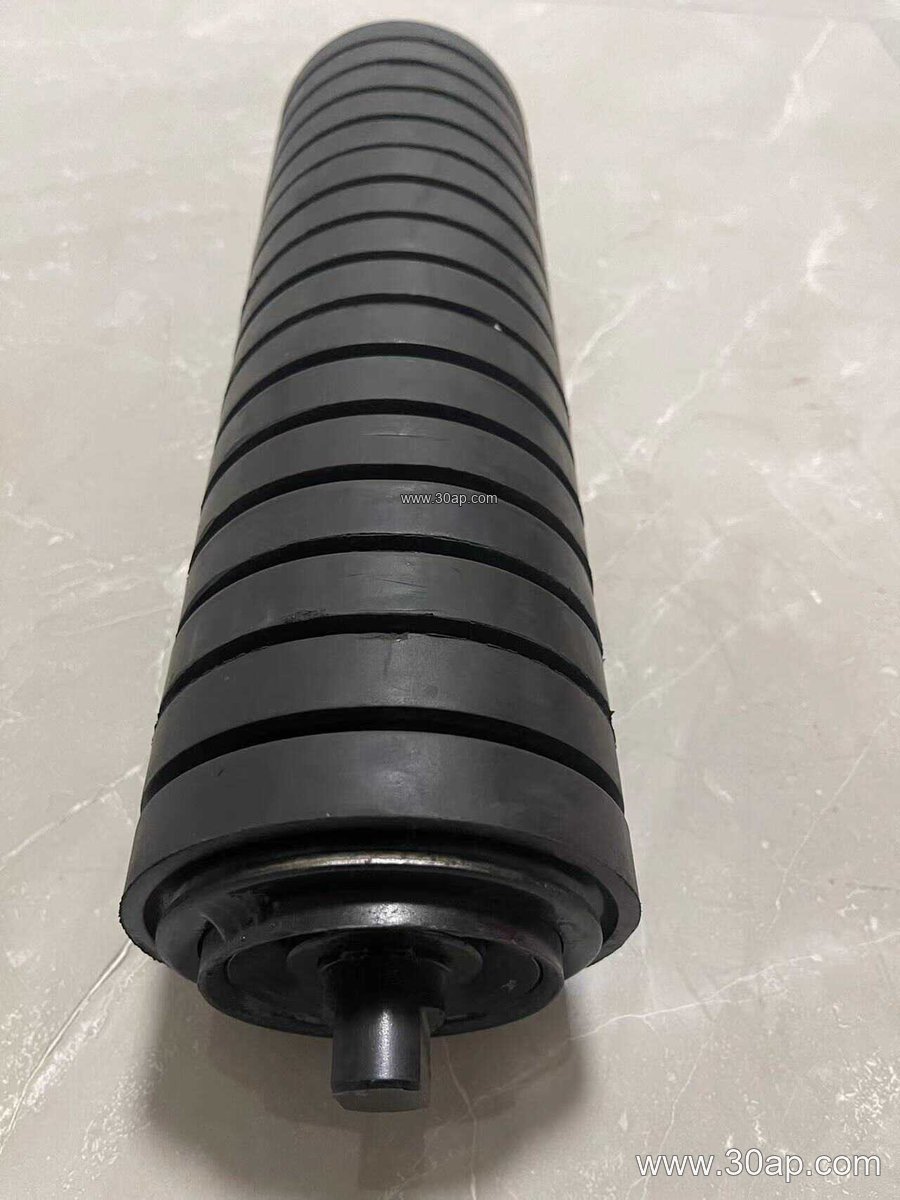
Most side guide idlers use a steel tube shell with sealed bearings, a fixed shaft, and a bracket that bolts to the conveyor frame. Because they sit close to the belt edge, they are usually smaller in diameter than carrying idlers. Common shell diameters for this duty are Ø63, Ø76, Ø89, and Ø102 mm, with larger sizes such as Ø108 or Ø127 mm used where the belt is wide and the side load is higher. The roller face may be plain steel, nylon, or covered with a rubber ring to avoid marking the belt edge.
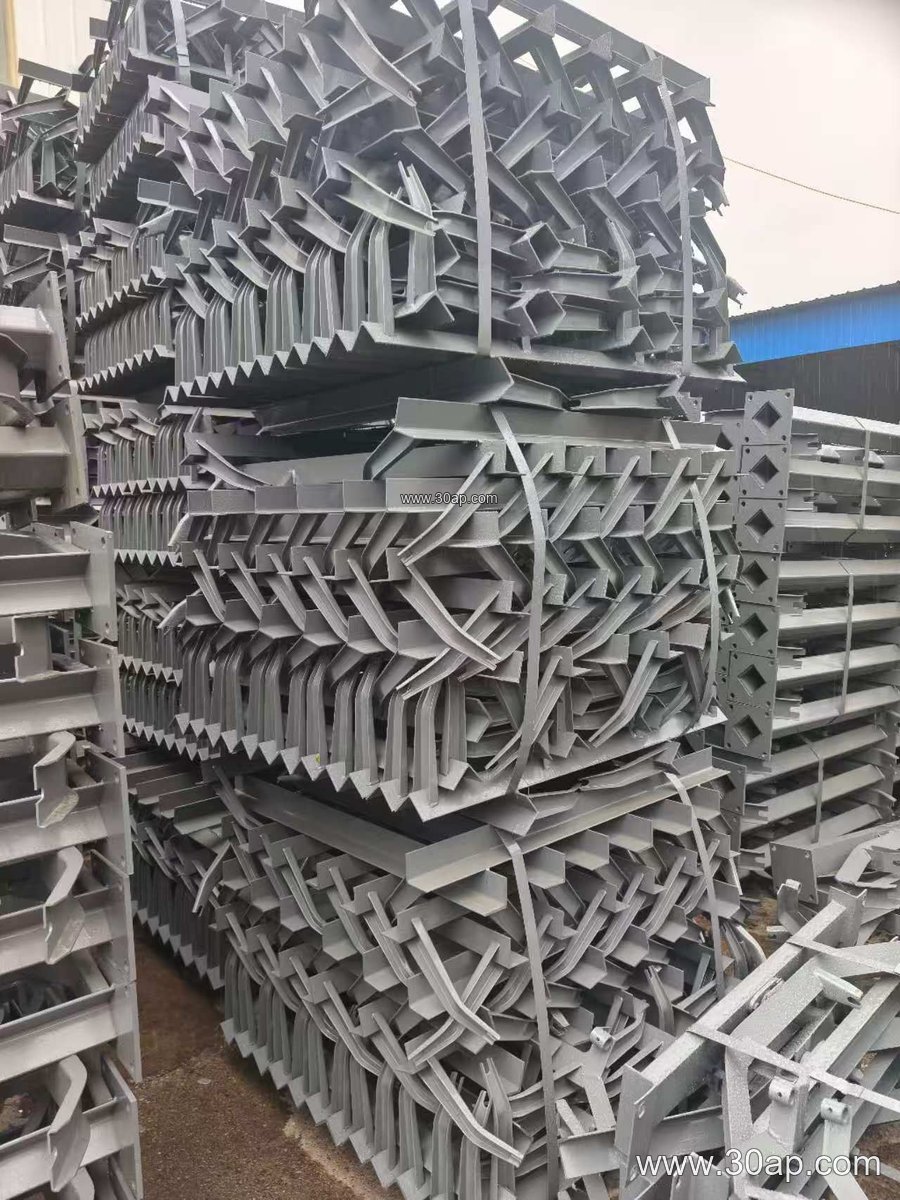
Bearing selection follows the shaft and load rather than a single fixed rule. Bearings such as 6204, 6205, 6305, and 6306 appear in many guide roller designs, and the housing is normally greased for life or fitted with a lubrication point depending on the environment.
Typical reference dimensions
The table below gives common reference values only. Actual roller length, shaft size, and mounting height should be confirmed against the conveyor drawing, because belt width, trough angle, and bracket position all affect the fit.
- Belt width B500 to B800: guide roller diameter often Ø63 to Ø89 mm
- Belt width B1000 to B1400: guide roller diameter often Ø89 to Ø108 mm
- Belt width B1600 to B2400: guide roller diameter often Ø108 to Ø127 mm
- Roller length: usually 150 to 300 mm, set by bracket design
- Mounting: bolted to the conveyor bracket or frame side plate
Where Side Guide Idlers Are Used
These rollers appear wherever belt edge control matters. In a limestone quarry or sand and gravel plant, they are placed just after the loading point and before the head pulley to correct minor misalignment. In a cement plant or power plant coal handling system, they help a fabric core conveyor belt stay on the frame through curves and transitions. They are also common on pipe conveyor belt installations at the pocket opening, and on corrugated sidewall conveyor belt systems where the cleat edge must not rub the structure.
On a heavy-duty mining conveyor belt using steel cord conveyor belt construction, side guide idlers are usually installed in pairs, one on each side, with a small clearance to the belt edge. The same applies to an abrasion resistant conveyor belt handling ore, where edge wear is a major cause of premature belt replacement. Heat resistant conveyor belt and flame retardant conveyor belt users should check that the guide roller covering can tolerate the local temperature and that the bracket does not trap fines.
Selection Points for Buyers
Start with the belt width and the available space between the belt edge and the frame. A side guide idler that is too large will not fit; one that is too small may not resist side load. Confirm the shaft diameter, bracket hole spacing, and whether the roller is fixed or adjustable. For dusty sites such as a crusher conveyor belt discharge or a sinter plant, sealed bearings and a protective cap are worth specifying. For food grade conveyor belt or cold resistant conveyor belt applications, check the roller covering material and the lubricant.
Do not assume that one belt width matches one pulley diameter or one shaft size. Belt tracking is a system issue, and the side guide idler works with the idler roller set, the conveyor pulley alignment, and the conveyor bracket condition. Matching the guide roller to the actual frame and belt edge clearance is more important than copying a size from another line.
Installation and Maintenance Notes
Mount side guide idlers square to the belt path and set the clearance evenly on both sides. After installation, run the belt empty and watch the edge for rubbing. A guide roller that spins freely but sits too close will still damage the belt. During routine inspection, check for seized bearings, flat spots, and loose brackets. Replacing a worn guide roller early is cheaper than repairing a damaged edge on an EP conveyor belt or NN conveyor belt.