What an Extra-Wide Conveyor Belt Is
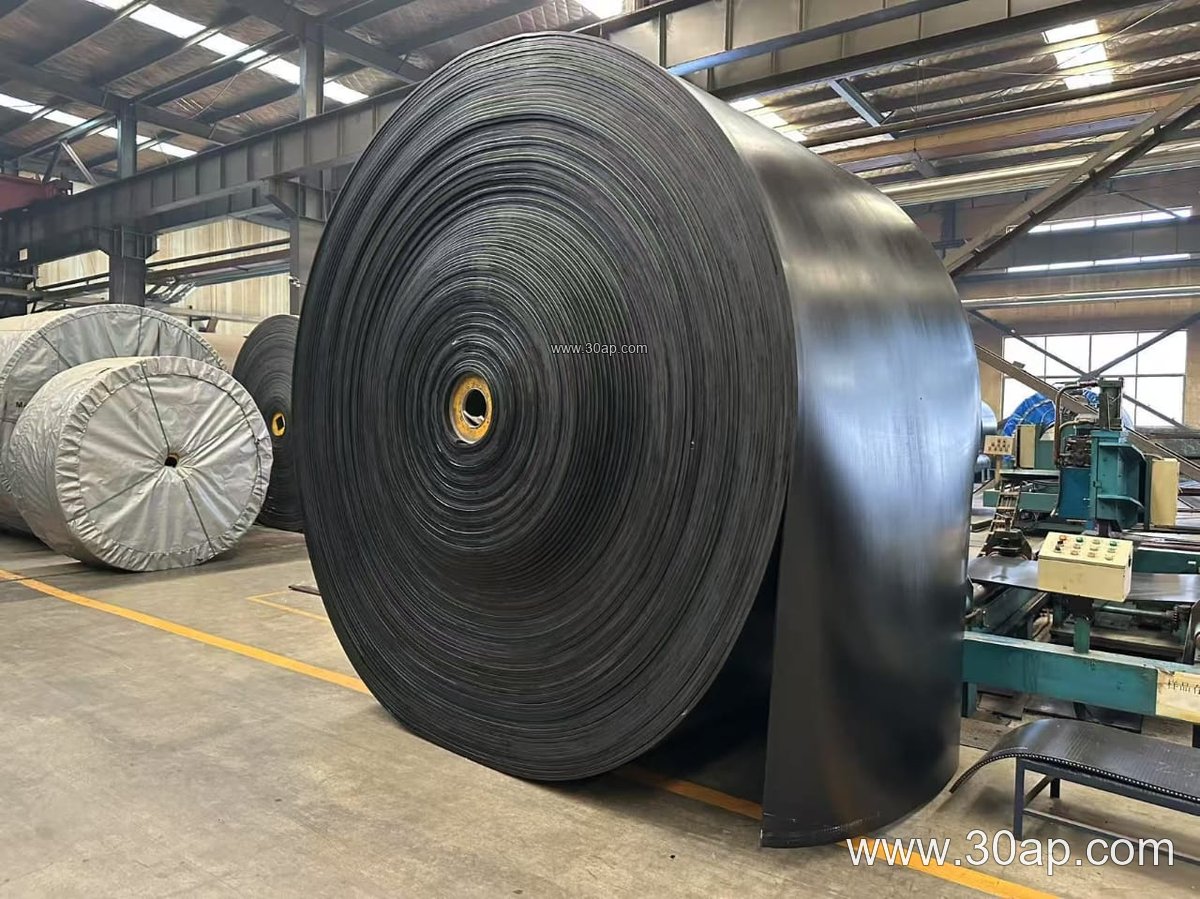
An extra-wide conveyor belt is a heavy-duty belting product built with a large cross-sectional width, typically used where a single conveyor line must move very high tonnages of bulk material without excessive belt speed. In practice, the term describes belts in the upper width range, such as 1800mm, 2000mm, 2200mm and 2400mm wide conveyor belts, as well as special constructions beyond those figures. The wider the belt, the more material each meter of travel can carry, which makes this class of belting attractive in mines, coal preparation plants, cement works, power stations, ports and large sand and gravel yards.
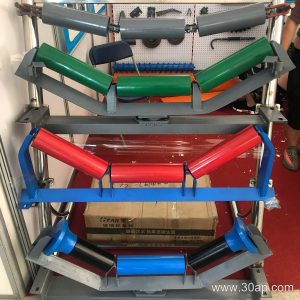
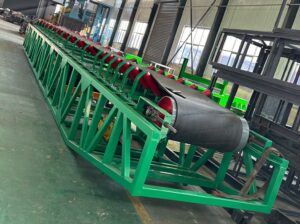
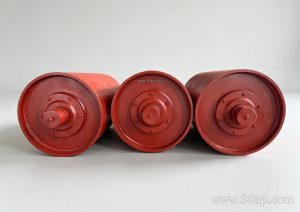
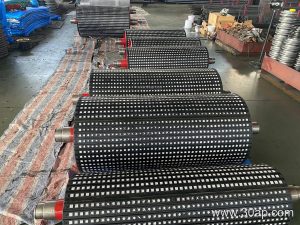
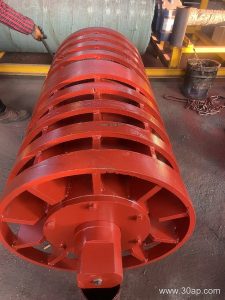
Because a wide belt behaves differently from a narrow one, its design is not simply a scaled-up version of a standard belt. The carcass must resist transverse rigidity problems, the splice must carry high tension across a long joint, and the conveyor structure, including the idler roller frames and conveyor pulley assemblies, has to be dimensioned accordingly.
Construction and Common Configurations
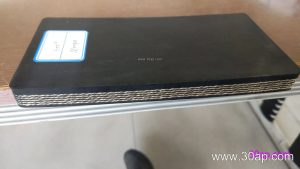
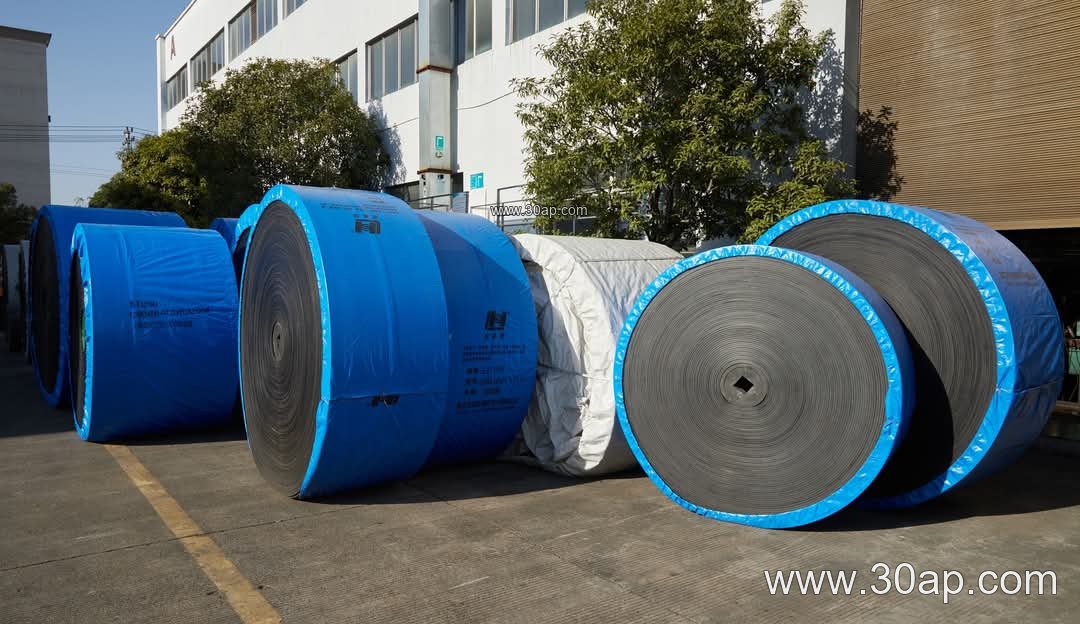
Most extra-wide belts use a fabric core or steel cord carcass. Fabric constructions include EP conveyor belt and NN conveyor belt grades, with multi-ply fabric core designs common in general bulk handling. Steel cord conveyor belt types are chosen when tension and tonnage are very high. A typical specification table for reference purposes might look like this:
| Parameter | Common Reference Values |
|---|---|
| Belt width | 1800mm, 2000mm, 2200mm, 2400mm |
| Fabric carcass | EP200 to EP2000; NN100 to NN400 |
| Steel cord strength | ST1000 to ST3150 |
| Cover thickness | 4+2, 5+2, 6+2, 8+3 mm |
| Ply count | 2 to 6 layers, by design |
| Surface forms | Smooth, chevron, corrugated sidewall, skirted |
Surface options matter for wide belts. A chevron conveyor belt can help hold material on an incline, while a corrugated sidewall conveyor belt adds cleats and side walls to contain the load. A skirted conveyor belt is another way to keep bulk material centered on a very wide carrying surface. Heat resistant conveyor belt, oil resistant conveyor belt and abrasion resistant conveyor belt covers are selected according to the cargo and the environment.
Where Extra-Wide Belting Fits
The main users are operations that need high throughput with fewer transfer points. In a coal mining conveyor belt system, a wide flame retardant conveyor belt may run from the mine to the preparation plant. In a cement plant conveyor belt line, a heat resistant conveyor belt can carry clinker while a standard EP rubber conveyor belt handles limestone. Quarry conveyor belt and aggregate conveyor belt circuits benefit from wide belting because a single 2000mm or 2400mm line can replace several narrower lines, reducing the number of drives, conveyor pulley units and transfer towers.
Port conveyor belt and ship loading conveyor belt installations also use extra-wide belts for fast loading of iron ore, copper ore and other bulk cargoes. In power plants, a wide belt may feed coal from stockyard to boiler house, often combined with anti-static conveyor belt properties where dust control is important.
Selection Points for Buyers
- Confirm the actual duty: tonnage per hour, lump size, incline and loading method all influence the required width and carcass grade.
- Match the cover compound to the cargo: abrasive rock, hot clinker, oily scrap or food-grade material each points to a different cover.
- Check the conveyor pulley and idler roller layout with the belt supplier, since a wider belt increases loads on frames and brackets. The belt width does not dictate one fixed pulley diameter; the pulley is sized from tension and shaft load calculations.
- Plan the splice. A wide belt needs a long, well-controlled joint, and an endless conveyor belt made at the factory can be preferable for critical lines.
- Allow for tracking. Wide belts are less forgiving of misalignment, so conveyor bracket alignment and roller spacing deserve attention during installation.
Handling and Maintenance Notes
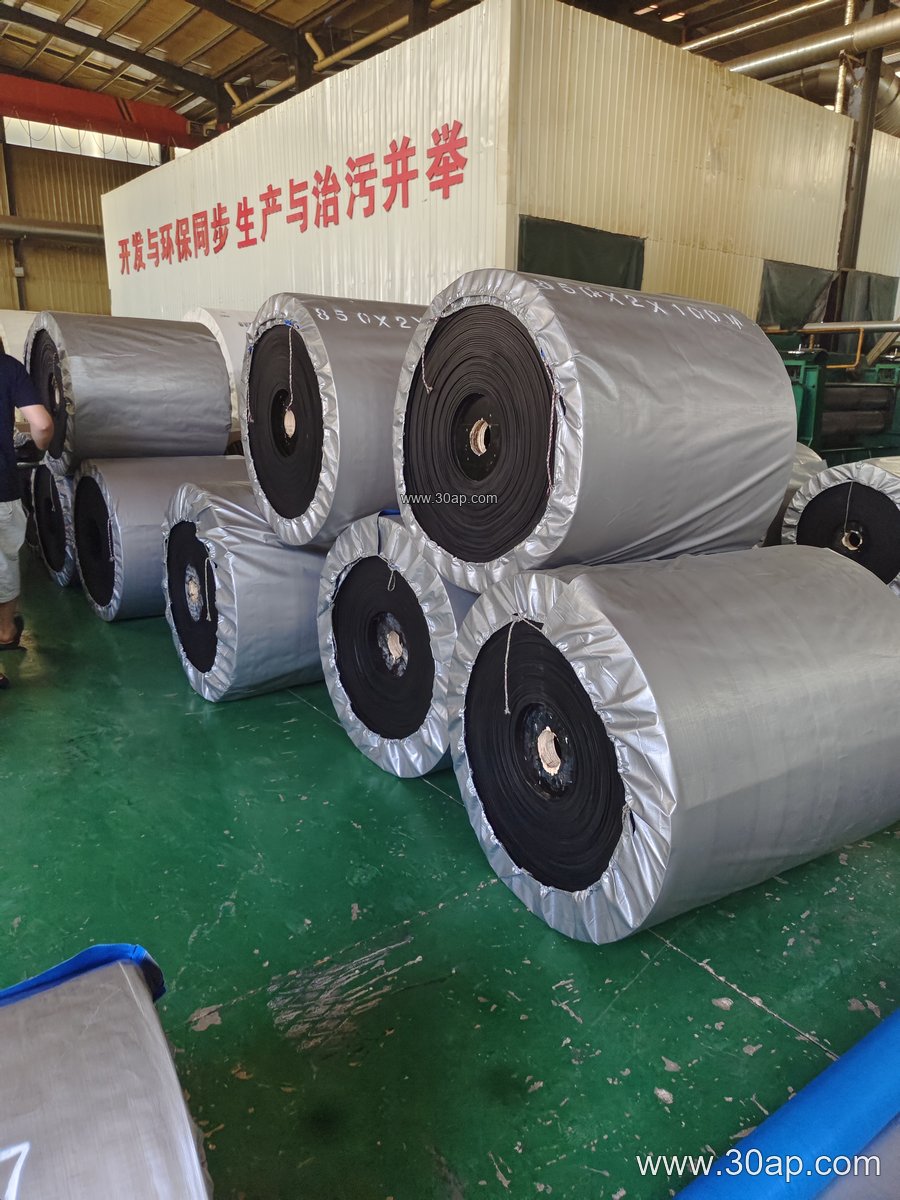
Storage, lifting and installation of an extra-wide belt require proper spreader bars and trained crews; twisting or dragging a wide roll can damage the carcass. During operation, regular inspection of idler roller rotation, pulley lagging and belt edge condition helps prevent edge damage from spreading inward. For high-abrasion duty, a high abrasion resistant conveyor belt cover usually extends service life, while cold resistant conveyor belt grades are chosen for winter operation in northern mines and ports.
Buyers should ask for the manufacturer’s actual data sheet rather than relying on generic figures. Widths, strength grades and cover thicknesses vary between suppliers, and the right combination is always the one confirmed for the specific conveyor design.