What a Power Plant Conveyor Belt Does
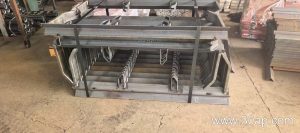
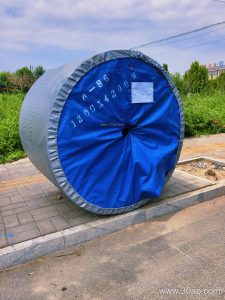
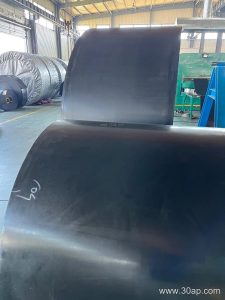
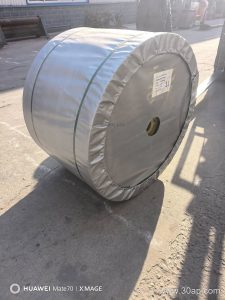
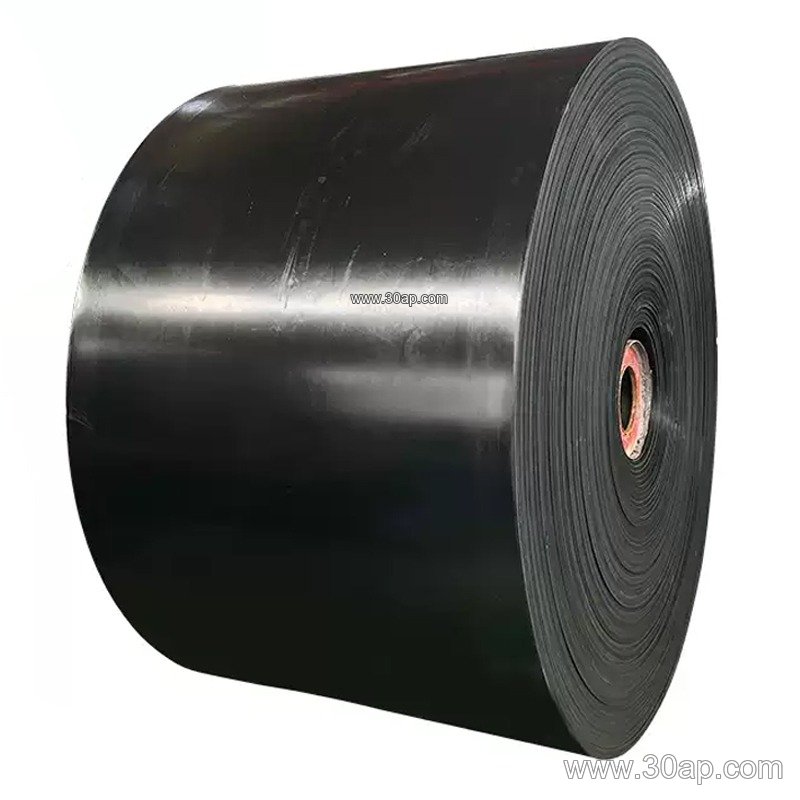
A power plant conveyor belt is the continuous carrying surface that moves coal, biomass, limestone, ash and other bulk fuels or additives between unloading points, stockpiles, bunkers and boilers. In a coal-fired station the belt line may run from the rail or ship unloader through crushing and screening houses to the boiler bunkers, and a second system often handles bottom ash or gypsum. The belt works together with idler rollers, conveyor pulleys and conveyor brackets, but the belt itself is the component that carries the load and absorbs most of the wear.
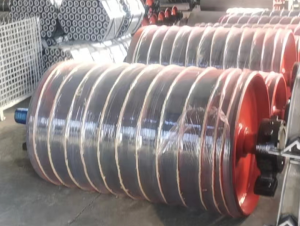
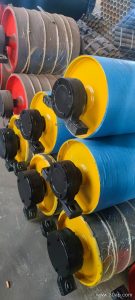
A power plant conveyor belt is also called a fossil fuel power station conveyor belt or a utility bulk handling conveyor belt. These are accurate equivalent names for the same product. Drive pulleys, tail pulleys and bend pulleys are separate components with separate duties and are not interchangeable with each other or with the belt.
Construction of the Belt
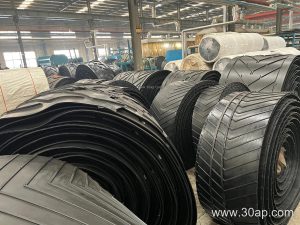
Most utility belts are fabric core or steel cord structures. A fabric core conveyor belt uses multiple plies of EP or NN fabric, protected by top and bottom rubber covers. A steel cord conveyor belt uses a single layer of galvanized steel cables for very long runs and high tension. Cover compounds are chosen for the cargo: coal usually calls for flame retardant and anti-static grades, limestone and clinker call for abrasion resistant rubber, and hot ash or preheated coal may need a heat resistant conveyor belt.
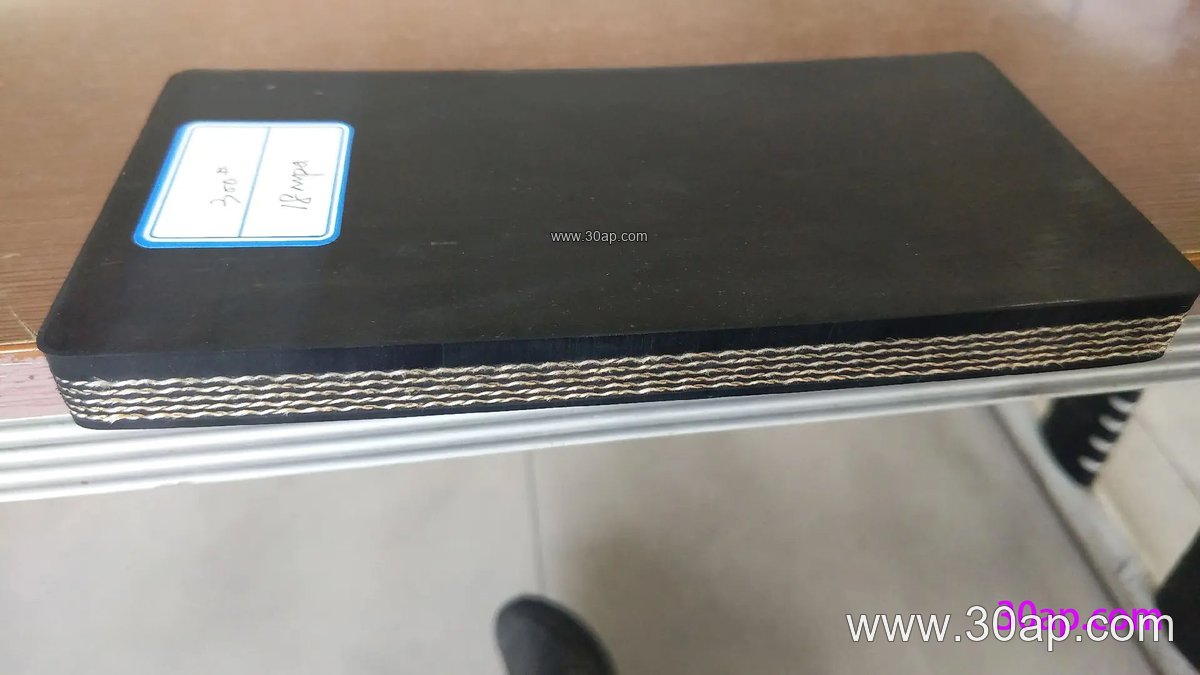
Common cover combinations include 3+1.5 mm, 4+2 mm, 5+2 mm, 6+2 mm and 8+3 mm, where the first figure is the top cover and the second is the bottom cover. Carcass plies usually range from two to six layers in fabric belts. These values are typical reference data; the final specification is set by the conveyor designer for each duty.
Typical Specifications
The table below shows reference grades and widths that appear in power plant and coal handling projects. It is a guide to the range of options, not a fixed catalogue or a supply promise.
Fabric Core Grades
- EP200, EP315, EP400, EP500
- EP630, EP800, EP1000
- EP1250, EP1600, EP2000
- NN100, NN200, NN300, NN400
Steel Cord Grades
- ST1000, ST1250, ST1600
- ST2000, ST2500, ST3150
Belt Widths
- B500, B650, B800
- B1000, B1200, B1400
- B1600, B1800, B2000
Width and strength are selected together with the pulley diameters and shaft sizes by the conveyor engineer. A given belt width does not dictate one pulley diameter, and shaft diameter is calculated from the actual load case rather than from width alone.
Working Conditions in a Power Station
Coal handling conveys abrasive fuel that may be wet, dusty or frozen. The belt must resist cutting and gouging at transfer points, where impact resistant conveyor belt grades and impact idler rollers help. Spillage control often uses a skirted conveyor belt or a corrugated sidewall conveyor belt on steep inclines. Enclosed routes may use a pipe conveyor belt to keep dust inside the tube.
Safety grades matter underground and in enclosed galleries. A mining flame retardant conveyor belt and an anti-static conveyor belt reduce ignition risk from friction or static. Where coal is imported and stored wet, a cold resistant conveyor belt may be needed in winter. Limestone and gypsum lines usually run an abrasion resistant conveyor belt with a heavier top cover.
Buyer Checklist
- Confirm the cargo, lump size, moisture and temperature range before choosing the cover compound.
- State the required tensile grade, such as EP1000 or ST1600, and the number of plies for fabric belts.
- Give the belt width and the center distance so the supplier can check tension and elongation.
- Specify flame retardant, anti-static or fire resistant performance where the gallery or tunnel requires it.
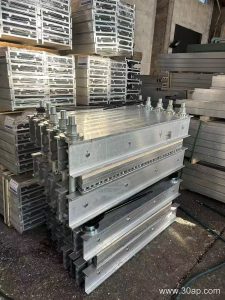
- Ask for the splice method, since an endless conveyor belt made at the factory differs from a belt joined on site.
- Check that idler roller spacing, conveyor pulley diameters and conveyor bracket dimensions match the belt thickness.
Well-matched components extend service life. A heavy-duty conveyor belt running over correctly aligned pulleys and free-turning idlers wears more evenly than one that is misaligned or overloaded. For utility operators, the goal is a stable belt line that keeps fuel flowing to the boiler with predictable maintenance intervals.