What Is a Parallel Idler Bracket?
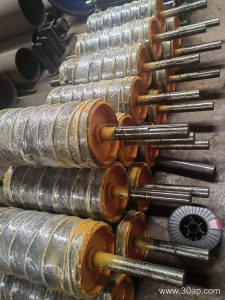
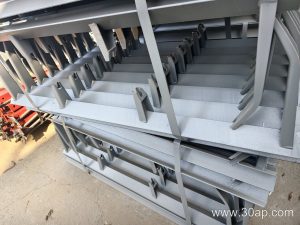
A parallel idler bracket is a mounting component that holds conveyor idler rollers in a parallel orientation relative to the belt path. Unlike angled or V-shaped brackets, this bracket keeps the idler axis parallel to the belt surface, making it suitable for flat return runs and specific load-carrying positions. In a conveyor structure, the bracket serves as the interface between the idler roller and the conveyor frame, ensuring stable roller placement and consistent belt support. Sometimes called a flat idler bracket or parallel roller bracket, this component is distinct from troughing brackets, transition brackets, and V-return brackets, each of which serves a different function in the conveyor line.
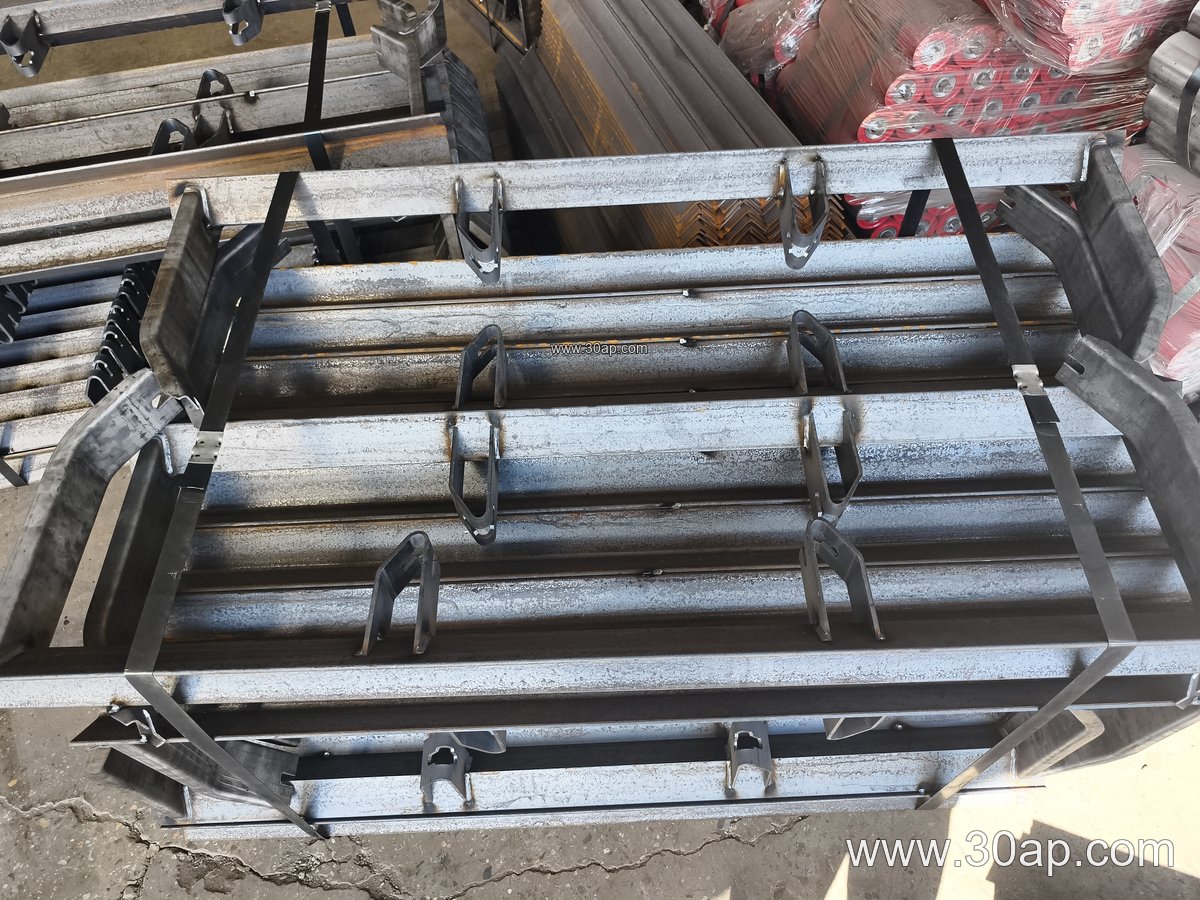
Construction and Design Features
Parallel idler brackets are typically fabricated from angle steel, channel steel, or bent steel plate. The choice of material and thickness depends on the load requirements and the belt width. The bracket usually includes slots or holes for mounting to the conveyor frame, and may have adjustable features to accommodate different idler roller diameters or minor alignment corrections. Common designs allow for easy installation and replacement of idler rollers without dismantling the entire conveyor frame. The bracket must be robust enough to withstand the weight of the belt and material, as well as the dynamic forces during operation. In dusty or wet environments, such as coal mining or cement plants, corrosion resistance and proper drainage may be considered in the bracket design.
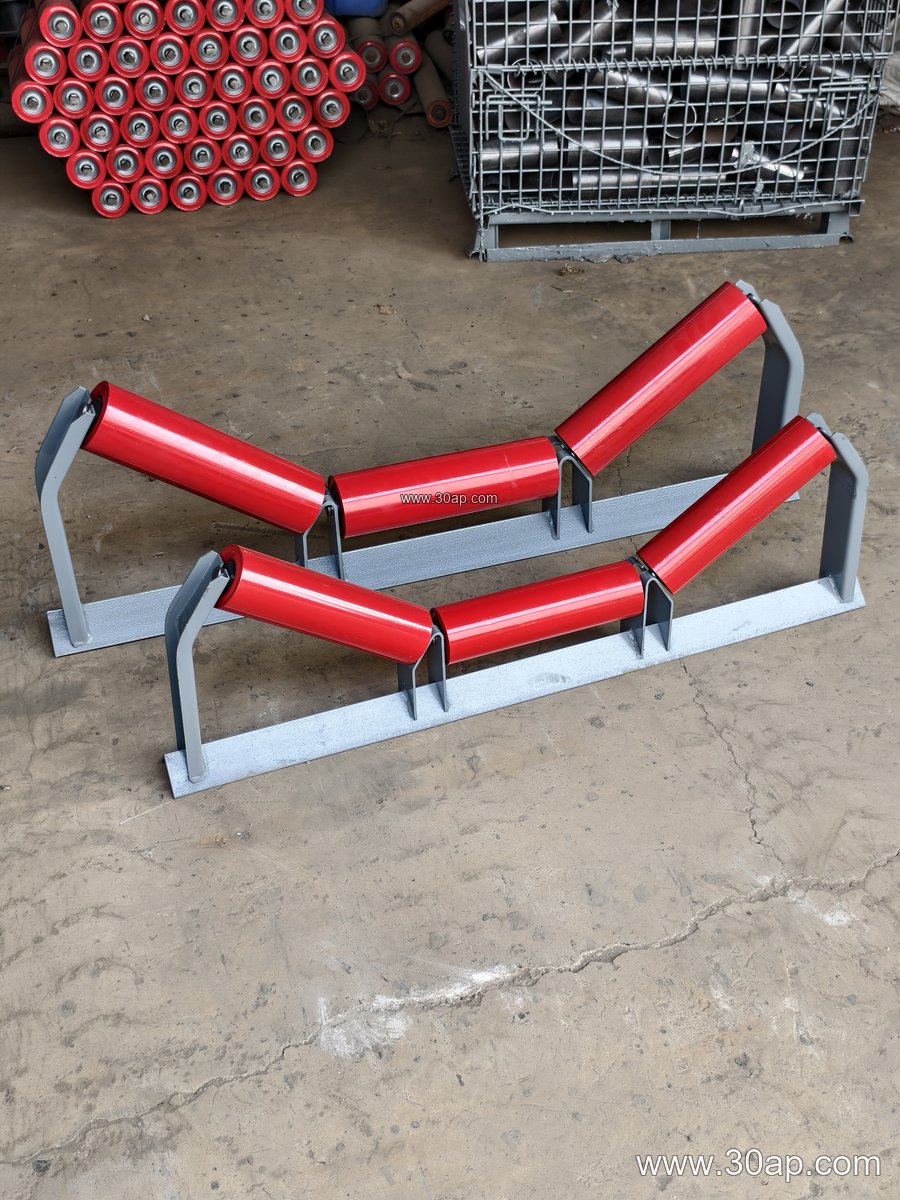
Where It Is Used
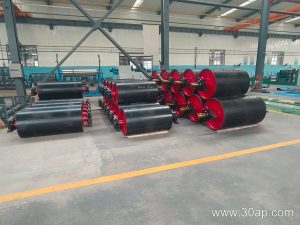
Parallel idler brackets are commonly found in the return run of a conveyor, where the belt needs flat support. They are also used in load-carrying sections when a flat belt profile is required, such as in certain bulk material handling applications. Industries such as quarrying, iron ore mining, and power plant coal handling rely on these brackets to maintain proper belt tension and alignment. In a sand and gravel line or a crushing and screening plant, parallel brackets help keep the return belt stable and reduce sag. They are also used in port conveyor systems and steel plant sinter lines where flat idler configurations are specified. While troughing brackets are used for carrying the load in a trough shape, parallel brackets serve flat belt sections and return strands, and they are not interchangeable with drive pulley or tail pulley assemblies.
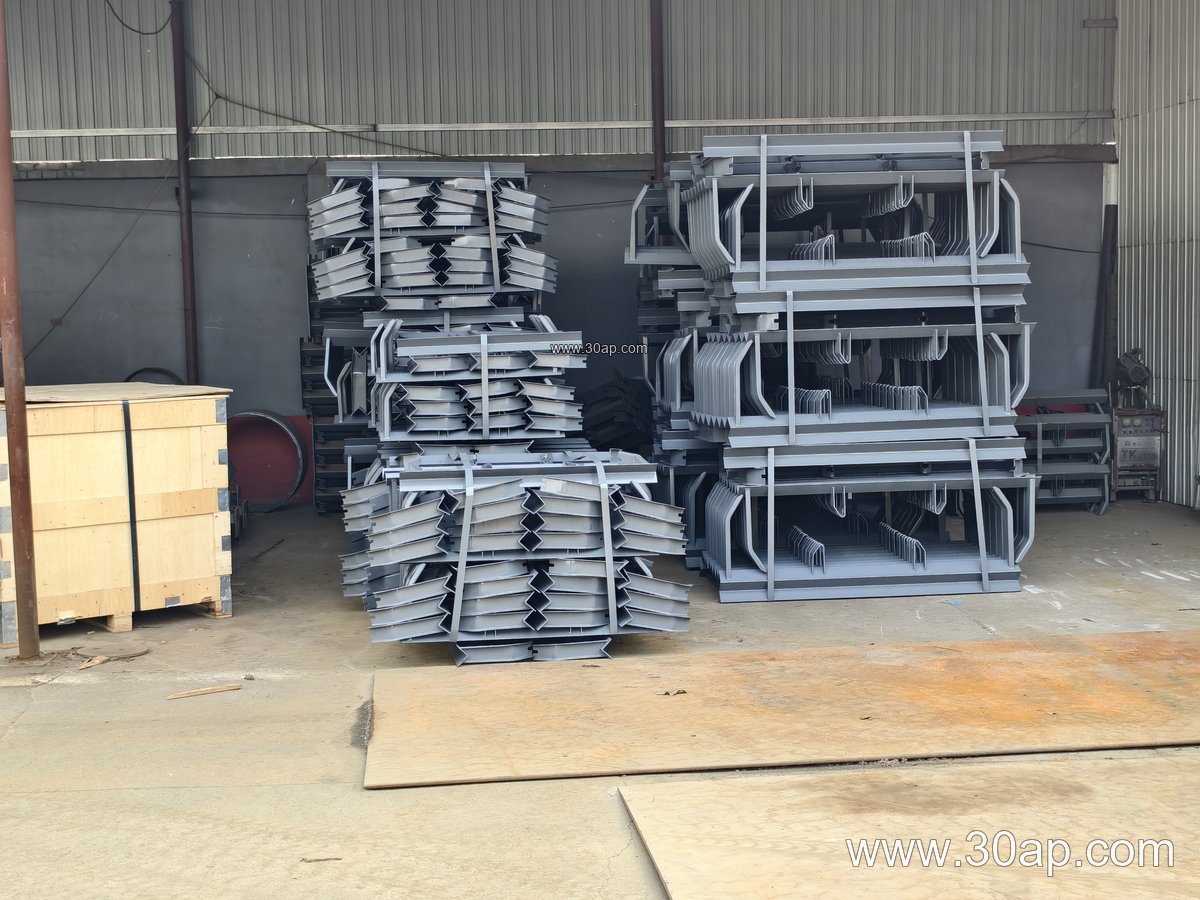
Selection and Compatibility
When selecting a parallel idler bracket, consider the belt width, idler roller diameter, and the required mounting hole spacing. Common belt widths include B500, B650, B800, B1000, B1200, B1400, B1600, B1800, B2000, B2200. Idler roller diameters often range from Ø89 to Ø194, and the bracket must match the roller shaft size and bearing type. The bracket’s trough angle is typically 0 degrees for parallel applications, but adjustable brackets may allow transitions between 20, 30, 35, or 45 degrees when needed for other idler positions. However, for true parallel support, the angle remains flat. Installation hole spacing and crossbeam length vary with belt width and design; these are determined by the conveyor manufacturer and should not be assumed as fixed values. Buyers should verify compatibility with their conveyor frame and idler roller specifications, and consider factors such as material of construction, finish, and load rating. For heavy-duty mining conveyor belts or abrasive ore conveyor belts, brackets with reinforced construction may be advisable.
Maintenance and Practical Notes
Regular inspection of parallel idler brackets helps prevent belt misalignment and premature wear. Check for loose bolts, corrosion, or deformation, especially in high-vibration areas. Lubrication is generally not required for the bracket itself, but idler roller bearings should be maintained according to the roller manufacturer’s instructions. When replacing idler rollers, ensure the bracket is clean and free of debris to allow proper seating. In applications involving heat resistant conveyor belts or oil resistant conveyor belts, ensure that the bracket material and any coatings are compatible with the environment. Properly installed parallel brackets contribute to smooth belt operation and extended service life of the conveyor system.