What a Five-Roll Idler Bracket Does
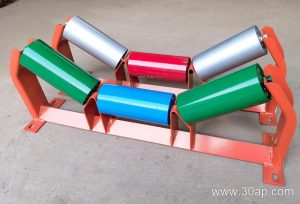
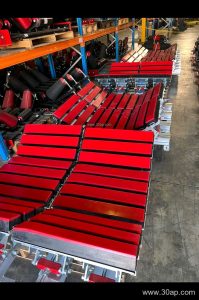
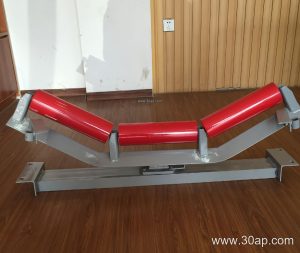
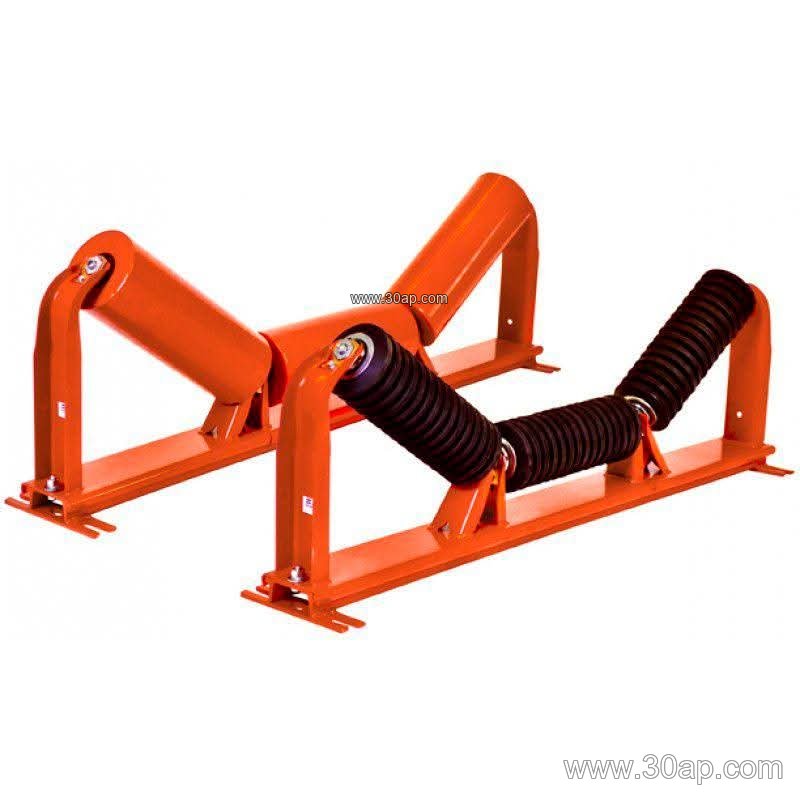
A five-roll idler bracket is a support frame that carries five idler rollers under the belt line. Its job is to hold the rollers at the correct angles so the conveyor belt forms a deep trough, keeps material centered, and runs smoothly. This bracket is common in bulk handling where belt widths are large and loads are heavy, such as in a quarry, a cement plant, or a power plant coal yard. The five-roll arrangement usually means two side rollers on each side and one center roller, giving a larger contact area than a three-roll set.
How the Bracket Is Built
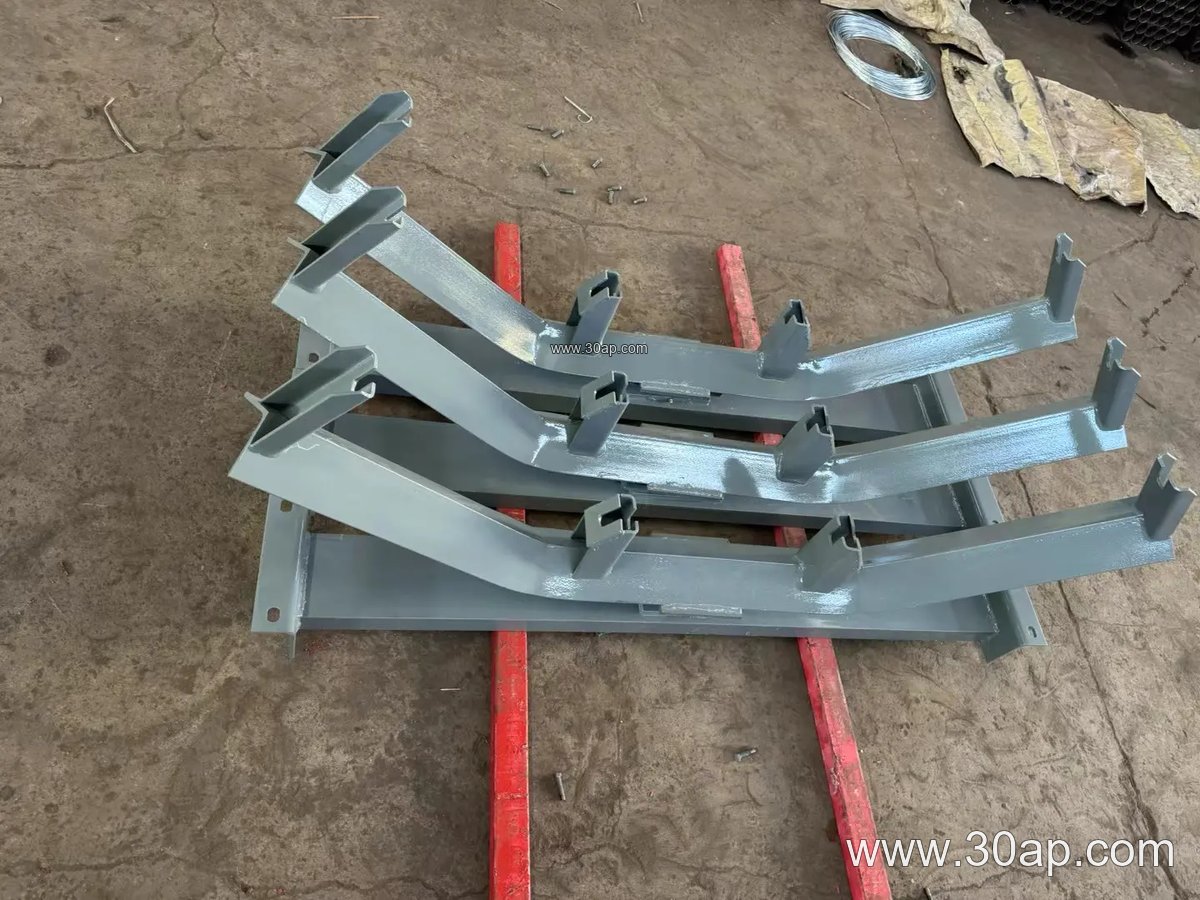
Most five-roll idler brackets are made from angle steel, channel steel, or folded steel plate. The frame has mounting slots or holes for each idler roller, and the side positions are often fixed at a specific trough angle. Some designs are adjustable, allowing the operator to change the trough angle within a range. The bracket attaches to the conveyor stringer, and its dimensions depend on belt width and the required trough angle. Common belt widths for this type include B800, B1000, B1200, B1400, and B1600, though wider belts like B1800 or B2000 may also use five-roll brackets in special designs. Roller diameters such as Ø108, Ø133, and Ø159 are typical, but the exact match depends on the load and belt speed.
Where It Fits in the Conveyor
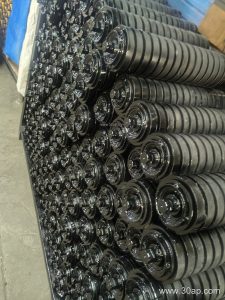
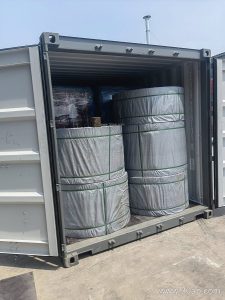
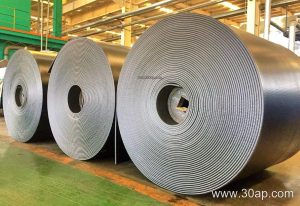
The five-roll idler bracket is usually installed on the carrying side, especially where the belt needs a deep trough to prevent spillage. It is not the same as a return bracket or a transition bracket; those serve different positions and functions. In a coal mining conveyor or a limestone crushing line, the five-roll bracket helps keep the belt stable when handling lumpy or heavy material. It works together with the conveyor belt, idler roller, and conveyor pulley to maintain tension and alignment. For example, a flame retardant conveyor belt used underground may be paired with five-roll brackets to reduce the risk of belt wander in tight spaces.
Applications and Industry Use
You will find five-roll idler brackets in cement plants, aggregate operations, iron ore handling, and port loading systems. They are also used in sand and gravel lines and in some fertilizer bulk handling. The bracket is particularly useful when the belt carries a wide load and the material is abrasive or heavy. In a copper ore conveyor, a five-roll bracket can help distribute the weight more evenly across the idlers, which may extend roller life. For a steel cord conveyor belt or a heavy-duty mining conveyor belt, the five-roll design provides extra support without needing a wider frame.
Key Points for Buyers
When selecting a five-roll idler bracket, confirm the belt width and the required trough angle. Common trough angles are 20, 30, 35, and 45 degrees. The bracket should match the idler roller diameter, often Ø89, Ø108, Ø133, Ø159, or Ø194, but there is no fixed rule that one belt width must use one roller diameter. Installation hole spacing and crossbeam length vary with belt width and trough angle, so always check the drawing. If the conveyor uses an EP conveyor belt or a multi-ply fabric core conveyor belt, the bracket should be chosen to suit the belt’s stiffness. For high-abrasion materials, an abrasion resistant conveyor belt may be used with a bracket that allows easy roller replacement. Adjustable brackets are helpful when the trough angle needs fine-tuning after installation. Fixed brackets are simpler and often more rigid. Neither is universally better; the choice depends on the conveyor design and maintenance plan.
Maintenance and Compatibility
Regular inspection of the five-roll idler bracket includes checking for loose bolts, bent frames, and worn mounting points. Because the bracket holds several rollers, a single misaligned roller can affect belt tracking. Keep the bracket clean and ensure that the idler rollers rotate freely. The bracket should be compatible with the conveyor pulley arrangement and the belt type. In a coal mining conveyor, a fire resistant conveyor belt may be required, and the bracket should not interfere with the belt’s edge or splice. For a pipe conveyor belt, a five-roll bracket is not typical; that system uses a different support structure. Always refer to the conveyor designer’s specifications for the correct bracket model and mounting dimensions.