What a Sand and Gravel Production Line Idler Does
A sand and gravel production line idler is the rotating support that carries the conveyor belt between the head and tail of the conveyor. On an aggregate conveyor belt, these idlers hold the belt in a stable trough, reduce sag between supports, and keep crushed stone, sand and screened material moving without spillage. Because the load is heavy and often abrasive, the idler is one of the parts that most directly affects belt life and daily uptime.
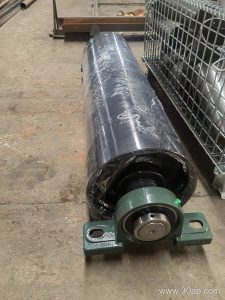
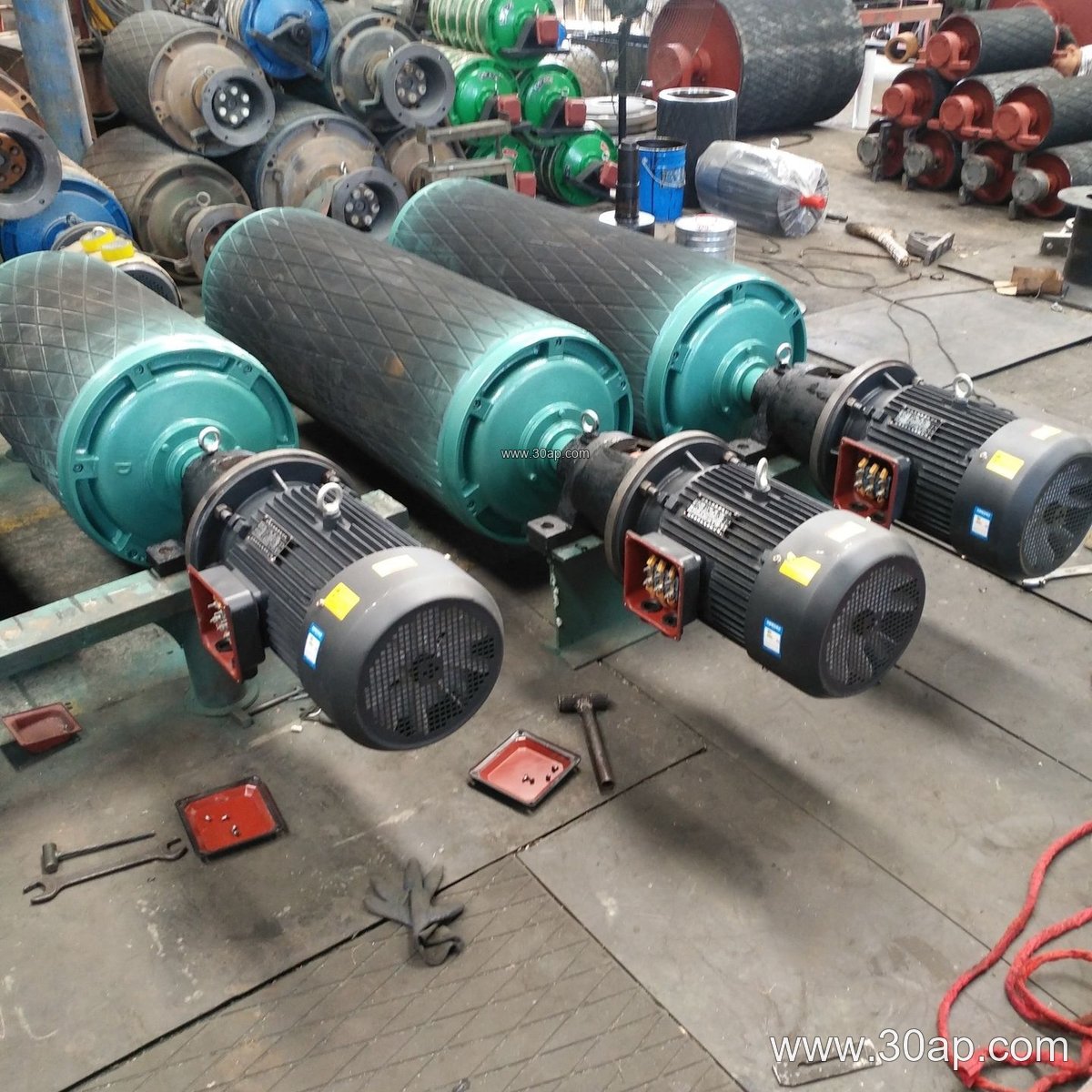
The product is usually described by its role on the conveyor: carrying idlers on the loaded side and return idlers underneath. A sand and gravel production line idler is not a conveyor pulley, and it is not a drive, tail or bend pulley. Those pulleys transmit power or change belt direction at the ends, while idlers support the belt along the run.
How the Idler Is Built
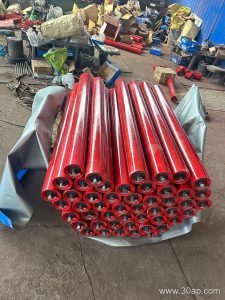
A typical idler roller consists of a steel tube shell, a shaft, bearing housings, bearings and a sealing arrangement. The shell may be plain steel, nylon-coated, ceramic-covered or fitted with rubber rings. Seals are critical in a quarry conveyor belt environment, where fine dust and water spray can enter the bearing if the labyrinth is weak.
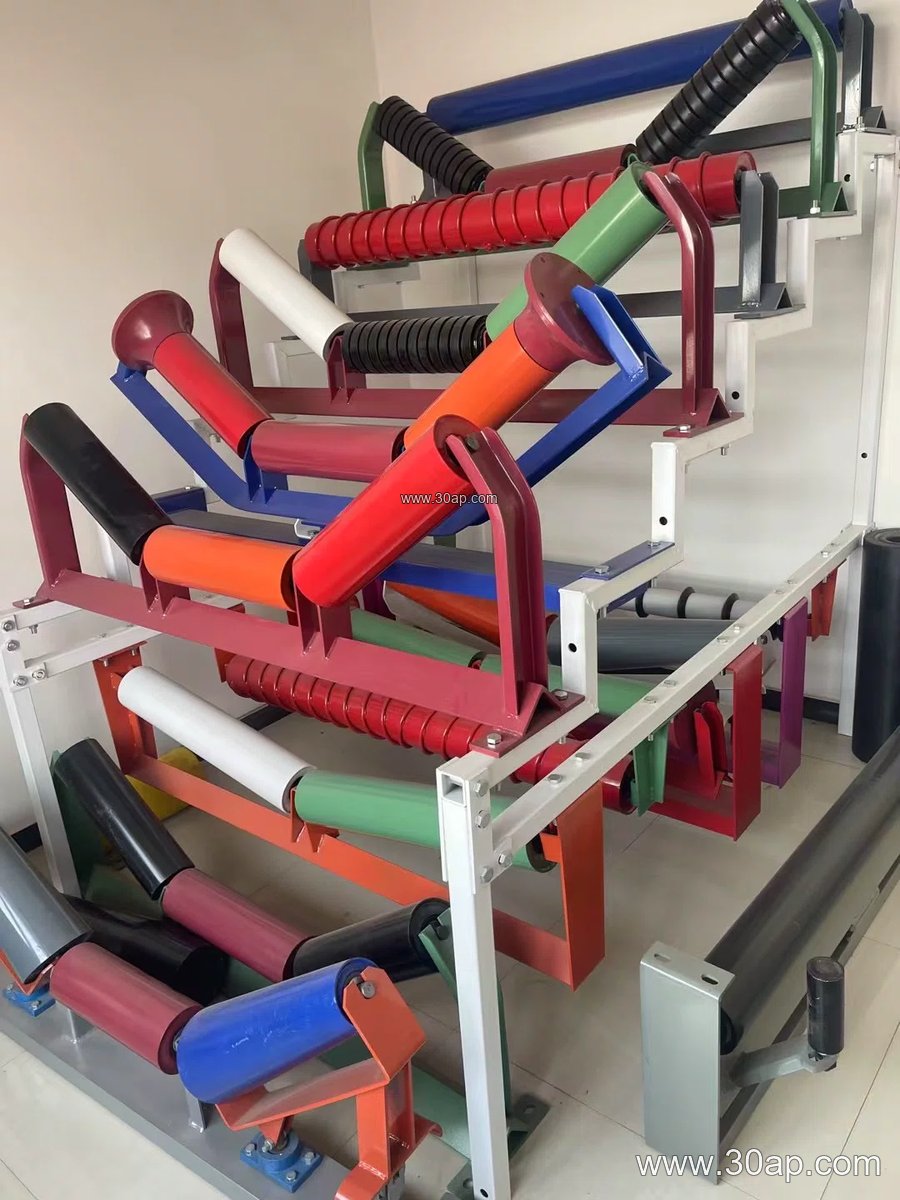
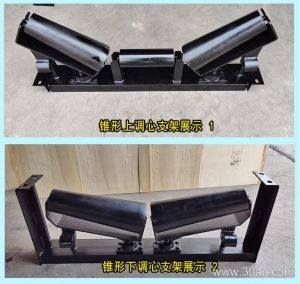
Common bearing sizes include 6204, 6205, 6305, 6306, 6308 and 6310. Bearing choice follows load, speed and expected service life rather than belt width alone. Roller diameters commonly range from Ø63 and Ø76 up to Ø108, Ø127, Ø133, Ø159 and larger sizes such as Ø178, Ø194 and Ø219 for heavy-duty stations. The conveyor bracket and frame must match the shaft end, so buyers should confirm mounting dimensions before ordering.
Where It Fits on the Line
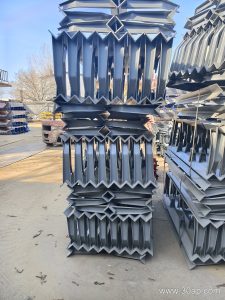
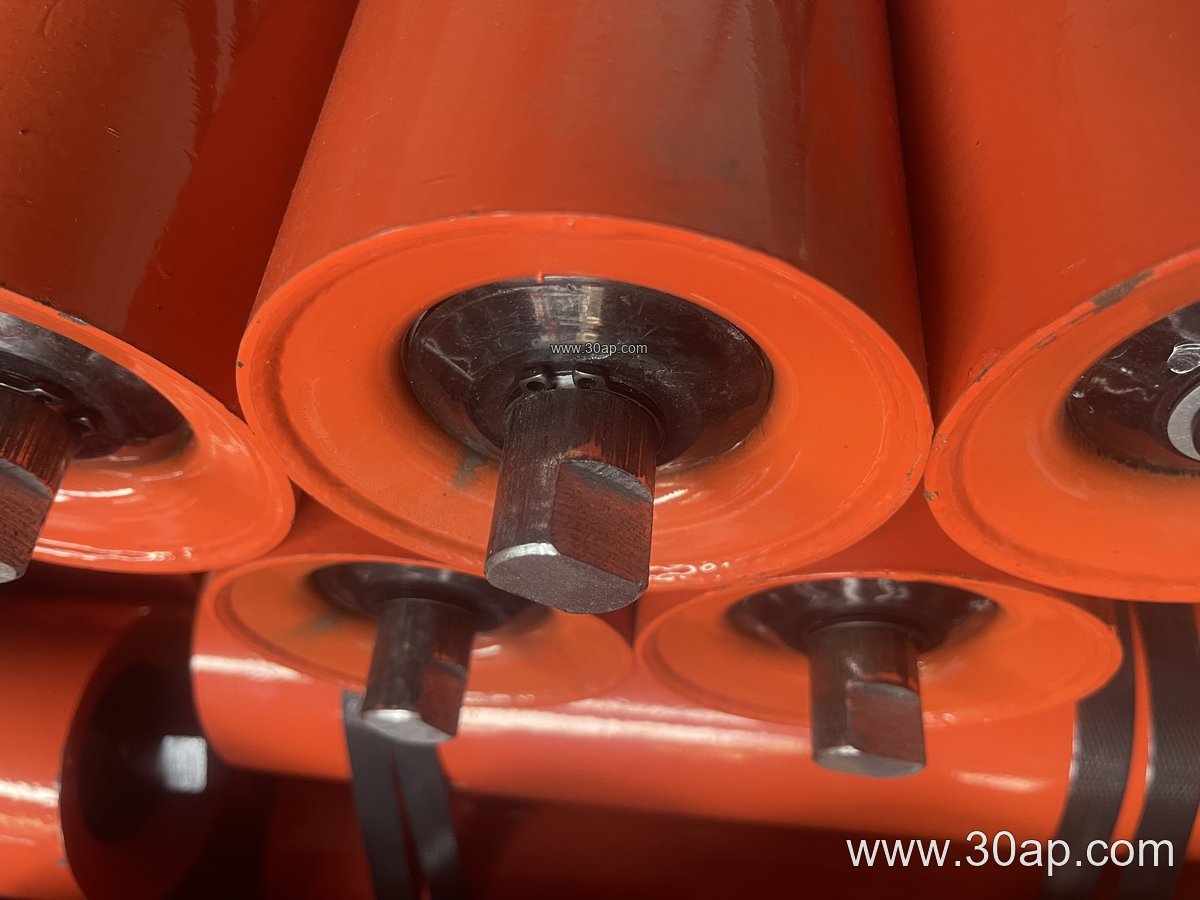
In a sand and gravel plant, idlers appear at the crusher discharge, on the screen feed belts, on transfer conveyors and on stockpile conveyors. Troughing idlers in two-roll or three-roll sets are common on the carrying side, while flat or V-return idlers support the empty belt. At loading points, impact idlers with rubber rings help absorb the drop of larger rock.
Similar idler arrangements are used in a limestone mine, an iron ore concentrator, a cement plant and a power plant coal yard. The working conditions differ, but the purpose is the same: keep the conveyor belt centred, reduce friction and protect the belt from sharp edges and material build-up.
Matching Width, Trough Angle and Roll Length
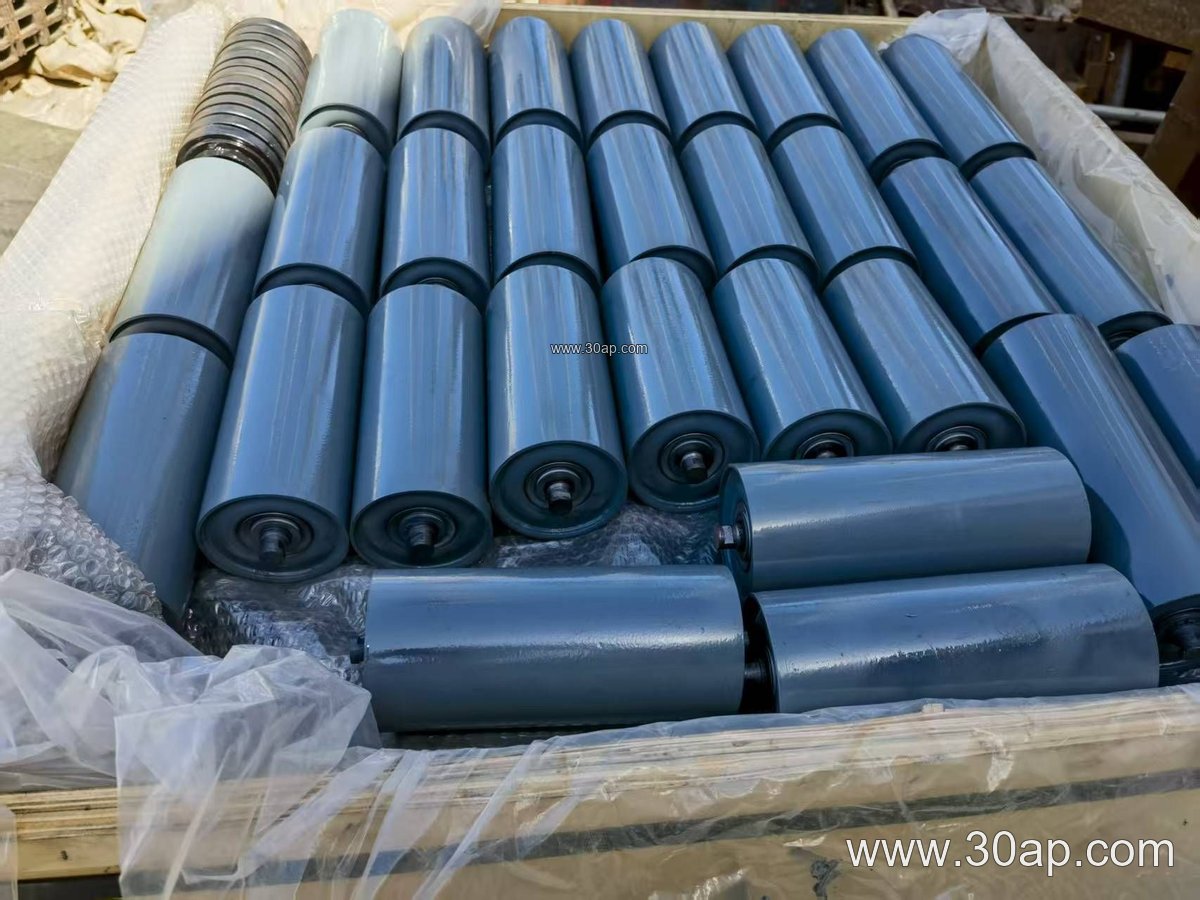
Belt width and trough angle determine the geometry of the idler set. Common belt widths include B500, B650, B800, B1000, B1200, B1400, B1600, B1800, B2000, B2200 and B2400. Trough angles are usually 20, 30, 35 or 45 degrees. A 35-degree three-roll set is widely used in aggregate plants, but the final choice depends on material, capacity and belt specification.
Roll length changes with belt width and idler arrangement. The following are common reference examples, not fixed combinations:
- B500 three-roll set: about 200 mm roll length
- B650 three-roll set: about 250 mm
- B800 three-roll set: about 315 mm
- B1000 three-roll set: about 380 mm
- B1200 three-roll set: about 465 mm
- B1400 three-roll set: about 530 mm
- B1600 three-roll set: about 600 mm
- B1800 three-roll set: about 670 mm
- B2000 three-roll set: about 750 mm
Side rolls and centre rolls can differ in length within the same set. A wider belt does not automatically dictate one shaft diameter, and one belt width does not lock the plant into one pulley diameter or one bearing size. These details should be confirmed from the conveyor drawing.
Buyer Checklist
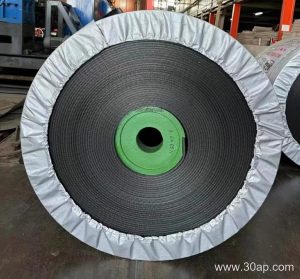
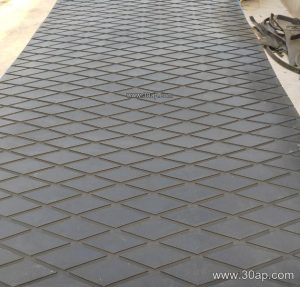
Before ordering a sand and gravel production line idler, record the belt width, trough angle, roll diameter, roll length, shaft end type, bearing size and mounting bracket. Check whether the application needs impact resistance, abrasion resistance or extra sealing. The belt itself matters too: an abrasion resistant conveyor belt or a heavy-duty mining conveyor belt may tolerate a different idler spacing than a lighter fabric core belt.
Ask for the actual drawing and dimensional tolerances, then compare them with the existing frame. Keep a small stock of the most used idlers so a seized roller does not stop the whole line. For related conveyor components, see the range at www.hnconveyorbelt.com and confirm each item against the conveyor data sheet.
Regular inspection of idler rotation, shell wear, seal condition and frame alignment will extend the life of the whole conveyor. A well-chosen idler does not need to be complicated; it needs to fit the belt, carry the load and keep dust out of the bearing.