What a Conveyor Bracket Really Does
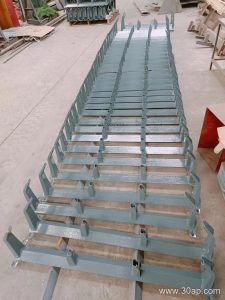
In a belt conveyor, the bracket is the steel interface between the idler roller and the conveyor frame. It sets the trough angle, holds the roller spacing, and carries the load path from the belt into the structure. Buyers who treat conveyor bracket procurement as a simple steel purchase often discover later that small differences in hole spacing, crossbeam length, or angle setting affect how the whole conveyor runs. A well-specified bracket keeps the belt centred, protects the idler roller from misalignment, and reduces spillage at transfer points.
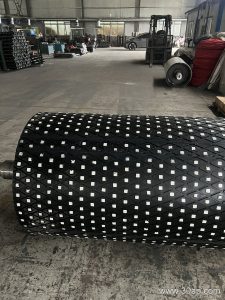
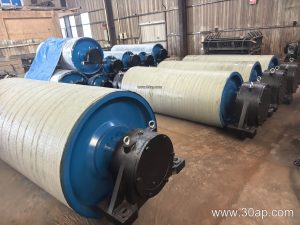
The same item is also called a conveyor idler bracket or roller support bracket. These are accurate names for the same product family, and suppliers may use them interchangeably in quotations. What should not be confused is the bracket with the pulley: a drive pulley, tail pulley, and bend pulley are separate components with different duties, and none of them replaces a bracket in the support structure.
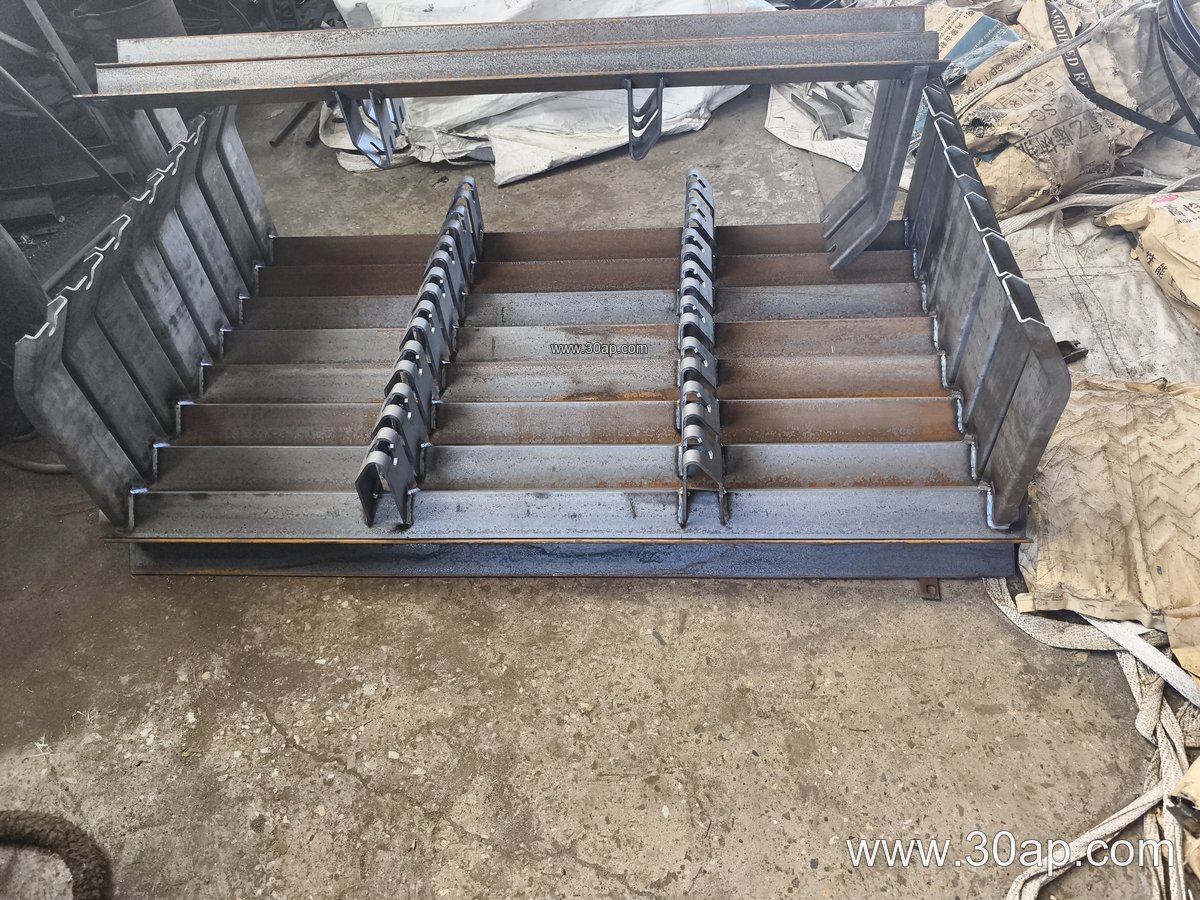
Construction and Common Forms
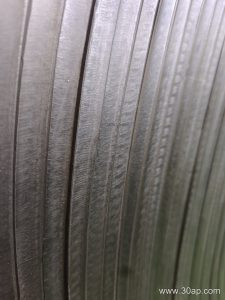
Most brackets are fabricated from angle steel, channel steel, or folded steel plate, then drilled or punched for mounting. The fabrication method matters in dusty plants because sharp edges and trapped pockets collect material. A clean fold with sealed corners is easier to keep clear in a cement plant or a coal handling gallery.
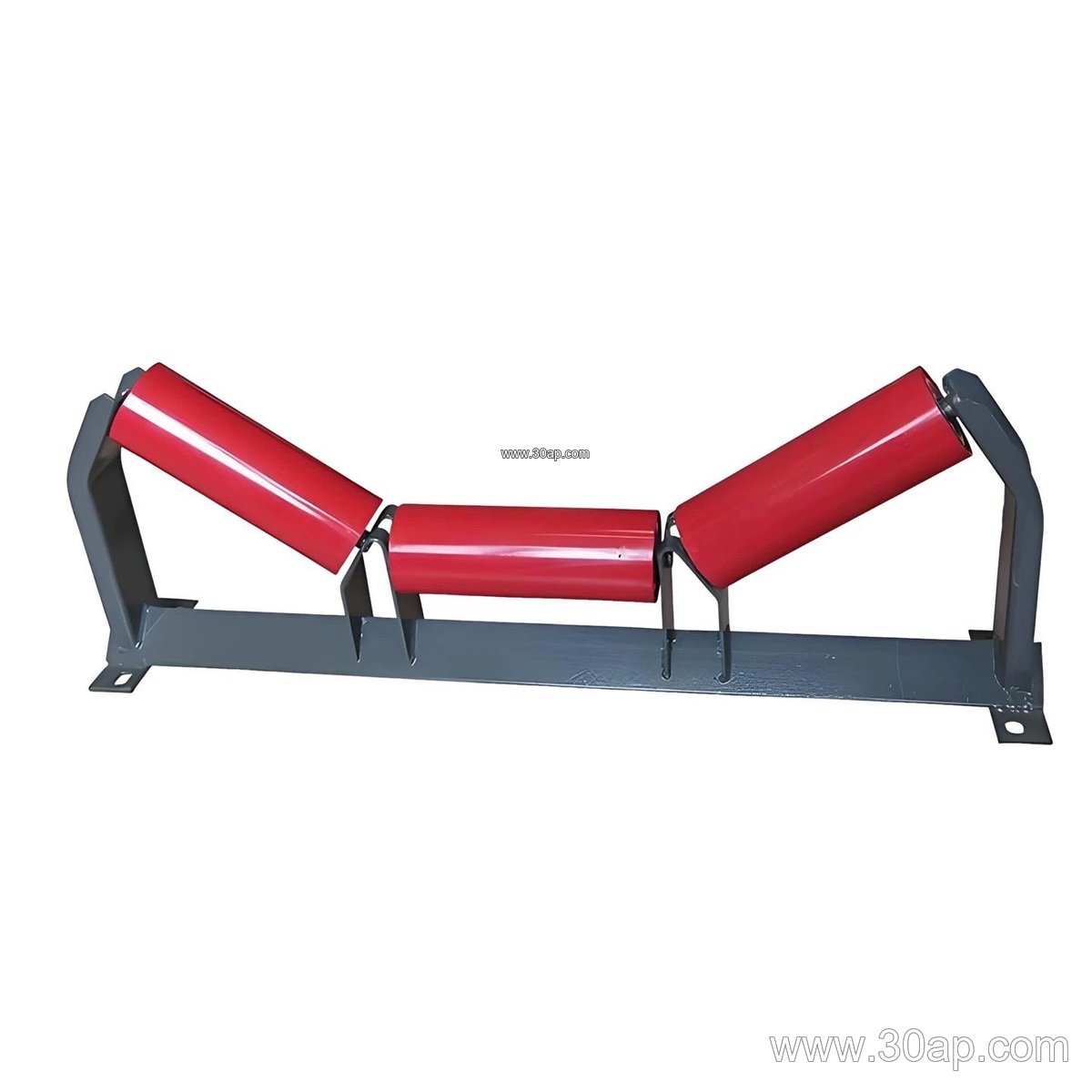
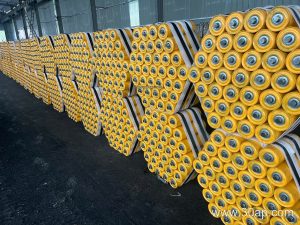
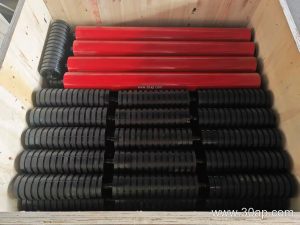
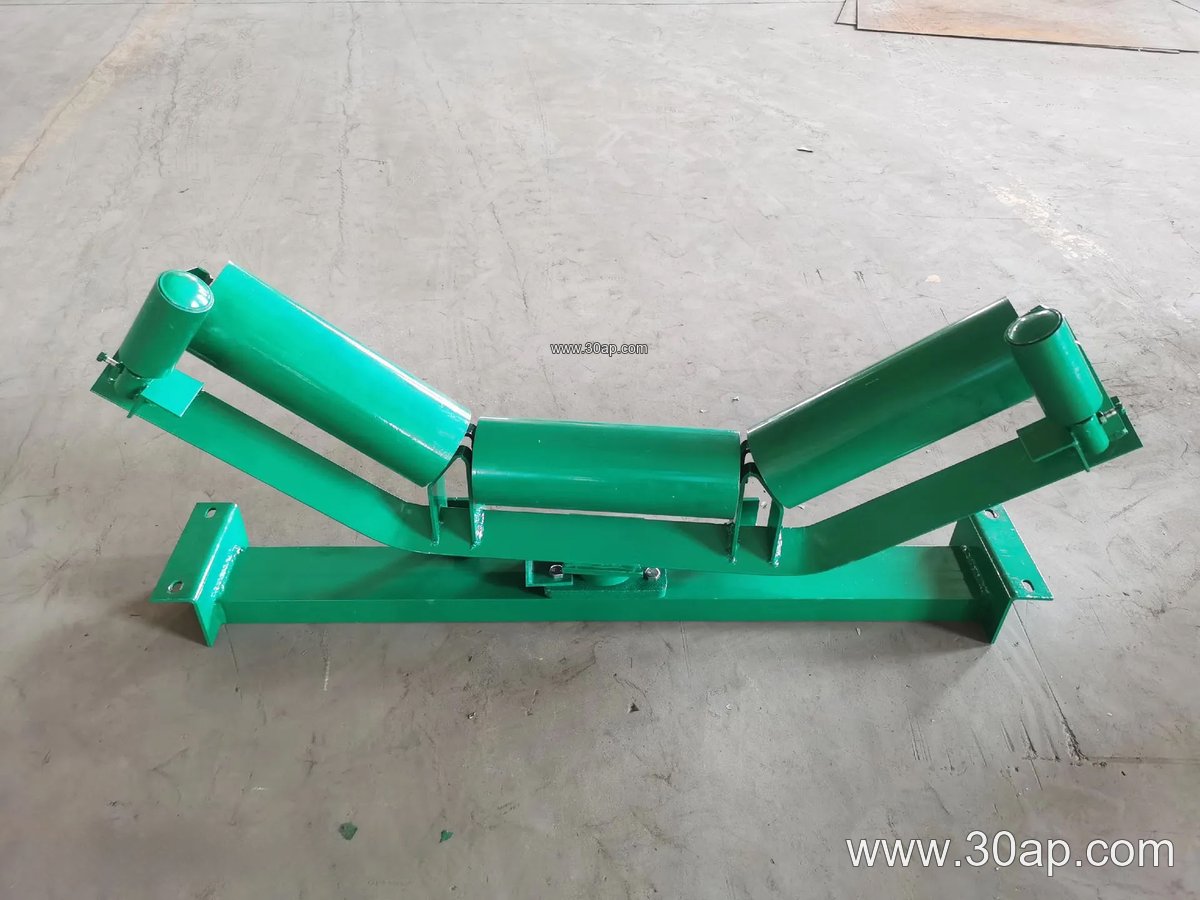
Common forms include troughing brackets for the carrying side, return brackets and V-return brackets for the lower strand, impact brackets at loading points, self-aligning brackets, and transition brackets near pulleys. Adjustable versions allow the trough angle to be set on site, which helps when a conveyor is commissioned or when belt training needs correction.
Typical Reference Combinations
The values below are reference data for discussion, not fixed rules. Hole spacing and crossbeam length are determined by belt width, trough angle, and frame design.
| Belt width | Trough angle | Roller diameter | Typical bracket role |
|---|---|---|---|
| B500 | 20 degrees | Ø89 | Light troughing, small transfer lines |
| B650 | 30 degrees | Ø89 | Aggregate and sand conveying |
| B800 | 35 degrees | Ø108 | General bulk material support |
| B1000 | 35 degrees | Ø108 | Crushing and screening circuits |
| B1200 | 45 degrees | Ø133 | High-capacity troughing |
| B1400 | 35 degrees | Ø133 | Power plant coal handling |
| B1600 | 45 degrees | Ø159 | Heavy-duty mining conveyors |
| B1800 | 35 degrees | Ø159 | Large tonnage ore transport |
| B2000 | 45 degrees | Ø194 | Wide belt, high load support |
Forward-leaning brackets are usually set at about 1.5 to 2 degrees to help the belt track. This is a design choice, not a universal setting, and it should match the idler type and the conveyor’s training strategy.
Where Brackets Earn Their Keep
In a quarry or stone crushing line, troughing brackets take constant impact and abrasion from rock. In a coal washing plant, return brackets and V-return brackets keep the lower strand clean and aligned. In a cement plant, transition brackets near the head and tail reduce belt stress where the profile changes. Each of these sites has its own dust, moisture, and load pattern, so the bracket specification should follow the duty rather than a catalogue default.
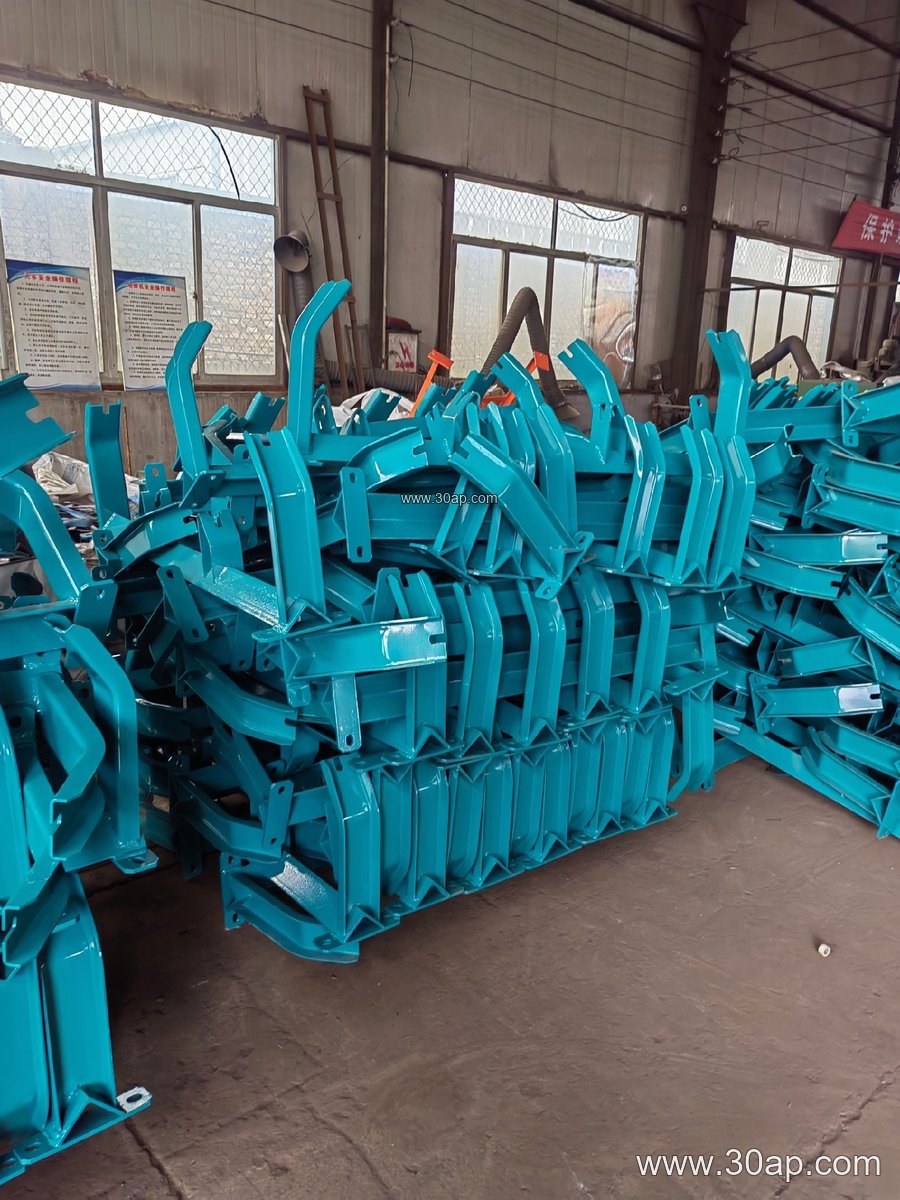
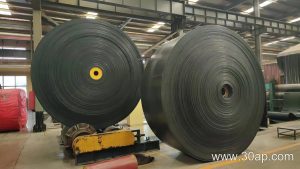
Brackets also interact with the belt itself. A heavy-duty mining conveyor belt or an abrasion resistant conveyor belt running on poorly aligned brackets will wear unevenly, and a steel cord conveyor belt needs stable support to avoid edge damage. Matching bracket quality to belt type is part of good conveyor bracket procurement, not an afterthought.
Procurement Checks Before Ordering
- Confirm belt width, trough angle, and roller diameter as a set, not as isolated numbers.
- Ask for mounting hole spacing and crossbeam length per frame drawing.
- State the material and finish, especially for wet or corrosive service.
- Clarify whether the bracket is fixed or adjustable, and how the angle is locked.
- Check that the bracket suits the idler roller end type actually being used.
- Request dimensional drawings for transition and impact brackets, which are layout-sensitive.
For buyers sourcing across a project, it helps to group brackets by conveyor and duty. A B800, 35 degree, Ø108 troughing set for a sand line is a different procurement line from a B1600, 45 degree, Ø159 set for an iron ore conveyor. Keeping these groups separate in the enquiry reduces mixing errors at dispatch.
Keeping the Support System Consistent
Conveyor bracket procurement works best when it is tied to the rest of the support system. Brackets, idler rollers, and pulleys should be specified together so that hole patterns, frame heights, and belt clearance line up. In a port or ship loading conveyor, a small mismatch can cause belt edge contact and downtime. In a fertilizer or grain silo, corrosion resistance may matter more than raw strength. The bracket is a modest component, but it decides how quietly and how long the conveyor runs.