What a Disc Idler Is
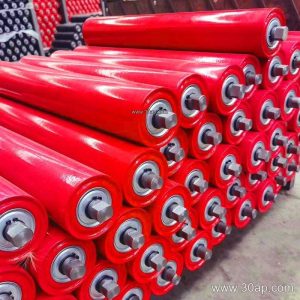
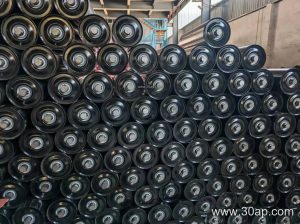
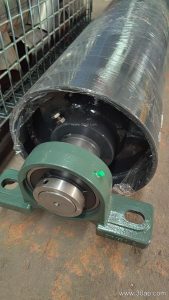
A disc idler is a carrying or return roller built from a series of discs rather than a single continuous shell. The discs are pressed or welded onto a shaft, spaced along its length, and the assembly turns on bearings at each end. In a stockyard or a limestone quarry, this design is often chosen where sticky material would otherwise build up on a smooth roller face. The disc profile lets fines fall away between the plates instead of wrapping around the shell. It is a roller, not a pulley, and it should not be confused with a drive pulley, tail pulley or bend pulley, which transmit and redirect belt tension rather than support the belt.
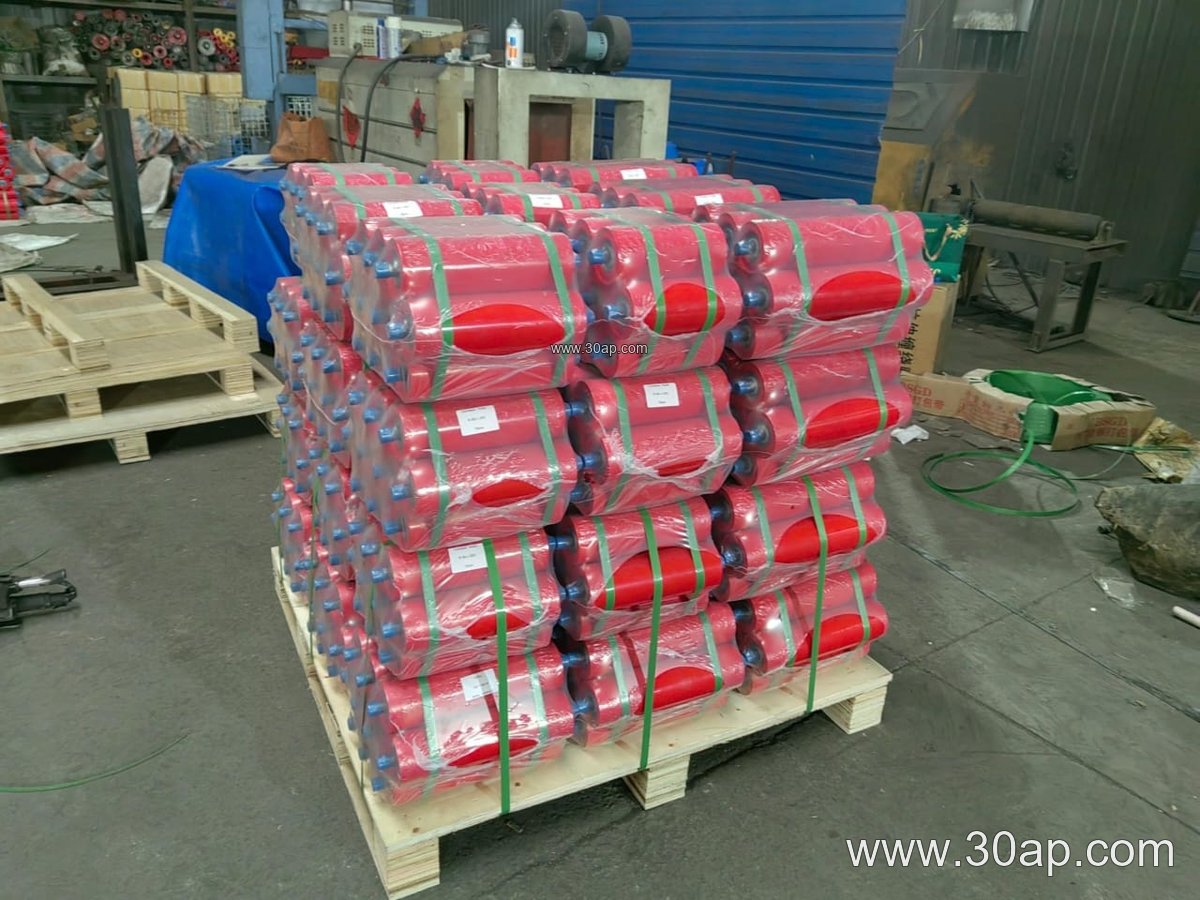
How the Roller Is Built
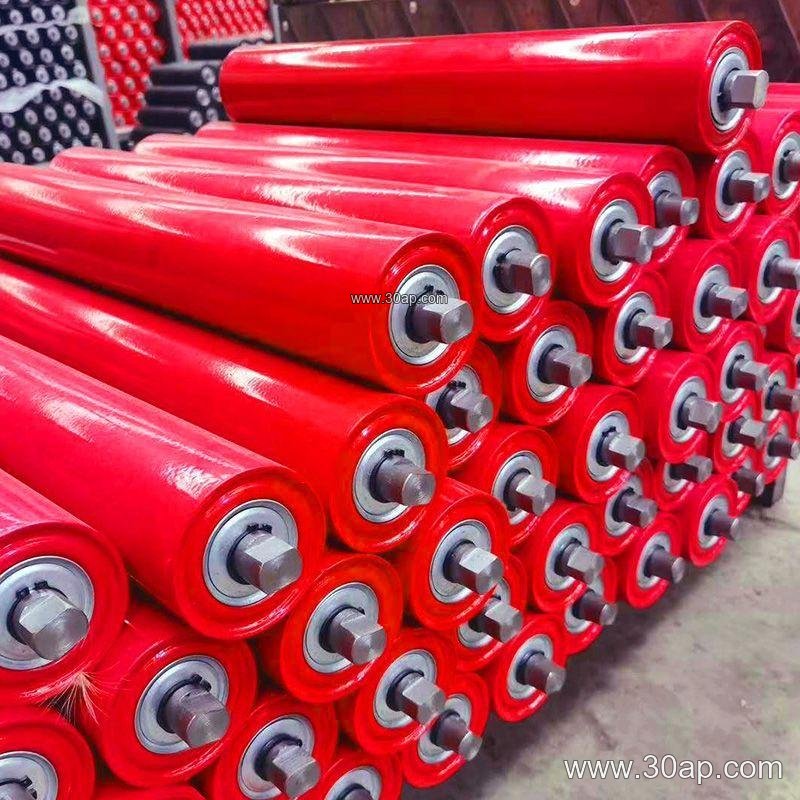
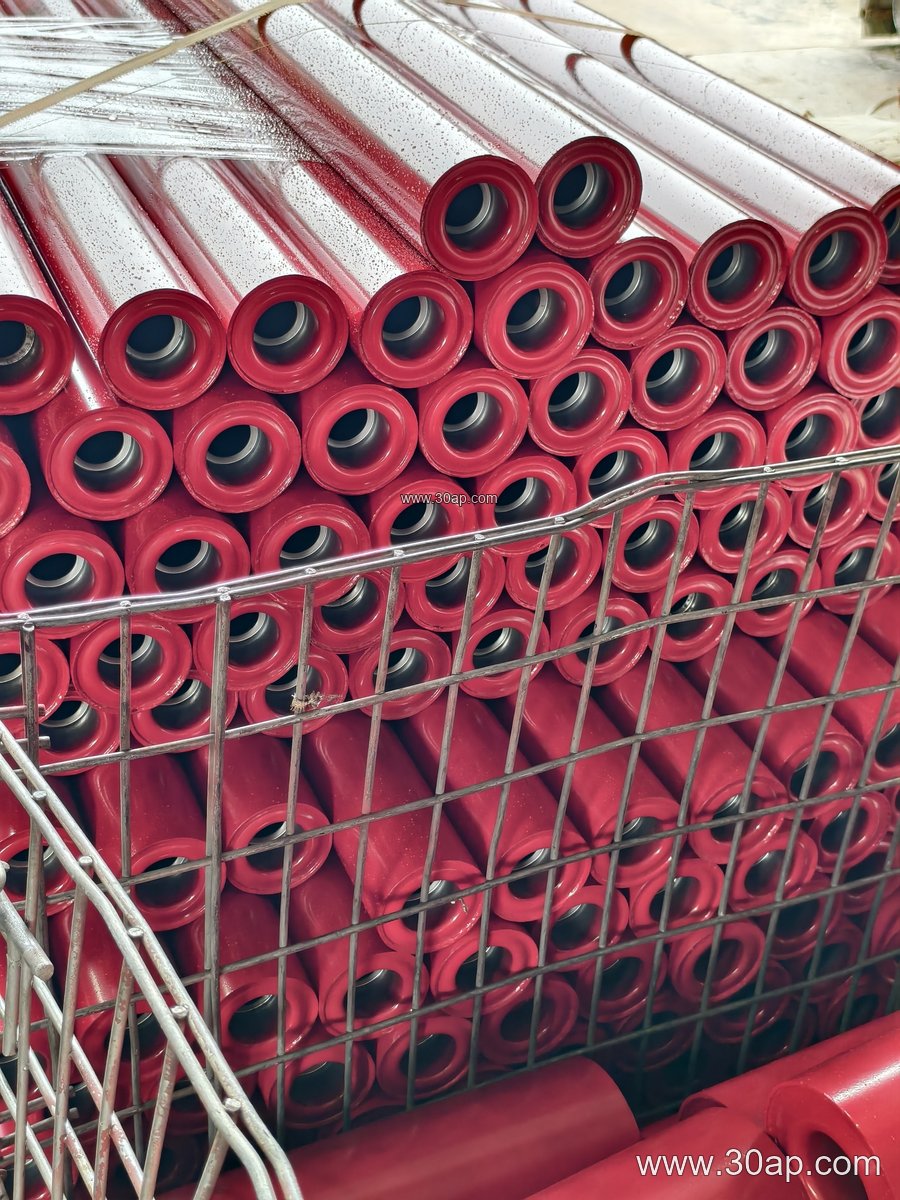
The core is a steel shaft, sized by the load and the bracket spacing rather than by belt width alone. Discs are usually formed from steel plate and fixed by welding or a press fit, and the ends carry bearing housings with seals. Standard bearing sizes such as 6205, 6306 or 6308 appear across many roller ranges, but a given bearing is not tied to one diameter. Surface treatment matters in wet or corrosive service, and the shaft ends are machined to fit the conveyor bracket.
Typical build choices include:
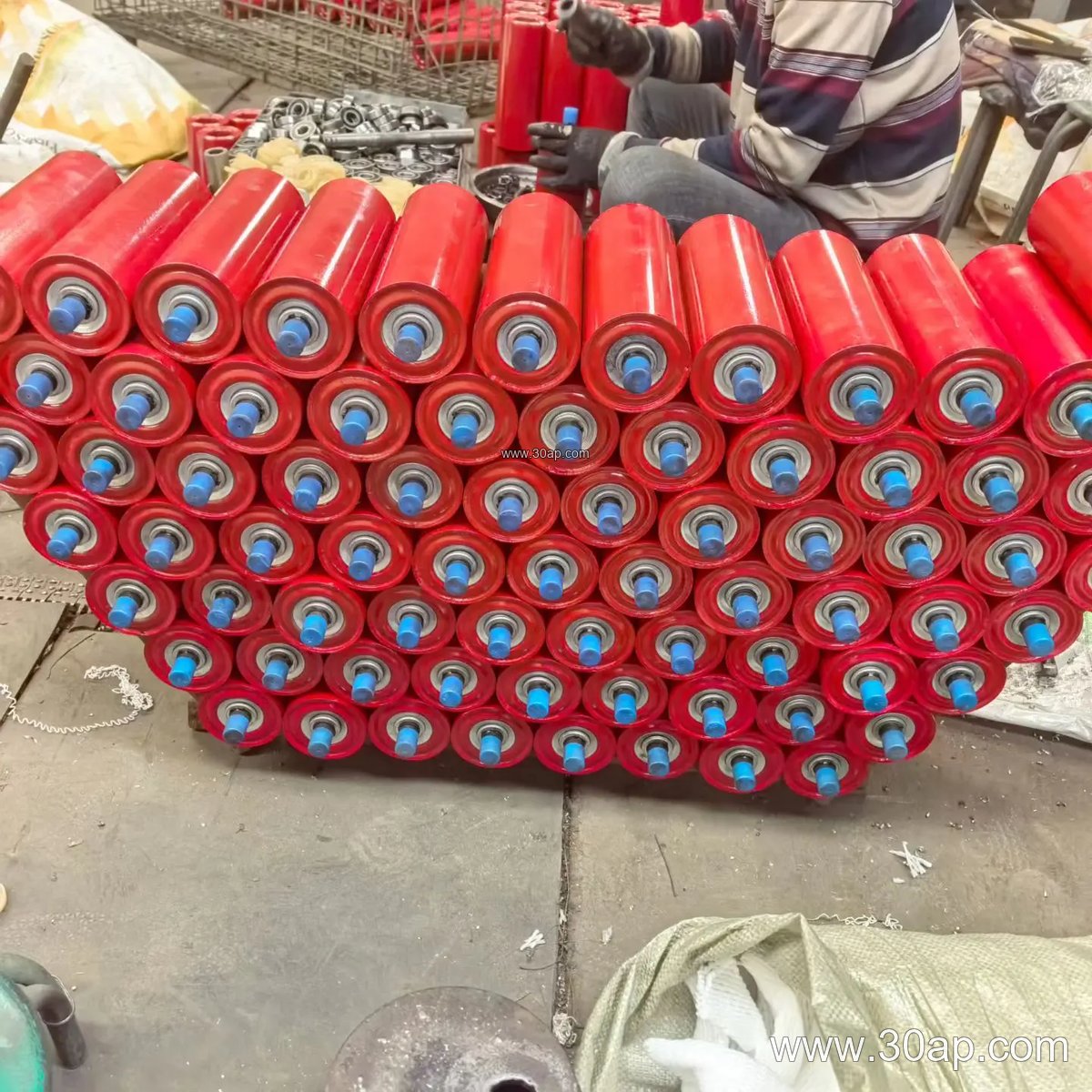
- Disc diameter and spacing selected for the material and belt sag
- Steel, nylon or coated disc faces depending on abrasion and stickiness
- Labyrinth or contact seals for dusty plants
- Fixed or spring-loaded shaft ends for easy fitting
Where It Fits on the Conveyor
Disc rollers are common on the carrying side in applications handling damp or clay-bearing material, and on the return side where fines cling to the belt. A cement plant handling moist raw meal, a sand and gravel line after washing, or a coal preparation plant with high moisture content are typical users. The roller works with the conveyor belt and the frame, and it pairs with a conveyor pulley at the head and tail. Selecting the right roller type across a whole conveyor is a system decision, so plants often compare disc rollers with troughing idlers, impact idlers and return rollers before committing to a layout. Many operators standardise their belt specification at the same time, choosing a rubber conveyor belt or an EP conveyor belt for the main runs, and a flame retardant conveyor belt in coal handling. A wear-resistant cover such as an abrasion resistant conveyor belt reduces the cost of replacing belts that run over poorly aligned rollers.
Common Sizes and Reference Data
The table below gives indicative values only; final dimensions follow the conveyor design.
| Item | Common range | Notes |
|---|---|---|
| Roller diameter | Ø89, Ø102, Ø108, Ø127, Ø133, Ø159 mm | Larger diameters suit wider belts and heavier loads |
| Belt width | B500, B650, B800, B1000, B1200, B1400, B1600 mm | Roller length is set by belt width and frame type |
| Bearing | 6204, 6205, 6305, 6306, 6308, 6310 | Chosen from load and speed, not from width alone |
| Trough angle | 20°, 30°, 35°, 45° | Affects material cross-section on the belt |
| Disc face | Steel, nylon, rubber | Selected for stickiness and abrasion |
Roller length varies with the troughing set and the belt width; a three-roll set on B800 usually uses shorter side rolls than the centre roll, so length should be confirmed against the drawing.
Buyer Checklist
Before ordering, confirm the belt width, the trough angle, the mounting bracket type and the shaft end dimensions. Ask how the seals handle dust and water, and check that the disc spacing suits the material being carried. For a quarry conveyor belt or a crusher conveyor belt handling sharp rock, disc rollers may not be the best choice on the impact zone, where rubber-disc impact rollers or a cushioning set usually serve better. In food or chemical plants, confirm the disc material is compatible with the product. Buyers running long overland lines with a steel cord conveyor belt or a high strength conveyor belt should check that the roller load rating matches the belt tension and the idler spacing. Finally, request the dimensional drawing and confirm that the roller will fit the existing conveyor brackets without modification.