What Rubber Pulley Lagging Does
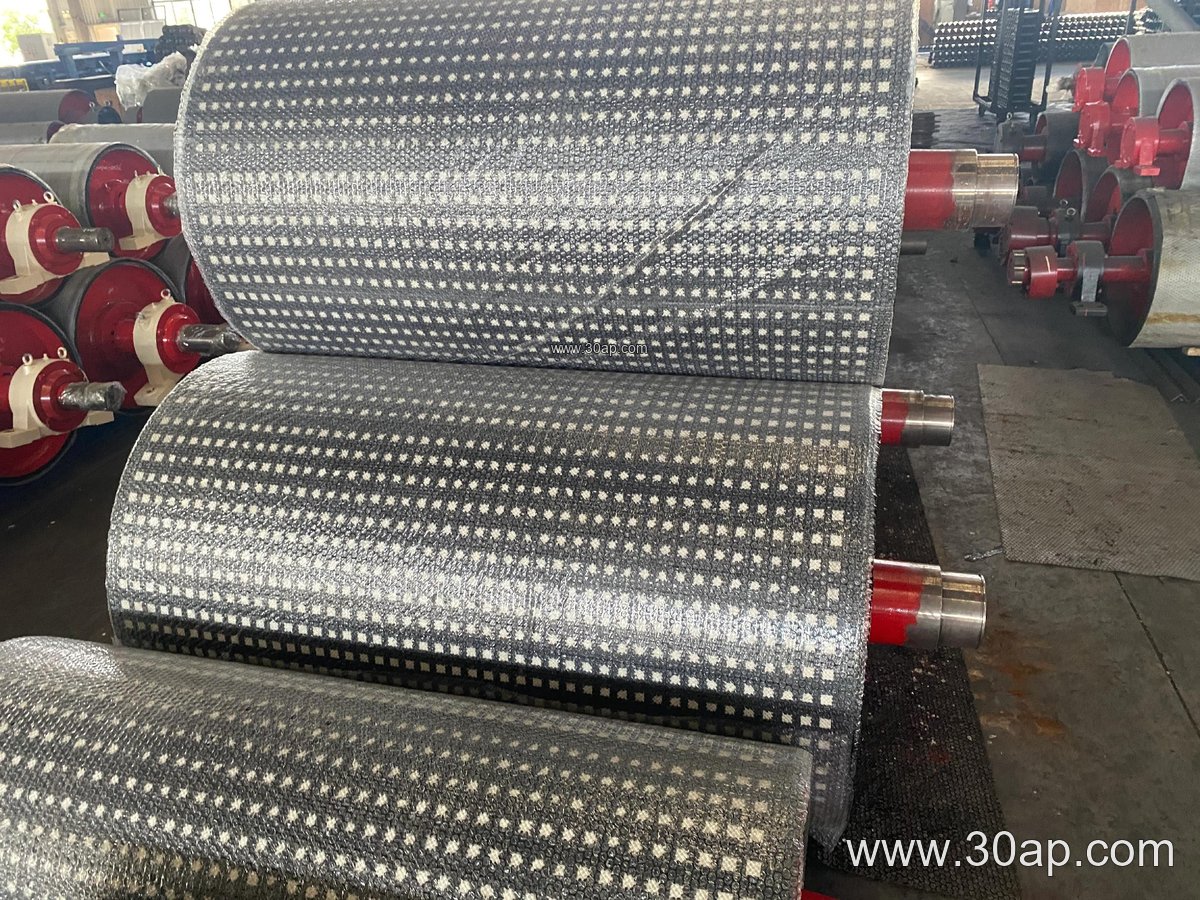
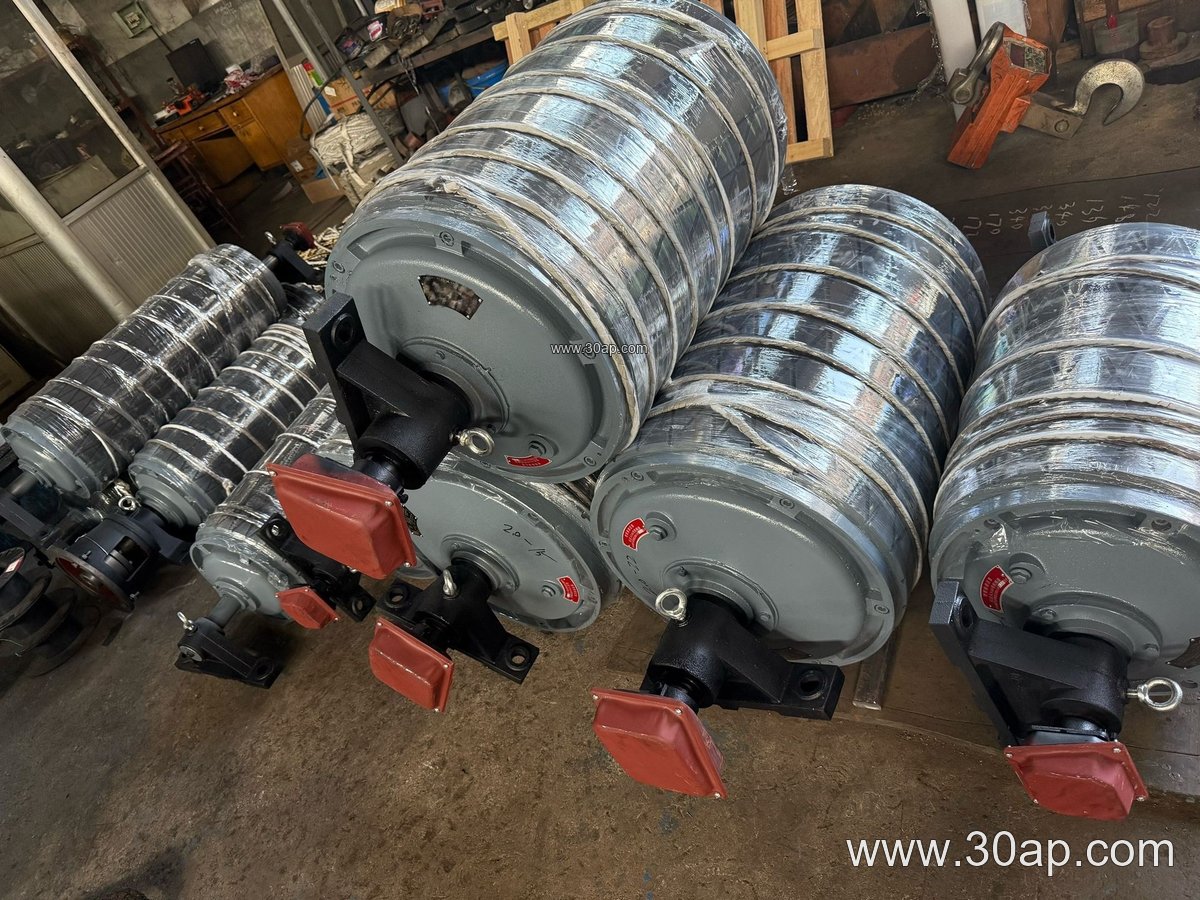
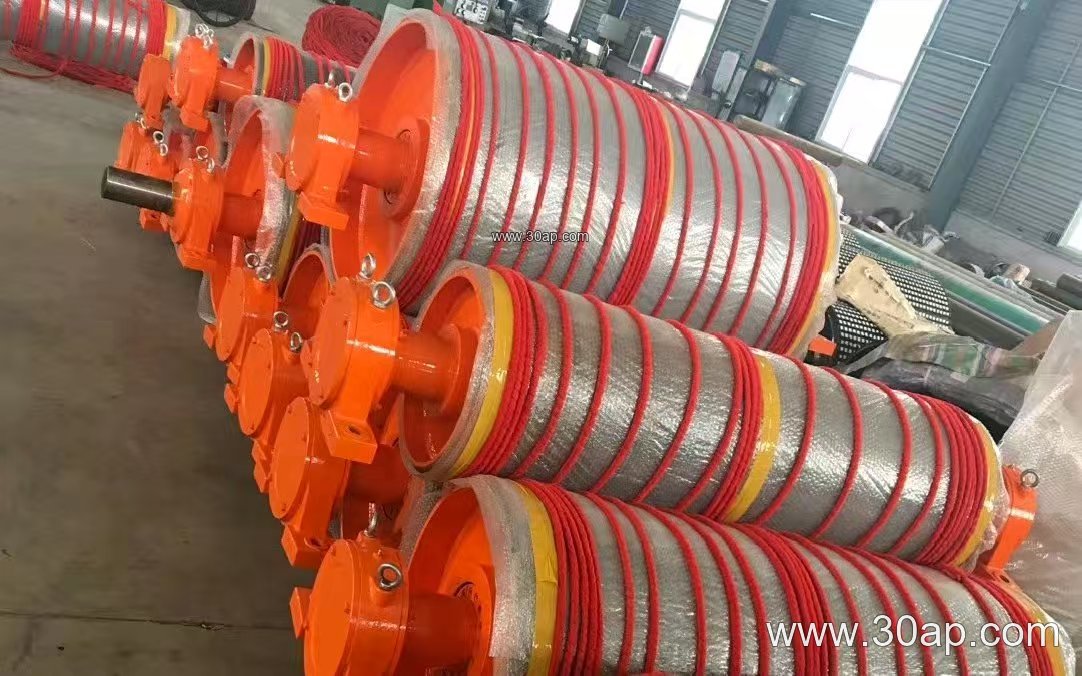
Rubber pulley lagging is a rubber layer bonded to the surface of a conveyor pulley to improve grip between the drum and the conveyor belt. In a drive pulley, this added friction helps transmit torque without slip, especially when the belt is wet, dusty, or carrying a heavy load. The same rubber covering also protects the pulley shell from wear and can reduce material buildup. While the main subject here is rubber pulley lagging, it is useful to note that tail and bend pulleys serve different roles and are not interchangeable with drive pulleys. Lagging on a drive pulley is primarily about traction; on a tail or bend pulley, it may be more about protection and belt tracking.
How the Lagging Is Built and Attached
Rubber pulley lagging is typically supplied as sheets or strips with a textured or smooth surface, and it is bonded to the pulley by cold vulcanization, hot vulcanization, or direct casting during pulley manufacture. Common surface forms include plain, diamond, herringbone, and ceramic-embedded rubber. Thickness often ranges from 8 mm to 20 mm, with 10 mm and 12 mm being common for general duty. The rubber compound may be natural rubber, SBR, or a blend selected for abrasion resistance, oil resistance, or flame retardancy depending on the site. Attachment quality matters as much as the rubber itself: poor adhesion can lead to edge lifting and premature failure.
Where It Fits in Bulk Handling
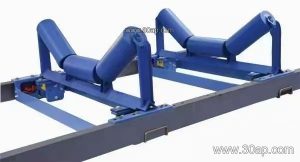
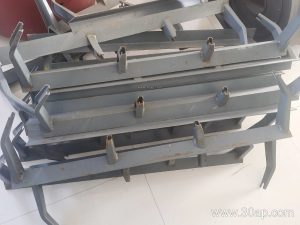
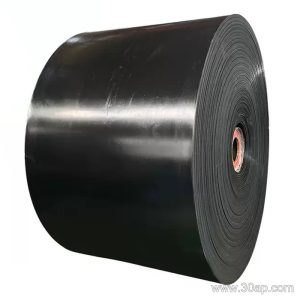
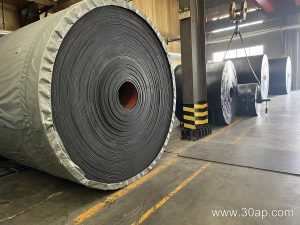
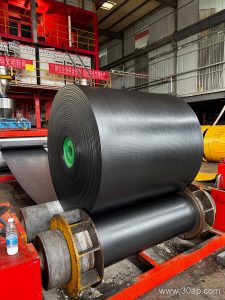
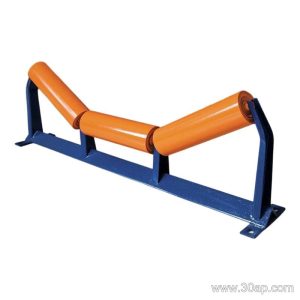
Rubber pulley lagging appears in quarry conveyors, coal handling systems, cement plant clinker lines, power plant coal yards, and port bulk terminals. In a limestone mine, a drive pulley with diamond lagging can keep a belt running in damp conditions; in a sand and gravel plant, plain lagging on a bend pulley may be enough for protection. The lagging works together with the conveyor belt, idler rollers, and conveyor brackets to maintain steady transport. For high-abrasion duties, an abrasion resistant conveyor belt paired with quality lagging extends service life. In coal mining, flame retardant conveyor belt and fire resistant conveyor belt grades are often specified alongside flame retardant lagging for underground mining conveyor belt systems.
Matching Lagging to Pulley Size and Duty
Buyers should consider pulley diameter, belt width, and the actual torque load. A B800 pulley with Ø500 diameter may use 10 mm lagging, while a B1200 drive pulley with Ø1000 diameter might use 12–15 mm diamond lagging. There is no fixed rule that one belt width must match one pulley diameter; shaft diameter is determined by torque and load, not by belt width alone. The table below shows common reference combinations, not mandatory specifications.
| Belt Width (B) | Typical Pulley Face Width | Common Pulley Diameter | Lagging Thickness |
|---|---|---|---|
| B500 | ≈600 mm | Ø250–Ø400 | 8–10 mm |
| B650 | ≈750 mm | Ø315–Ø500 | 10 mm |
| B800 | ≈950 mm | Ø400–Ø630 | 10–12 mm |
| B1000 | ≈1150 mm | Ø500–Ø800 | 12 mm |
| B1200 | ≈1400 mm | Ø630–Ø1000 | 12–15 mm |
| B1400 | ≈1600 mm | Ø800–Ø1250 | 15 mm |
These values are common references. Actual selection depends on belt tension, starting torque, environmental conditions, and pulley location. For a drive pulley in a crusher conveyor belt line, higher friction demand may call for diamond or herringbone lagging; for a tail pulley, plain lagging may be sufficient.
Buyer Checklist
- Confirm pulley type: drive, tail, bend, tension, or snub. Lagging requirements differ by position.
- Specify rubber grade: abrasion resistant, oil resistant, heat resistant, or flame retardant as needed.
- Choose surface pattern based on slip risk and material carryback.
- Check bonding method compatibility with your pulley and maintenance capabilities.
- Provide belt width, pulley diameter, and shaft diameter so the supplier can recommend thickness and pattern.
Rubber pulley lagging is a small component with a large effect on conveyor reliability. Whether the site is a copper ore terminal, a fertilizer plant, or a tunnel spoil line, matching the lagging to the pulley duty and the conveyor belt helps avoid slip, wear, and unplanned downtime. For related conveyor components such as idler roller and conveyor bracket, keep the whole system in mind during specification.