What Is a Parallel Idler Bracket
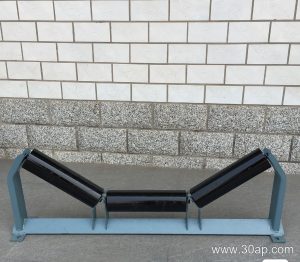
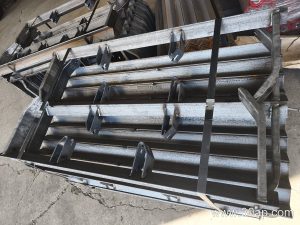
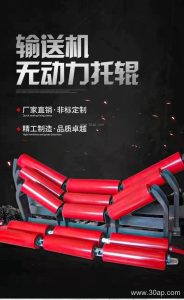
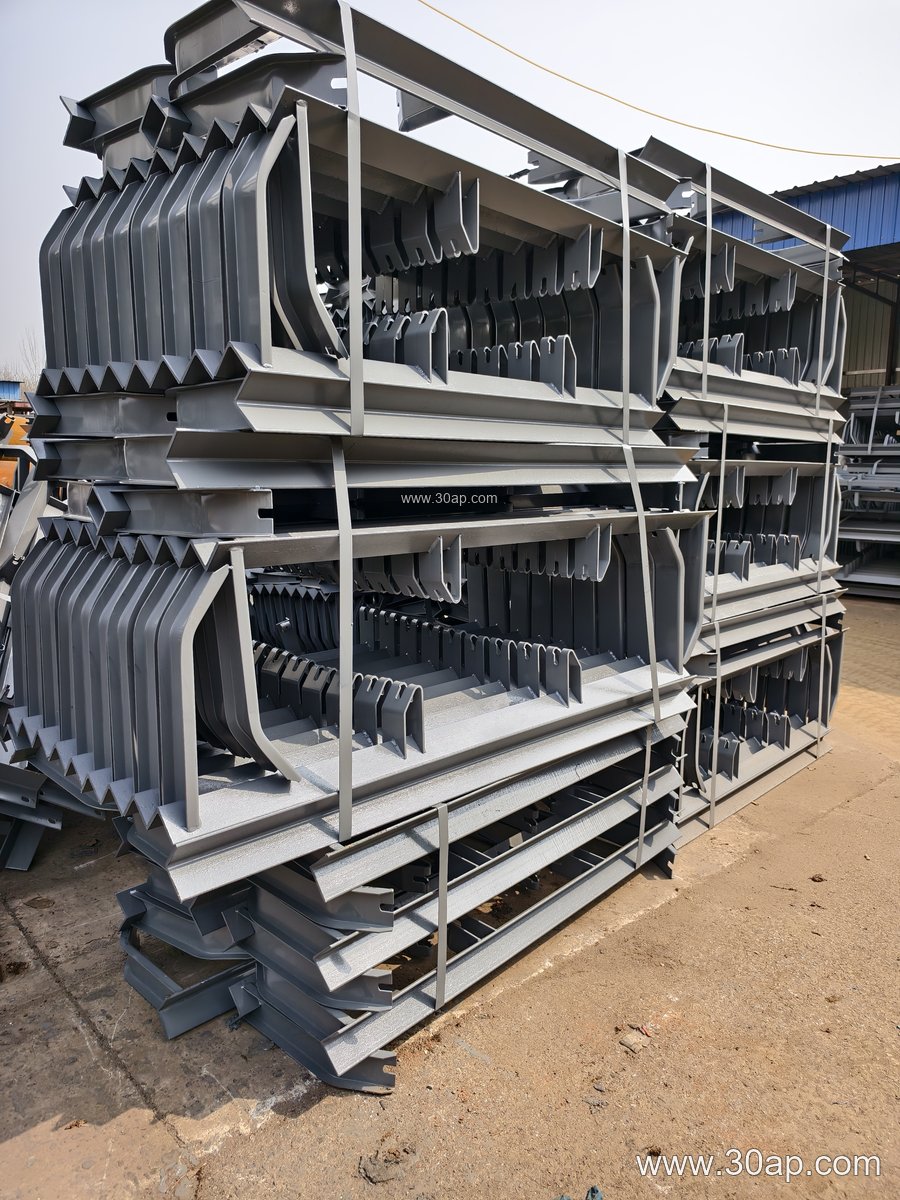
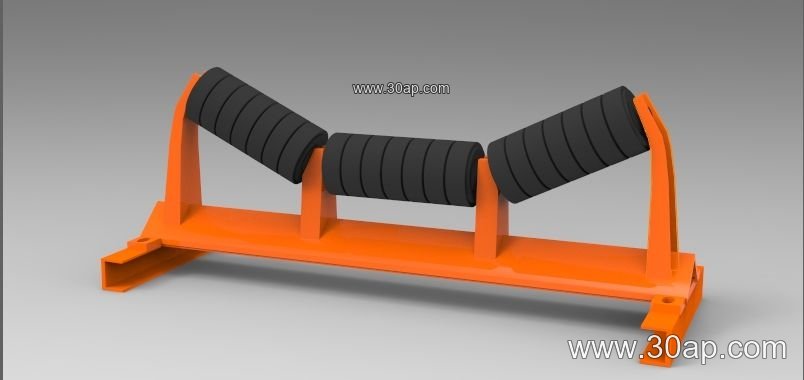
A parallel idler bracket is a structural component that holds the idler rollers in a conveyor system, keeping them parallel to the belt and at the correct angle. Often referred to as a parallel idler frame or parallel roller bracket, this bracket is essential for maintaining proper belt tracking and support. In quarry and aggregate operations, the parallel idler bracket helps ensure smooth material flow, reducing spillage and belt wear.
Construction and Design
Parallel idler brackets are typically fabricated from angle steel, channel steel, or bent steel plate. The choice of material depends on the load and environmental conditions. The bracket is designed to accommodate various belt widths and idler diameters, with mounting hole spacing and crossbeam length determined by the specific application. Common configurations include fixed and adjustable types, allowing for flexibility in installation and maintenance.
Key Parameters
When selecting a parallel idler bracket, several parameters must be considered:
- Belt width: B500 to B2200, with common sizes like B800, B1000, and B1200.
- Trough angle: typically 20°, 30°, 35°, or 45°, with adjustable brackets allowing changes between these angles.
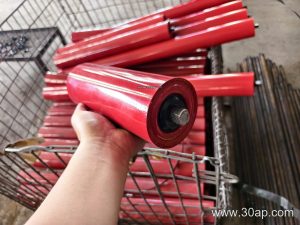
- Idler diameter: Ø89, Ø108, Ø133, Ø159, or Ø194, chosen based on load and belt speed.
For example, a bracket for B1000 belt with 35° trough angle and Ø108 idlers is a typical combination, but the exact specifications should be confirmed with the conveyor design.
Applications in Bulk Material Handling
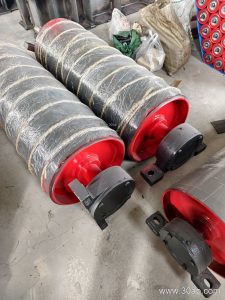
Parallel idler brackets are widely used in industries such as mining, coal preparation, cement plants, and power plant coal handling. In a typical coal mining conveyor system, these brackets support the carrying side of the belt, ensuring stable operation even under heavy loads. They are also found in port terminals and steel plants, where reliability is critical. The bracket works in tandem with conveyor pulleys and idler rollers to maintain belt alignment and extend service life.
Selection and Maintenance Tips
Buyers should consider the conveyor’s belt width, trough angle, and idler diameter when choosing a parallel idler bracket. It is important to match the bracket’s load capacity with the weight of the material and the belt speed. Regular inspection for wear and proper alignment is recommended to prevent belt misalignment and premature failure. For harsh environments, such as those with high abrasion or heat, selecting brackets with appropriate surface treatment or material grade can improve durability.
In summary, the parallel idler bracket is a vital yet often overlooked component in conveyor systems. By understanding its construction, parameters, and applications, buyers can make informed decisions to enhance conveyor performance and reliability.