What a Nylon Idler Is and Where It Fits
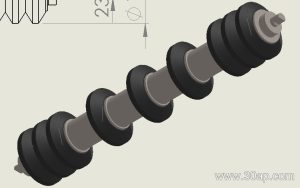
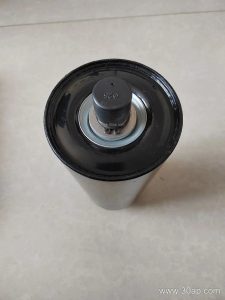
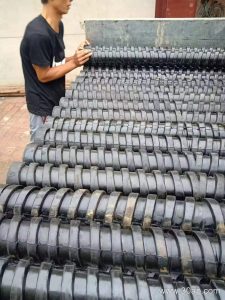
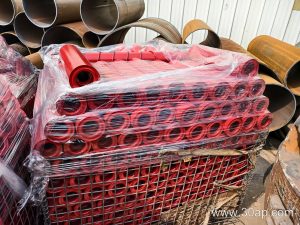
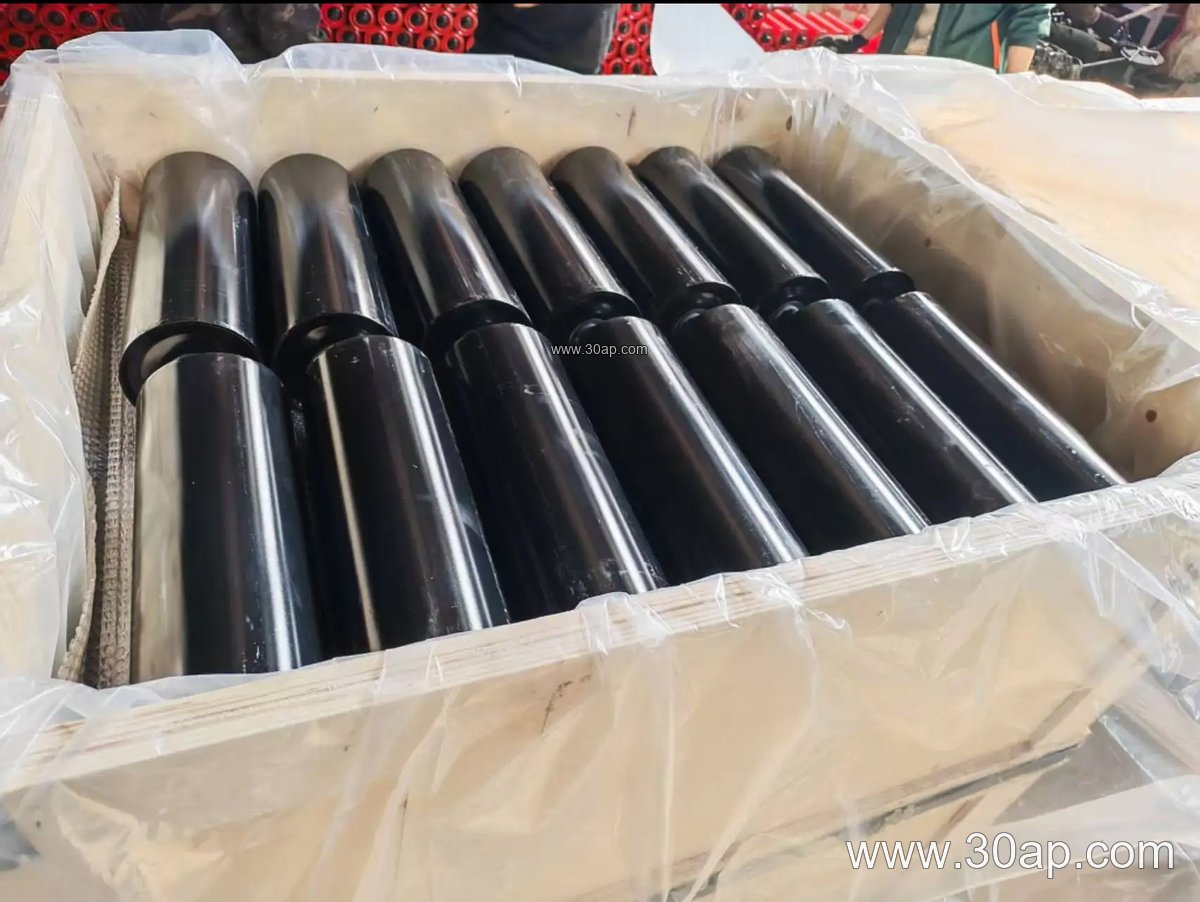
A nylon idler is a conveyor idler roller whose outer shell is made of nylon rather than steel or rubber. It sits under the belt on the carry side or returns the belt on the lower run, depending on the idler group design. In a quarry, limestone mine, or aggregate line, the nylon surface can reduce belt wear and resist sticking when fines are damp. The idler still uses a steel shaft and bearing housing, so it is a complete roller assembly, not just a plastic sleeve.
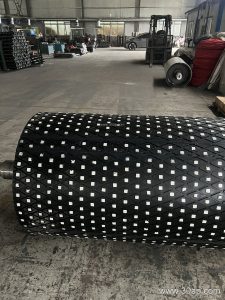
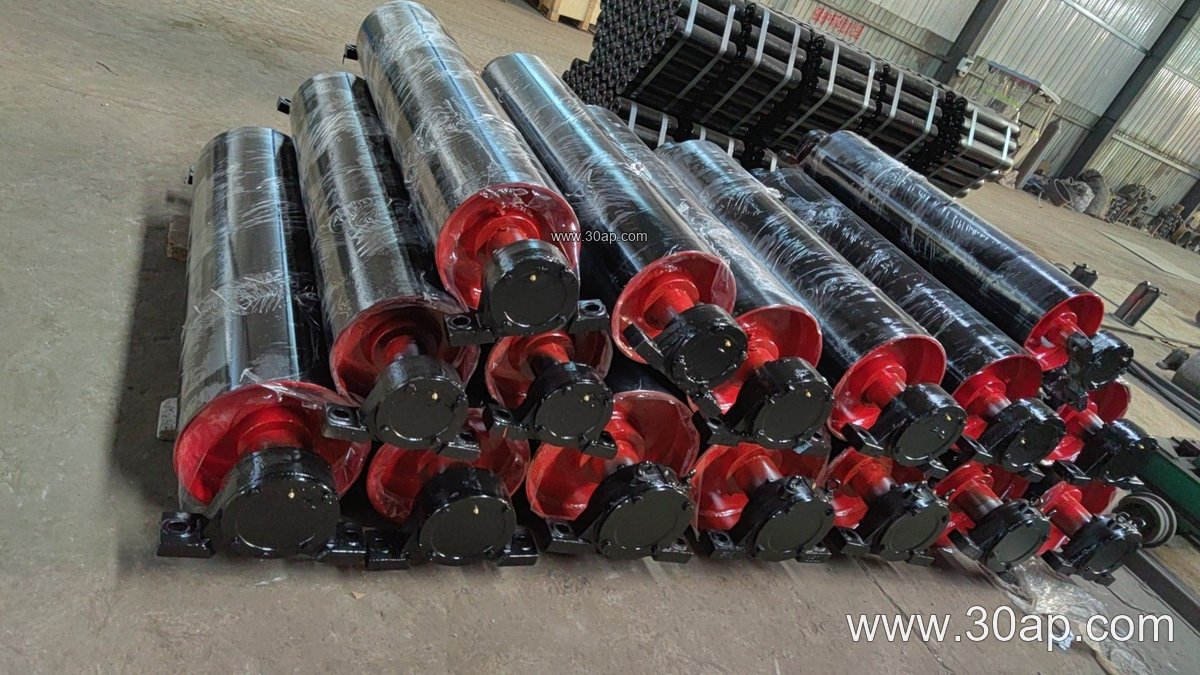
The nylon idler belongs to the same family as the steel idler roller, but the shell material changes how the belt interacts with the roller. A conveyor pulley, by contrast, drives or redirects the belt and is not an idler. Drive pulleys, tail pulleys, and bend pulleys are separate components and cannot replace an idler in a troughing set.
Construction and Materials
Most nylon idlers combine a nylon shell with a steel through-shaft and sealed ball bearings. Common bearing sizes include 6204, 6205, 6305, 6306, 6308, and 6310, matched to shaft and load requirements rather than to belt width alone. The shell may be a solid nylon tube or a nylon coating over a steel body; both are described as nylon idlers in catalogues, so buyers should confirm the construction.
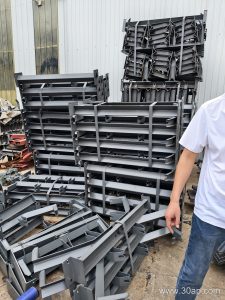
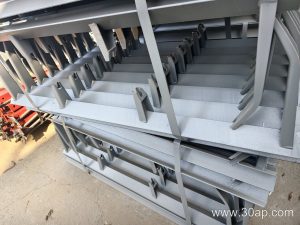
The idler group form matters as much as the shell. A three-roll troughing set with 30-degree or 35-degree trough angle is typical for bulk materials, while a single-roll flat return idler is common on the return run. Transition idlers and impact idlers serve different positions and are not interchangeable with standard troughing idlers. A V-return idler or spiral idler may be used where belt training or material shedding is a concern, but these are separate subtypes.
Common Sizes and Configuration Reference
The following values are common examples, not fixed rules. Roller length depends on belt width, trough angle, and idler group type; side rollers and centre rollers can differ within the same set.
| Belt width | Typical roller length (three-roll troughing) | Common roller diameter range |
|---|---|---|
| B500 | about 200 mm | Ø63 to Ø89 |
| B650 | about 250 mm | Ø76 to Ø108 |
| B800 | about 315 mm | Ø89 to Ø127 |
| B1000 | about 380 mm | Ø102 to Ø133 |
| B1200 | about 465 mm | Ø108 to Ø159 |
| B1400 | about 530 mm | Ø127 to Ø178 |
| B1600 | about 600 mm | Ø133 to Ø194 |
| B1800 | about 670 mm | Ø159 to Ø219 |
| B2000 | about 750 mm | Ø178 to Ø219 |
Trough angles of 20, 30, 35, and 45 degrees are used depending on material and belt width. A forward tilt of about 1.5 to 2 degrees is sometimes applied to training idlers, not to every roller. Roller diameter and bearing size should be selected from load and speed calculations, not from belt width alone.
Where Nylon Idlers Are Used
Nylon idlers appear in sand and gravel plants, cement plants, power plant coal handling, and fertilizer handling where belt sticking or corrosion is a concern. They also suit crusher discharge and screen feed conveyors in stone crushing lines. In a coal mining conveyor or underground mining conveyor, flame retardant and anti-static properties of the belt are critical, but the idler shell material is chosen separately; a nylon idler does not make a belt flame retardant.
Heavy-duty mining conveyor belts and high abrasion resistant conveyor belts place different demands on idlers than a light aggregate conveyor belt. For iron ore or copper ore, impact idlers at transfer points may be more appropriate than standard nylon troughing idlers. A pipe conveyor belt or corrugated sidewall conveyor belt uses different idler arrangements, and a nylon idler should not be assumed to fit those systems without checking the idler profile.
Buyer Checklist
- Confirm the idler group type: troughing, return, transition, or impact. These are not interchangeable.
- Match roller diameter to shaft and bearing load rating, not only to belt width.
- Check shell construction: solid nylon, nylon-coated steel, or nylon with a steel end cap.
- Verify bearing size and sealing for dust and moisture in the actual plant environment.
- Ask for the roller length drawing for the specific trough angle and belt width.
- Remember that a conveyor pulley is a separate item; do not substitute a drive or tail pulley for an idler.
For related conveyor components, see conveyor belt, idler roller, and conveyor bracket options. Nylon idlers are one part of the belt conveyor system, and their performance depends on correct selection alongside the belt, pulley, and frame.