What a Conveyor Bracket Does on the Line
A conveyor bracket is the structural interface between the rotating components and the conveyor frame. It holds idler rollers at the correct height, angle, and spacing so the belt keeps its trough shape and tracks smoothly. In a quarry, limestone mine, or cement plant, these brackets carry the daily load of stone, clinker, and dust, so their design has a direct effect on belt life and downtime. A well-matched bracket keeps the belt supported without pinching, and it lets maintenance crews replace a worn roller without cutting or re-welding the main frame.
The bracket is often described as an idler support or roller frame, but it remains the same product: a fabricated steel part that positions and secures conveyor idlers. It should not be confused with a drive pulley, tail pulley, or bend pulley, which are separate rotating drums with different duties.
How the Bracket Is Built
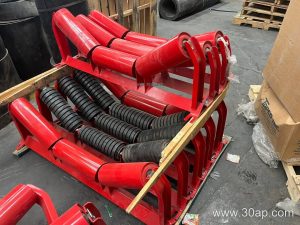
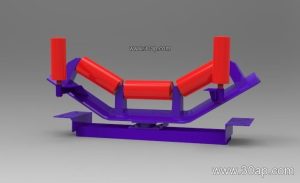
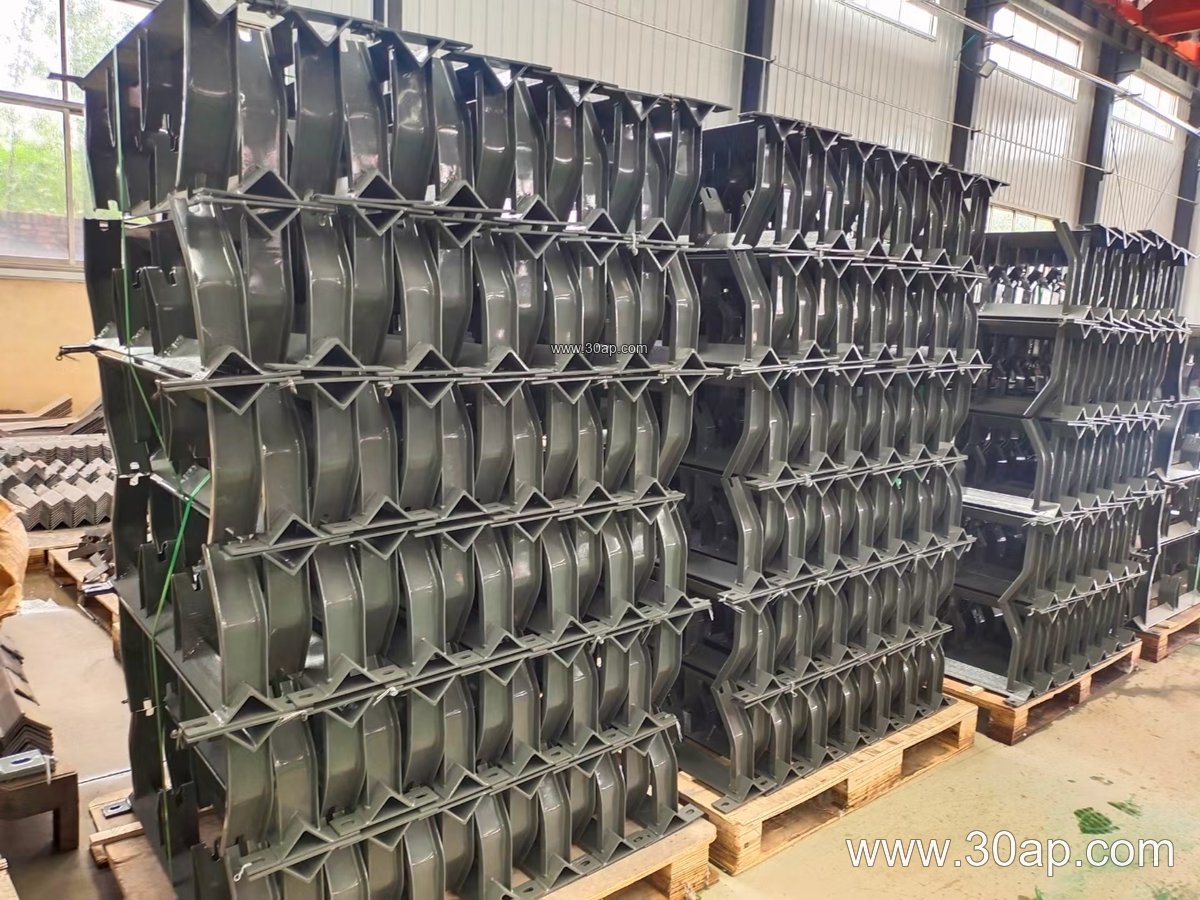
Most units are made from angle steel, channel steel, or folded steel plate. The fabrication is straightforward but needs to be accurate: mounting slots must line up with the idler shaft, and the crossbeam must hold the chosen trough angle without sagging. Common configurations include:
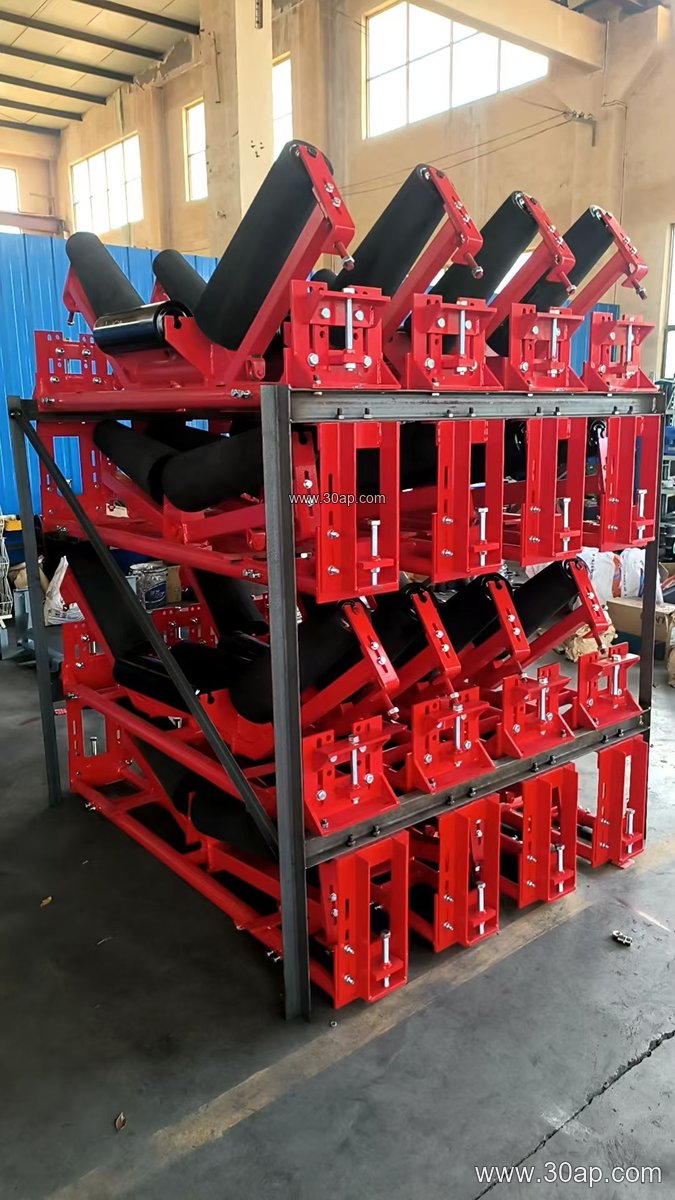
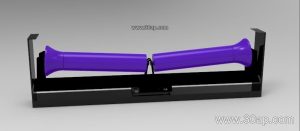
- Troughing brackets for the carrying side, usually set at 20, 30, 35, or 45 degrees
- Transition brackets near pulleys, where the belt changes from flat to troughed
- Return brackets and V-return brackets for the empty side
- Impact brackets under loading points, paired with impact idlers
- Self-aligning and forward-leaning brackets for belt tracking
- Adjustable brackets that allow the trough angle to be changed on site
Surface treatment matters in wet or corrosive settings. Paint, galvanizing, or powder coating are common choices, and the buyer should confirm which one suits the local environment.
Matching Bracket, Belt, and Roller
Bracket selection starts with the belt width and the idler diameter. Common belt widths range from B500 to B2200, and typical roller diameters include Ø89, Ø108, Ø133, Ø159, and Ø194. These are reference ranges, not fixed pairings. A B800 belt might run with a 35-degree bracket and Ø108 rollers in one plant, while a B1200 line in a power plant coal yard may use 45 degrees and Ø133. The mounting hole spacing and crossbeam length change with belt width and trough angle, so they should be confirmed against the actual frame drawing rather than assumed.
| Belt width | Trough angle | Common roller diameter | Typical use |
|---|---|---|---|
| B500 / B650 | 20° or 30° | Ø89 | Small transfer lines, sand and gravel |
| B800 / B1000 | 30° or 35° | Ø108 | Aggregate, cement, crushing circuits |
| B1200 / B1400 | 35° or 45° | Ø133 | Iron ore, coal handling, port terminals |
| B1600 / B1800 | 35° or 45° | Ø159 | Heavy-duty mining and steel plants |
| B2000 / B2200 | 35° or 45° | Ø194 | Large bulk terminals and primary crushing |
The belt itself also influences the choice. A heavy abrasion resistant conveyor belt running at high tonnage may need a stronger bracket and closer idler spacing than a lighter fabric core belt. Where the belt carries hot sinter or clinker, a heat resistant conveyor belt may be used, and the bracket should still allow normal roller expansion and replacement.
Where These Brackets Are Used
You will find conveyor brackets across many bulk handling sites. In a coal washing plant or underground coal mining conveyor, flame retardant and anti-static belts are common, and the brackets must fit within restricted galleries. In a sand and gravel line or crusher discharge, impact brackets protect the belt at the loading point. In a cement plant, the kiln feed and clinker conveyors rely on stable troughing brackets to keep the belt centered. Port ship loaders and stockyard conveyors use wide belts, often with steel cord or high strength fabric construction, and the bracket spacing is set to control belt sag between idlers.
Buyer Checklist
Before ordering, confirm the belt width, trough angle, roller diameter, and mounting dimensions. Ask whether the bracket is fixed or adjustable and whether it is for the carrying or return side. Check the steel grade and finish, and make sure the design allows the idler to be removed without disturbing neighboring rollers. For replacement work, compare the old bracket’s hole pattern and overall height, not just the belt width. A bracket that fits the frame but holds the roller at the wrong height will cause edge wear and tracking problems.
Finally, keep spare brackets on hand for high-wear positions such as transfer points and curve sections. Small structural parts like these are inexpensive compared with the cost of a stopped conveyor, and the right bracket helps the belt, idler roller, and pulley work together as a system.