Understanding the Vertical Idler Bracket
A vertical idler bracket is a specialized mounting component used to support and position idler rollers on a conveyor system. Unlike standard horizontal brackets, this design holds the idler in a vertical orientation, which is particularly useful in applications where space is limited or where the belt path requires a specific guide. This bracket is often employed in vertical curves, transfer points, or as a transition support to maintain proper belt tracking and reduce material spillage.
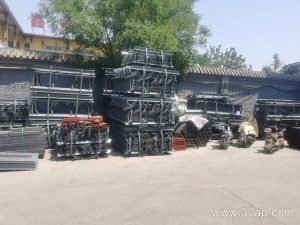
In industries such as mining, coal preparation, cement plants, and power generation, the vertical idler bracket helps ensure that the conveyor belt remains aligned and tensioned correctly. It is commonly fabricated from angle steel, channel steel, or bent steel plate, providing robust support for the idler roller and the conveyor belt under load.
Construction and Design Features
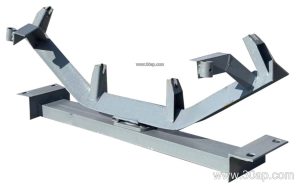
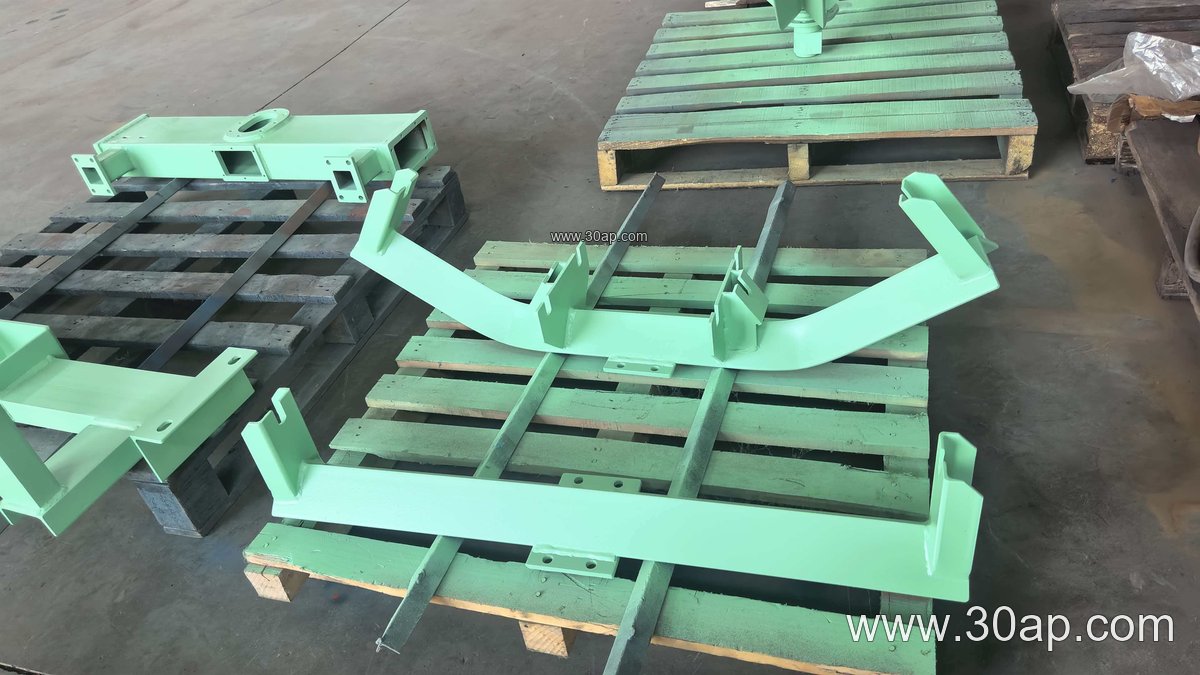
The vertical idler bracket typically consists of a sturdy frame that mounts to the conveyor stringer or structure. The bracket includes a vertical plate or arm with mounting holes to secure the idler shaft. The design may incorporate adjustment slots to fine-tune the idler position, which aids in belt training and reducing edge damage.
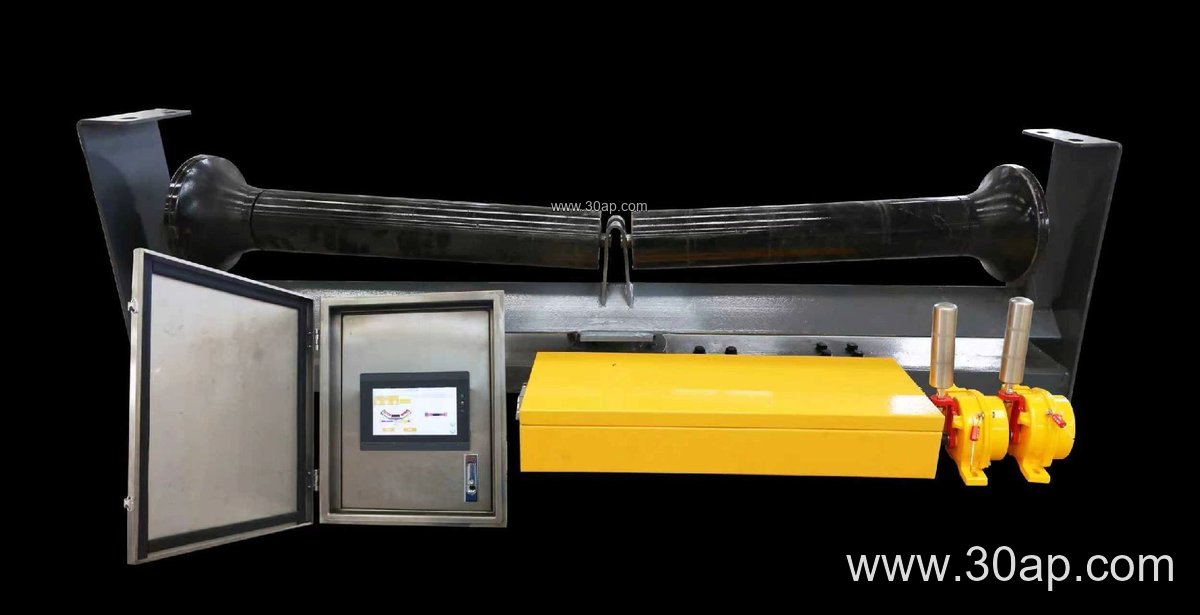
Common materials include:
- Angle steel for lightweight to medium-duty applications
- Channel steel for heavier loads and impact resistance
- Bent steel plate for compact and custom configurations
Surface treatment such as painting or galvanizing is often applied to resist corrosion, especially in outdoor or wet environments like quarries, ports, and wash plants.
Applications in Material Handling
Vertical idler brackets are frequently used in the following areas:
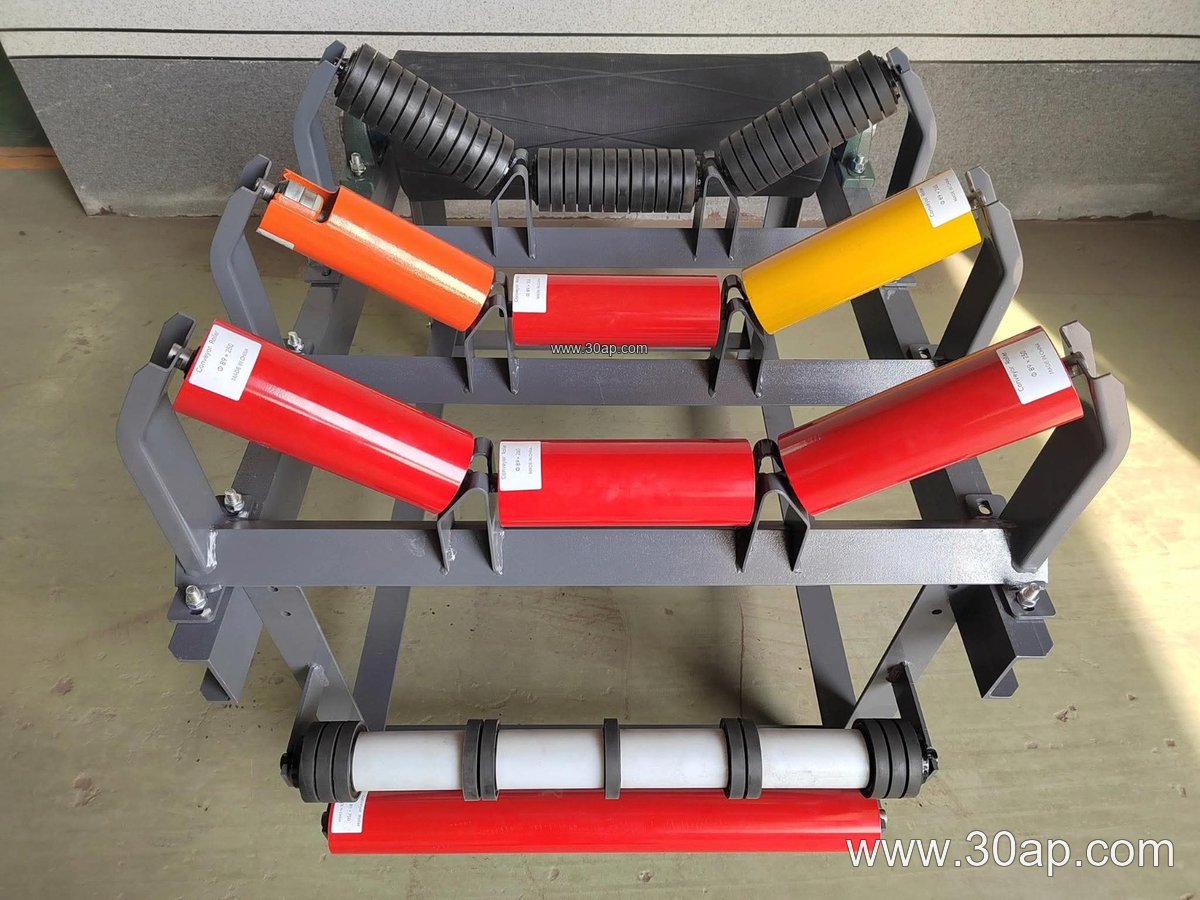
- Belt transition zones where the conveyor belt changes from trough to flat
- Vertical curves to guide the belt and prevent misalignment
- Transfer points to support the belt and minimize spillage
- Underground mining and tunnel excavation where space is constrained
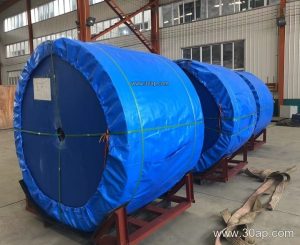
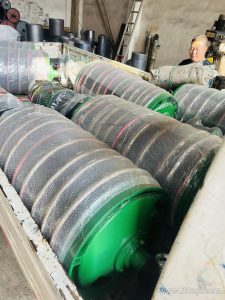
For example, in a coal mining conveyor system, a vertical idler bracket may be paired with a flame retardant conveyor belt and anti-static conveyor belt to ensure safe operation. In a cement plant, it might support an abrasion resistant conveyor belt handling clinker. The bracket works in concert with other components such as the conveyor pulley and idler roller to maintain smooth material flow.
Selection and Sizing Considerations
When selecting a vertical idler bracket, buyers should consider the belt width, idler diameter, and the required trough angle. The bracket must match the conveyor structure and the idler roller’s shaft size. Common belt widths include B500, B650, B800, B1000, B1200, and B1400, while typical idler diameters are Ø89, Ø108, Ø133, and Ø159. The trough angle, such as 20°, 30°, 35°, or 45°, influences the bracket’s geometry and the belt’s material containment.
Installation hole spacing and crossbeam length vary with belt width and trough angle, so these should be confirmed with the conveyor design. Adjustable brackets allow on-site fine-tuning of the trough angle, which is beneficial when handling different materials or when belt tracking issues arise.
Maintenance and Compatibility
Regular inspection of the vertical idler bracket is recommended to check for wear, corrosion, or loosening of fasteners. A well-maintained bracket helps extend the life of the idler roller and the conveyor belt. It is compatible with various belt types, including EP conveyor belt, steel cord conveyor belt, and heat resistant conveyor belt, depending on the application.
For harsh environments, such as those found in iron ore mining or aggregate production, choosing a bracket with reinforced construction and proper coating can reduce downtime. Always refer to the conveyor manufacturer’s specifications for the correct bracket model and installation details.
For more information on conveyor components, visit our website at www.example.com/conveyor-bracket or www.example.com/vertical-idler-bracket.