What a Rubber Conveyor Belt Is
A rubber conveyor belt is the load-carrying component of a belt conveyor, built as a continuous loop that moves bulk material from one point to another. In a quarry, cement plant, coal preparation facility, power station or sand and gravel yard, this belt runs over a series of idler rollers and turns around a head or drive pulley at one end and a tail pulley at the other. The belt itself does the work of carrying the load; the pulleys transmit motion, and the idlers support the belt between them. A conveyor bracket holds the idlers and pulleys in alignment on the frame.
The term covers a broad family. A fabric core conveyor belt uses woven fabric as the strength layer, while a steel cord conveyor belt uses steel wires embedded in rubber. The most common construction in general industry is the EP conveyor belt, which uses polyester warp and nylon weft fabric. An NN conveyor belt uses nylon in both directions. Each construction has its own balance of elongation, impact resistance and troughability.
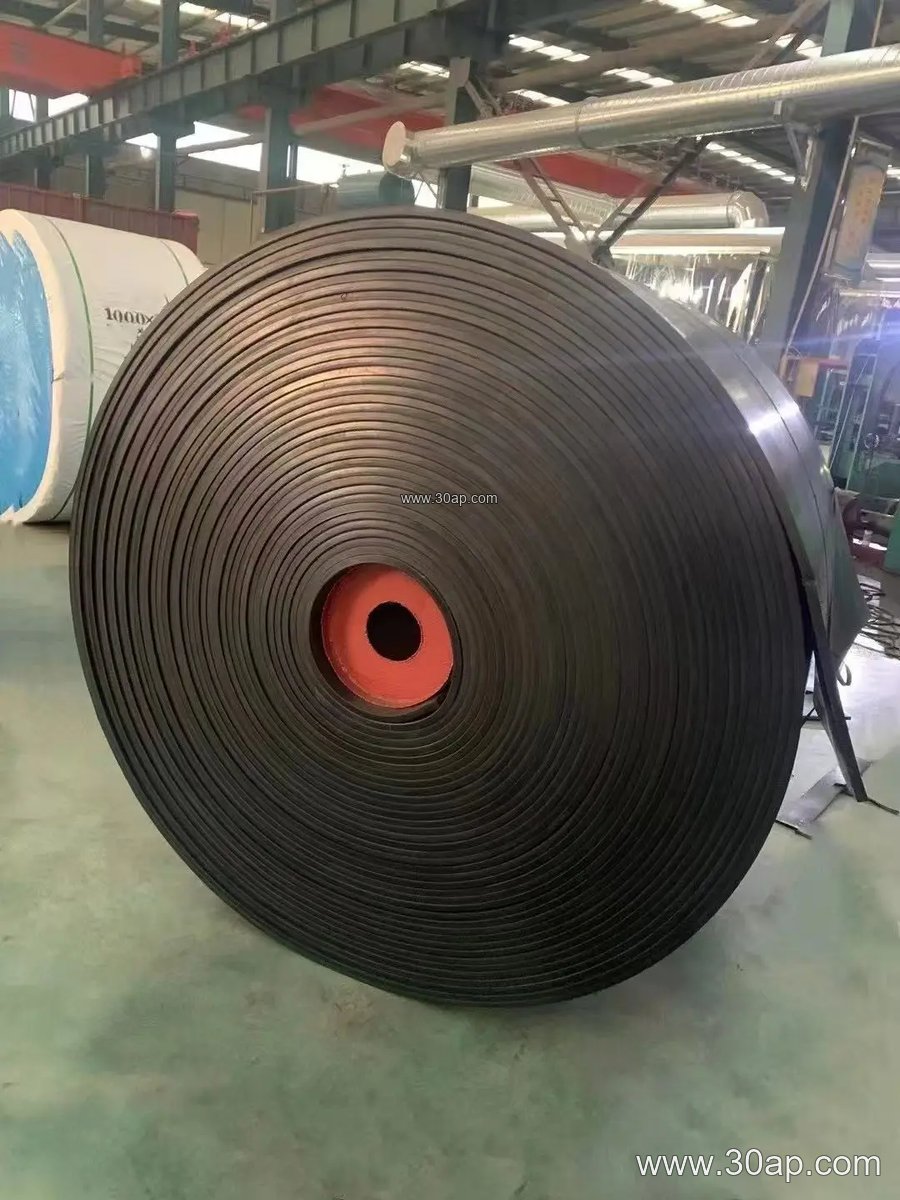
How the Belt Is Built
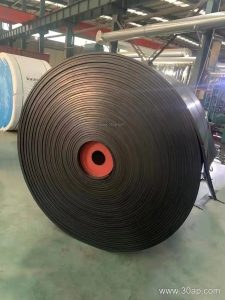
Most rubber conveyor belts are made from three functional layers: the top cover, the carcass and the bottom cover. The carcass provides tensile strength and is made of fabric plies or steel cords. The covers protect the carcass from abrasion, moisture, oil, heat or flame, depending on the compound. A multi-ply fabric core conveyor belt typically uses two to six plies, while heavier duty belts may use more.
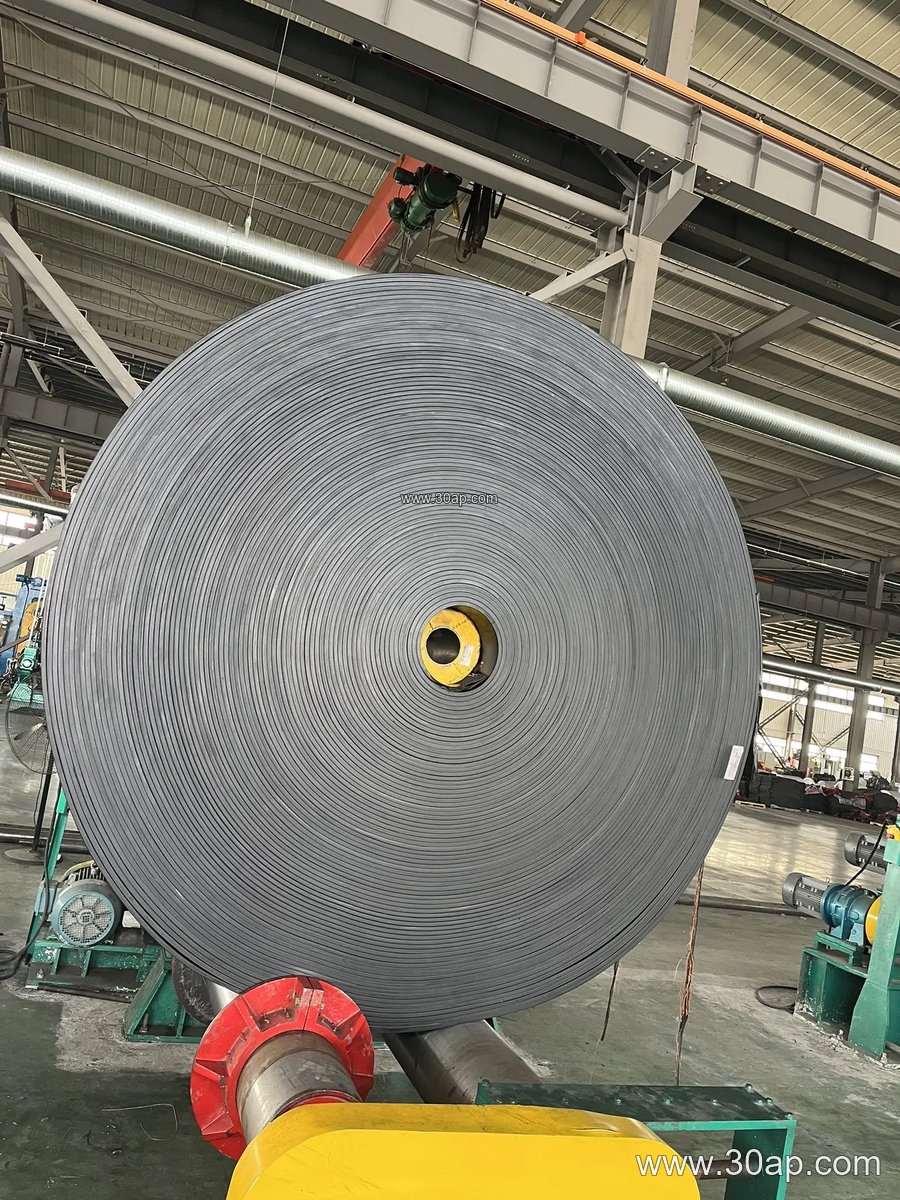
Cover thickness is usually stated as top plus bottom, for example 4+2 mm, 5+2 mm, 6+2 mm or 8+3 mm. The right combination depends on the material being carried, the drop height at loading points and the pulley diameters in the system. A thicker cover extends service life under abrasive rock, but it also makes the belt stiffer, so it must still flex around the pulleys without cracking.
Common Constructions and Where They Fit
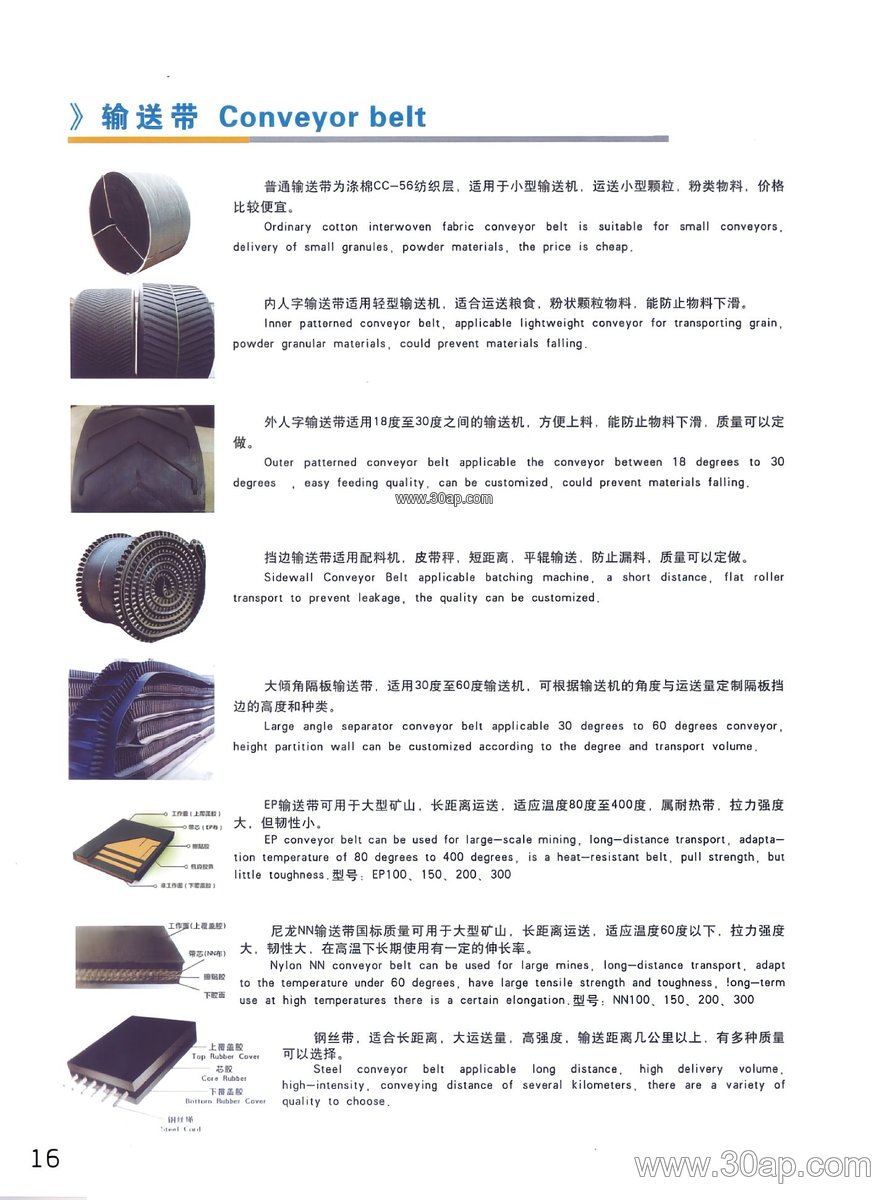
Buyers usually start with the carcass type, then choose the cover compound and thickness. The table below shows typical constructions and applications; these are reference categories, not a fixed specification for every plant.
- EP conveyor belt: general bulk handling in quarries, cement plants and power stations; grades such as EP200, EP400, EP630 and EP1000 are common.
- NN conveyor belt: good flexibility and impact resistance for crusher discharge and aggregate lines.
- Steel cord conveyor belt: long overland runs and high tonnage, with strength classes such as ST1000, ST1600 and ST2500.
- PVC and PVG conveyor belt: underground coal mining and flame retardant duties, for example PVG800S.
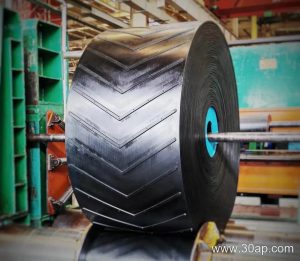
- Chevron conveyor belt: inclined conveying where material would otherwise slide back.
- Corrugated sidewall conveyor belt: steep inclines with cleats and sidewalls to contain the load.
- Pipe conveyor belt: enclosed transport that curves around obstacles and reduces dust.
Widths, Strength Grades and Cover Options
Belt width is matched to the tonnage and lump size, not chosen in isolation. Common widths include 500 mm, 650 mm, 800 mm, 1000 mm, 1200 mm, 1400 mm, 1600 mm, 1800 mm and 2000 mm. Wide belts such as a 1200 mm or 1800 mm wide conveyor belt are used where high capacity is needed, but the pulley diameters and idler roller spacing must be designed to suit the belt’s stiffness.
Cover compounds are selected by duty. An abrasion resistant conveyor belt suits crushed stone and ore; a heat resistant conveyor belt handles clinker or sinter; a flame retardant conveyor belt is used in coal mining and other fire-sensitive areas; an oil resistant conveyor belt suits recycled material and oily feedstock; a cold resistant belt is used in freezing climates. Anti-static grades are often specified alongside flame retardant properties underground.
What a Buyer Should Check
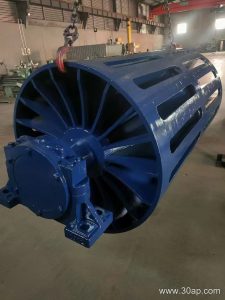
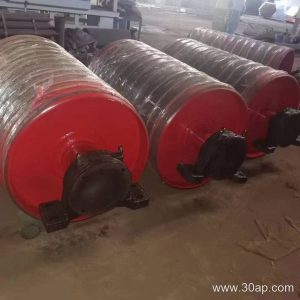
Before ordering, confirm the material type, lump size, moisture, temperature and any chemical exposure. Check the conveyor layout: center distance, incline angle, trough angle and the diameters of the drive, tail and bend pulleys. These pulley types are not interchangeable, and each affects the minimum belt thickness and flexibility. Also confirm the idler roller diameter and spacing, since close spacing supports a heavy belt better on impact zones.
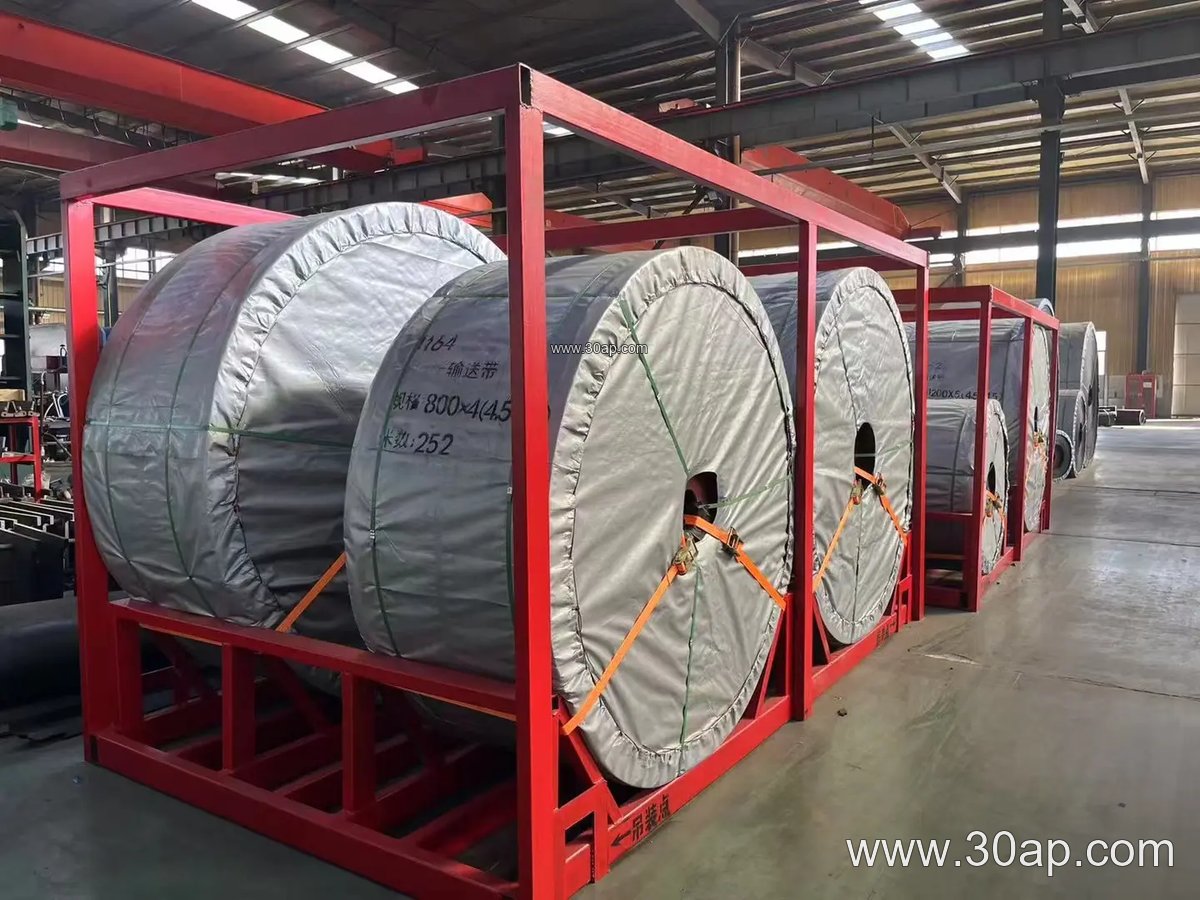
Ask for the carcass type, number of plies or cord class, cover thickness and compound grade in writing. A sample of the actual belt is useful for checking edge quality and cover hardness. Finally, plan storage and splicing: belts should be stored flat, away from sunlight and ozone sources, and splicing method should match the carcass.