What a Conveyor Support Bracket Does
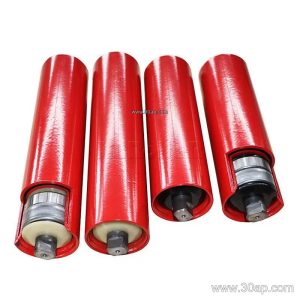
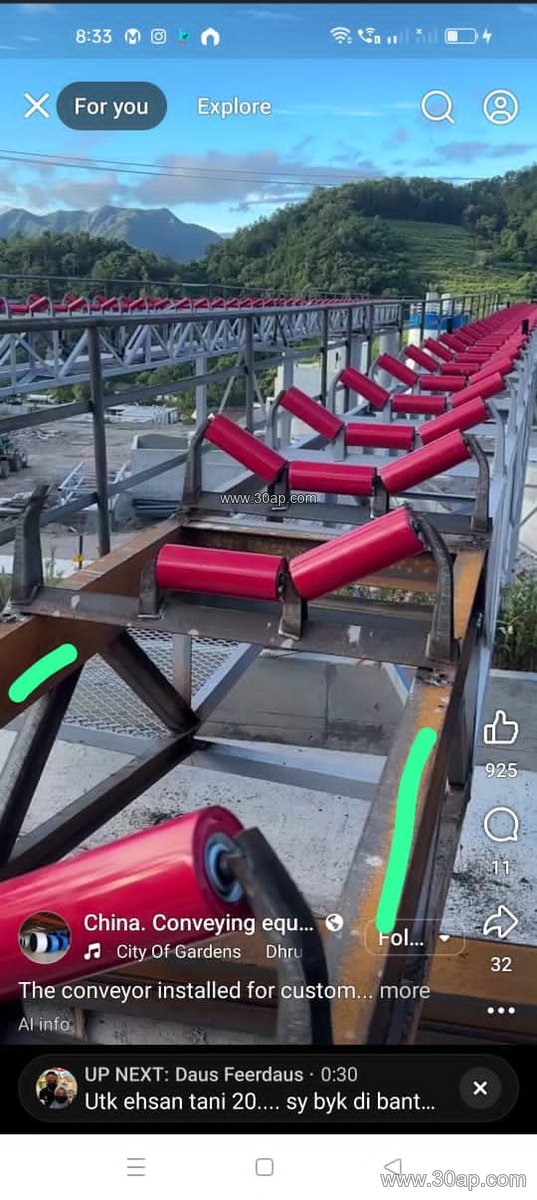
A conveyor support bracket is the structural interface between the idler roller and the conveyor frame. It holds each roller at the correct height, angle, and spacing so the conveyor belt runs smoothly under load. Often called a conveyor bracket or idler support bracket, this component carries the weight of the belt, material, and roller while maintaining alignment. In quarry, cement, and power plant applications, a well-matched bracket prevents belt edge damage and reduces spillage.
The bracket itself is not a wear part in the same way as a roller, but it determines how evenly the load is distributed. A poorly fitted bracket can cause the belt to track off-center or the roller to sit loose in its mount.
Construction and Common Materials
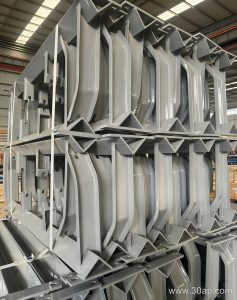
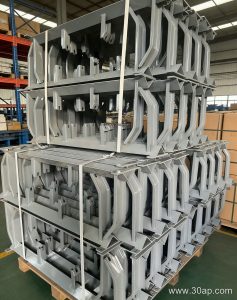
Most brackets are fabricated from angle steel, channel steel, or folded steel plate. The material thickness and finish are usually selected according to the conveyor duty and environment. For dusty or wet conditions, a painted or galvanized surface helps resist corrosion.
Common types include troughing brackets for carrying idlers, return brackets for the lower run, impact brackets at loading points, and self-aligning brackets for belt tracking. Adjustable versions allow the trough angle to be set on site, which is useful when the belt is replaced or the material flow changes.
Typical Dimensions and Configurations
Bracket dimensions follow the belt width and roller diameter. The table below shows common reference combinations; actual mounting hole spacing and beam length are determined by design.
| Belt Width | Trough Angle | Roller Diameter | Typical Bracket Type |
|---|---|---|---|
| B500 | 20–30° | Ø89 | Troughing |
| B650 | 30° | Ø89–Ø108 | Troughing / Return |
| B800 | 35° | Ø108 | Troughing / Impact |
| B1000 | 35–45° | Ø108–Ø133 | Troughing / Self-aligning |
| B1200 | 35–45° | Ø133 | Troughing / Return |
| B1400 | 35–45° | Ø133–Ø159 | Troughing |
| B1600 | 35–45° | Ø159 | Troughing / Impact |
| B1800 | 35–45° | Ø159–Ø194 | Troughing |
| B2000 | 35–45° | Ø194 | Troughing / Return |
These values are common references, not fixed rules. A B800 belt may use a 30° or 35° trough angle depending on the material and capacity requirement. Forward-leaning brackets are often set at about 1.5° to 2° to help center the belt.
Where It Fits in the Conveyor System
In a limestone quarry or a coal handling section of a power plant, the brackets are bolted to the stringers at regular intervals. The carrying side usually uses troughing brackets with three rollers, while the return side may use a flat bracket or a V-return bracket. At the transfer point, impact brackets with rubber cushions absorb the drop energy from the crusher or chute.
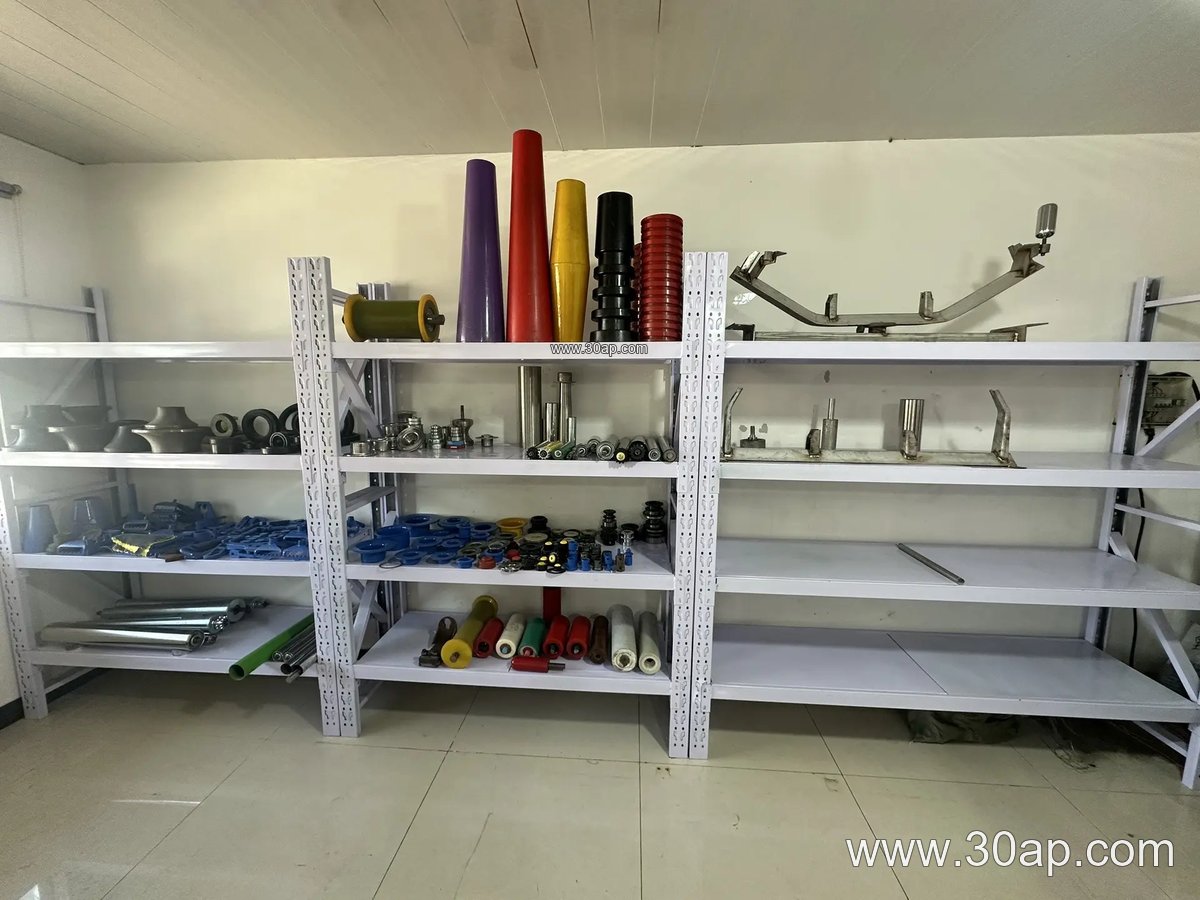
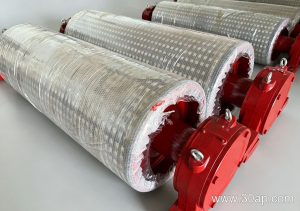
The bracket works together with the conveyor belt, conveyor pulley, and idler roller. A mismatch between bracket spacing and roller diameter can shorten roller bearing life. For example, a heavy-duty mining conveyor belt running on a B1200 frame with Ø133 rollers needs brackets that keep the trough angle stable under load.
Selection and Maintenance Notes
Buyers should confirm the belt width, roller diameter, trough angle, and mounting hole pattern before ordering. For abrasive materials such as iron ore or cement clinker, thicker steel or reinforced brackets reduce deformation. In cold climates, avoid brackets with sharp edges that can crack under impact.
- Check that the bracket type matches the roller: troughing, return, impact, or self-aligning.
- Verify hole spacing against the existing frame; do not assume a standard pitch.
- Use adjustable brackets where the trough angle may need fine-tuning after belt installation.
- Inspect for loose bolts and bent beams during routine shutdowns.
For fabric core belts such as EP conveyor belt or NN conveyor belt, standard troughing brackets are usually sufficient. Steel cord conveyor belt systems may require heavier brackets and closer spacing to handle higher tension. Flame retardant conveyor belt used in underground coal mining also demands brackets that do not create spark risks during maintenance.
Whether the site is a sand and gravel line, a fertilizer plant, or a port loading facility, the conveyor support bracket remains a small but critical link in keeping the belt centered and the rollers turning freely.