What Is a Belt Conveyor Idler Frame?
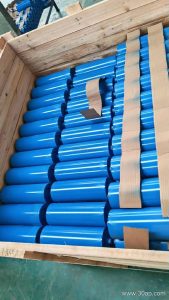
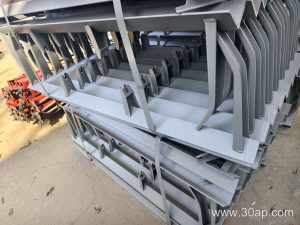
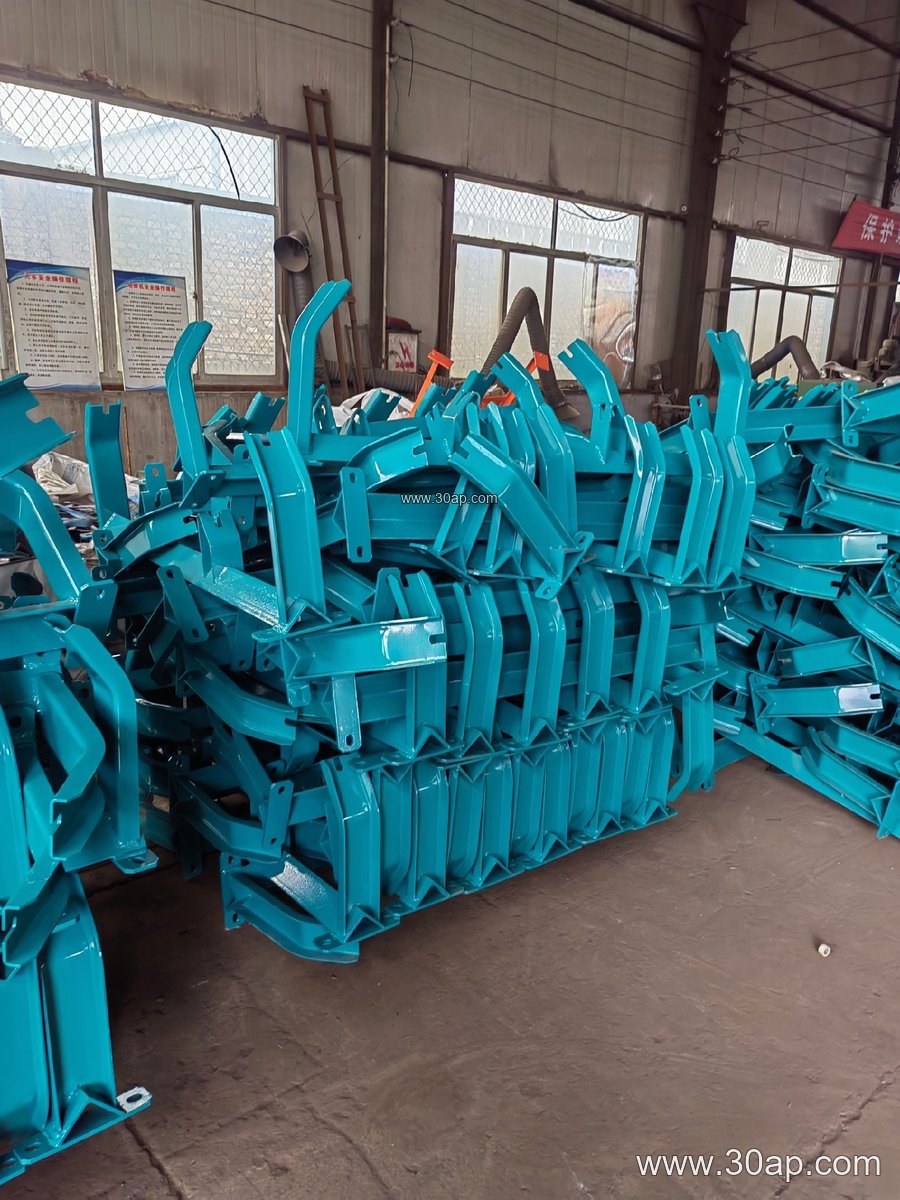
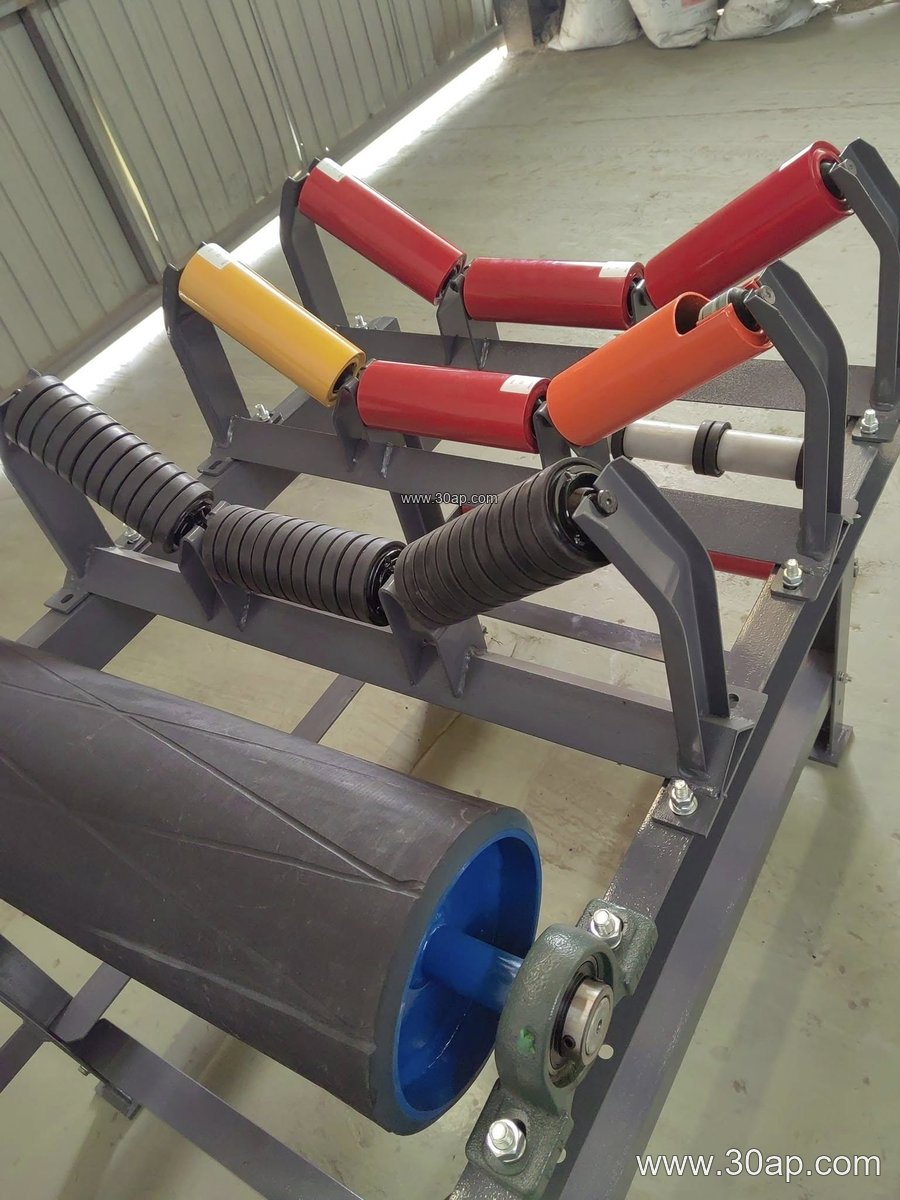
A belt conveyor idler frame is the structural component that holds the idler rollers in position along a conveyor system. Often called a conveyor idler frame or roller support frame, it provides the mounting base for carrying and return idlers, ensuring the conveyor belt maintains proper alignment and trough shape. In a typical bulk material handling setup, the frame works together with the conveyor belt, idler roller, and conveyor pulley to keep material moving efficiently. Whether in a quarry, cement plant, or power station coal yard, the idler frame is a small but critical part of the conveyor structure.
Construction and Design
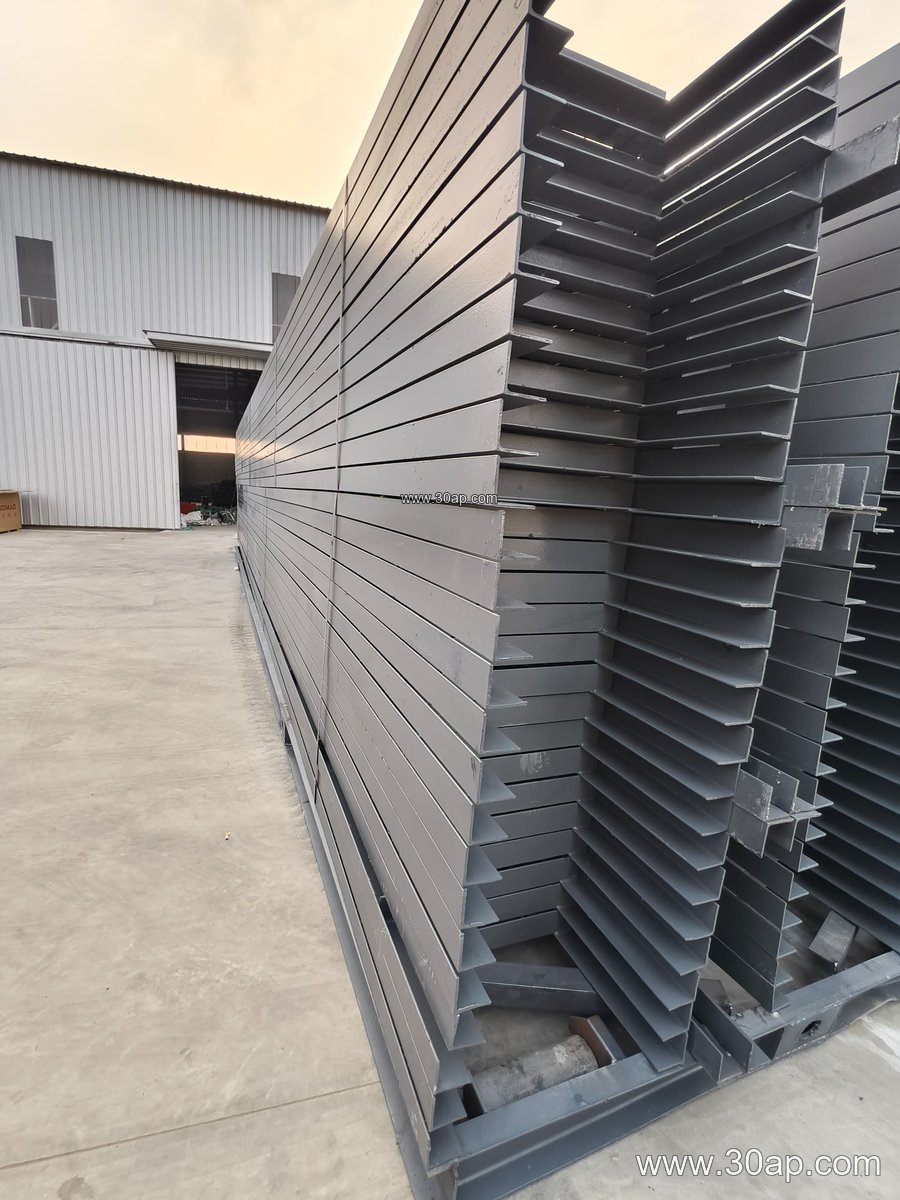
Most idler frames are fabricated from angle steel, channel steel, or bent steel plate. The choice of material and thickness depends on the load and environmental conditions. A well-built frame must resist vibration, impact, and corrosion while keeping the idlers at the correct angle and spacing. Common types include troughing frames (for carrying idlers), transition frames, return frames, and impact frames. Adjustable frames allow the trough angle to be set between 20°, 30°, 35°, and 45°, which helps optimize belt loading and material containment. Forward-leaning frames, often set at about 1.5° to 2°, assist in belt training.
Where It Is Used
Belt conveyor idler frames appear in almost every industry that relies on belt conveyors. In a limestone quarry or aggregate plant, heavy-duty frames support idlers under sharp rock and high impact. In a coal-fired power plant, flame-retardant and anti-static belts run over frames designed for dusty, potentially explosive environments. Cement plants use them in clinker and raw meal transport, while steel mills and sintering plants rely on robust frames to handle hot or abrasive materials. The frame must match the belt width and idler diameter to ensure smooth operation.
Matching Frames with Belt and Idler Dimensions
Selecting the right frame involves considering belt width, idler diameter, and trough angle. Common belt widths include B500, B650, B800, B1000, B1200, B1400, B1600, B1800, B2000, B2200. Idler diameters typically range from Ø89 to Ø194. The table below gives examples of possible combinations, but these are not fixed rules—actual selection depends on the conveyor design and loading conditions.
| Belt Width | Trough Angle | Typical Idler Diameter |
|---|---|---|
| B500 | 20°–30° | Ø89 |
| B650 | 30° | Ø89–Ø108 |
| B800 | 35° | Ø108 |
| B1000 | 35°–45° | Ø108–Ø133 |
| B1200 | 45° | Ø133 |
| B1400 | 35°–45° | Ø133–Ø159 |
| B1600 | 35°–45° | Ø159 |
| B1800 | 35°–45° | Ø159–Ø194 |
| B2000 | 35°–45° | Ø194 |
Installation hole spacing and beam length vary with belt width and trough angle; they are determined by the conveyor manufacturer. A frame that is too narrow or too wide can cause belt misalignment and premature wear.
Buying Considerations
When purchasing belt conveyor idler frames, buyers should specify the belt width, idler diameter, trough angle, and frame type (fixed or adjustable). The material of construction—painted steel, galvanized, or stainless—should suit the environment. For dusty or corrosive locations, consider abrasion resistant conveyor belt and flame retardant conveyor belt in combination with well-sealed idlers and frames. Also, ensure the frame design allows easy idler replacement without removing the belt. In coal mining or underground applications, frames must meet specific safety and fire-resistance requirements. For general material handling, standard frames are usually sufficient, but heavy-duty mining conveyors may require reinforced structures.
Maintenance is straightforward: inspect frames for bending, corrosion, or loose bolts, and replace damaged units promptly. Properly installed frames extend the life of idler rollers and the conveyor belt itself. For more information on conveyor components, visit our conveyor idler frame page and explore related products like conveyor bracket and conveyor pulley.