What the EP800 Conveyor Belt Is
The EP800 conveyor belt is a fabric-core belt built around polyester warp and polyamide weft cords. The designation EP800 refers to a nominal tensile strength of 800 N/mm per ply, making it a mid-to-high strength option in the EP conveyor belt family. It is often called an EP fabric core conveyor belt or simply an EP rubber conveyor belt, and it sits between lighter EP400 or EP630 constructions and heavier EP1000 or EP1250 belts. Buyers who need more capacity than a standard multi-ply fabric core belt can provide, but who do not require the very high tension of a steel cord conveyor belt, frequently specify this grade.
Construction and Build
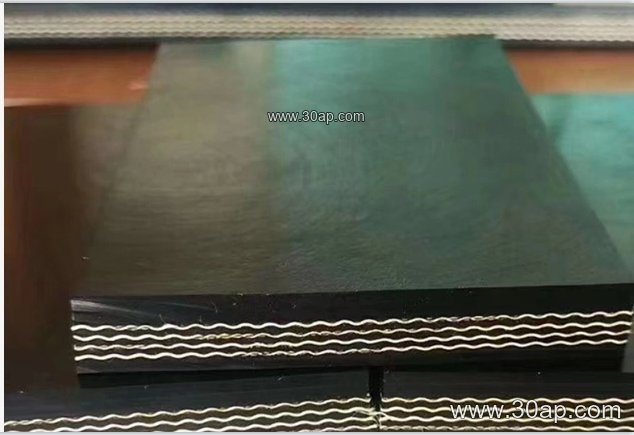
An EP800 belt typically combines two to six plies of EP fabric, bonded with rubber skim compounds and protected by top and bottom cover rubber. Common cover thicknesses include 4+2 mm, 5+2 mm, 6+2 mm and 8+3 mm, with the first figure representing the carrying-side cover and the second the pulley-side cover. The rubber grade is selected for the duty: abrasion resistant, heat resistant, oil resistant, flame retardant, anti-static or cold resistant compounds are all available. The carcass is usually protected by rubber edges to reduce wicking and edge damage.
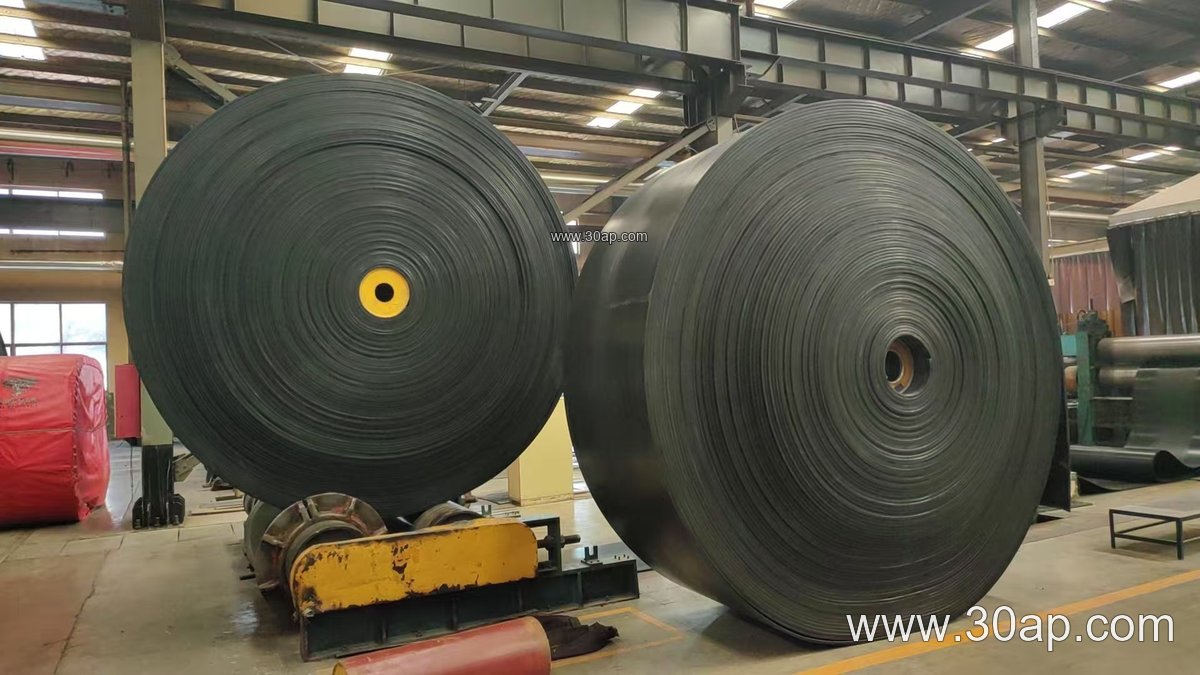
Because the carcass is fabric-based, the belt is flexible and trains well on conventional troughing idler rollers. It is less stiff than a steel cord belt and generally easier to handle during installation. Splice design should match the fabric construction and the number of plies; a vulcanized step splice is common for permanent joints, while mechanical fasteners may be used for shorter or temporary runs.
Typical Applications
The EP800 conveyor belt is widely used in mining, coal preparation, cement plants, power stations, quarries, sand and gravel operations, and port bulk terminals. It handles crushed stone, ore, clinker, coal, aggregate and similar bulk materials. In a crushing circuit it often serves as a crusher conveyor belt or rock conveyor belt, while in a quarry it may run as a quarry conveyor belt or aggregate conveyor belt. For underground coal mining, flame retardant and anti-static versions are commonly specified.
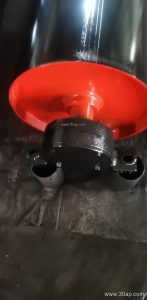
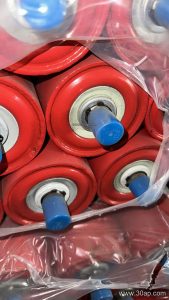
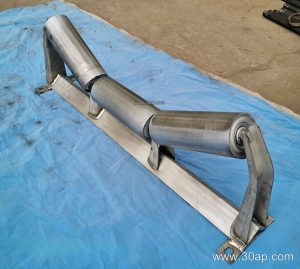
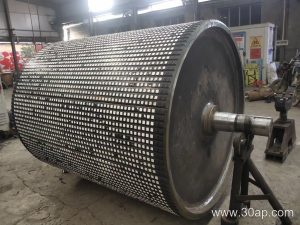
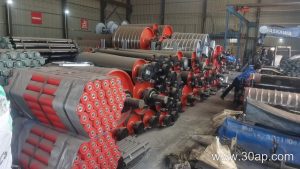
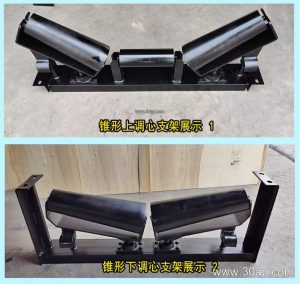
On a typical conveyor, the belt runs over a series of idler rollers and around a head pulley, tail pulley and bend pulleys. Each pulley has a specific role, and they are not interchangeable. The drive pulley transmits power, the tail pulley provides belt tension and return, and bend pulleys change belt direction. The belt also sits within a conveyor bracket or frame that keeps the structure aligned. Proper alignment of pulleys, idlers and brackets helps prevent edge wear and mistracking.
Specifications and Options
EP800 belts are produced in a range of widths and constructions. The table below shows common reference values; actual supply should be confirmed with the manufacturer.
| Parameter | Common Options |
|---|---|
| Belt width | B500, B650, B800, B1000, B1200, B1400, B1600, B1800 |
| Nominal strength | EP800 (800 N/mm per ply) |
| Number of plies | 2 to 6 |
| Cover thickness | 4+2 mm, 5+2 mm, 6+2 mm, 8+3 mm |
| Cover grades | Abrasion resistant, heat resistant, oil resistant, flame retardant, anti-static, cold resistant |
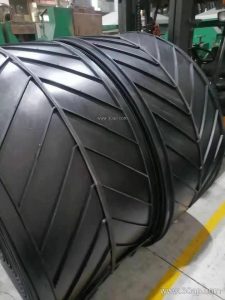
Width selection depends on the tonnage, material lump size and conveyor design, not on a fixed rule. A 800mm wide EP800 belt and a 1200mm wide EP800 belt can both be correct for different duty points. Surface forms such as a chevron conveyor belt or a corrugated sidewall belt are separate designs and should be chosen only when the application requires them.
Buyer Checklist
- Confirm the required tensile grade and number of plies for the conveyor’s calculated tension.
- Match the cover grade to the material: abrasive rock, hot clinker, oily scrap or coal with flame retardant needs.
- Check pulley diameters and idler roller spacing against the belt’s minimum bend radius recommendations.
- Specify splice type and whether an endless conveyor belt is required.
- Review edge protection and whether a skirted conveyor belt or corrugated sidewall is needed for steep inclines.
- Ask for the manufacturer’s data sheet for cover hardness, elongation and adhesion values.
For comparable duty, an NN conveyor belt uses nylon warp and weft and may offer different elongation behavior, while a steel cord conveyor belt uses brass-plated wires for very high tension and long center distances. The EP800 belt remains a practical middle ground for many bulk material conveyor systems.