What Is a Stone Crushing Conveyor Belt
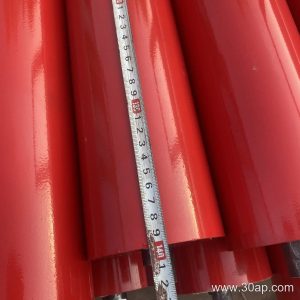
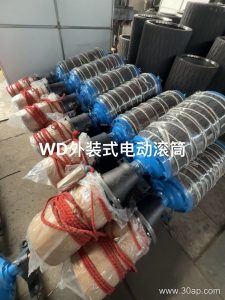
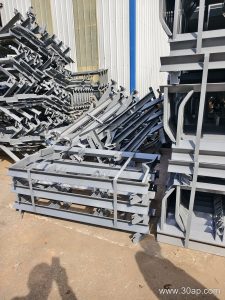
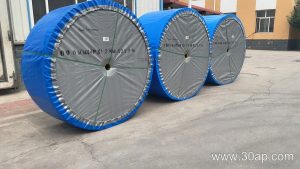
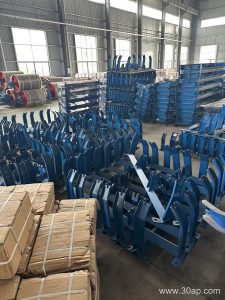
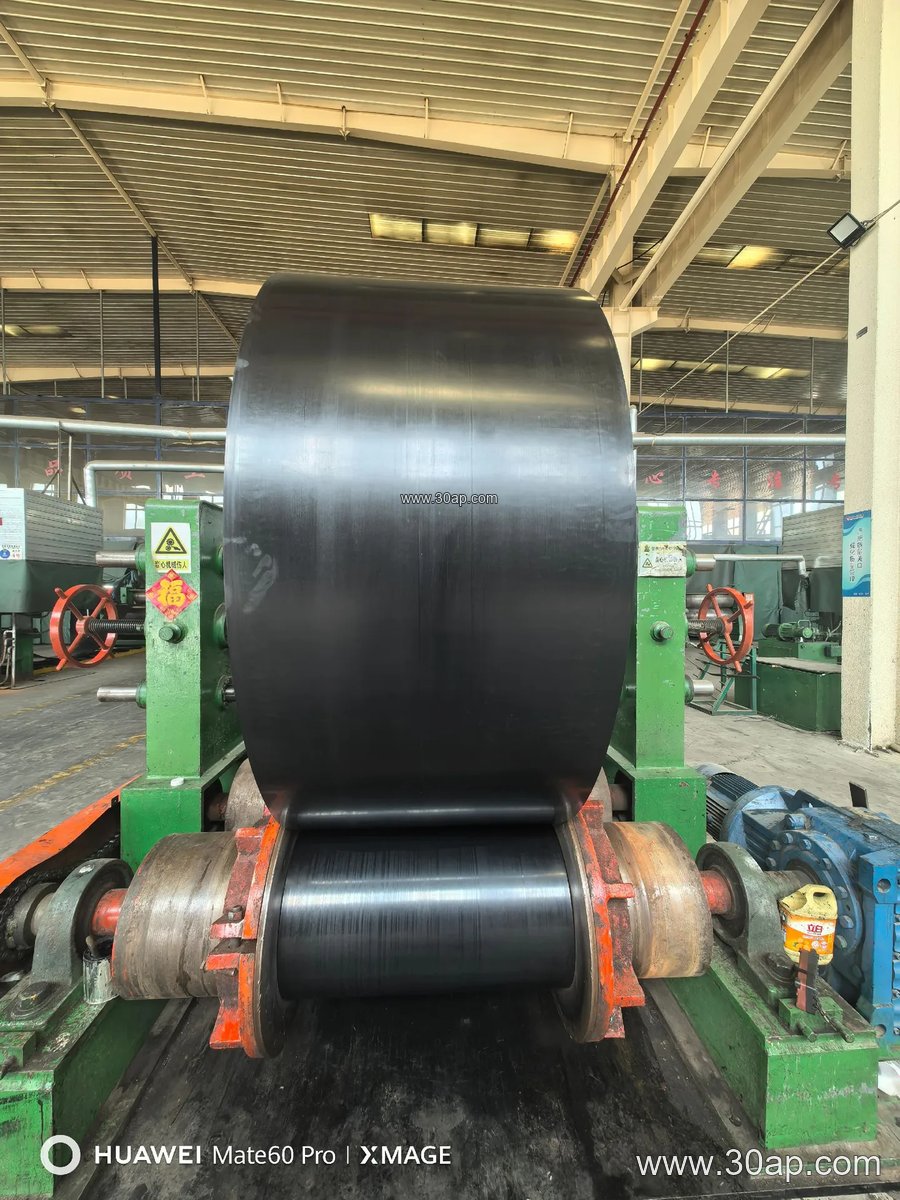
A stone crushing conveyor belt is the heavy-duty belt used to move blasted rock, crushed stone, sand, and aggregate from the crusher discharge point to screens, stockpiles, or transfer towers. Unlike a general-purpose belt, it must tolerate sharp edges, impact from large lumps, and abrasive dust. In quarry and mining circuits, this belt is often specified as a heavy-duty mining conveyor belt or an abrasion resistant conveyor belt, and it works alongside conveyor pulleys, idler rollers, and conveyor brackets that support the entire conveyor frame.
Buyers frequently refer to it as a crusher conveyor belt or a rock conveyor belt. The same product may also be called a quarry conveyor belt or an aggregate conveyor belt when it serves a sand and gravel plant. These are equivalent names for the same duty, not different products.
Construction and Common Belt Types
The carcass and cover compound determine how well the belt survives stone crushing duty. Common constructions include:
- EP conveyor belt – polyester fabric core, widely used for primary and secondary crushing lines.
- NN conveyor belt – nylon fabric core, with good flexibility and fatigue resistance.
- Steel cord conveyor belt – used for long overland runs and high tension in large mines.
- Multi-ply fabric core conveyor belt – 2 to 6 plies are common, depending on load and incline.
Cover rubber is usually selected for abrasion resistance, with common gauges such as 4+2 mm, 5+2 mm, 6+2 mm, and 8+3 mm. Impact resistant conveyor belt grades help at the crusher discharge, while heat resistant conveyor belt grades may be needed where hot material is handled. In underground coal mining, flame retardant conveyor belt and anti-static conveyor belt properties are often required by site rules.
Typical Sizes and Strength Grades
Stone crushing lines use a range of belt widths. Common widths include B500, B650, B800, B1000, B1200, B1400, B1600, B1800, and B2000. The table below shows reference data only; final selection depends on conveyor design, lump size, and throughput.
| Belt Type | Strength Grade (Reference) | Typical Width Range | Common Cover Gauge |
|---|---|---|---|
| EP conveyor belt | EP200, EP315, EP400, EP500, EP630, EP800 | B500–B1400 | 4+2 mm, 5+2 mm |
| NN conveyor belt | NN100, NN200, NN300 | B500–B1200 | 4+2 mm, 6+2 mm |
| Steel cord conveyor belt | ST1000, ST1250, ST1600 | B800–B2000 | 6+2 mm, 8+3 mm |
| PVG conveyor belt | PVG800, PVG800S | B650–B1200 | Per underground specification |
These values are not universal. A 1200mm wide conveyor belt may be paired with different pulley diameters and shaft sizes depending on the conveyor manufacturer’s calculation. Belt width alone does not fix pulley diameter or shaft diameter.
Where It Is Used
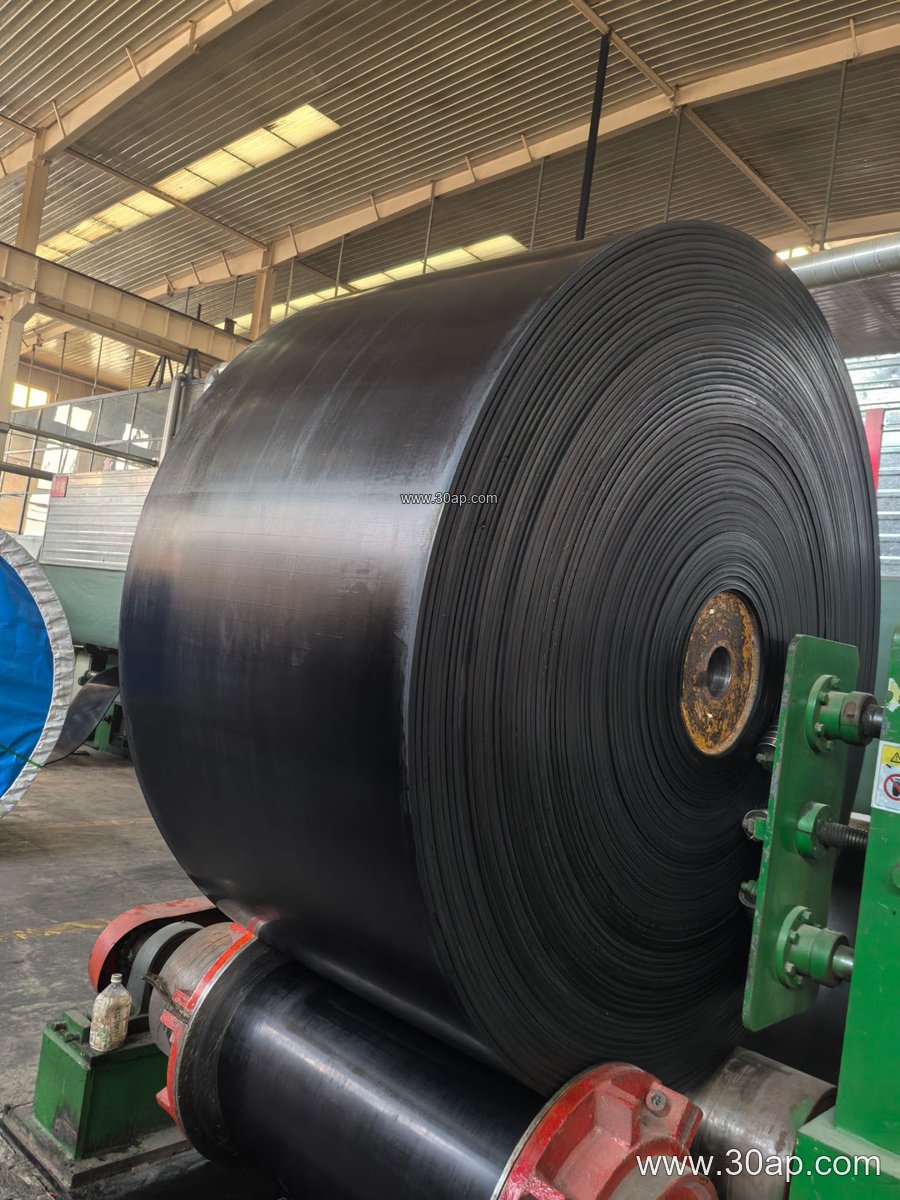
Stone crushing conveyor belts appear in mines, quarries, cement plants, power plants, and sand and gravel plants. In a sand making plant conveyor belt, they carry screened stone to stockpiles. In a cement plant conveyor belt system, they feed limestone and clinker. In a port conveyor belt or ship loading conveyor belt, they move bulk material at high capacity. Other common service conditions include:
- Iron ore conveyor belt and copper ore conveyor belt lines in metal mining.
- Coal mining conveyor belt and underground mining conveyor belt systems.
- Recycling conveyor belt and construction industry conveyor belt circuits.
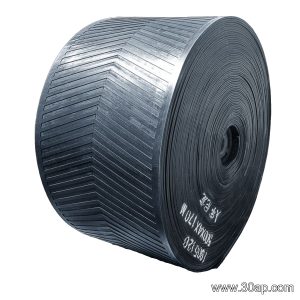
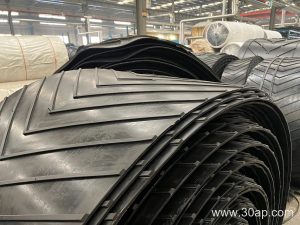
The same belt family may be supplied as an endless conveyor belt for fixed-length runs, or as a chevron conveyor belt / corrugated sidewall conveyor belt where the incline is steep and material must be contained.
Buyer Checklist
Before ordering, confirm the following with the conveyor designer:
- Required strength grade and number of plies for the duty.
- Belt width, cover thickness, and whether abrasion resistant or impact resistant covers are needed.
- Environmental conditions that call for cold resistant, oil resistant, or heat resistant grades.
- Flame retardant and anti-static requirements for underground or coal handling service.
- Pulley, idler roller, and conveyor bracket details so the belt matches the frame and take-up.
Request the belt data sheet and confirm that the offered construction matches the conveyor’s tension and load calculations. For stone crushing service, the belt, pulleys, and idlers should be treated as one system rather than selected separately.