What a Copper Ore Conveyor Belt Has to Handle
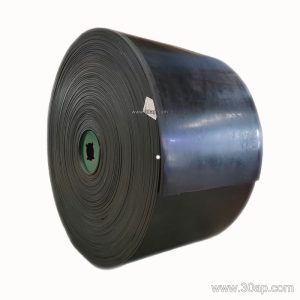
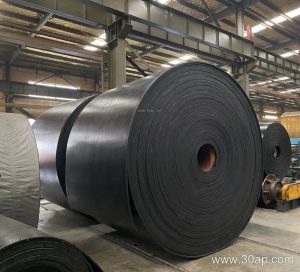
Copper ore is heavy, sharp-edged, and often wet or dusty when it leaves the crusher or mill feed station. A Copper Ore Conveyor Belt is therefore built as a heavy-duty bulk material conveyor belt, usually with a thick abrasion resistant cover and a strong carcass. The belt must survive impact at the loading point, resist cutting from lump ore, and keep tracking on long inclined routes between the pit, stockpile, and concentrator. In many plants the same circuit also carries waste rock, so the belt is often specified as an ore conveyor belt rather than a general-purpose unit.
The working environment matters as much as the ore itself. A copper mine may be hot and dry, or wet and cold at high altitude. A port or ship loading terminal adds salt air and long transfer distances. Each condition pushes the specification toward a different cover compound or carcass type.
Construction of the Belt
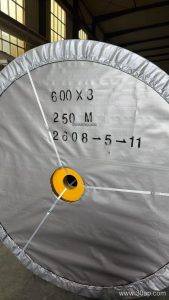
Most copper ore belts use a fabric core or steel cord carcass. Fabric core options include EP conveyor belt and NN conveyor belt constructions, where polyester or nylon plies carry the tension. Multi-ply fabric core belts with two to six plies are common on medium and long conveyors. Steel cord conveyor belt designs such as ST1000, ST1250, ST1600, ST2000, and ST2500 are chosen for high tension and long center distances, especially where a single flight replaces several transfer points.
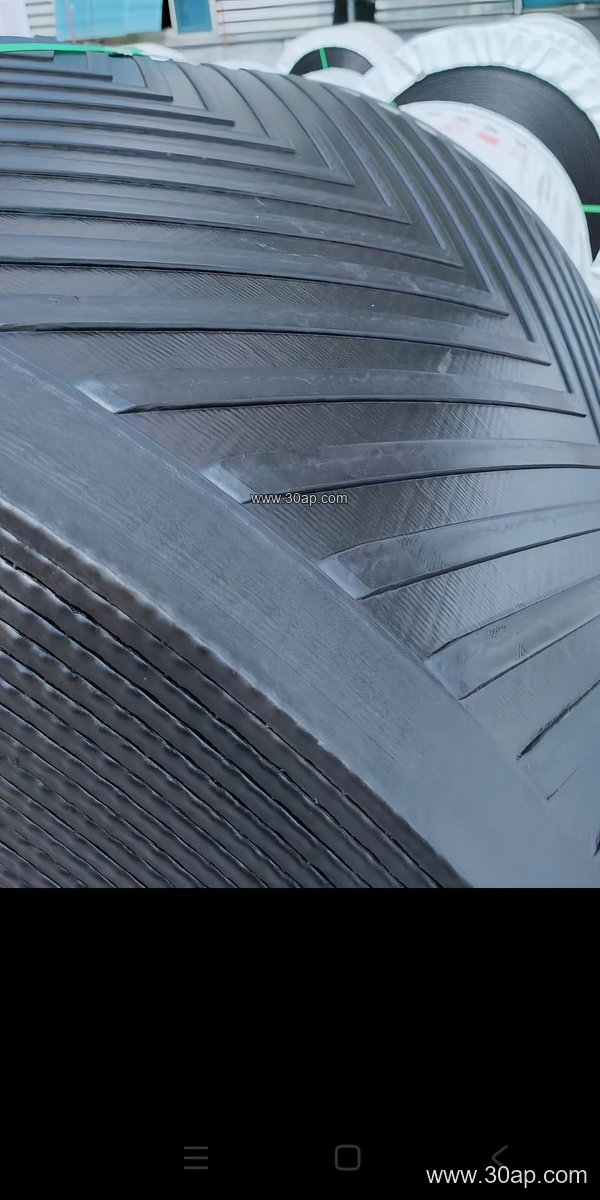
The cover is the part that meets the ore. Abrasion resistant conveyor belt grades are the normal choice, often with a high abrasion resistant compound for lump copper ore. Cover thickness is stated as top plus bottom, for example 6+2 mm or 8+3 mm, and thicker covers are used at impact zones. Where dust and fine ore create a fire risk in enclosed galleries, a flame retardant conveyor belt or fire resistant conveyor belt grade is specified. Cold climates may call for a cold resistant conveyor belt, and oily or chemical-laden ore may need an oil resistant conveyor belt.
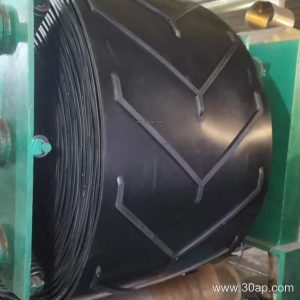
Other belt forms appear in copper circuits for specific reasons: a chevron conveyor belt or corrugated sidewall conveyor belt on steep inclines, a pipe conveyor belt where dust control and route flexibility are needed, and an endless conveyor belt for vulcanized joints that reduce splice maintenance.
Typical Service Conditions
Copper ore belts are found in open-pit mines, underground mines, concentrators, smelters, cement and aggregate plants handling similar rock, power plant fuel yards, and port stockyards. The table below shows common reference ranges; final values are set by conveyor design.
- Belt width: B650, B800, B1000, B1200, B1400, B1600, B1800, B2000 mm
- Fabric strength grades: EP200, EP315, EP400, EP500, EP630, EP800, EP1000, EP1250
- Steel cord grades: ST1000, ST1250, ST1600, ST2000, ST2500
- Cover thickness: 4+2, 5+2, 6+2, 8+3 mm
- Carcass plies: 2 to 6 layers in fabric designs
These figures are reference data only. A 1200 mm belt may run on different pulley diameters depending on tension and wrap angle, so width and pulley size are matched through conveyor design, not by a fixed rule.
Buyer Checklist
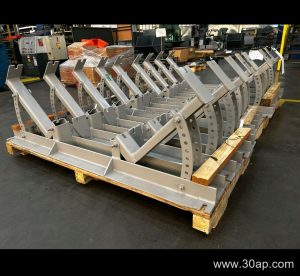
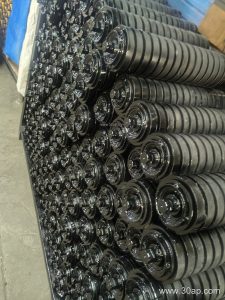
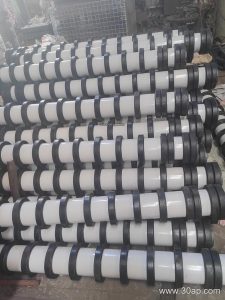
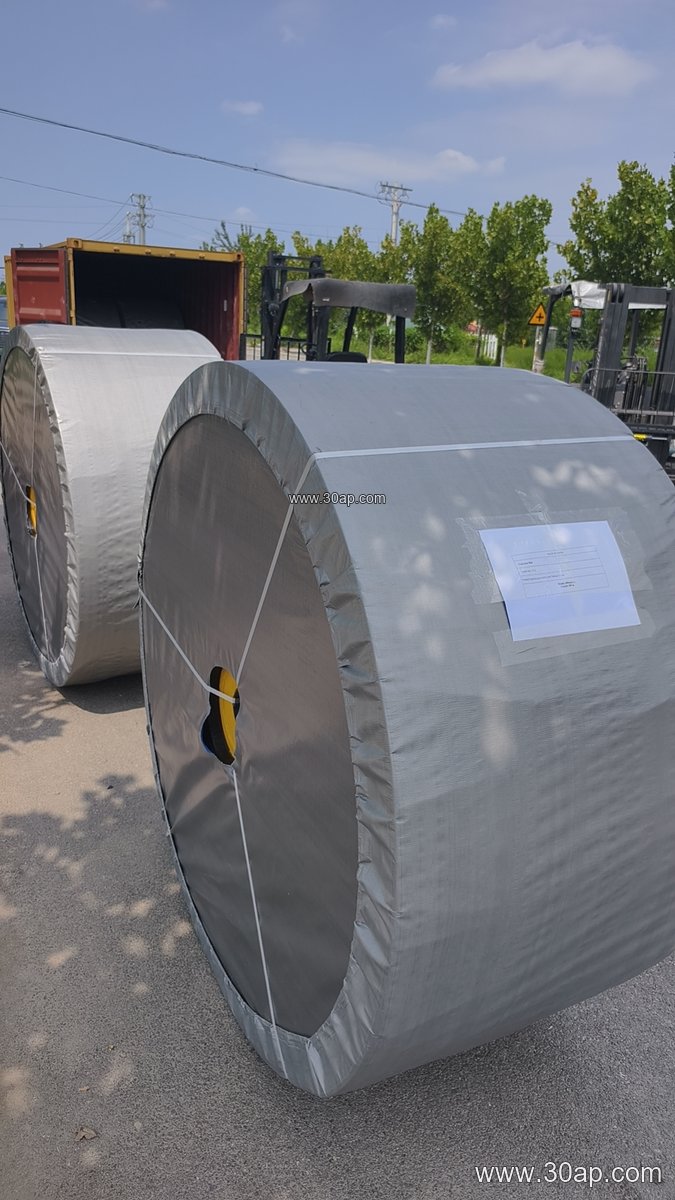
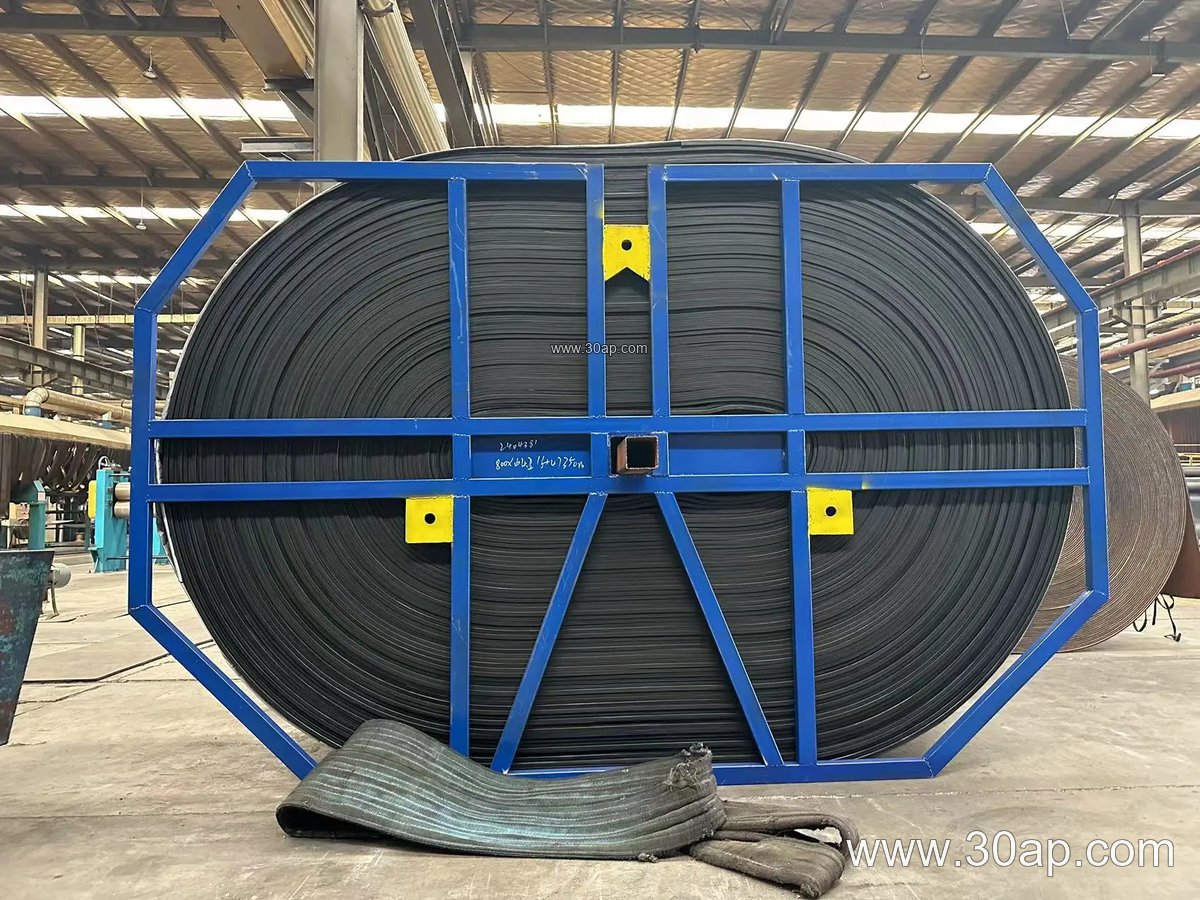
Before ordering, confirm the maximum lump size, the drop height at the loading chute, the ore moisture, and the expected tonnage per hour. State whether the route is horizontal, inclined, or curved. Ask for the cover grade, carcass type, and splice method. Confirm that the drive pulley, tail pulley, and bend pulleys are sized for the belt tension, and that idler roller spacing at the loading zone uses impact idlers. Check that conveyor pulley lagging and conveyor bracket dimensions match the new belt width. For a copper ore conveyor belt, the cheapest unit price rarely reflects the cost of a short service life, so compare cover thickness and carcass grade rather than price alone.
Installation and Maintenance Notes
Alignment is the first defense against edge damage. Keep the belt centered through the transfer chute and check that skirt rubber does not press too hard on the cover. Inspect splices monthly, particularly on steel cord belts where a failed splice can stop the whole line. Track cover wear at the impact point and rotate or replace impact idlers before the carcass is exposed. Clean return rollers and pulleys regularly; fines build-up causes mistracking and cover abrasion. Store spare belt in a dry, shaded place and follow the manufacturer’s shelf life guidance.
For more on matched components such as conveyor idlers, pulleys, and brackets, review the conveyor belt and conveyor pulley pages at mstbelt.com before finalizing the specification.