What a Disc Idler Does
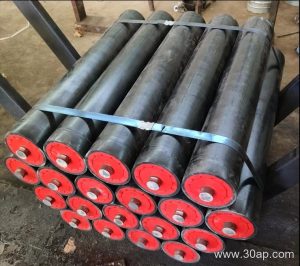
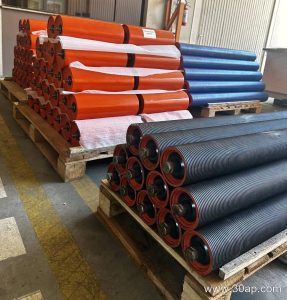
A disc idler is a carrying or return roller built with a series of rubber or polymer discs mounted along its shaft instead of a continuous steel shell. On a conveyor belt line, this disc-shaped roller profile gives the belt a softer, more flexible support surface than a plain steel roller. The result is better load distribution, reduced vibration, and less material buildup in dusty conditions. In a quarry, a limestone mine, or an aggregate line, a disc idler often appears on the carrying side where impact and fines are a daily concern.
The disc idler is sometimes called a disc roller or rubber disc roller, and both names refer to the same product. It should not be confused with a drive pulley, tail pulley, or bend pulley, which are completely different components in the conveyor drive and tensioning system.
How It Is Built
A typical disc idler uses a steel shaft, sealed bearing housings at each end, and a stack of discs pressed onto the shaft. The discs are usually made of abrasion resistant rubber, though polyurethane and nylon versions exist for lighter duty. Disc spacing and disc diameter vary with the application; wider spacing suits coarse material, while closer spacing helps with fine, wet, or sticky loads.
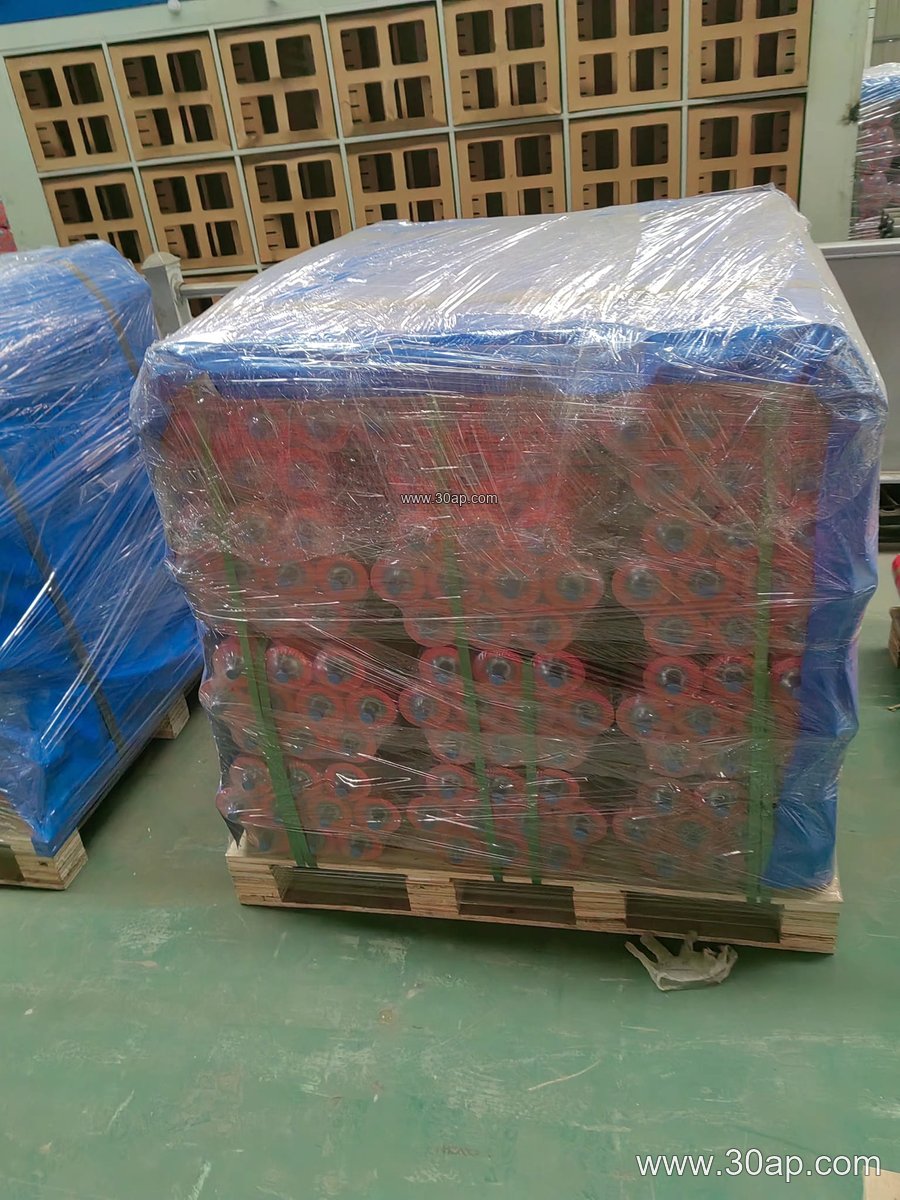
The bearing arrangement matters as much as the disc itself. Common bearing sizes include 6204, 6205, 6305, 6306, 6308, and 6310, and the correct bearing depends on load, speed, and shaft diameter rather than belt width alone. A good seal keeps dust and water out, which is critical in coal mining, cement plants, and power plant coal handling.
Where It Fits on the Conveyor
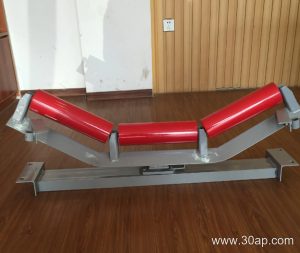
Disc idlers are often used as impact idlers under the loading point, where a conveyor belt receives material from a crusher or chute. The flexible disc surface absorbs some of the shock and helps the belt track more smoothly. They can also serve as return rollers on the lower strand, particularly in wet or muddy conditions where a steel shell would pick up material.
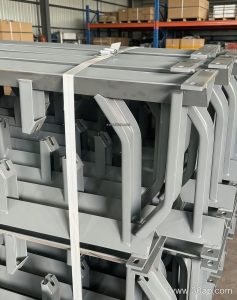
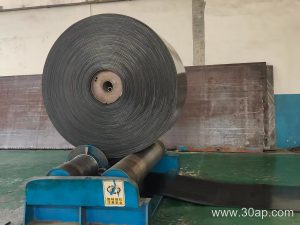
Alongside the disc idler, a conveyor system may include a conveyor bracket, a conveyor pulley, and a range of belt types such as EP Conveyor Belt, Steel Cord Conveyor Belt, and abrasion resistant conveyor belt constructions. The belt and the idler work as a pair, so the disc profile should match the belt’s stiffness and the material being carried.
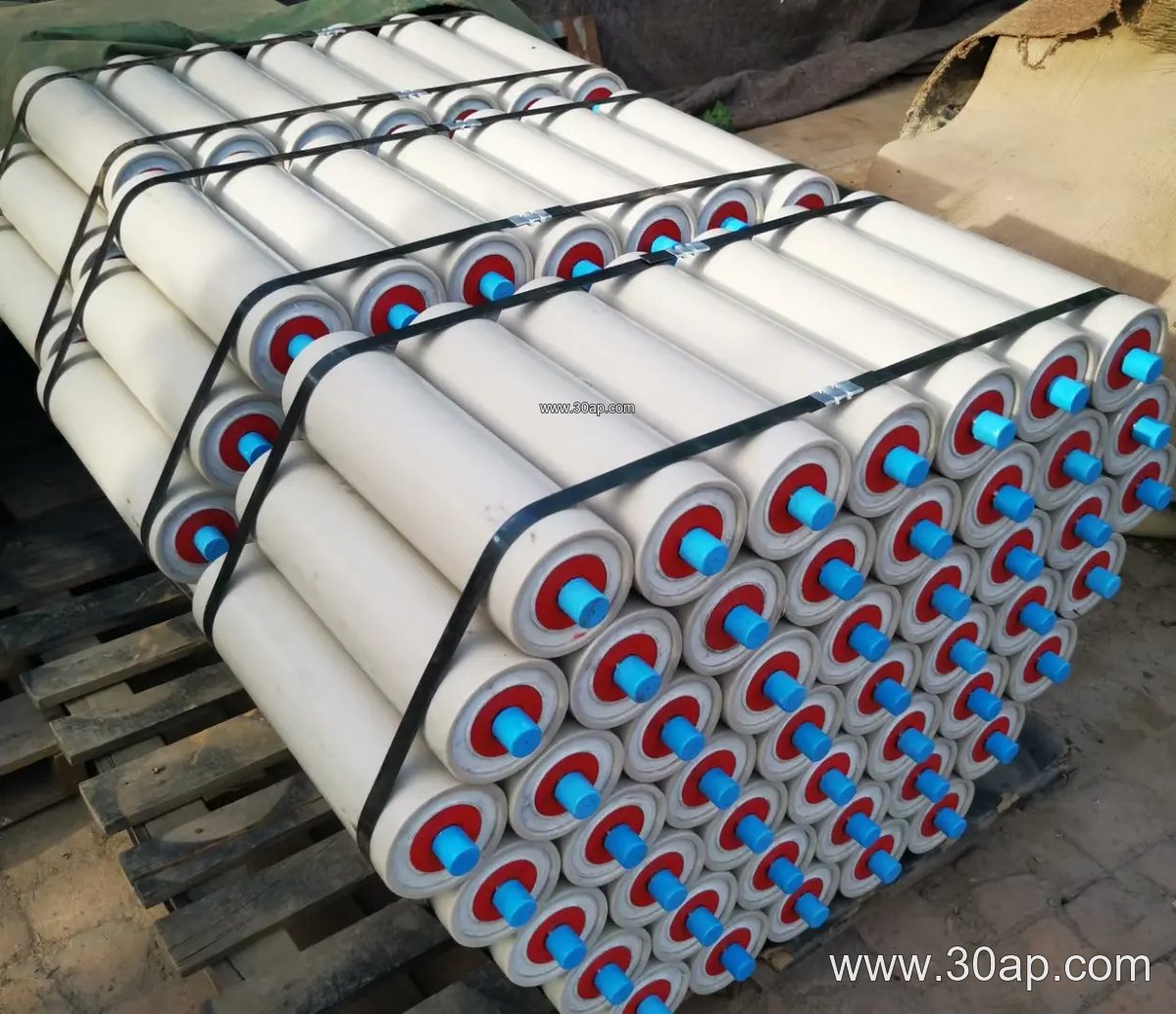
Common Sizes and Reference Data
Disc idlers follow the same general size ranges as other rollers. Roller diameters commonly include Ø63, Ø76, Ø89, Ø102, Ø108, Ø127, Ø133, Ø159, Ø178, Ø194, and Ø219 mm. Belt widths in a typical line run from B400 to B2400, with B650, B800, B1000, B1200, and B1400 being frequent choices. Trough angles of 20, 30, 35, and 45 degrees are used depending on material flow.
| Reference Item | Common Range | Note |
|---|---|---|
| Roller diameter | Ø63 to Ø219 mm | Selected by load and belt speed |
| Belt width | B400 to B2400 | B800, B1000, B1200 common |
| Trough angle | 20 to 45 degrees | 30 and 35 degrees typical |
| Bearing | 6204 to 6310 | Matched to shaft and load |
| Disc material | Rubber, PU, nylon | Rubber preferred for impact |
These values are reference data, not fixed pairings. A 1000mm conveyor belt does not require one specific roller diameter, and a given belt width can be paired with different shaft and bearing sizes depending on the design.
Buyer Checklist
- Confirm the mounting position: carrying side, impact zone, or return strand.
- Check the belt width and trough angle so the roller length and frame fit.
- Ask about disc material and hardness for the material being handled.
- Review bearing size and seal type for dust, water, or washdown exposure.
- Verify shaft diameter and bearing housing dimensions against the existing conveyor bracket.
For a coal mining conveyor, a flame retardant conveyor belt and anti-static properties may be required, and the disc idler should be specified with the same fire safety expectations. In a cement plant or power plant, heat resistant conveyor belt grades and dust-tight seals are worth discussing. Matching the disc idler to the belt and the environment keeps the whole conveyor line running more smoothly.