What a Conveyor Belt Idler Does on the Line
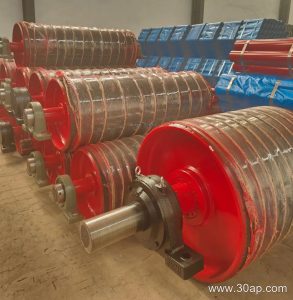
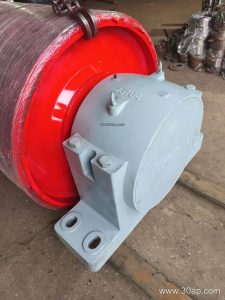
A conveyor belt idler is the rotating roller assembly that supports the belt and the material load between the head and tail of a conveyor. In practice, an idler roller carries most of the weight, keeps the belt tracking in a stable line, and limits sag that would otherwise increase resistance and spillage. The idler is not a drive component; it works together with the conveyor pulley at the discharge end and the tail pulley at the loading end, but it does not replace either of them.
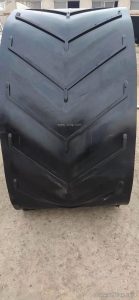
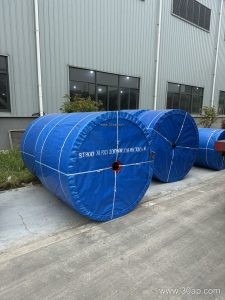
Because the idler is a wear part, its construction and bearing protection matter as much as the belt itself. A well-matched idler set helps a Rubber Conveyor Belt or a Steel Cord Conveyor Belt run smoothly in demanding circuits, from a quarry conveyor belt line to a power plant coal handling system.
How an Idler Roller Is Built
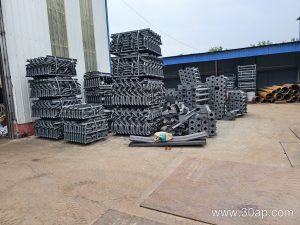
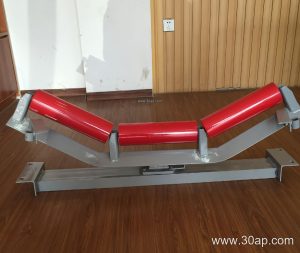
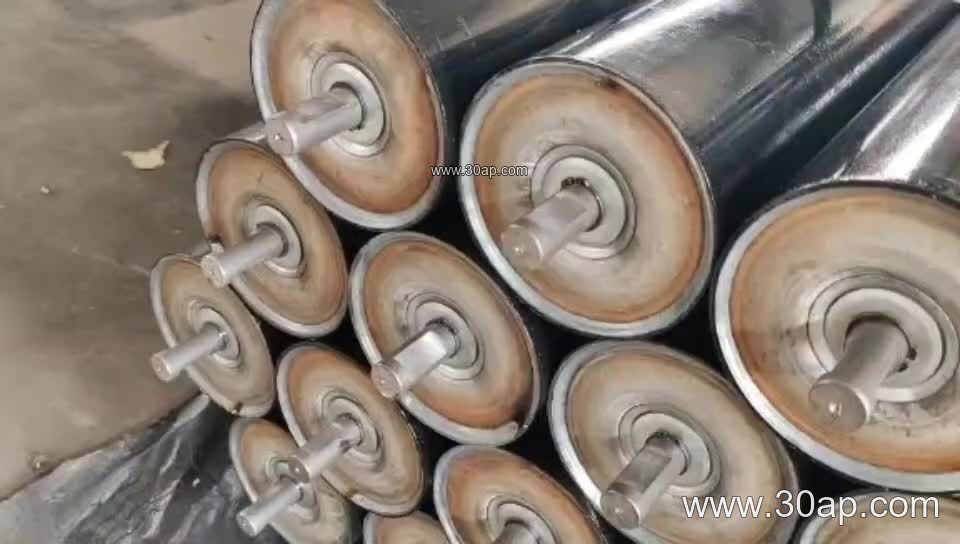
Most idlers share a common structure: a steel tube shell, a shaft, bearing housings at each end, and a sealing arrangement. The shell may be plain steel, nylon-coated, ceramic-covered, or fitted with rubber rings for impact absorption. Bearings are typically deep-groove ball bearings such as 6204, 6205, 6305, 6306, 6308, or 6310, selected according to load and speed rather than tied to one roller diameter.
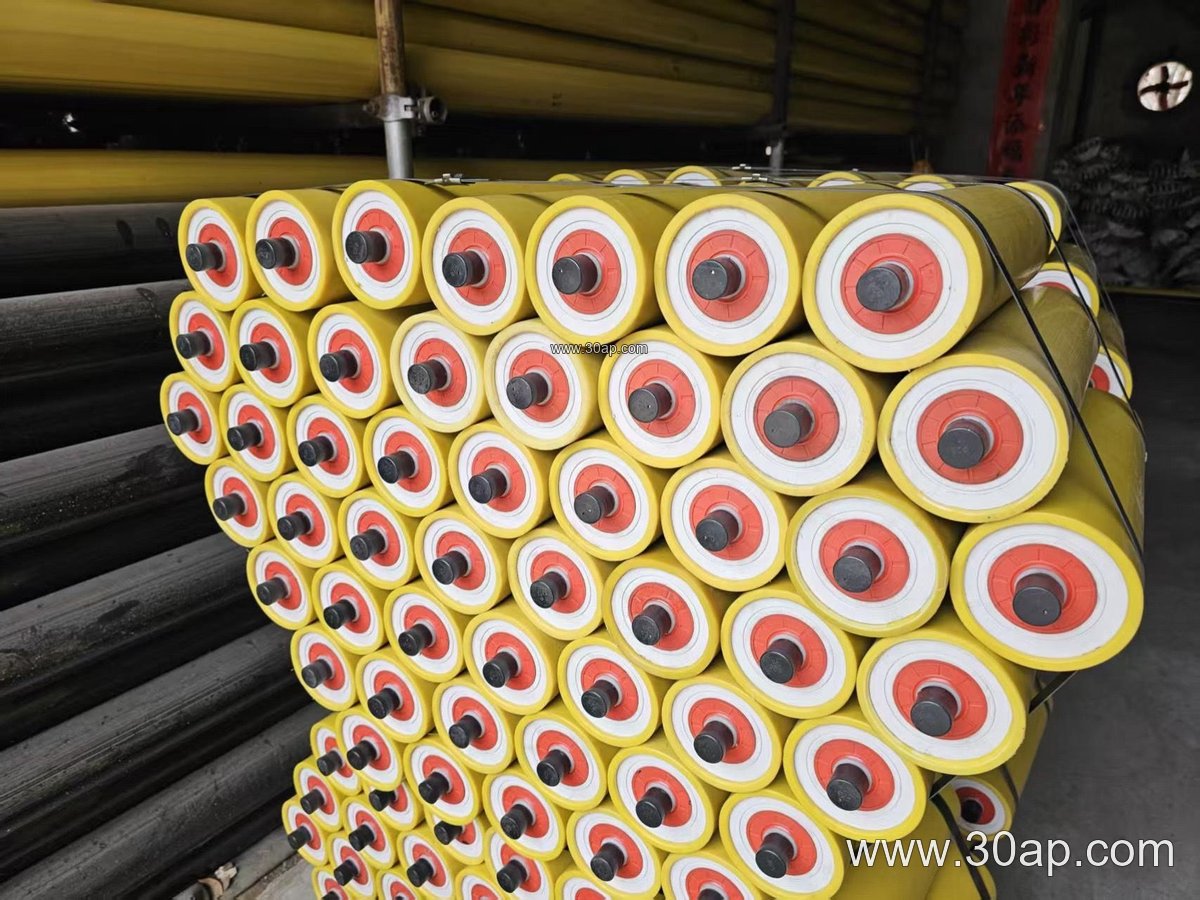
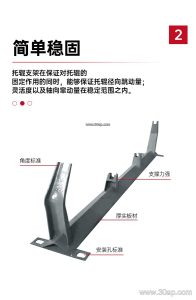
Sealing is the detail that often decides service life. Labyrinth seals, contact seals, and grease retention features keep dust and water away from the bearing cavity. In a stone crushing plant or a cement plant, fine abrasive dust is the main enemy; in a wash plant, moisture and slurry are the concern. The idler frame and the conveyor bracket that holds it should also be checked for alignment, because a twisted bracket shortens roller life regardless of bearing quality.
Common Idler Types and Where They Sit
The carrying run usually uses troughing idlers in two-roller or three-roller sets, with trough angles commonly 20, 30, 35, or 45 degrees. A three-roller troughing set is the standard choice on a bulk material conveyor belt handling aggregate, ore, or coal. The return run uses flat return idlers, V-return idlers, or spiral return idlers depending on belt width and cleanliness requirements.
Impact idlers with rubber rings are placed under the loading point to cushion lumpy material. Transition idlers ease the belt from the flat pulley profile into the trough, reducing edge stress. Self-aligning idlers, including friction and tapered types, correct minor belt drift on long lines. These are different duties, and none of them is a substitute for a drive pulley or a bend pulley.
Matching Roller Diameter, Belt Width, and Roll Length
Roller diameter and belt width are related through load and belt stiffness, not through a single fixed rule. Common roller diameters include Ø63, Ø76, Ø89, Ø102, Ø108, Ø127, Ø133, Ø159, Ø178, Ø194, and Ø219 mm. Wider belts generally need larger diameters and heavier frames, but a B800 belt may be served by more than one diameter depending on speed, capacity, and idler spacing.
Roll length changes with belt width, trough angle, and idler arrangement. The following values are common examples for three-roller troughing sets and should be treated as reference data, not fixed combinations.
| Belt Width | Typical Roll Length (Example) |
|---|---|
| B500 | about 200 mm |
| B650 | about 250 mm |
| B800 | about 315 mm |
| B1000 | about 380 mm |
| B1200 | about 465 mm |
| B1400 | about 530 mm |
| B1600 | about 600 mm |
| B1800 | about 670 mm |
| B2000 | about 750 mm |
Side rollers and center rollers can differ in length, and a two-roller set will not follow the same pattern. Final dimensions should be confirmed against the conveyor drawing.
Industries and Belt Combinations
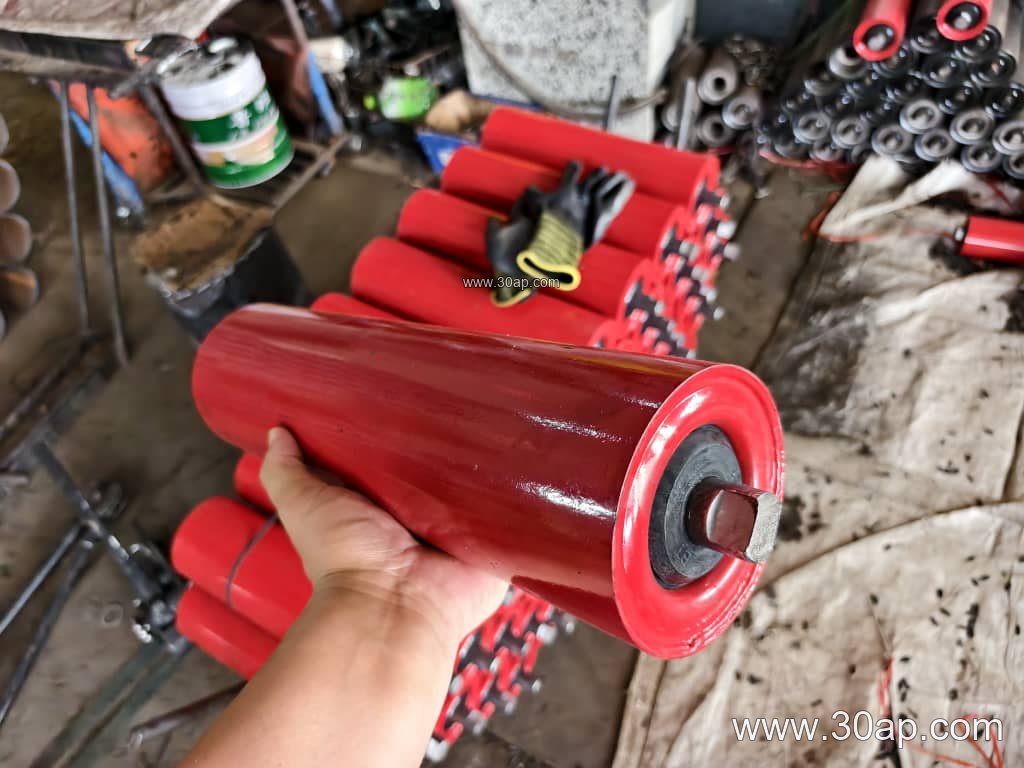
Idlers appear wherever a belt carries bulk material. In an iron ore or copper ore terminal, heavy-duty idlers support a Steel Cord Conveyor Belt moving at high tension. In a coal washing plant, flame retardant and anti-static properties of the belt are critical, and the idler seals must resist coal dust and wash water. A cement plant uses abrasion resistant belts on clinker and limestone lines, while a crushing and screening circuit relies on impact idlers at transfer points.
Finer products bring their own needs. A food grade belt in a grain facility calls for clean, well-sealed idlers, and a chemical plant may use an oil resistant or acid resistant belt where splash is present. In every case, the idler set should suit the belt type, the load, and the environment together.
What Buyers Should Check Before Ordering
- Confirm belt width, trough angle, and whether the set is two-roller or three-roller.
- State the roller diameter and required roll length from the conveyor drawing.
- Describe the duty: abrasive dust, water, heat, or heavy impact.
- Specify bearing size and sealing preference if the existing standard is known.
- Check bracket spacing and frame condition, since poor alignment causes premature failure.
- Order idlers together with the correct conveyor bracket and fasteners to avoid fit issues.
For a new project, share the belt specification and the expected load so the supplier can propose a suitable idler roller rather than a generic one. More detail is available at www.morningbelt.com for conveyor belt idler and related components.
Installation and Maintenance Notes
Keep idlers square to the belt centerline and at consistent height. Replace a seized roller promptly, because a locked idler can wear through the belt cover and damage a conveyor pulley. Lubrication intervals depend on the seal design; many sealed-for-life idlers need no routine greasing, while regreasable types require a defined schedule. During shutdowns, check for worn shells, cracked end caps, and loose brackets, and rotate rollers by hand to feel for roughness.