What a Q235 Conveyor Bracket Does
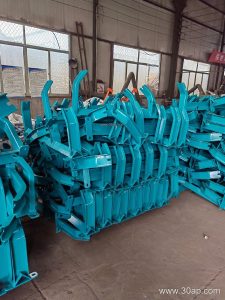
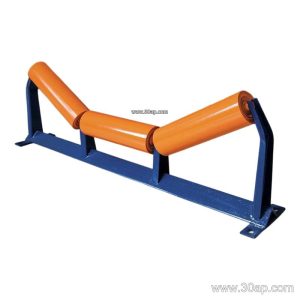
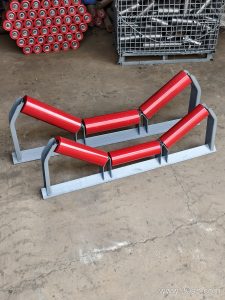
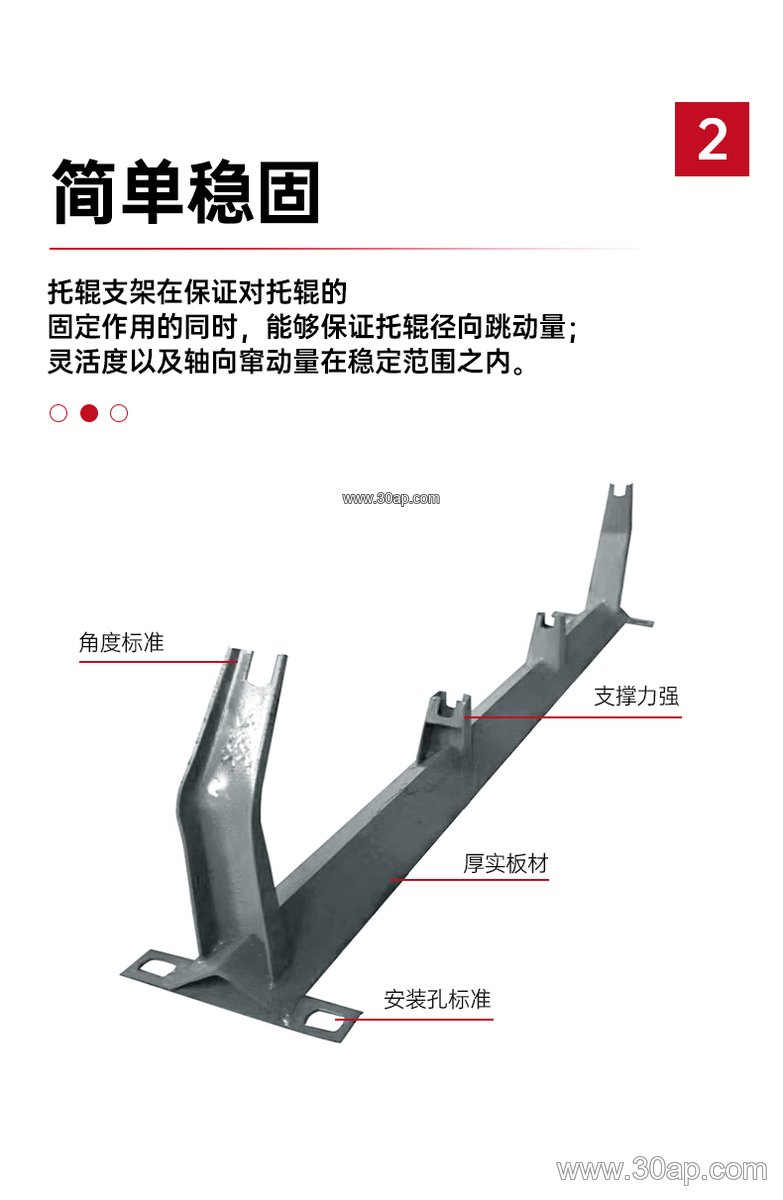
A Q235 conveyor bracket is the structural support that holds idler rollers in place along a conveyor line. Often called a Q235 idler bracket or Q235 roller support, it keeps the idler roller at the correct height and angle so the conveyor belt runs smoothly. In a limestone quarry or a coal washing plant, these brackets are the quiet workhorses that maintain belt alignment and reduce spillage.
Q235 refers to the steel grade commonly used for these brackets. It offers a good balance of strength and weldability, making it suitable for general industrial environments. The bracket itself is typically fabricated from angle steel, channel steel, or bent steel plate. The exact shape depends on whether it supports a carrying idler on the top run or a return idler on the bottom run.
How the Bracket Is Built and Where It Fits
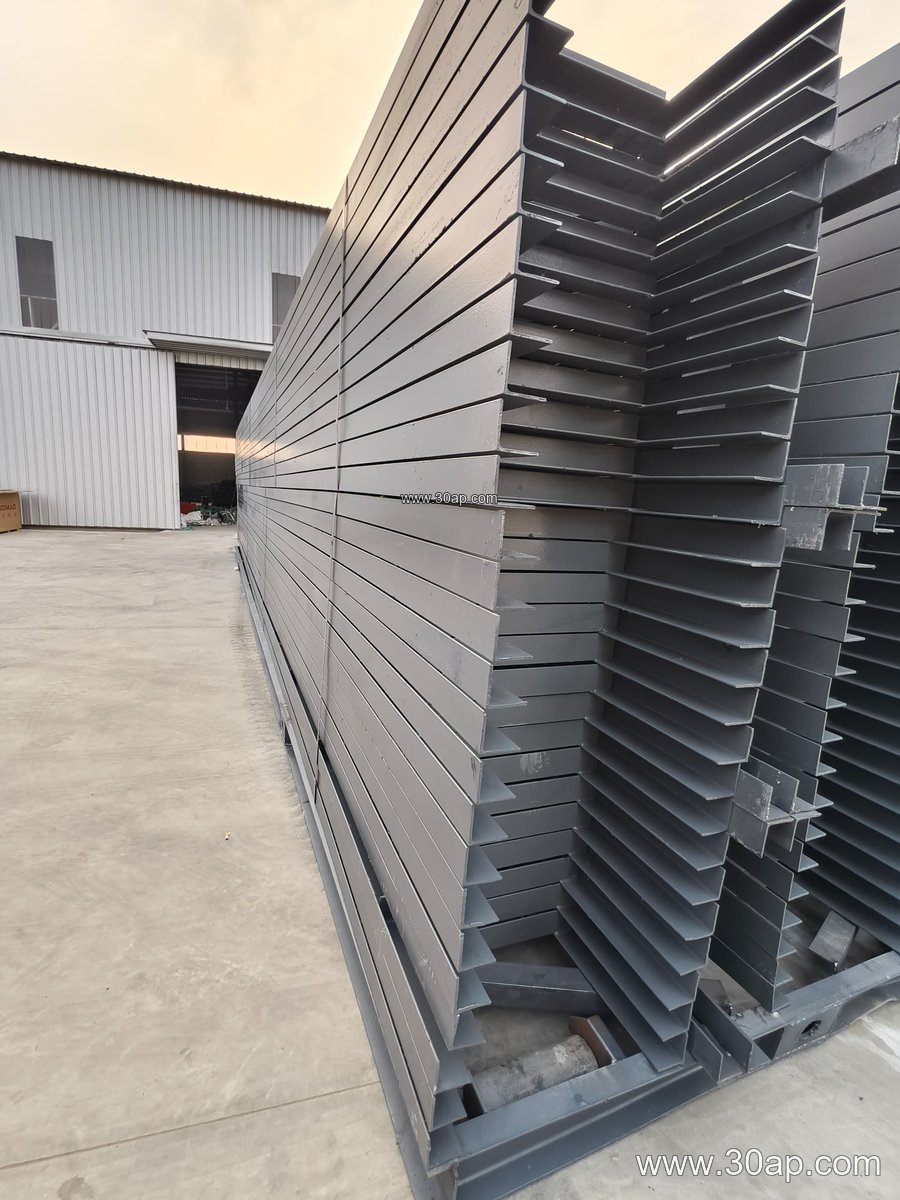
Fabrication starts with cutting and drilling the steel to match the required mounting hole spacing. The spacing is not universal; it changes with belt width, trough angle, and the specific idler roller diameter. A bracket for a B800 belt with 35-degree trough and Ø108 rollers will have different dimensions from one for a B1200 belt with 45-degree trough and Ø133 rollers. Welding or bolting then assembles the components into a rigid frame.
The bracket mounts on the conveyor stringer or frame. For the carrying side, a troughing bracket holds three idlers to form a trough that keeps bulk material centered. On the return side, a flat or V-return bracket supports the belt after it discharges. Transition brackets are used near pulleys to guide the belt from flat to troughed shape. Adjustable brackets allow the trough angle to be set between common values such as 20, 30, 35, or 45 degrees, which helps fine-tune belt training.
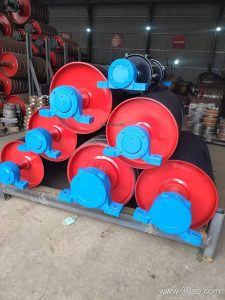
Because the bracket is part of the idler assembly, it works closely with the conveyor pulley at the head and tail. A misaligned bracket can cause the belt to drift, putting extra strain on the drive pulley and tail pulley. Regular inspection of bracket bolts and welds is therefore part of good conveyor maintenance.
Typical Applications and Material Handling
You will find Q235 conveyor brackets in a wide range of bulk handling operations. In a sand and gravel line, they support idlers under an abrasion resistant conveyor belt carrying crushed stone. In a cement plant, they hold up belts moving clinker and raw meal. Power plant coal yards use them on coal mining conveyor belts that feed boilers. Iron ore and copper ore operations rely on heavy-duty brackets to keep ore conveyor belts tracking properly under high loads.
The bracket material Q235 is also common in fertilizer plants, grain silos, and tunnel spoil removal. While the bracket itself is simple, its role in keeping the conveyor belt, idler roller, and conveyor pulley in harmony is critical. A well-supported belt consumes less power and lasts longer.
Key Parameters to Confirm Before Ordering
Buyers should match the bracket to the conveyor design rather than assume one size fits all. The table below lists common reference values, but final dimensions should always be confirmed with the conveyor manufacturer or a detailed drawing.
| Parameter | Common Reference Values |
|---|---|
| Belt width (B) | B500, B650, B800, B1000, B1200, B1400, B1600, B1800, B2000, B2200 |
| Trough angle | 20°, 30°, 35°, 45° (adjustable brackets can vary within this range) |
| Idler diameter | Ø89, Ø108, Ø133, Ø159, Ø194 |
| Bracket type | Troughing, return, transition, impact, self-aligning, suspended, adjustable |
| Material | Q235 angle steel, channel steel, or bent plate |
Note that belt width does not dictate a single trough angle or idler diameter. A B650 belt might use 30-degree trough with Ø89 idlers in one plant and 35-degree trough with Ø108 idlers in another. Mounting hole spacing and crossbeam length also vary with these choices. Always provide the belt width, trough angle, idler diameter, and mounting dimensions when requesting a quote.
For conveyors handling heat resistant conveyor belt or oil resistant conveyor belt, the bracket material and coating may need to suit the environment. In cold climates, check that the steel grade remains suitable for low temperatures. For flame retardant conveyor belt installations in underground coal mining, brackets should be free of sharp edges that could damage the belt cover.
Installation and Maintenance Notes
Proper installation keeps the Q235 conveyor bracket doing its job. Align brackets squarely to the conveyor centerline and tighten bolts to the recommended torque. Check that the idler roller sits freely in the bracket slots. During routine inspections, look for loose bolts, cracked welds, or bent frames, especially after a belt jam. Replacing a damaged bracket early prevents uneven belt wear and reduces the risk of idler failure.
When sourcing, ask for dimensional drawings and material certificates for the Q235 steel. A reliable supplier will confirm that the bracket matches your belt width, trough angle, and idler diameter. Keep a few spare brackets on hand for critical conveyors, particularly in remote quarry or mining sites where downtime is costly.
For more information on conveyor components, visit conveyor bracket and idler roller resources. Explore our guides on conveyor pulley selection and conveyor belt types to complete your system design.