What a Bulk Material Conveyor Belt Does
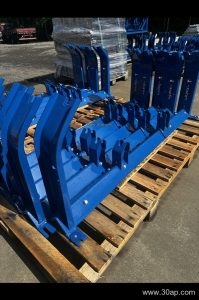
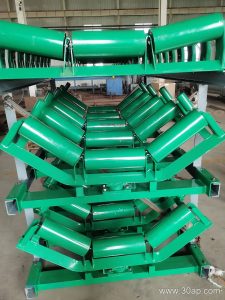
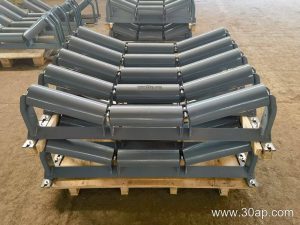
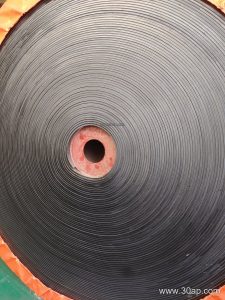
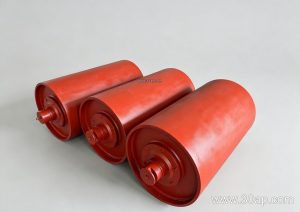
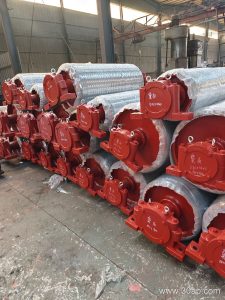
A bulk material conveyor belt is the continuous load-carrying surface in a belt conveyor system, designed to move large volumes of loose materials such as ore, coal, clinker, aggregate, and sand. Unlike package-handling belts, this belt must withstand sharp edges, heavy impact, abrasive dust, and often harsh weather. The belt works together with idler rollers, conveyor pulleys, and conveyor brackets to form a reliable transport line in mines, cement plants, power stations, quarries, and ports.
Construction and Common Types
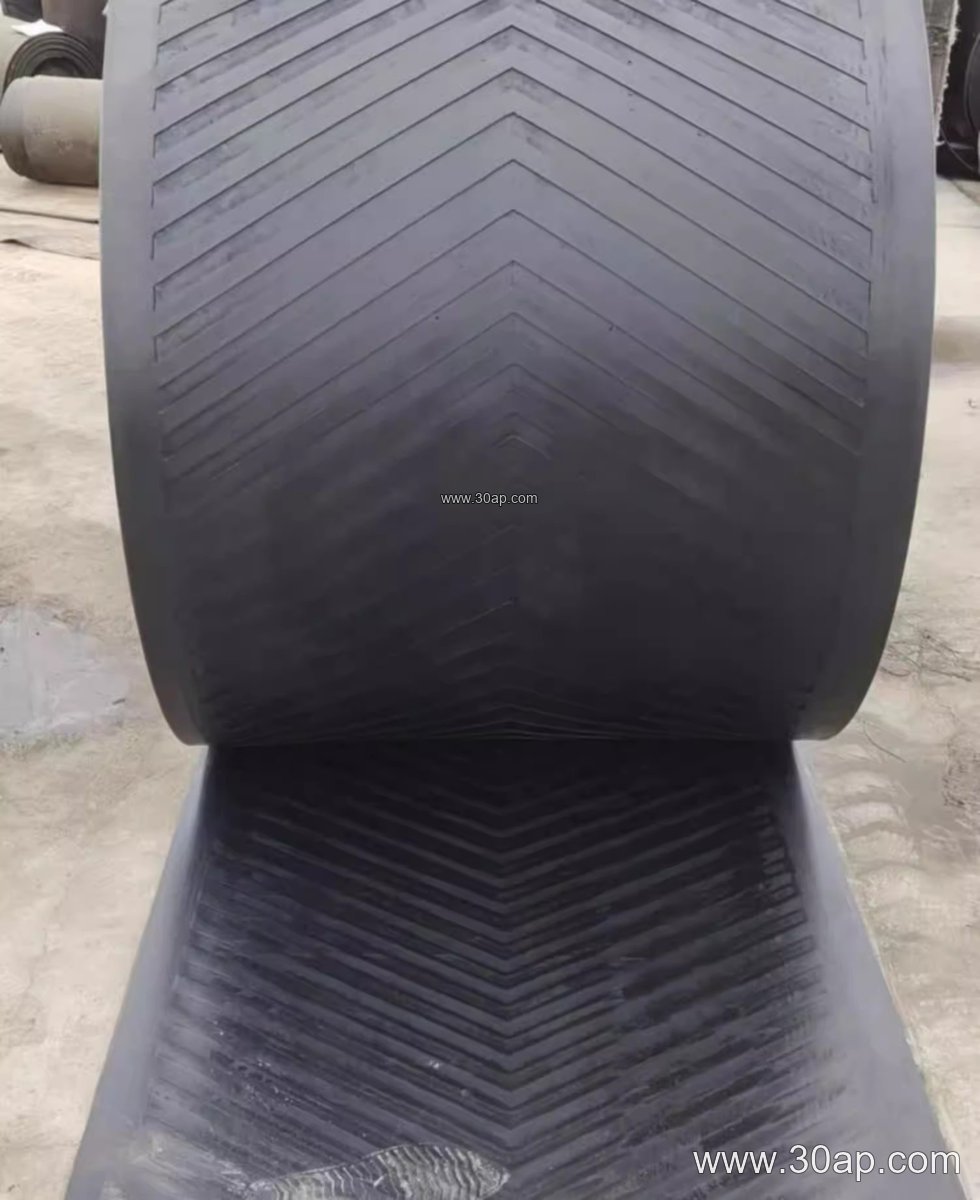
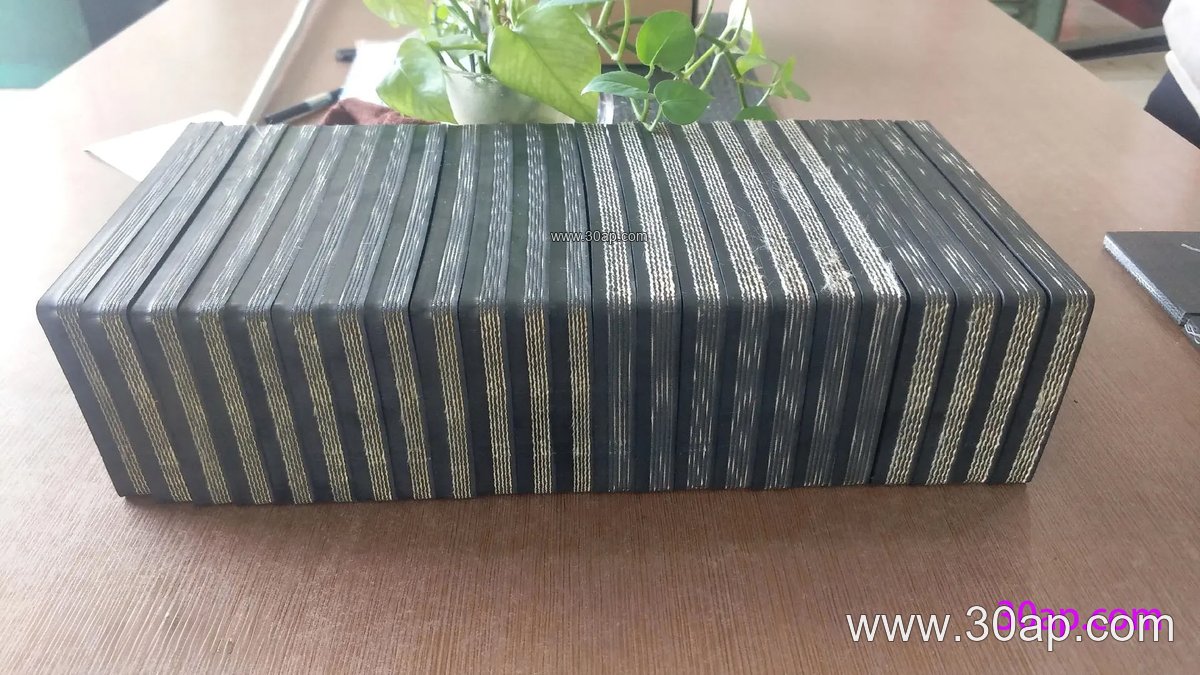
The belt body usually combines a fabric or steel cord carcass with rubber covers. The carcass provides strength and troughability, while the top and bottom covers protect against wear, heat, oil, or fire. Common constructions include EP conveyor belt (polyester-nylon fabric), NN conveyor belt (nylon-nylon), and steel cord conveyor belt for very high tension. For underground coal mining, PVC or PVG conveyor belt grades are often selected for flame resistance. Specialized versions include heat resistant conveyor belt, oil resistant conveyor belt, abrasion resistant conveyor belt, chevron conveyor belt for inclined haulage, and corrugated sidewall conveyor belt for steep angles.
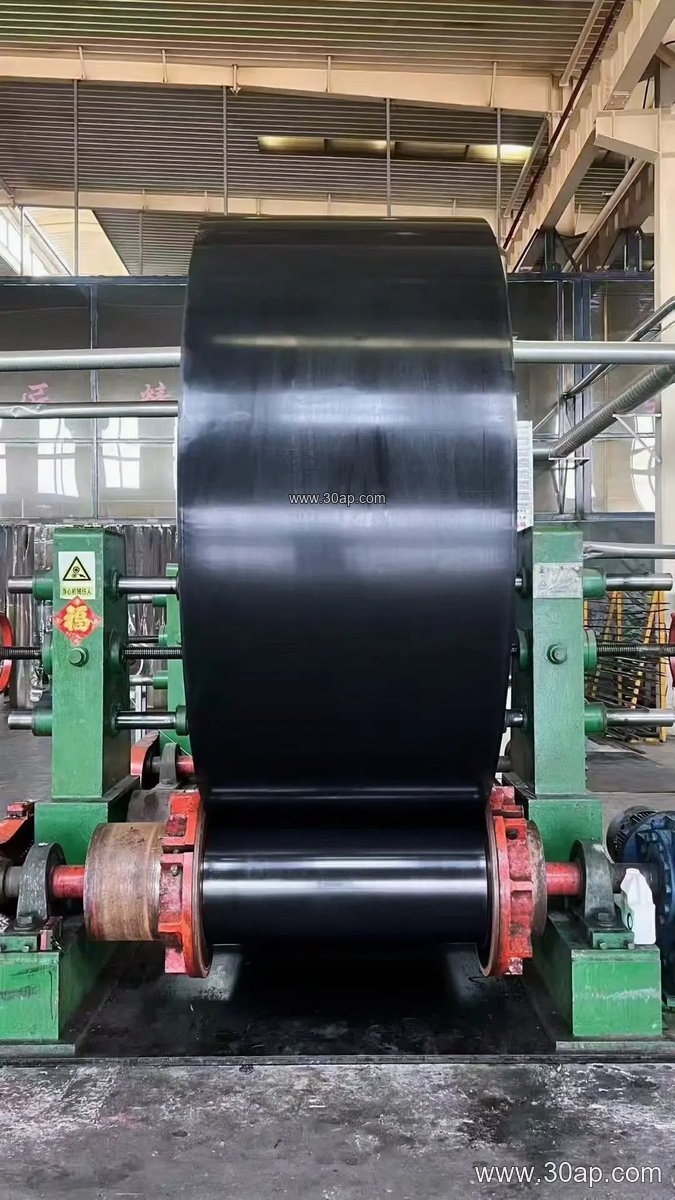
Typical strength grades for fabric belts range from EP200 to EP2000, and steel cord belts from ST1000 to ST3150. Belt widths commonly span B500 to B2000, with wider options available for high-capacity trunk conveyors. Cover thickness might be 4+2 mm, 6+2 mm, or 8+3 mm depending on impact and abrasion severity. These values are reference data; final selection should follow the conveyor design and material characteristics.
Where It Is Used
In mining, a heavy-duty mining conveyor belt handles run-of-mine ore and waste rock. Coal mining conveyor belt systems often require flame retardant and anti-static properties. Cement plants use heat resistant conveyor belt for clinker and abrasion resistant conveyor belt for limestone and raw meal. Power plants rely on coal conveyor belt and ash handling belts. Quarries and aggregate plants use quarry conveyor belt and crusher conveyor belt to link crushing, screening, and stockpiling. Ports and ship loading facilities employ wide conveyor belt for fast bulk transfer. Other industries include steel plants, recycling, and construction.
Key Selection Points for Buyers
Buyers should match the belt to the material, environment, and conveyor geometry. Consider:
- Material properties: lump size, temperature, oil content, moisture, and abrasiveness.
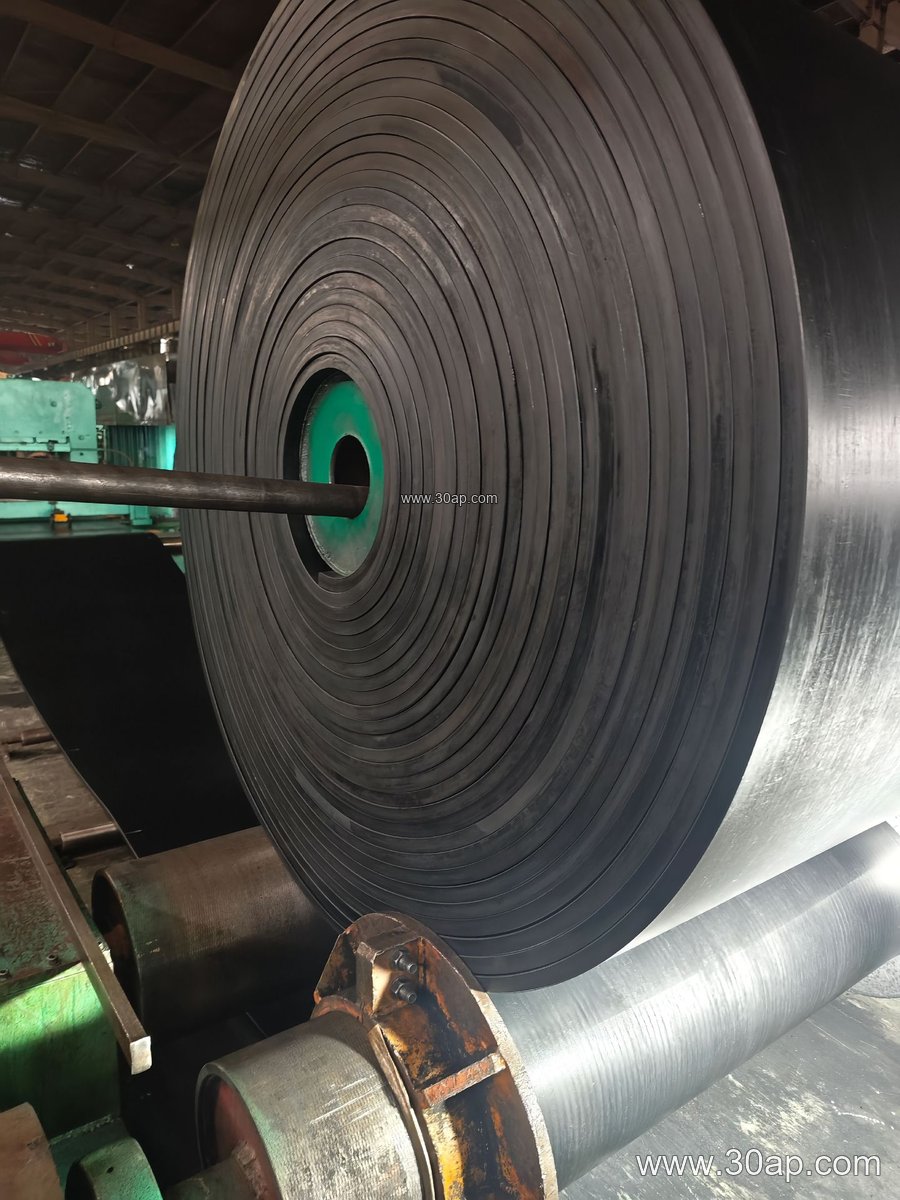
- Strength requirement: calculated maximum tension determines the carcass grade and number of plies.
- Cover grade: abrasion resistant, heat resistant, oil resistant, flame retardant, or cold resistant.
- Belt width and speed: must suit the required capacity and idler roller spacing.
- Pulley and idler compatibility: drive pulley, tail pulley, and bend pulley diameters affect belt flexibility; no single belt width dictates one pulley diameter.
- Special features: chevron pattern, sidewalls, or pipe conveyor belt for enclosed transport.
Always request the manufacturer’s data sheet and confirm that the belt meets the site’s safety and operational requirements.
Maintenance and Installation Notes
Correct installation and regular inspection extend belt life. Check belt tracking, cover wear, splice integrity, and idler roller rotation. Keep pulleys clean and aligned; a worn conveyor pulley can damage the belt edge. Use suitable conveyor brackets to maintain structure rigidity. Avoid over-tensioning, which can stress the carcass. For high-temperature service, allow for thermal expansion and use heat resistant conveyor belt with adequate cover thickness.
Summary
Selecting the right bulk material conveyor belt involves balancing carcass strength, cover compound, and belt dimensions with the realities of the site. Whether the application is an underground coal mine, a cement kiln feed line, or a port stockyard, the belt must be part of a well-matched conveyor system. Work with experienced suppliers and base decisions on measured duty conditions rather than generic assumptions.