What a Conveyor Idler Frame Does on a Belt Conveyor
A conveyor idler frame is the steel structure that holds the idler rollers in the correct position under or above the conveyor belt. It carries the load of the belt and the material, keeps the belt profile stable, and sets the trough angle that shapes the belt into a material-holding curve. In a quarry conveyor line or a power plant coal handling system, the frame is the quiet component that determines how well the rollers, the belt and the pulleys work together.
The frame is not a pulley. Drive pulleys, tail pulleys and bend pulleys transmit motion and change belt direction, while the idler frame only supports and guides the belt. Mixing up these roles leads to wrong spare parts and poor tracking.
How the Frame Is Built
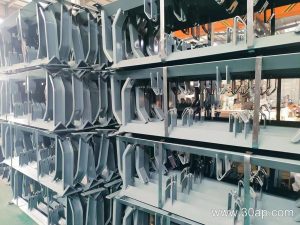
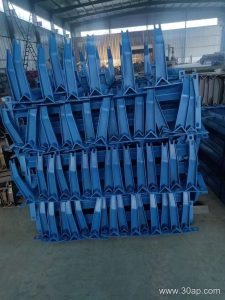
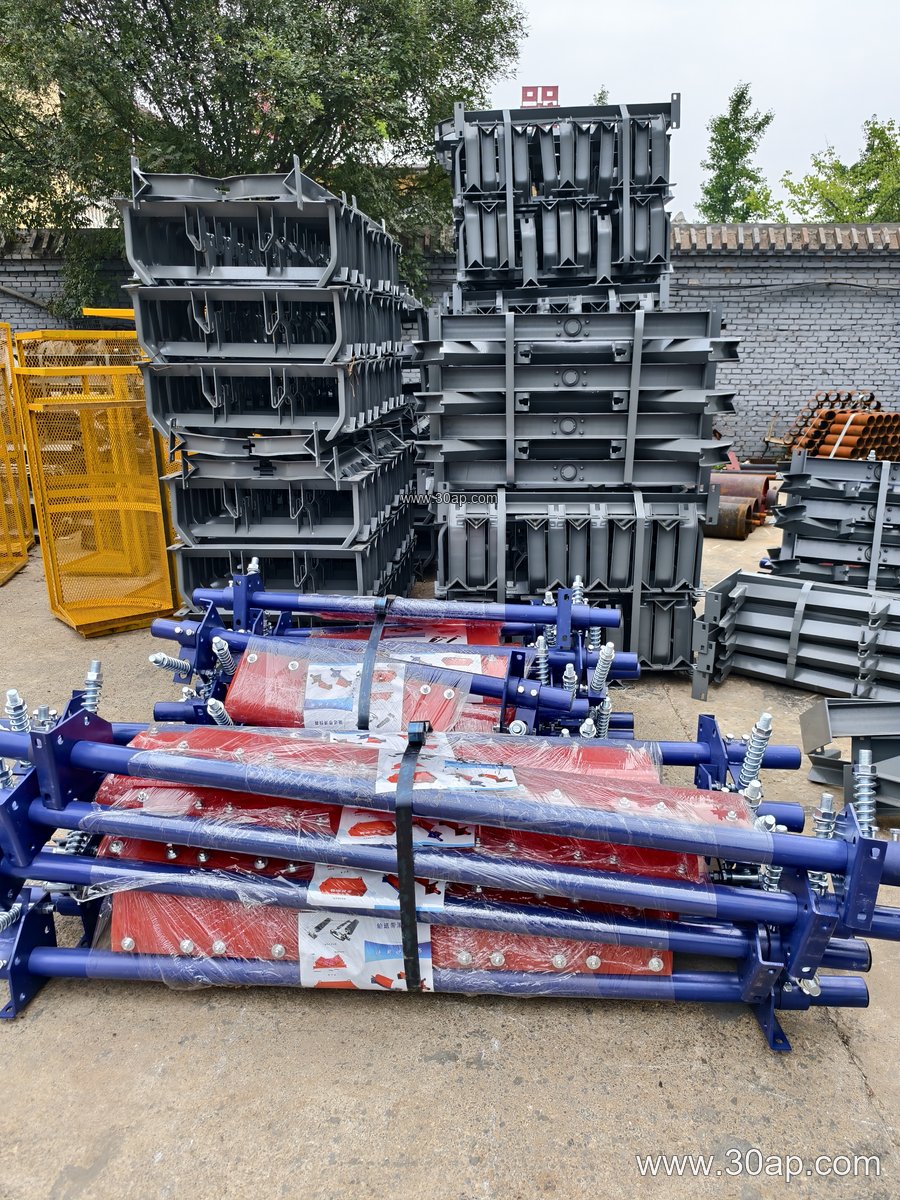
Most frames are fabricated from angle steel, channel steel or folded steel plate. A carrying frame usually has two or three idler positions; a return frame holds one flat roller or a pair of angled rollers. Welded brackets, mounting slots and cross beams are sized to the belt width and trough angle, so hole spacing and beam length vary with the design rather than being fixed numbers.
- Carrying frames: troughing frames that set the belt into a 20, 30, 35 or 45 degree profile.
- Return frames: flat or V-shaped frames that support the empty belt.
- Transition frames: placed near pulleys to ease the belt from flat to troughed.
- Impact frames: reinforced frames under loading points, often paired with impact rollers.
- Self-aligning and forward-leaning frames: used where belt tracking is difficult.
- Adjustable frames: allow the trough angle to be changed on site.
Material choice matters in abrasive or corrosive settings. A heavy-duty mining conveyor belt puts more load on the frame, so thicker steel and stronger welds are common. In a cement plant or a fertilizer warehouse, galvanized or painted frames help resist dust and moisture.
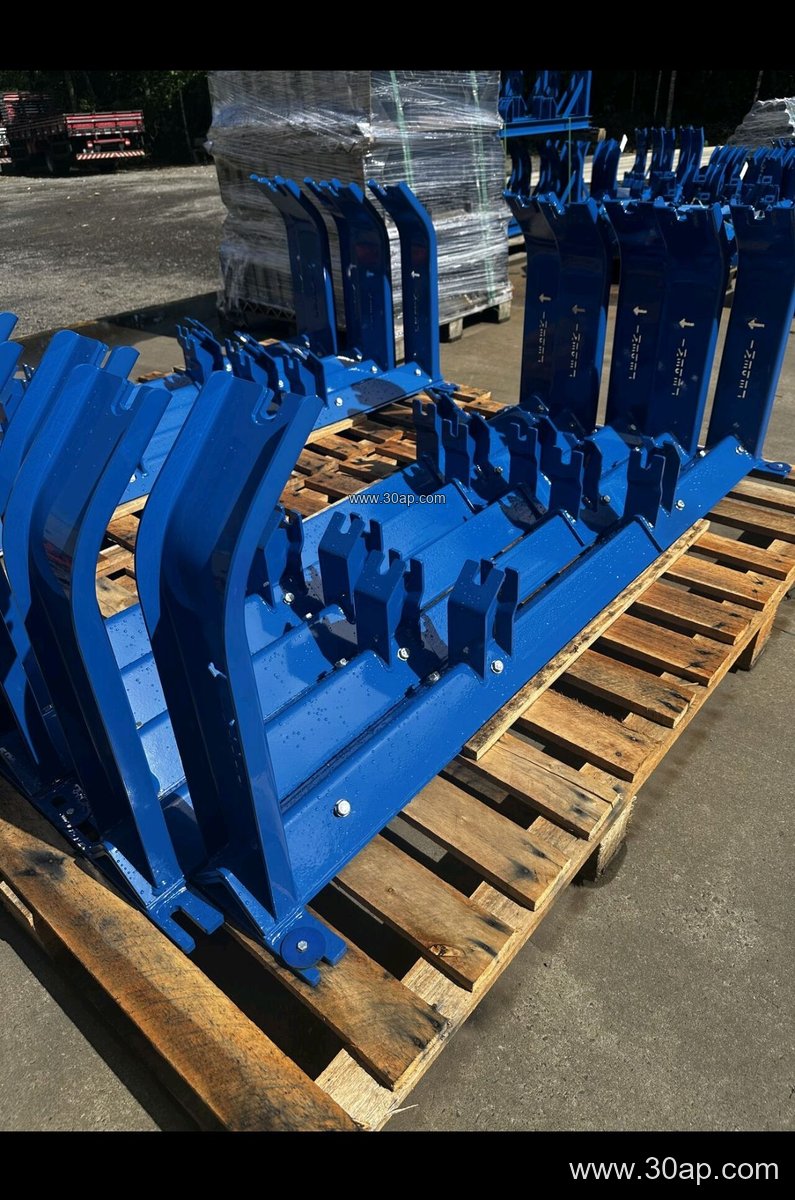
Matching Frame, Roller and Belt
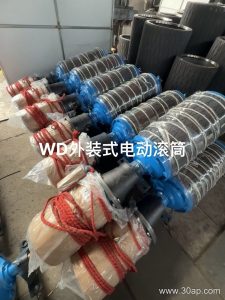
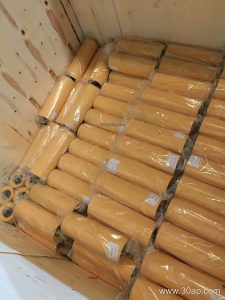
The frame, the idler roller and the conveyor belt form one system. Common roller diameters include Ø89, Ø108, Ø133, Ø159 and Ø194, and frames are drilled to suit the chosen roller shaft. Belt widths from B500 to B2200 appear in different plants, but no single belt width locks in one trough angle or one roller diameter. A B800 belt may run at 30 degrees with Ø108 rollers on one conveyor and at 35 degrees with Ø133 rollers on another, depending on capacity and material.
| Frame Type | Typical Belt Width | Trough Angle | Common Roller Diameter |
|---|---|---|---|
| Troughing frame | B650 to B1400 | 30 to 35 degrees | Ø89 to Ø133 |
| Transition frame | B800 to B1600 | 20 to 35 degrees | Ø108 to Ø159 |
| V-return frame | B800 to B1800 | V profile | Ø108 to Ø159 |
| Impact frame | B1000 to B2000 | 35 to 45 degrees | Ø133 to Ø194 |
These values are reference examples, not fixed pairings. The final choice follows belt tension, material lump size and loading conditions.
Where These Frames Are Used
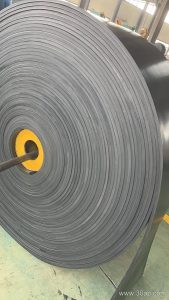
In an iron ore or limestone mine, troughing frames carry a heavy-duty mining conveyor belt loaded with coarse rock, while impact frames sit below the crusher discharge. In a coal washing plant, flame retardant conveyor belt and self-aligning frames work together to keep the belt centered through long galleries. Similar frames support an EP conveyor belt in a sand and gravel line or a steel cord conveyor belt on a long overland route at a port.
Light industries use the same principle. A food grade conveyor belt in a grain silo or a corrugated sidewall conveyor belt in a batching plant still needs correctly spaced idler frames to avoid sag and spillage.
Buyer Checklist
Before ordering, confirm the belt width, the required trough angle, the roller diameter and shaft size, and the mounting hole spacing on the existing structure. Ask whether the frame is fixed or adjustable, and check the steel grade and surface treatment for the site conditions. For replacement work, measure the old frame rather than assuming a standard size.
Spare frames should match the roller series already in use, so that idler rollers and conveyor brackets remain interchangeable across the line. A frame that fits the belt and the roller correctly reduces belt wear, lowers noise and keeps the conveyor running smoothly in mines, power plants, quarries and cement works alike.