What a Vertical Idler Bracket Does
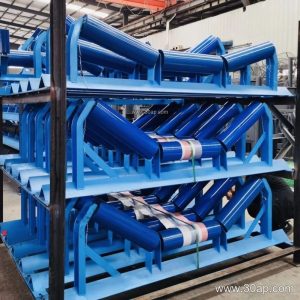
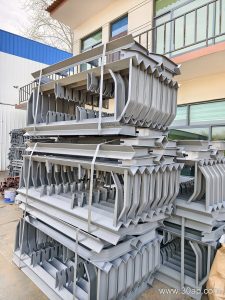
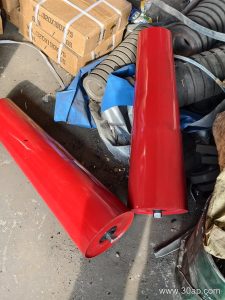
A vertical idler bracket is a mounting component that holds idler rollers in a vertical orientation along a conveyor line. Unlike the more familiar troughing brackets that support the belt in a trough shape, this bracket positions the roller upright, often for specific functions such as belt training, edge control, or guiding the belt through a transfer point. In a quarry or a cement plant, you may find these brackets used on the return side or at critical transition zones where the belt needs consistent vertical support. The bracket itself is a fabricated steel part, typically made from angle iron, channel steel, or bent plate, and it is designed to bolt directly to the conveyor frame.
The term “vertical idler bracket” is sometimes used interchangeably with “vertical roller bracket” or “upright idler bracket,” but it always refers to the same mounting function. It should not be confused with a bend pulley bracket or a tail pulley bracket, which serve entirely different purposes in the conveyor drive and tensioning system.
Construction and Mounting
Most vertical idler brackets are built from low-carbon steel for weldability and strength. The fabrication may involve cutting, drilling, bending, and welding, followed by a paint or galvanized finish for corrosion resistance. The bracket usually includes a base plate with mounting holes that match the conveyor frame’s hole pattern, and a vertical arm or cradle that holds the idler shaft. Some designs incorporate a slot or adjustable feature to allow fine-tuning of the roller position, which helps with belt alignment.
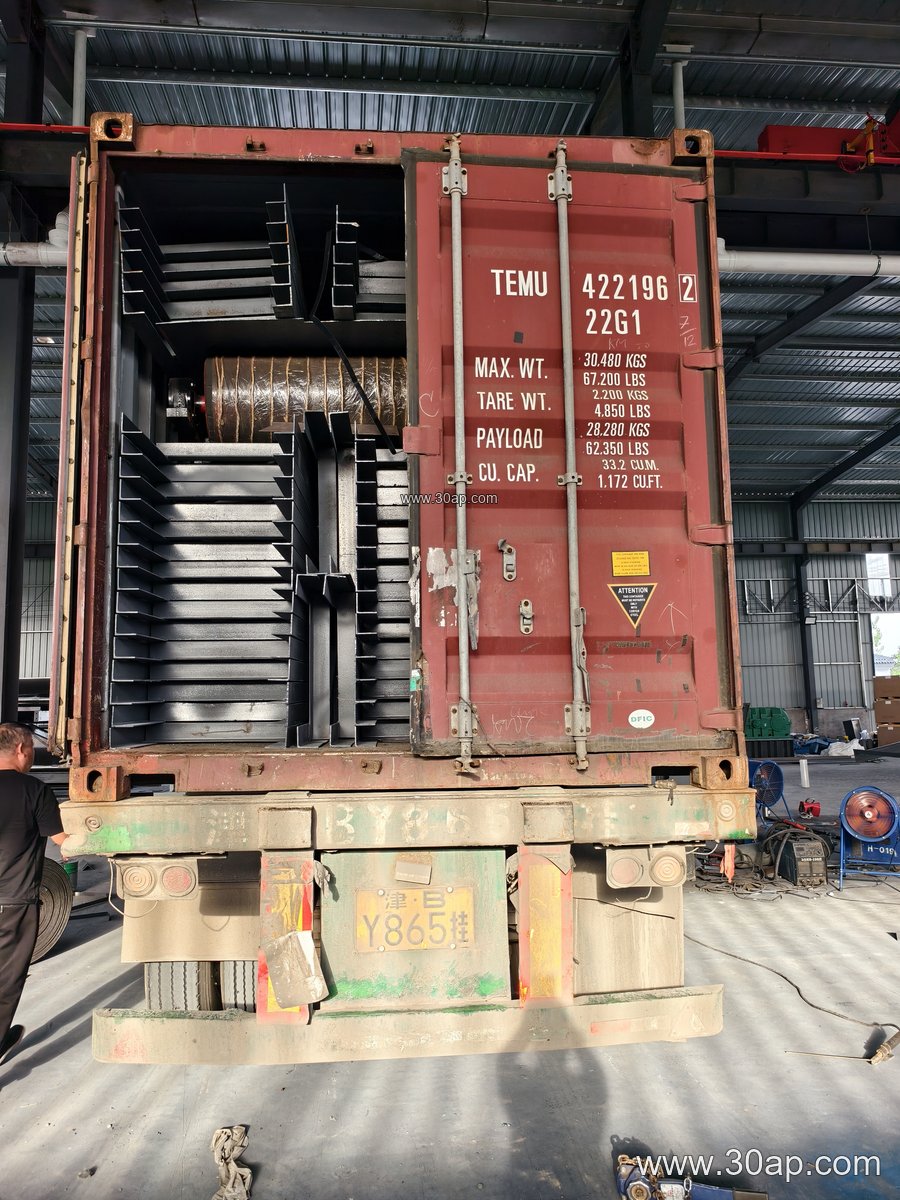
When installing, the bracket must be square to the conveyor centerline and securely tightened to prevent vibration loosening. In a coal mining conveyor or a power plant coal handling system, improper mounting can lead to premature idler failure or belt misalignment. Always follow the conveyor manufacturer’s torque specifications and alignment tolerances.
Where It Fits in the Conveyor System
Vertical idler brackets are typically found in the following locations:
- Return side, supporting the belt after it leaves the head pulley
- Transition zones between troughed and flat sections
- Belt training stations where vertical rollers guide the belt edges
- Specialty conveyors such as pipe conveyors or corrugated sidewall belt systems where vertical support is needed
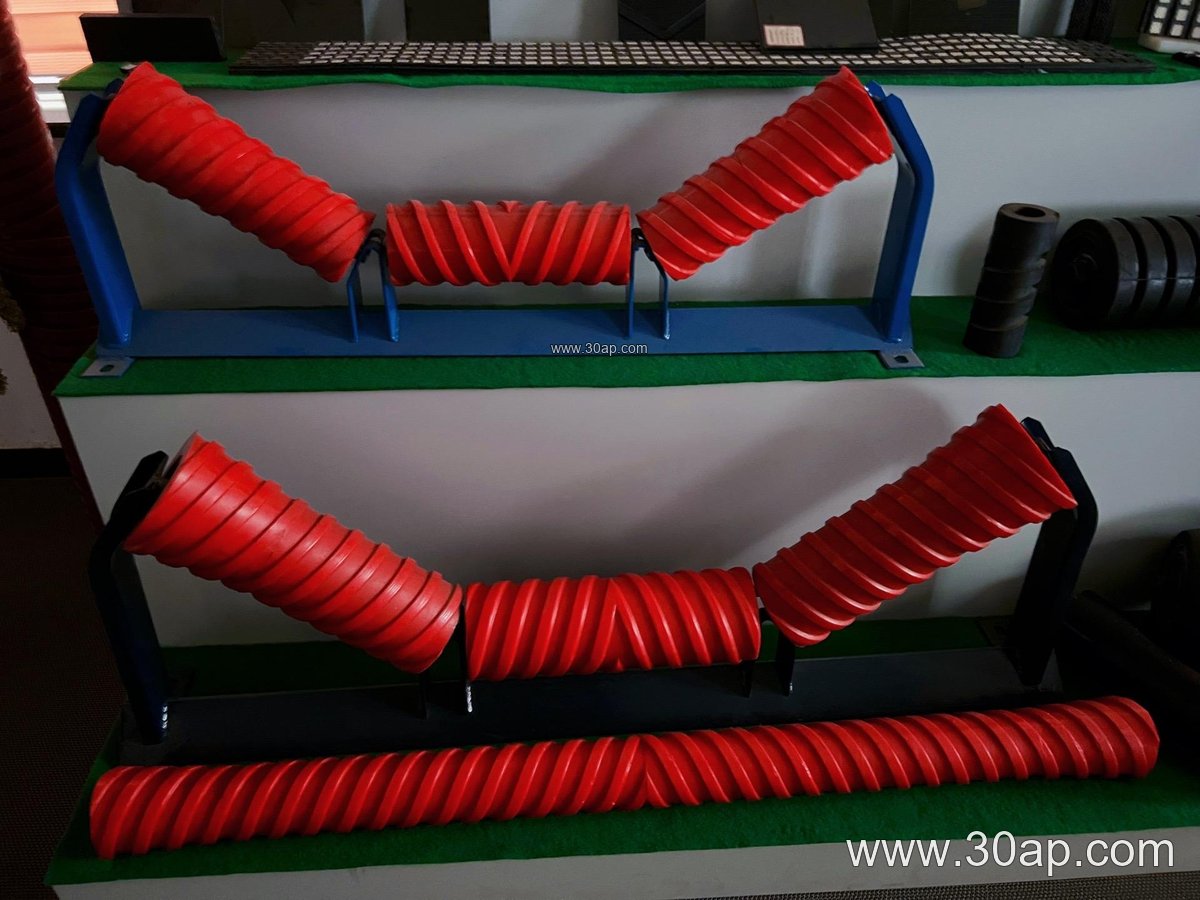
They are common in industries handling bulk materials—sand and gravel plants, limestone mines, iron ore operations, and fertilizer handling facilities. In a typical aggregate conveyor, a vertical bracket may be paired with an idler roller to keep the belt from sagging or wandering. The bracket works together with the conveyor belt and the conveyor pulley to maintain smooth operation.
Key Selection Factors for Buyers
Choosing the right vertical idler bracket involves several considerations. First, confirm the belt width and the idler diameter to ensure the bracket’s mounting dimensions are compatible. Common belt widths include B500, B650, B800, B1000, B1200, and B1400, and idler diameters often range from Ø89 to Ø159. The bracket’s height and offset must match the roller’s shaft size and the frame’s hole spacing.
Second, consider the material and finish. For abrasive or corrosive environments, a galvanized or powder-coated bracket may extend service life. In underground coal mining, flame-retardant properties may be required for components, though the bracket itself is steel and non-combustible.
Third, evaluate adjustability. Fixed brackets are simpler and less expensive, while adjustable brackets allow for field modifications to belt tracking. In a stone crushing plant, adjustable brackets can reduce downtime when the belt stretches or shifts.
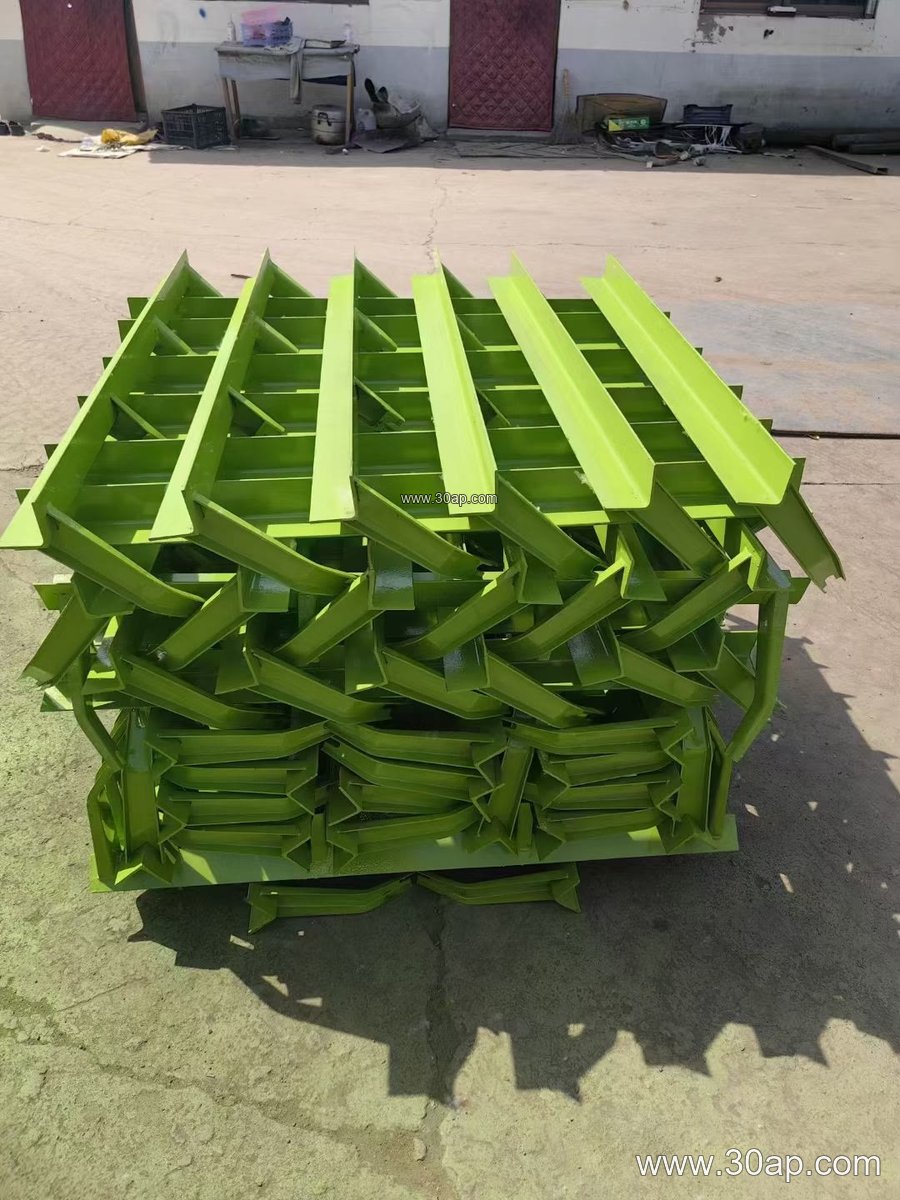
Finally, check the bracket’s load rating. While vertical brackets typically carry less load than troughing brackets, they still need to support the idler and belt tension without deflection. A reputable supplier will provide load capacity data based on the bracket’s design and material thickness.
Maintenance and Compatibility
Regular inspection of vertical idler brackets should include checking for loose bolts, cracks at weld joints, and corrosion. In dusty environments like a cement plant or a coal yard, accumulated material can cause the bracket to seize or misalign. Cleaning and lubrication of the idler bearing (not the bracket itself) are also part of routine maintenance.
When replacing a bracket, always verify the part number and dimensions against the original. A bracket designed for a 800mm wide conveyor belt with Ø108 idlers may not fit a 1200mm belt with Ø133 idlers. Also, ensure that the replacement bracket is compatible with the existing conveyor frame and idler type. For heavy-duty mining conveyor belts, a thicker bracket may be necessary to withstand shock loads.
For more information on conveyor components and belt selection, visit our site at www.example.com/conveyor-belt or www.example.com/idler-roller. Our team can help you match the right vertical idler bracket to your conveyor system.