What an 1800mm Wide Conveyor Belt Is
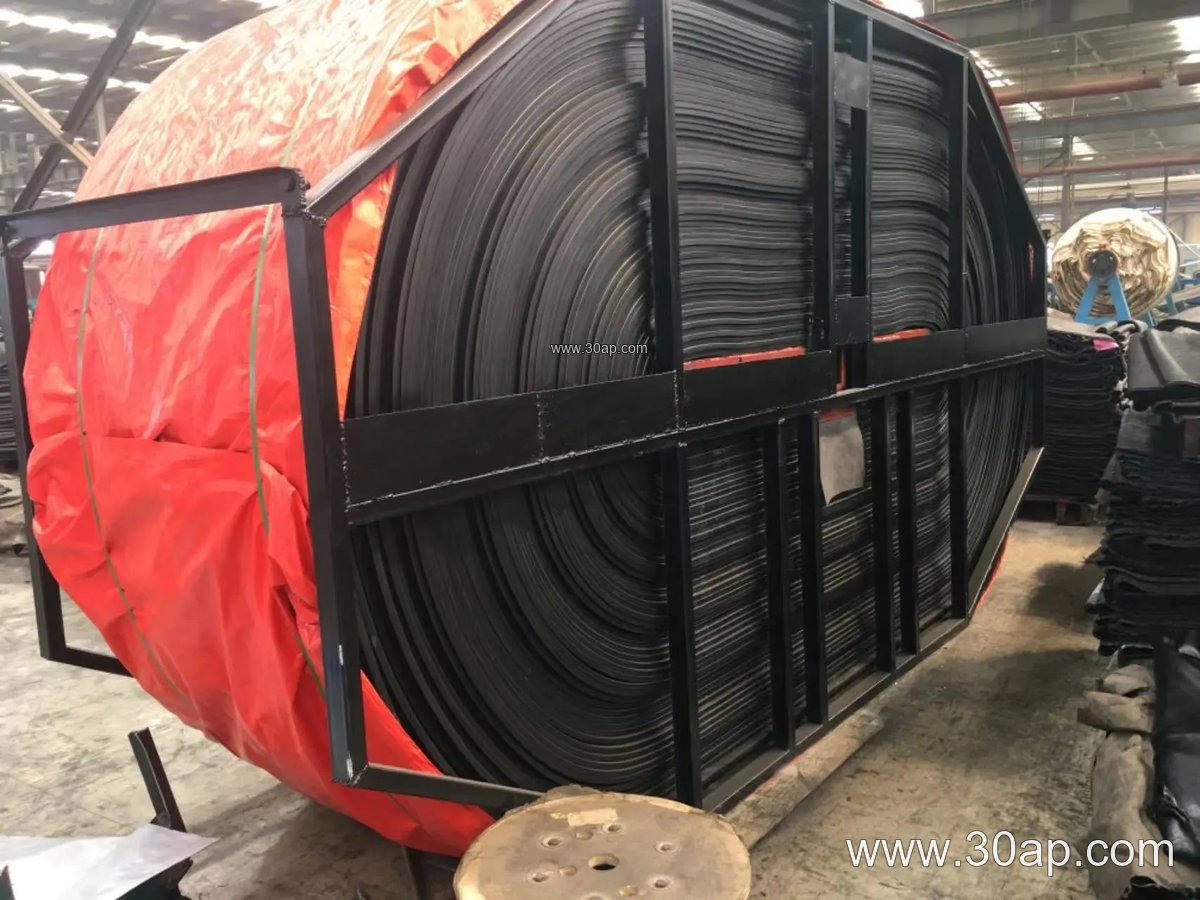
An 1800mm wide conveyor belt is a heavy-duty belting product built for conveyor lines that must move large volumes of bulk material in a single pass. At 1.8 meters across, it sits in the extra-wide segment of the market, well above the common 800mm and 1000mm widths used on smaller transfer lines. Mines, coal preparation plants, cement works, power stations, ports and large sand and gravel yards are typical homes for this width, where tonnage per hour matters more than the footprint of the conveyor.
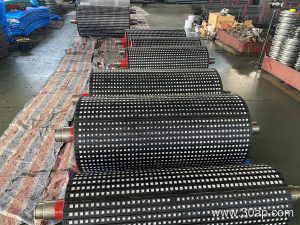
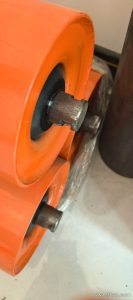
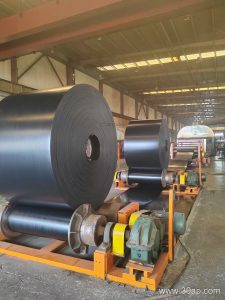
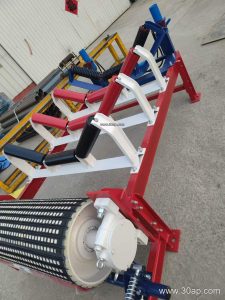
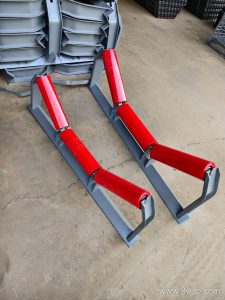
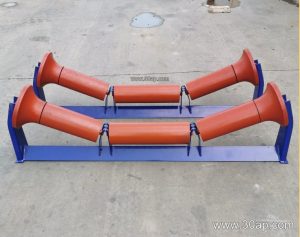
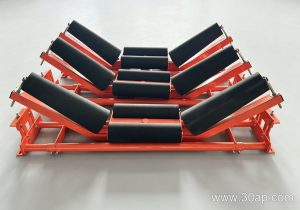
The belt itself is only one part of the machine. It runs over a troughing set of idler rollers, wraps the drive pulley and tail pulley, and is held in line by conveyor brackets and frame sections. The width of the belt directly affects the size of those components, so an 1800mm belt is usually paired with a robust pulley and roller arrangement rather than light-duty hardware.
Construction and Common Specifications
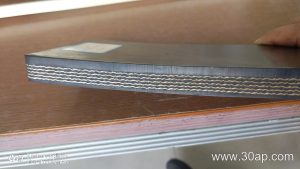
Most 1800mm wide belts are fabric-cored or steel-cord reinforced. A multi-ply fabric core with EP or NN canvas gives good flexibility and impact resistance, while a steel cord carcass suits very long runs and high tension. Cover rubber compounds are selected for the duty: abrasion resistant grades for ore and aggregate, heat resistant grades near clinker or sinter, flame retardant and anti-static grades for underground coal mining, and oil resistant or cold resistant versions where the environment demands them.
Typical reference values for this width are shown below. They are common examples, not fixed supply promises, and every project should be confirmed by design.
| Parameter | Common reference range |
|---|---|
| Belt width | 1800mm (B1800) |
| Carcass type | Multi-ply EP or NN fabric, or steel cord |
| Strength grade | EP400 to EP1250, or ST1000 to ST2500 |
| Number of plies | 3 to 6 for fabric cores |
| Top and bottom cover | 6+2mm, 8+3mm, or heavier by design |
| Surface options | Smooth, chevron, skirted, corrugated sidewall |
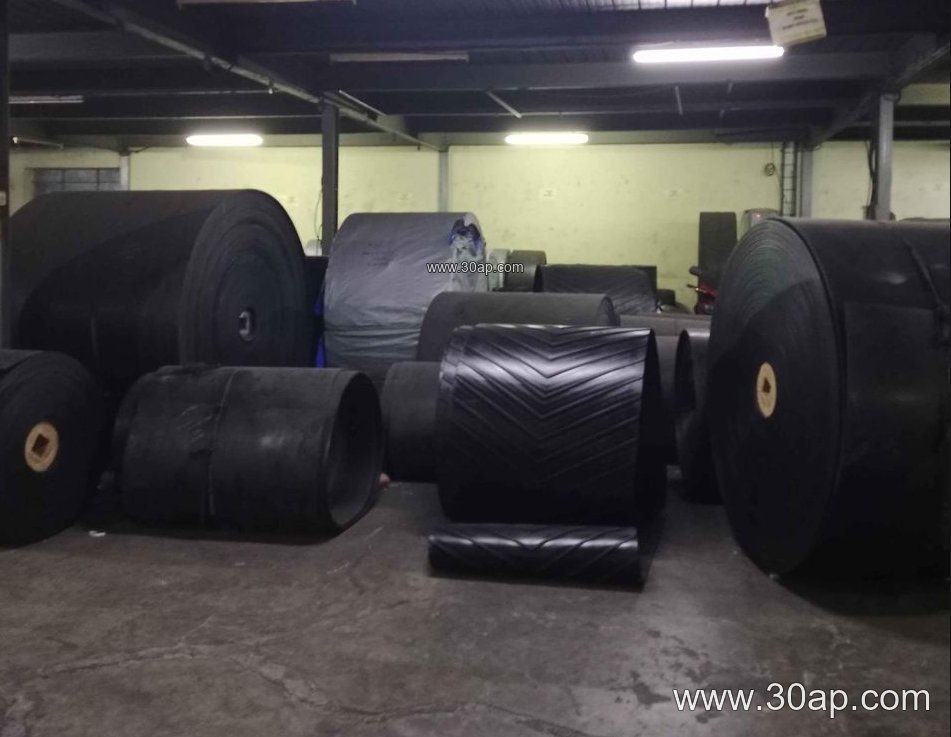
Specialty versions of the same product include the chevron conveyor belt for inclined haulage, the skirted conveyor belt and corrugated sidewall conveyor belt for steep or confined routes, and the pipe conveyor belt for enclosed transport. These are variants of the wide belt family, not replacements for it.
Where It Fits in the Plant
The main argument for this width is throughput. A wider belt carries a deeper material bed, so a single conveyor can replace two narrower lines and reduce transfer points. In a quarry or stone crushing circuit, an 1800mm belt often forms the main haul from the primary crusher to the stockpile. In a coal mining conveyor system, it may serve as the trunk line feeding the wash plant. Cement plants use it for clinker and raw meal, power plants for coal and limestone, and ports for ship loading and unloading.
Because the belt is wide and heavy, the supporting structure needs attention. Idler rollers should be sized for the load and spaced correctly, the drive pulley and tail pulley need sufficient face width, and conveyor brackets must keep the frame rigid. A misaligned frame will show up quickly as edge wear on a belt this wide, so alignment and take-up travel deserve review at the design stage.
Buyer Checklist
- Confirm the required strength grade against the actual load and incline, not just the belt width.
- Match the cover compound to the material: abrasive, hot, oily, wet or flammable.
- Decide the splice method early, since an endless conveyor belt requires vulcanized joints and adequate take-up.
- Check pulley and idler roller dimensions with the belt supplier before ordering the frame.
- Ask for the recommended minimum pulley diameter for the chosen carcass rather than assuming a figure from the width alone.
- Review troughability and load support, especially if the belt runs at high speed.
For an 1800mm wide conveyor belt, the sensible approach is to treat width as one input among several. Carcass, cover, splice and structure all interact, and the best result comes from specifying them together for the duty at hand.