What a Heavy-Duty Impact Idler Does
A heavy-duty impact idler is a specialized idler roller placed at conveyor loading points where bulk material falls onto the belt with significant force. Unlike standard carrying idlers, this impact idler is built to absorb shock, protect the conveyor belt from punctures and edge damage, and keep the belt path stable under repeated impact. In quarry, limestone, and iron ore operations, the heavy-duty impact idler often sits directly under the chute or crusher discharge, where large lumps and high drop heights are routine.
Construction and Key Components
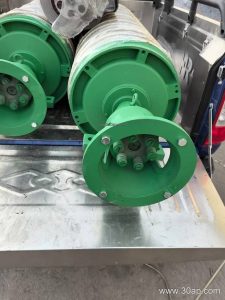
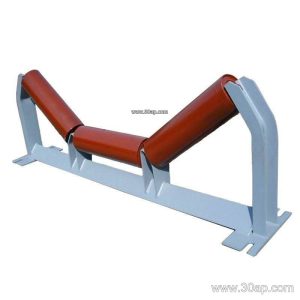
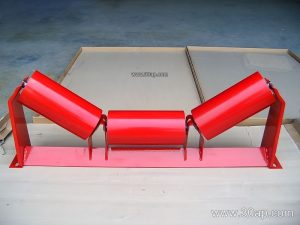
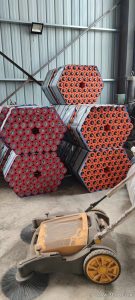
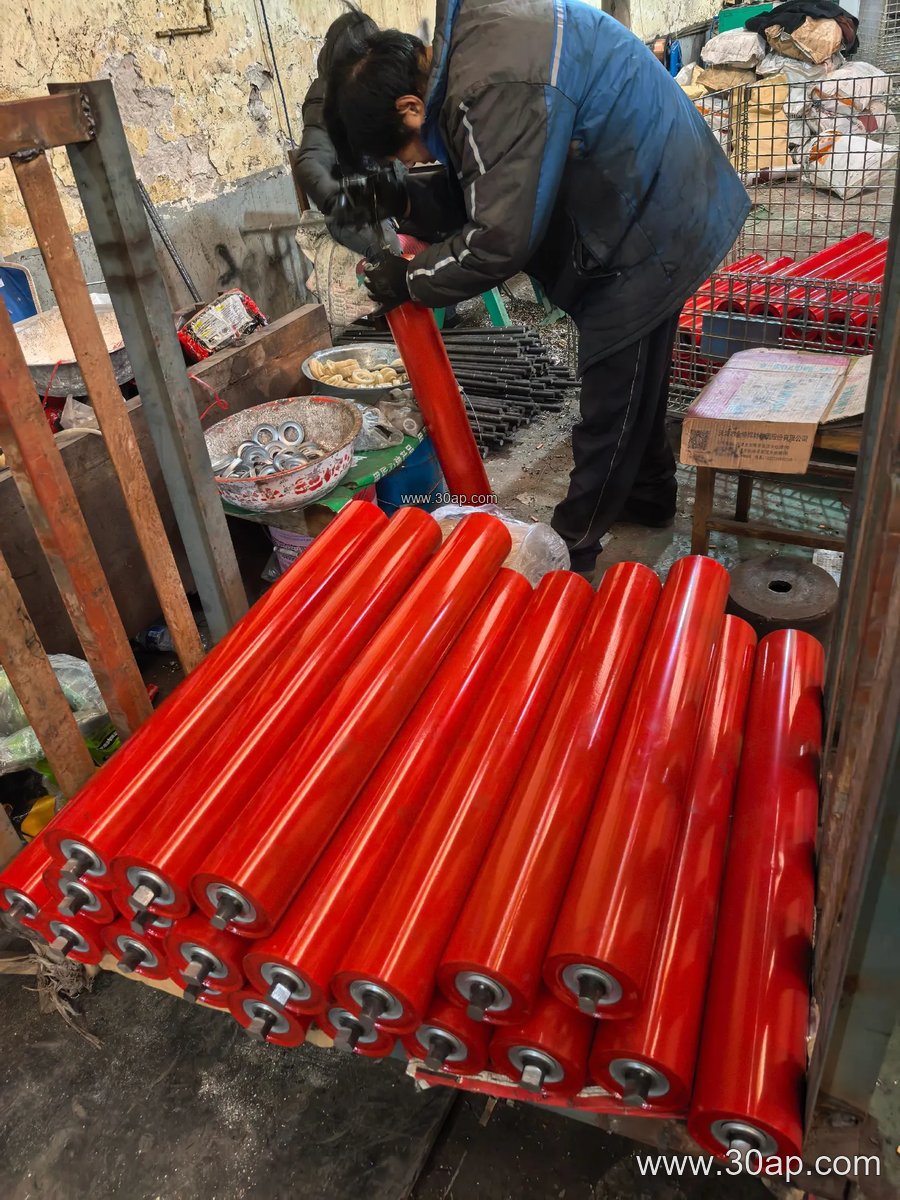
The impact idler roller typically uses a steel tube body with reinforced end caps and a shock-absorbing surface. Rubber discs or rubber rings are common, and some designs use a rubber-covered roller shell for extra cushioning. The bearing housing and seal arrangement matter as much as the rubber, because dust and fines at loading zones attack bearings quickly. Common bearing sizes include 6205, 6305, 6306, and 6308, but the correct bearing is selected by the idler manufacturer based on load and speed, not by belt width alone.
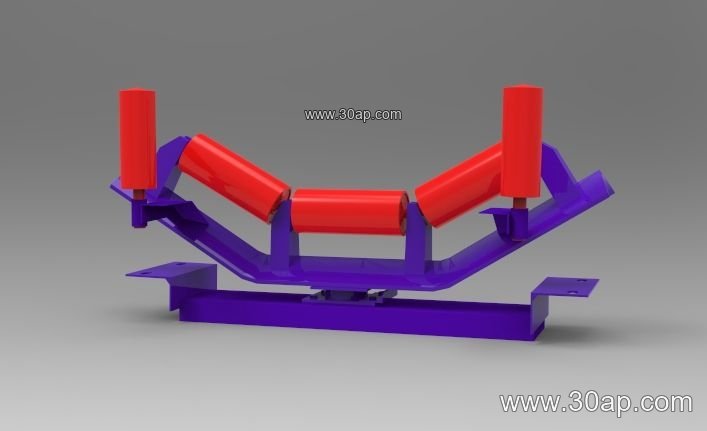
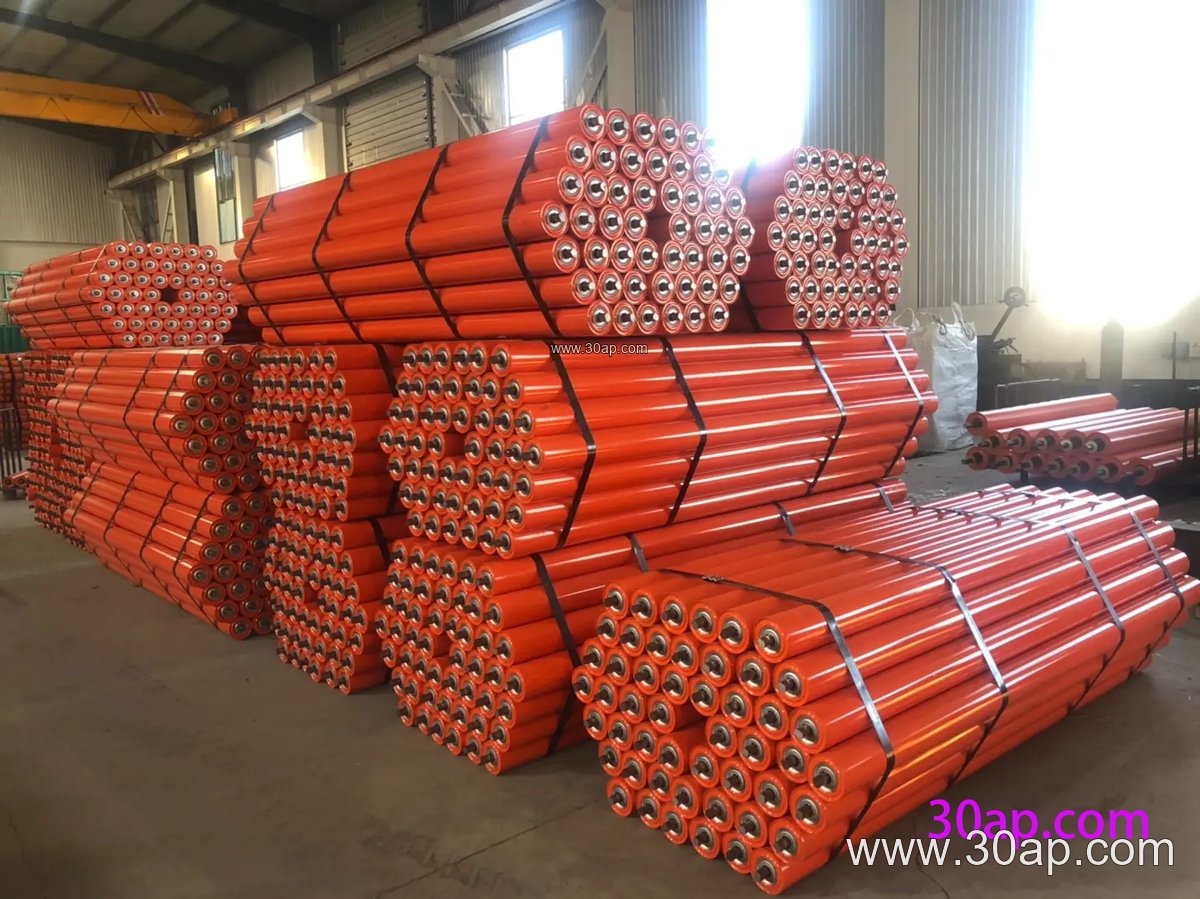
- Roller surface: rubber disc, rubber ring, or rubber-covered steel
- Bearing: sealed deep-groove ball bearing, size matched to load
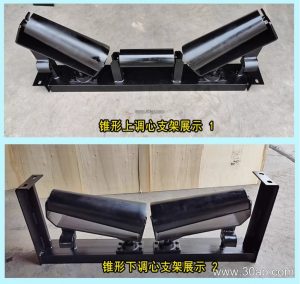
- Frame: heavy-gauge steel bracket or impact idler frame
- Mounting: fixed to the conveyor bracket at the loading station
Where It Fits on the Conveyor
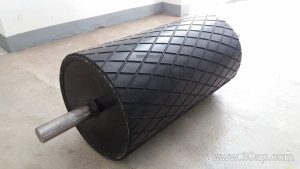
The impact idler is not a replacement for a bend pulley or a tail pulley; it is a carrying idler with a shock-absorbing role. At a transfer point, several impact idlers are usually installed in a short group, sometimes combined with transition idlers to ease the belt into the trough. In a coal mining conveyor or a cement plant clinker line, the loading zone may also include a skirted conveyor belt or a corrugated sidewall belt to contain material. The heavy-duty impact idler works alongside these components, not instead of them.
Common Sizes and Configurations
Impact idlers follow the same basic diameter and belt width ranges as other carrying idlers, but with heavier construction. Typical roller diameters include Ø89, Ø108, Ø127, Ø133, Ø159, and Ø178 mm. Belt widths commonly run from B650 to B1800, with three-roll troughing sets at 20, 30, 35, or 45 degrees. The table below gives reference examples only; actual roller length depends on belt width, trough angle, and idler arrangement.
| Belt width | Common roller diameter | Typical trough angle | Example roller length (three-roll set) |
|---|---|---|---|
| B650 | Ø89–Ø108 | 30–35° | 250 mm |
| B800 | Ø108–Ø127 | 30–35° | 315 mm |
| B1000 | Ø127–Ø133 | 30–35° | 380 mm |
| B1200 | Ø133–Ø159 | 30–35° | 465 mm |
| B1400 | Ø159–Ø178 | 30–35° | 530 mm |
| B1600 | Ø159–Ø178 | 30–35° | 600 mm |
These values are common references, not fixed pairings. Side rollers and center rollers can differ, and a heavy-duty impact idler may use a larger diameter than a standard idler at the same belt width to handle higher shock loads.
Buying Advice for Impact Idler Selection
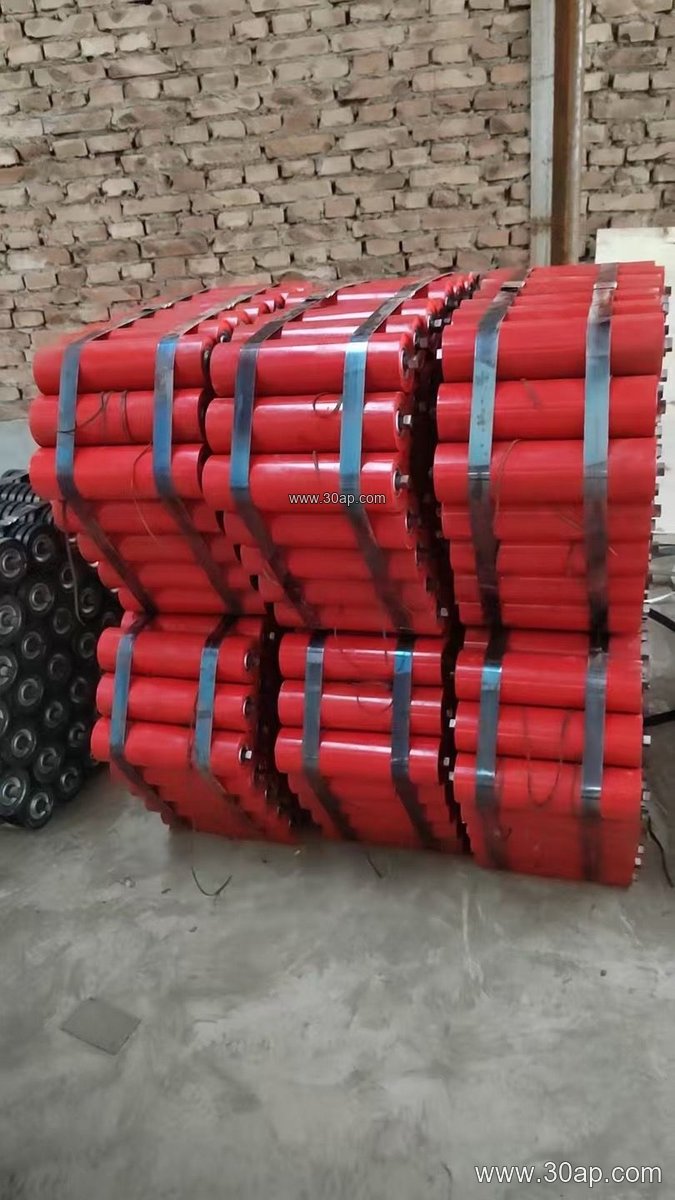
Start with the material: lump size, drop height, and throughput determine how much impact energy the idler must absorb. A crusher conveyor belt handling run-of-mine rock needs a different impact idler than a coal mining conveyor belt moving sized coal. Check the belt width and trough angle, then confirm the idler frame matches the existing conveyor bracket. Ask for the bearing size and seal type, because a heavy-duty impact idler with a poor seal will fail early in a dusty quarry or power plant coal yard. Also consider belt construction: a steel cord conveyor belt or a multi-ply fabric core conveyor belt may require a different idler spacing at the loading zone. Rubber conveyor belt and EP conveyor belt users often add one or two extra impact idlers under the chute to spread the load.
Maintenance and Practical Notes
Inspect impact idlers for rubber wear, flat spots, and loose discs. A worn impact idler can let the belt sag into the frame, causing edge damage and mistracking. Keep the loading chute centered so material lands on the middle of the belt, not on one side. In wash plants and ports, wash-down water and fines can reach the bearing seals, so re-greasing or sealed-for-life bearings should be chosen to suit the environment. For extreme abrasion, an abrasion resistant conveyor belt paired with well-maintained impact idlers reduces downtime. Remember that impact idlers are a wearing part; stocking a few spare rollers and brackets is normal practice in mining and aggregate operations.