What a Ceramic Lagged Pulley Does
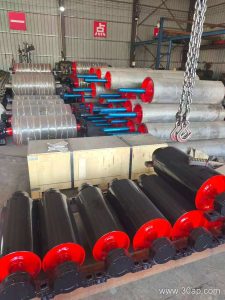
A wear-resistant ceramic lagged pulley is a conveyor pulley whose shell is covered with ceramic tiles set in a rubber or epoxy matrix. The ceramic provides a hard, abrasive-resistant surface that grips the conveyor belt while resisting the polishing and wear that plain steel or rubber lagging can suffer in high-slip, high-abrasion service. This product is often specified as a ceramic rubber lagged pulley or ceramic tread pulley, and it is most commonly used as a drive pulley where torque transmission and belt tracking matter.
Unlike a tail pulley, which mainly guides the belt at the return end, or a bend pulley, which changes belt direction, the drive pulley must transmit power without slipping. That is why ceramic lagging is usually applied to drive and head positions, though it can also appear on tension or snub pulleys in demanding circuits.
How the Ceramic Lagging Is Built
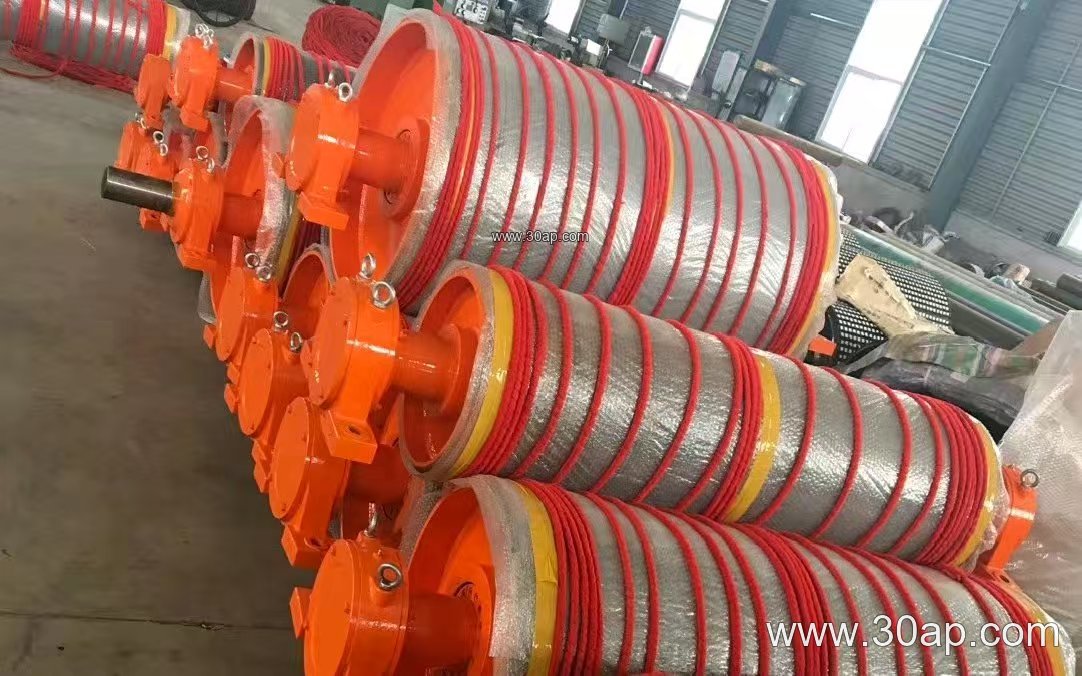
The pulley body is typically a welded steel drum with machined end discs and a shaft sized to the torque and load. The lagging is applied in one of several ways: ceramic tiles bonded into a rubber sheet that is then vulcanized or cold-bonded to the shell, or ceramic chips set in an epoxy layer. Tile shapes vary, including square, rectangular, and grooved patterns, and some designs include raised dimples or grooves to improve water and fines shedding.
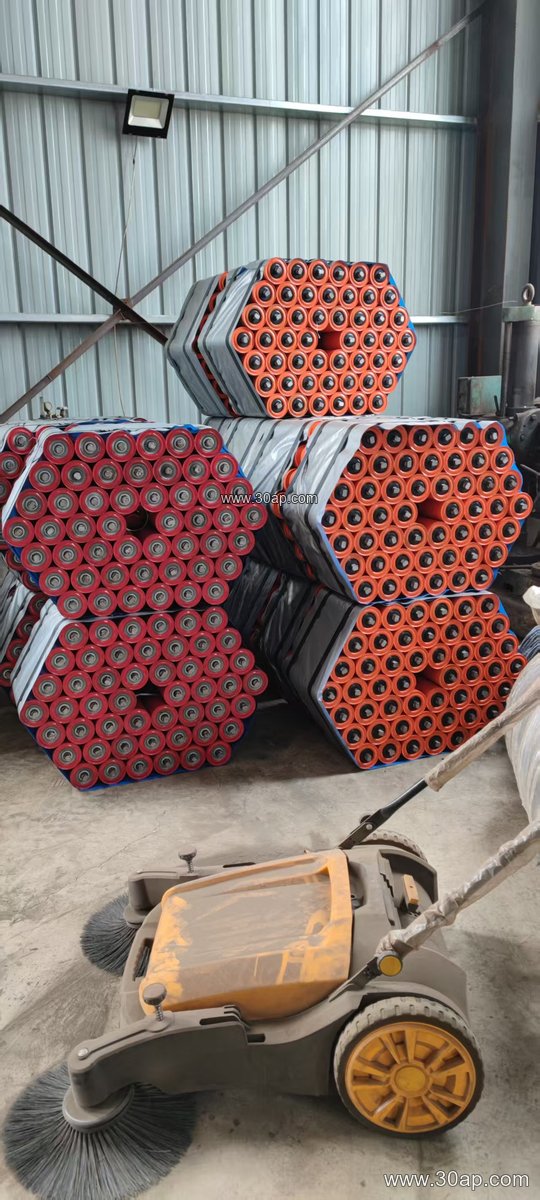
Common lagging thicknesses are 8, 10, 12, 15, and 20 mm, with the ceramic layer adding hardness without adding much weight. The shell width usually exceeds the belt width to allow for belt wander; for example, a B800 belt often runs on a pulley face around 950 mm, and a B1200 belt on a face near 1400 mm. These are reference proportions, not fixed rules, and final dimensions follow the conveyor design.
Where It Fits in the Conveyor
Ceramic lagged pulleys are common in quarry and aggregate lines, cement plants, coal handling, and power plant coal yards. They suit conveyors carrying abrasive bulk materials such as crushed stone, clinker, sinter, or iron ore, where fine particles and moisture can cause slippage. In these circuits, the pulley works together with the conveyor belt, idler roller, and conveyor bracket to keep the belt centered and moving.
Because the ceramic surface resists abrasion, it can outlast rubber lagging in wet or gritty conditions. However, it is not a universal replacement for every pulley type: a tail pulley or bend pulley may use plain or rubber lagging where grip is less critical. The choice depends on the duty point, belt tension, and material being conveyed.
Matching Pulley to Belt and Load
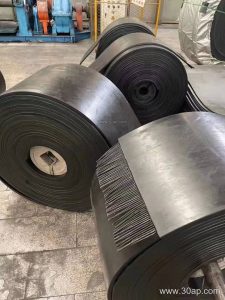
Buyers should consider belt width, pulley diameter, shaft size, lagging thickness, and the belt’s own properties. A heavy-duty mining conveyor belt or abrasion resistant conveyor belt may call for a larger diameter and thicker lagging, while a shorter aggregate line may use a smaller pulley. The table below shows common reference combinations; actual selection follows torque, belt tension, and shaft load calculations.
| Belt Width (mm) | Typical Pulley Face (mm) | Common Diameter Range (mm) | Lagging Thickness (mm) |
|---|---|---|---|
| B400 | 500 | 200–315 | 8–10 |
| B650 | 750 | 250–400 | 10–12 |
| B800 | 950 | 315–500 | 10–15 |
| B1000 | 1150 | 400–630 | 12–15 |
| B1200 | 1400 | 500–800 | 15–20 |
| B1400 | 1600 | 630–1000 | 15–20 |
Do not assume one belt width pairs with only one pulley diameter, and do not derive shaft diameter from belt width alone. Shaft sizes such as Ø80, Ø100, Ø120, or Ø160 are determined by torque and bearing load. When specifying a ceramic lagged pulley, state the belt width, pulley diameter, face width, lagging thickness, and shaft diameter so the supplier can confirm the design.
Buyer Checklist
- Confirm the pulley position: drive, head, tension, or snub. Drive pulleys benefit most from ceramic lagging.
- Check the belt type and tension. A steel cord conveyor belt or EP conveyor belt may need different pulley diameters and lagging profiles.
- Review the lagging pattern and thickness for the material: fine wet fines may favor grooved or dimpled tiles.
- Verify shaft size and bearing fit against the actual load, not just the belt width.
- Plan maintenance: ceramic tiles can chip if struck, so handling and belt cleaner adjustment matter.
In short, a wear-resistant ceramic lagged pulley is a targeted solution for slip-prone, abrasive drive positions. It works best when matched to the conveyor belt, idler roller, and bracket system as part of a complete conveyor design.