What This Pulley Is and Why It Matters
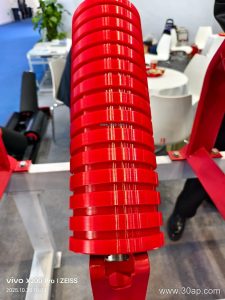
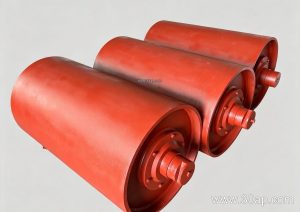
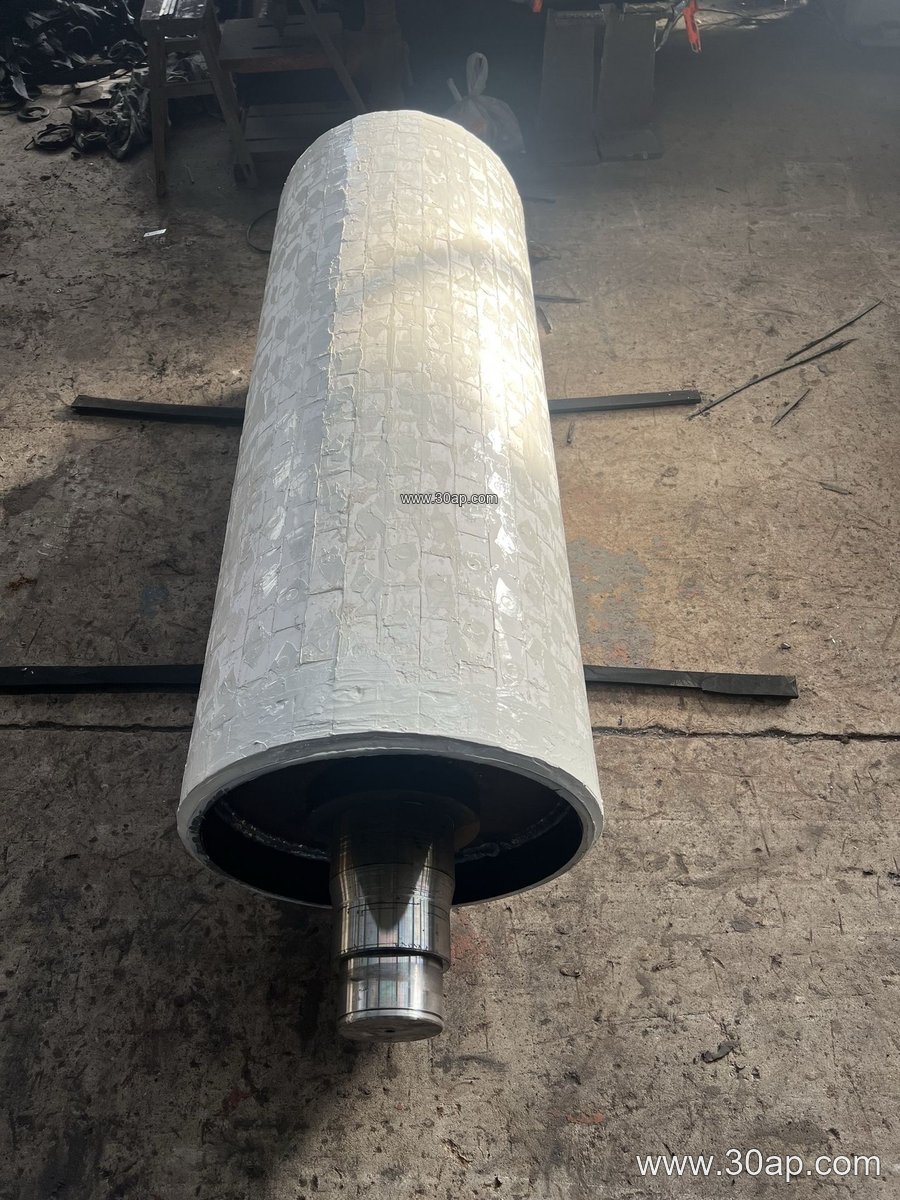
A wear-resistant ceramic lagged pulley is a conveyor pulley whose shell is covered with ceramic tiles set in a rubber or epoxy backing. The ceramic layer gives the pulley face a hard, abrasive-resistant grip, which is exactly what is needed where the belt drives heavy, sharp or gritty material. In a quarry, a limestone mine or a coal preparation plant, a standard rubber lagging can polish and wear smooth within months, while ceramic lagging keeps its texture much longer. The pulley itself is still a conveyor pulley, but the ceramic surface changes how it performs at the drive, tail or bend position.
Because the ceramic is bonded in tiles rather than applied as a single sheet, the surface keeps a high-friction profile even after the rubber between the tiles has worn slightly. That profile helps transmit torque without excessive belt tension, an important point when the conveyor is long and the drive is far from the head end.
How the Ceramic Lagging Is Built
Construction usually starts with a steel shell that is machined and cleaned, then coated with a bonding layer. Ceramic tiles, often with small raised studs or a dimpled pattern, are pressed into the bonding layer in a staggered layout. The backing may be rubber for flexibility or a cold-curing compound for workshop repair. After curing, the surface is inspected for tile height and bond integrity. Common lagging thicknesses are 8, 10, 12, 15 and 20 mm, with the ceramic tile itself typically a few millimetres thick. The shell width usually exceeds the belt width, for example a B800 belt may run on a pulley face of about 950 mm, while a B1200 belt may use about 1400 mm.
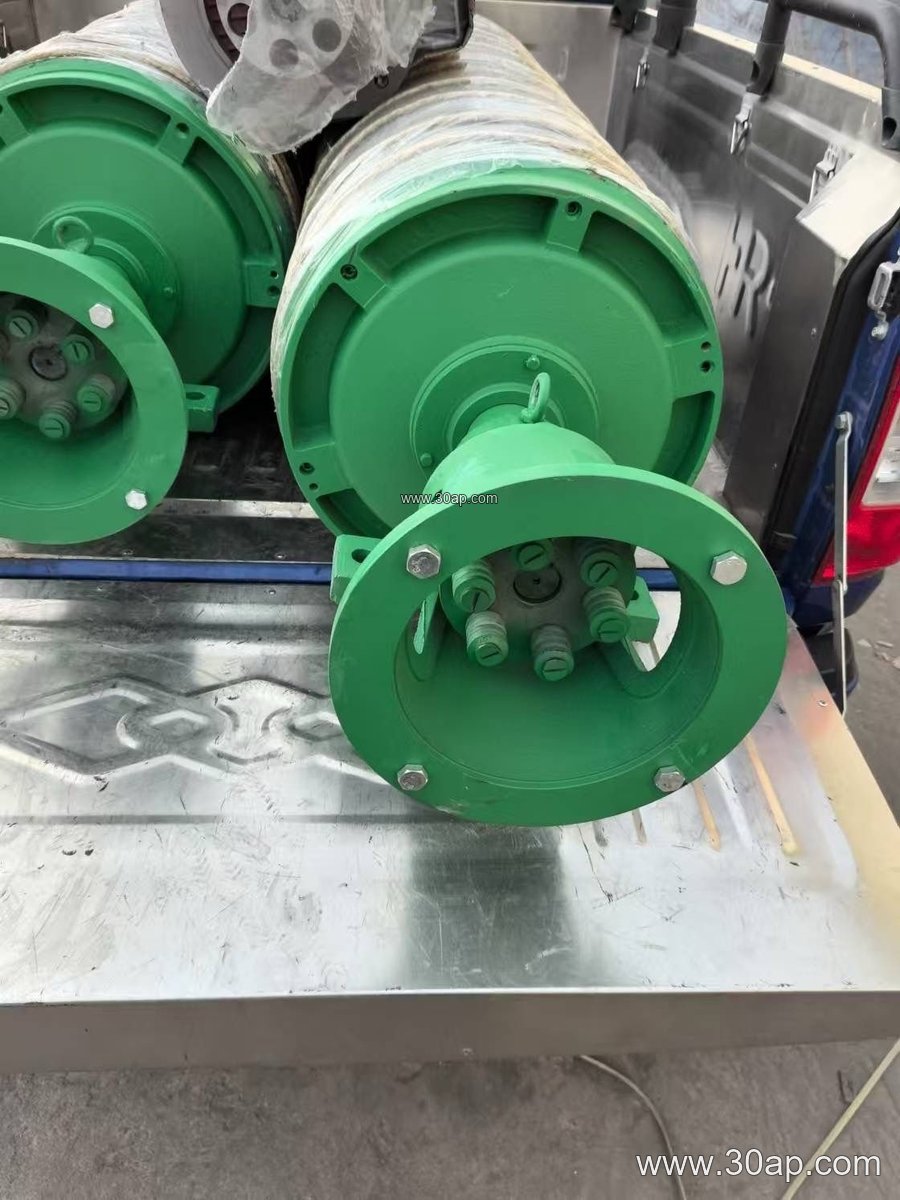
Tile pattern and surface form
The tile pattern can be square, rectangular or diamond-oriented. Diamond or studded patterns are often chosen where the belt carries wet or oily material, because the raised ceramic points penetrate the water film. Plain ceramic tiles are used where the main problem is abrasion rather than slip. The rest of the pulley face may be flat, and the ceramic zone can be arranged across the full face or as a band.
Where It Fits on the Conveyor
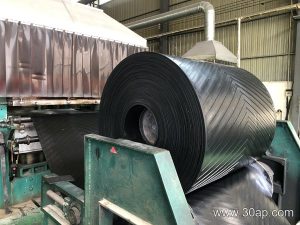
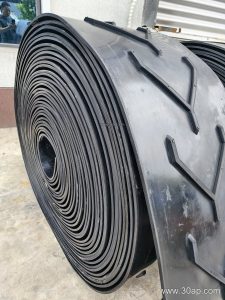
This pulley type is most often used as a drive pulley, but it also appears as a bend pulley or tail pulley where belt slip and abrasive carry-back are problems. On a cement plant clinker line, a ceramic lagged drive pulley can maintain grip despite fine dust. In a power plant coal handling system, it resists the abrasive coal dust that settles on the return side. In a sand and gravel plant, it often works with a heavy-duty mining conveyor belt carrying sharp aggregate.
It is not a substitute for a tail pulley on every conveyor, and it is not the same as a bend pulley in function. Each position has its own load and wrap angle, so the pulley should be specified for its role rather than chosen by name alone.
Matching the Pulley to the Belt and the Duty
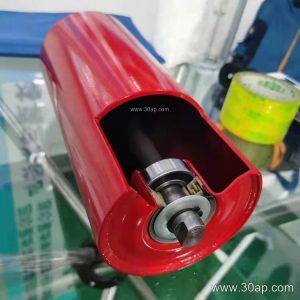
The ceramic lagged pulley should be selected together with the conveyor belt and the idler roller layout. A smooth, flexible EP conveyor belt or NN conveyor belt may need a different wrap angle than a stiff steel cord conveyor belt. Where the belt carries hot material, the pulley lagging should be checked for temperature compatibility, and where oil is present, an oil resistant conveyor belt may be paired with a suitable lagging bond.
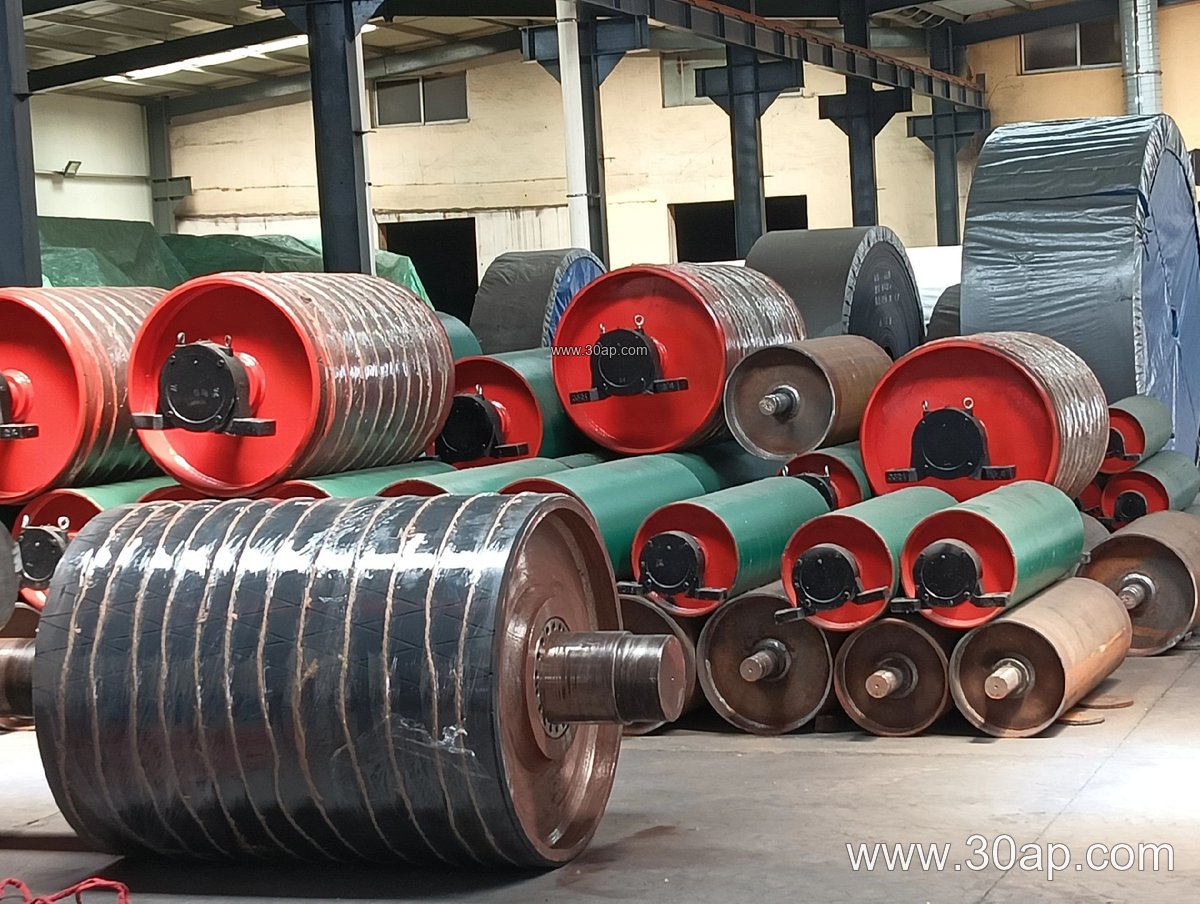
Belt width and pulley diameter are related but not fixed to each other. A B800 conveyor may run on a Ø500 or Ø630 pulley depending on tension and shaft load, while a B1400 conveyor may use Ø800 or Ø1000. Shaft diameter is determined by torque and bearing load, not by belt width alone.
| Belt width (common) | Pulley face width (typical) | Example diameter range |
|---|---|---|
| B650 | about 750 mm | Ø400 to Ø630 |
| B800 | about 950 mm | Ø500 to Ø800 |
| B1000 | about 1150 mm | Ø630 to Ø1000 |
| B1200 | about 1400 mm | Ø800 to Ø1250 |
| B1400 | about 1600 mm | Ø800 to Ø1400 |
Common shaft diameters include Ø80, Ø100, Ø120, Ø140, Ø160 and Ø180, but the final value should come from the pulley design calculation. A ceramic lagged pulley can be combined with a conveyor bracket and standard bearing housings, so the mounting arrangement should be confirmed before ordering.
Buyer Checklist
- Confirm the pulley position: drive, tail, bend or tension. The duty differs at each point.
- State the belt type, for example abrasion resistant conveyor belt or flame retardant conveyor belt, and the material carried.
- Give belt width, pulley face width, shell diameter and required lagging thickness.
- Ask how the ceramic tiles are bonded and whether the pattern suits wet or dry conditions.
- Check that the shaft and bearing size match the calculated load, not just the belt width.
- Plan inspection of tile edges and bond lines during routine maintenance.
A ceramic lagged pulley is a long-life component when it is matched to the conveyor and maintained with the rest of the system. For more conveyor components, see the pulley and idler roller range at www.hz-conveyor.com, and match the lagging to the belt and the duty.