What a 6205 Bearing Idler Is
A 6205 bearing idler is a conveyor idler roller built around a 6205-size deep groove ball bearing. In everyday plant language it is simply a 6205 bearing roller or a 6205 idler roller, and it sits under or beside the conveyor belt to carry the load and keep the belt tracking. The bearing is the quiet centre of the part: it is a small, widely used ball bearing with a bore of 25 mm and an outside diameter of 62 mm, which is why it turns up so often in light and medium-duty idlers.
Because the bearing is sealed and pre-lubricated in most designs, the idler needs little attention until the seal fails or the shell wears through. That is the point where a plant in a quarry, a sand and aggregate line, or a cement plant usually starts hearing noise from the return side or sees belt mistracking.
How the Idler Is Built
A typical 6205 bearing idler has a steel tube shell, a shaft, two bearing housings, labyrinth or contact seals, and a retaining arrangement. The shell may be plain steel, nylon-coated, ceramic-coated, or fitted with rubber rings, depending on whether the duty calls for abrasion resistance, material build-up control, or impact cushioning.
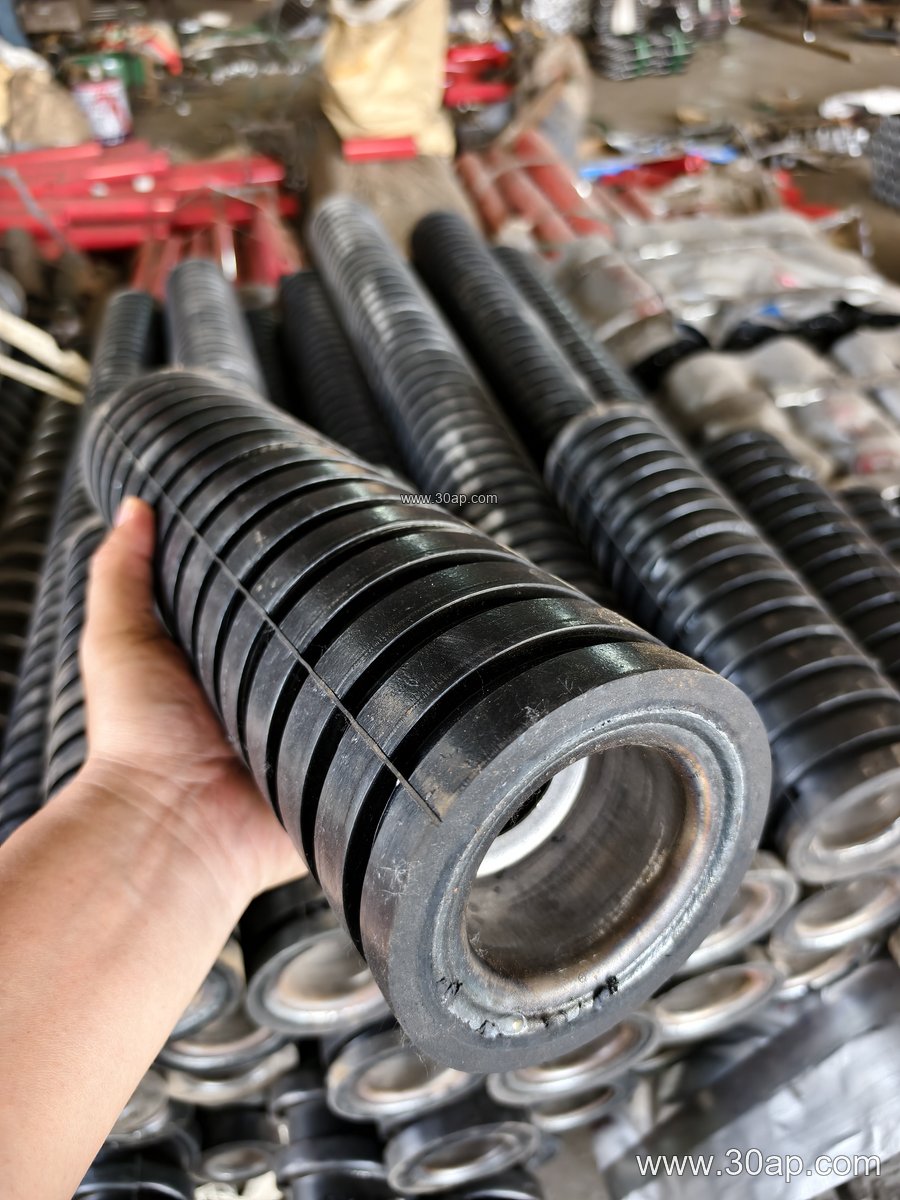
- Shell: steel tube, often with a machined face and painted or coated finish.
- Bearing: 6205 deep groove ball bearing, one at each end.
- Seal: labyrinth seal, felt seal, or a combination, chosen for dust and moisture levels.
- Shaft: plain or stepped, with flats or a machined end for bracket fixing.
- Frame fit: the roller drops into a conveyor bracket or a idler frame on the conveyor structure.
The 6205 bearing is a common match for roller diameters in the middle of the light range, but it is not tied to one shell diameter. A Ø89 idler and a Ø108 idler can both use a 6205 bearing if the housing and shaft are designed for it. The bearing number describes the bearing, not the whole roller.
Where It Fits on the Conveyor
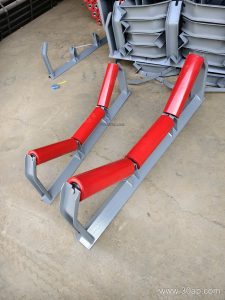
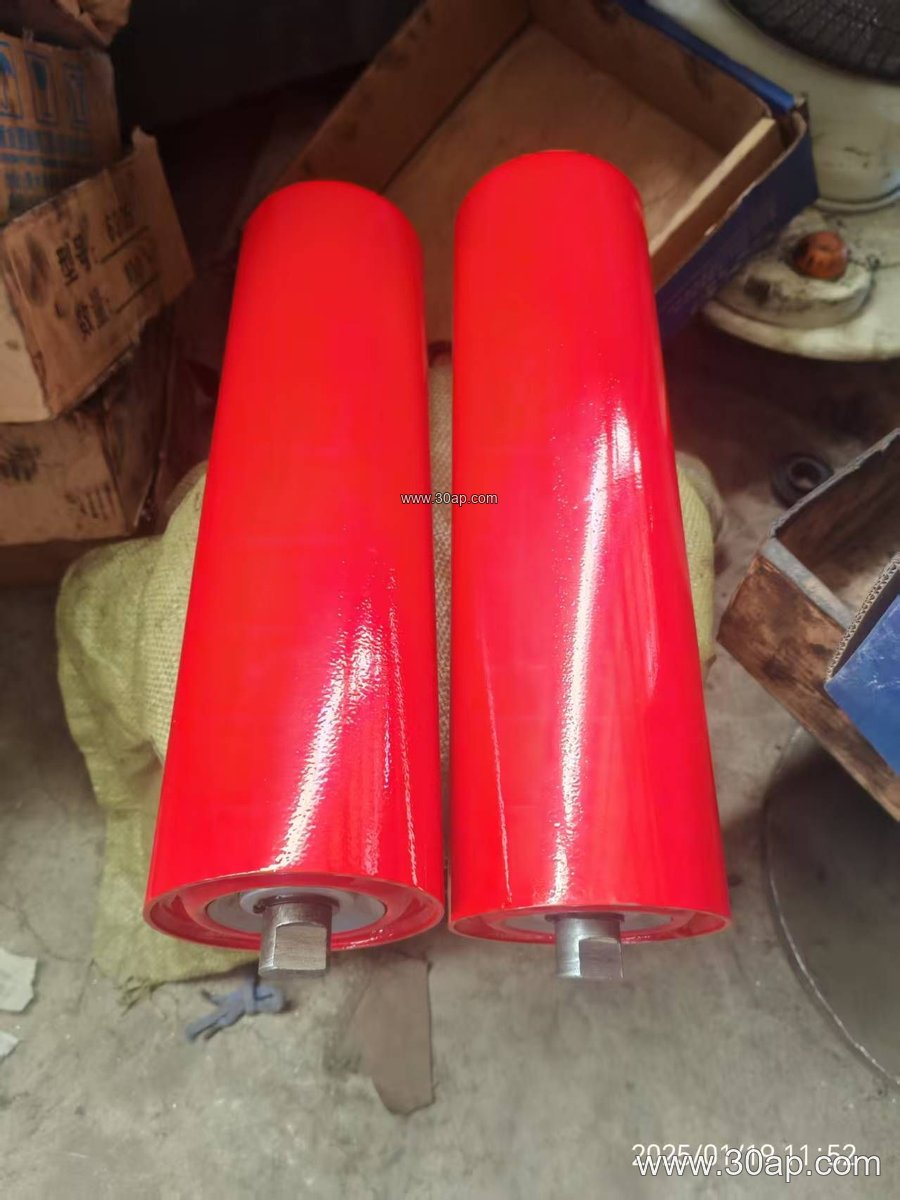
This idler appears most often on the carrying side as a three-roll troughing set or on the return side as a flat return roller. In a stone crushing line it may be used on a 600mm or 800mm conveyor belt where the load is moderate. In a small power plant coal handling section it may serve on a B650 belt feeding a transfer point.
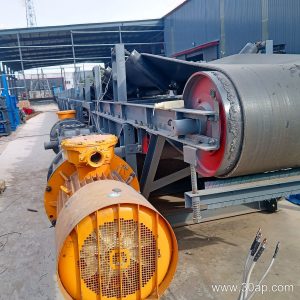
It is not a drive pulley, tail pulley, or bend pulley, and it should not be treated as one. Those are conveyor pulleys that transmit drive or change belt direction. The 6205 bearing idler is a supporting roller. The only comparison worth making is with other idler subtypes, such as a rubber-ring impact idler at a loading point or a V-return idler on the return strand; each has a different job.
Common Sizes and Configurations
Idler length follows belt width, trough angle, and roll arrangement. The values below are common reference examples, not fixed rules, and side rolls can differ from centre rolls.
| Belt width | Typical roll length (three-roll trough) | Common trough angles |
|---|---|---|
| B500 | about 200 mm | 20°, 30°, 35° |
| B650 | about 250 mm | 20°, 30°, 35° |
| B800 | about 315 mm | 30°, 35°, 45° |
| B1000 | about 380 mm | 30°, 35°, 45° |
| B1200 | about 465 mm | 30°, 35°, 45° |
| B1400 | about 530 mm | 30°, 35°, 45° |
Roller diameters commonly paired with a 6205 bearing include Ø76, Ø89, Ø102, Ø108, and Ø127. Again, these are design choices, not a fixed bearing-to-diameter pairing. A conveyor bracket and frame must match the shaft end and the drop-in height.
Buyer Checklist
- Confirm the belt width and the idler set type before ordering; a return roller and a troughing roller are not interchangeable.
- Check the shaft end shape and bracket fit, not just the bearing number.
- Match the seal type to the site: dusty quarry air needs a better labyrinth than a clean indoor line.
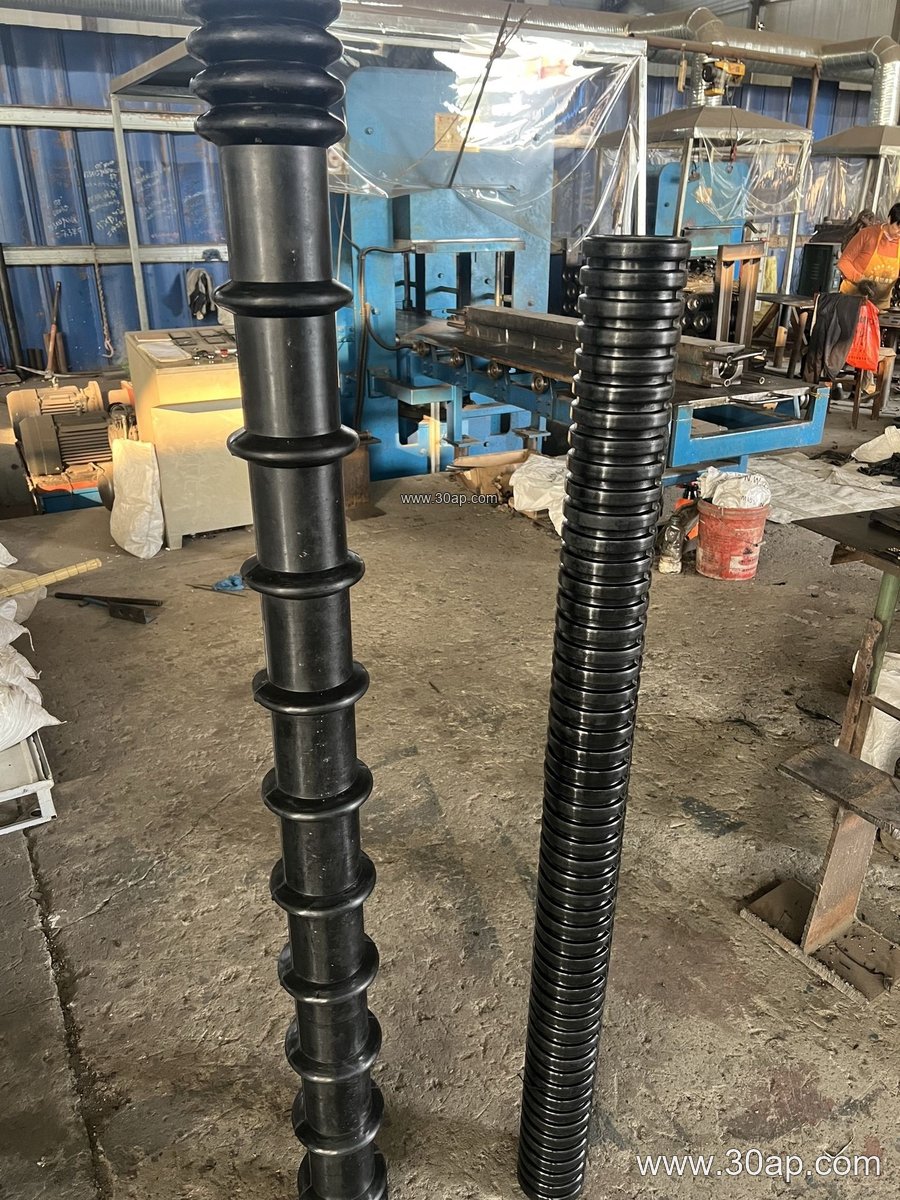
- Consider the material being carried. A sticky bulk material may call for a rubber-disc or spiral roller, while a hot clinker line needs a heat-resistant arrangement.
- Ask for the shell wall thickness and coating if abrasion is severe.
On a coal mining conveyor belt or an iron ore conveyor belt, the 6205 bearing idler is usually a light-to-medium duty component. Heavier ore streams may need larger bearings and thicker shells. Buyers should also check that the idler suits the belt speed and the ambient conditions rather than relying on the bearing size alone.
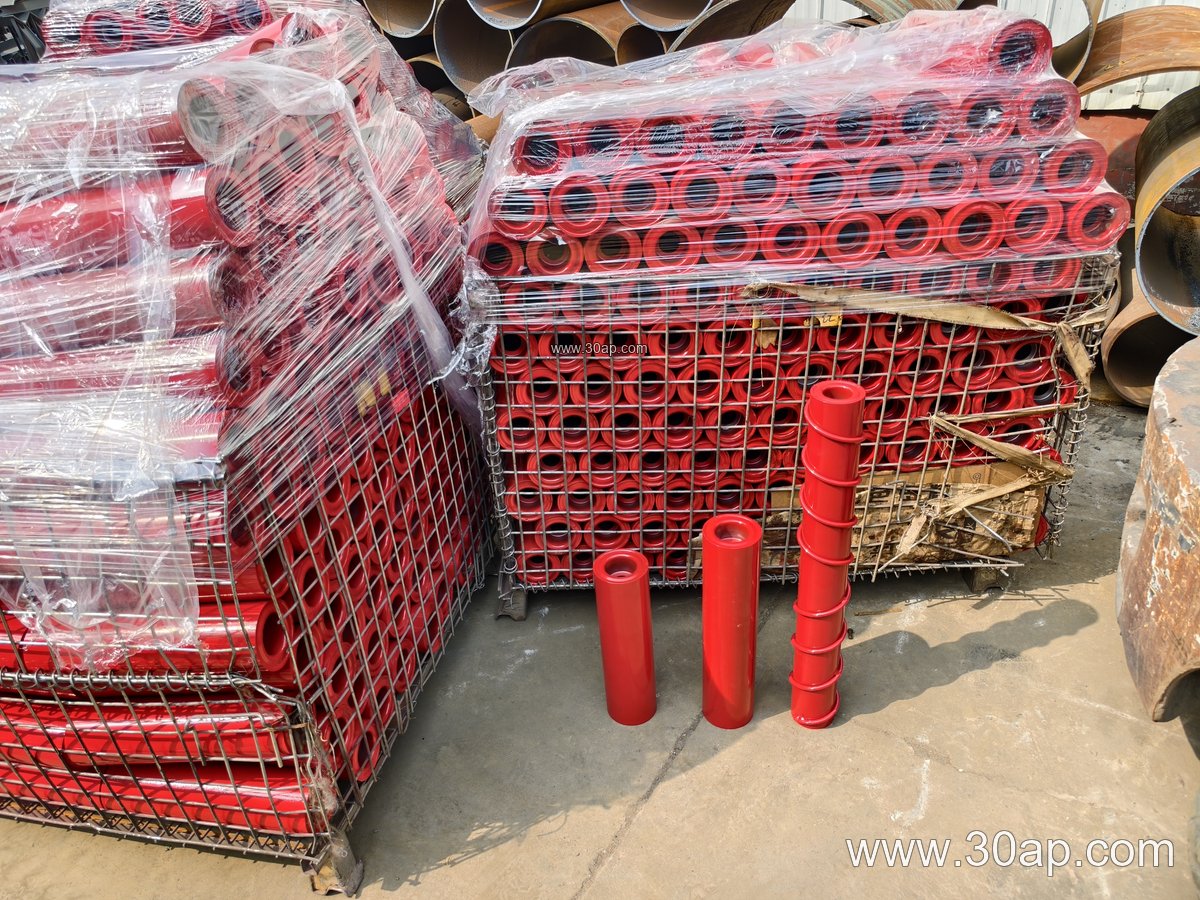
For plants that also buy belting, it helps to keep idler data and belt data in one place. A buyer comparing a 6205 bearing idler with an EP conveyor belt or a steel cord conveyor belt order can note belt width, trough angle, and idler spacing together, so the maintenance team gets a consistent spare parts list. Suppliers of conveyor idler roller ranges often publish roll length and shaft tables that make this easier.
Maintenance Notes
Listen for squealing or rumbling, watch for a roller that stops turning, and check for belt wander near the affected idler. A failed 6205 bearing usually shows up as heat at the bearing housing or grease staining around the seal. Replacing the whole idler is common practice rather than rebuilding the bearing in the field, because a worn shell often goes with a worn bearing.
Keep spares matched to the belt width and bracket type. A mixed stock of idlers with different shaft ends slows down maintenance in a busy cement plant or a port terminal. Store rollers dry and flat, and rotate stock so seals do not sit compressed for years.