What a Steel Cord Conveyor Belt Is
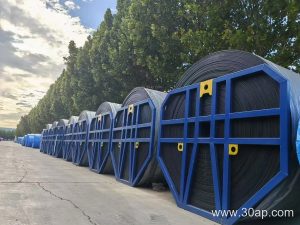
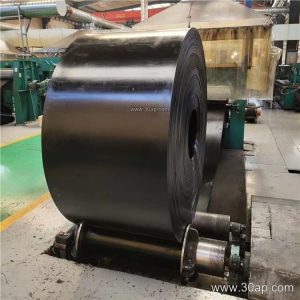
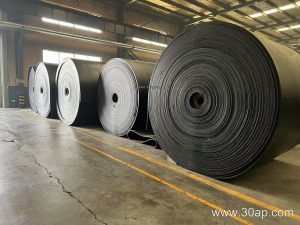
A Steel Cord Conveyor Belt is a heavy-duty rubber belt whose tension-bearing skeleton is made from parallel steel wires running lengthwise through the carcass. Instead of several fabric plies, the load is carried by these cords, which gives the belt high tensile strength with relatively little stretch. In long overland lines, mine drifts and plant-to-plant transfers, this construction lets one belt span distances that would need several fabric-cored belts in series. Buyers often compare it with an EP Conveyor Belt or a Multi-Ply Fabric Core Conveyor Belt; the fabric options suit shorter runs and lighter loads, while the steel-cord design is chosen where strength and low elongation matter most.
How the Belt Is Built
The core is a layer of high-carbon steel cords, spaced evenly and held in position by a thin rubber compound. Top and bottom cover rubber protect the cords from abrasion, impact, moisture and, in some cases, heat or oil. The cover grade and thickness are selected for the duty, and the cord pitch is set by the belt designer rather than chosen from a single universal table.
- Steel cord layer as the tension member
- Core rubber that bonds cords and cushions them
- Top cover for material contact and wear
- Bottom cover for pulley contact and protection
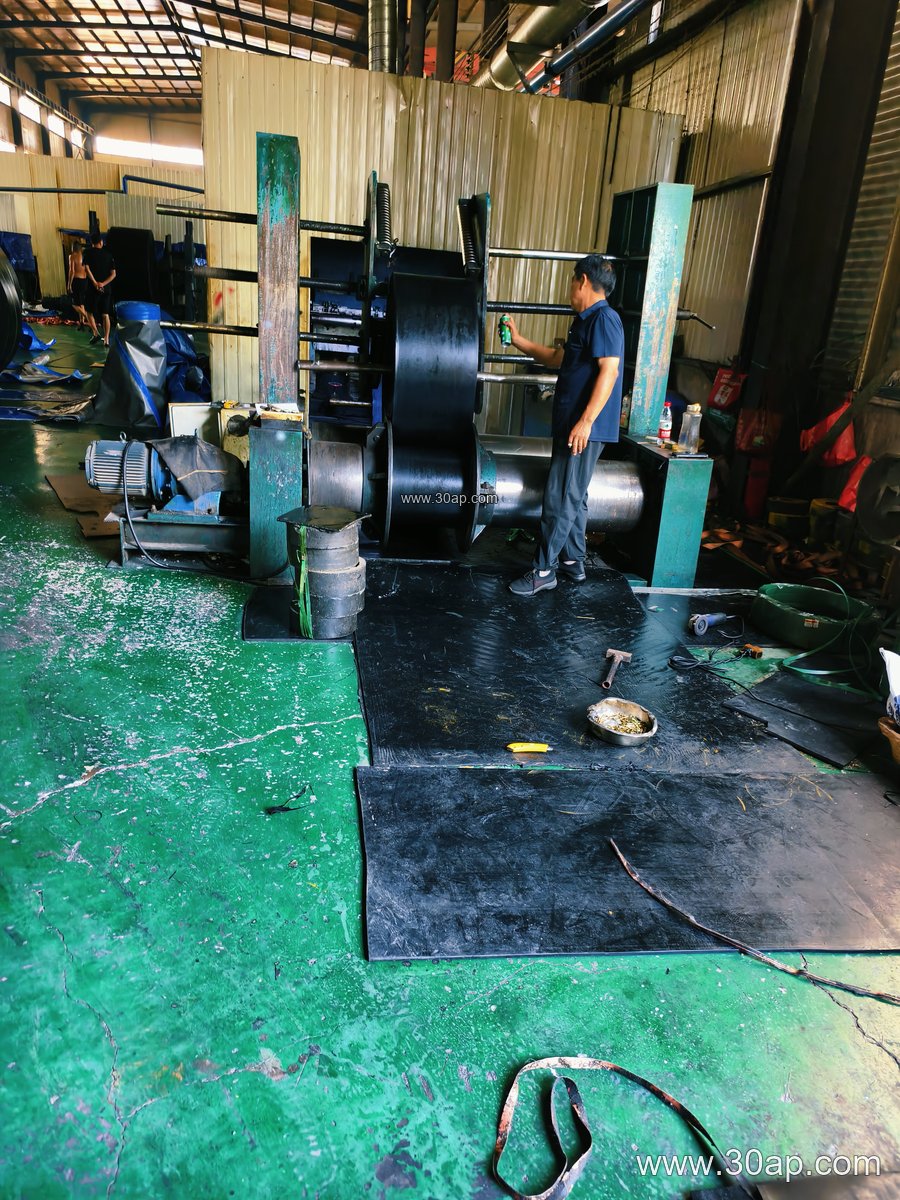
Because the cords are the strength element, splice quality is critical. Field splices are usually made by stripping the covers, laying the cords in a staggered pattern, and vulcanizing the joint under pressure. A poor splice can reduce belt life far more than cover wear does, so the splicing plan should be agreed before the belt is ordered.
Common Strength Grades and Dimensions
Steel cord belts are frequently described by nominal tensile strength, such as ST1000, ST1250, ST1600, ST2000, ST2500 or ST3150. These figures are reference grades, not a guarantee of a particular manufacturer’s supply. Belt width, cover thickness and cord grade are matched to the conveyor design, the material and the pulley arrangement.
| Parameter | Typical reference range |
|---|---|
| Strength grade | ST1000 to ST3150 (commonly quoted) |
| Belt width | B800, B1000, B1200, B1400, B1600, B1800, B2000 |
| Cover thickness examples | 5+2 mm, 6+2 mm, 8+3 mm |
| Cover grades | Abrasion resistant, heat resistant, flame retardant, oil resistant |
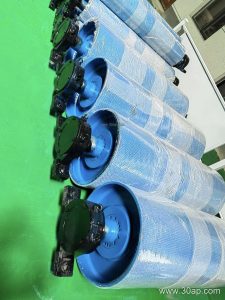
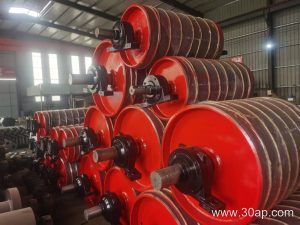
Width alone does not fix pulley diameter, shaft size or idler spacing. Those come from the conveyor’s tension, load and safety calculations, so a B1200 belt on one system may run on very different pulleys from a B1200 belt on another. The drive pulley, tail pulley and bend pulleys each have their own duty and should not be treated as interchangeable.
Where It Fits in the Plant
Steel cord belts are common in mines, coal preparation plants, cement works, power stations, steel plants, ports and large quarries. They handle iron ore, copper ore, limestone, clinker, coal and other bulk materials over long lifts and long horizontal runs. In dusty or wet conditions, a Flame Retardant Conveyor Belt grade may be specified for underground coal mining, while a Heat Resistant Conveyor Belt grade suits clinker or sinter handling. Abrasion is the usual enemy in crushing and screening circuits, so a high abrasion resistant cover is often requested there.
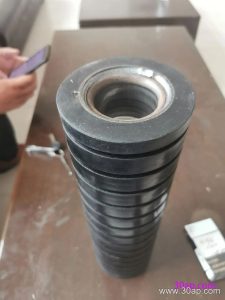
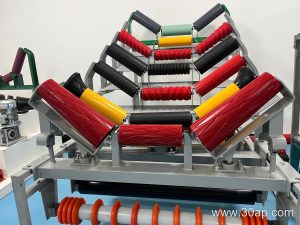
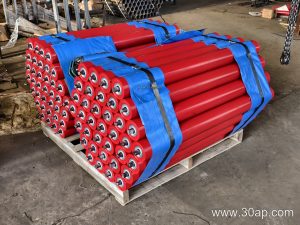
The belt works with the rest of the conveyor: idler rollers support the loaded strand, the conveyor pulley drives and tensions it, and conveyor brackets hold the frames and rollers in line. On a long steel-cord line, alignment and idler condition have a direct effect on belt tracking and splice life. More belt and conveyor component information is available at belt.sdtorollers.com and at idler.sdtorollers.com for those comparing roller options.
What Buyers Should Check
- Duty and material: lump size, temperature, moisture, oil and chemical exposure all affect cover choice.
- Strength grade and safety factor: confirm the required tensile grade from the conveyor design, not from habit.
- Cover thickness: match top cover to impact and abrasion, and bottom cover to pulley contact.
- Splice method: agree on vulcanized splice details, cord stagger and cure conditions.
- Roller and pulley condition: worn idlers or a misaligned bend pulley can damage a new belt quickly.
For a mine, quarry or cement line, it also pays to confirm whether the belt needs anti-static or fire-resistant properties, and whether the site prefers a particular cover grade. A steel cord belt is a long-term investment, so the specification should follow the conveyor’s actual duty rather than a single generic size. Suppliers of related rubber belting, such as a Rubber Conveyor Belt for lighter duties, can be compared at rubber.sdtorollers.com, while pulley and roller support is discussed at pulley.sdtorollers.com.