What a Large Pulley Does on a Conveyor
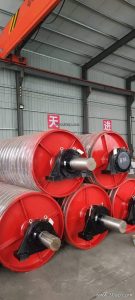
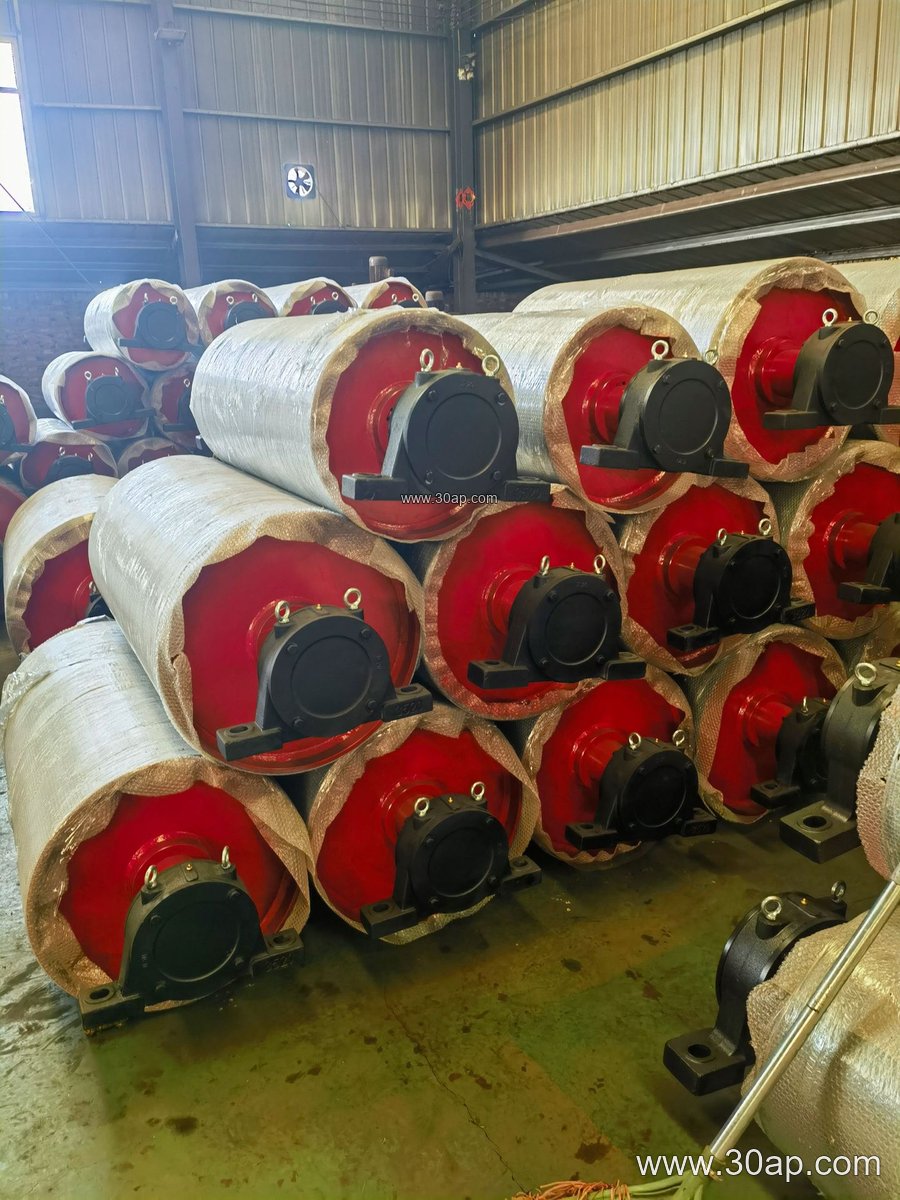
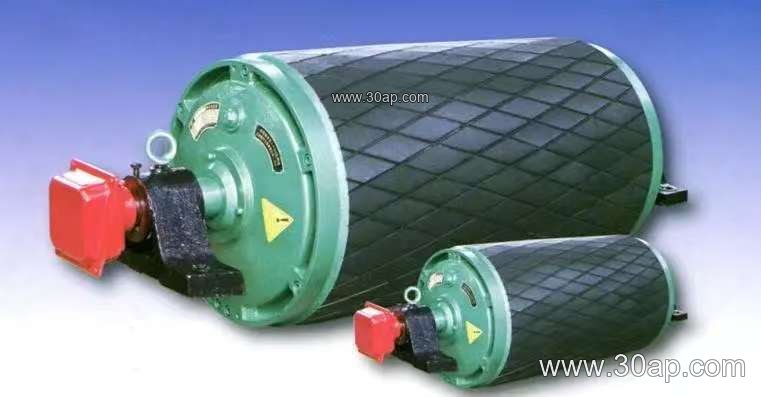
A large pulley is the drum that carries and drives the conveyor belt at the heart of a bulk material handling line. In practice, the term usually refers to a heavy-duty conveyor pulley with a diameter and face width sized for high tension and high throughput. It is not simply a scaled-up idler roller; it is an engineered component with its own shaft, hub, lagging and bearing arrangement. Whether you are moving ore in a copper mine, clinker in a cement plant, or coal at a power station, the large pulley is the point where belt tension is transferred and direction is changed.
Construction and Surface Options
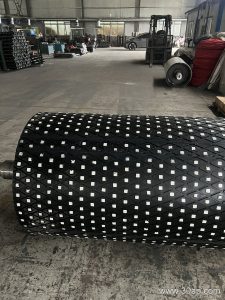
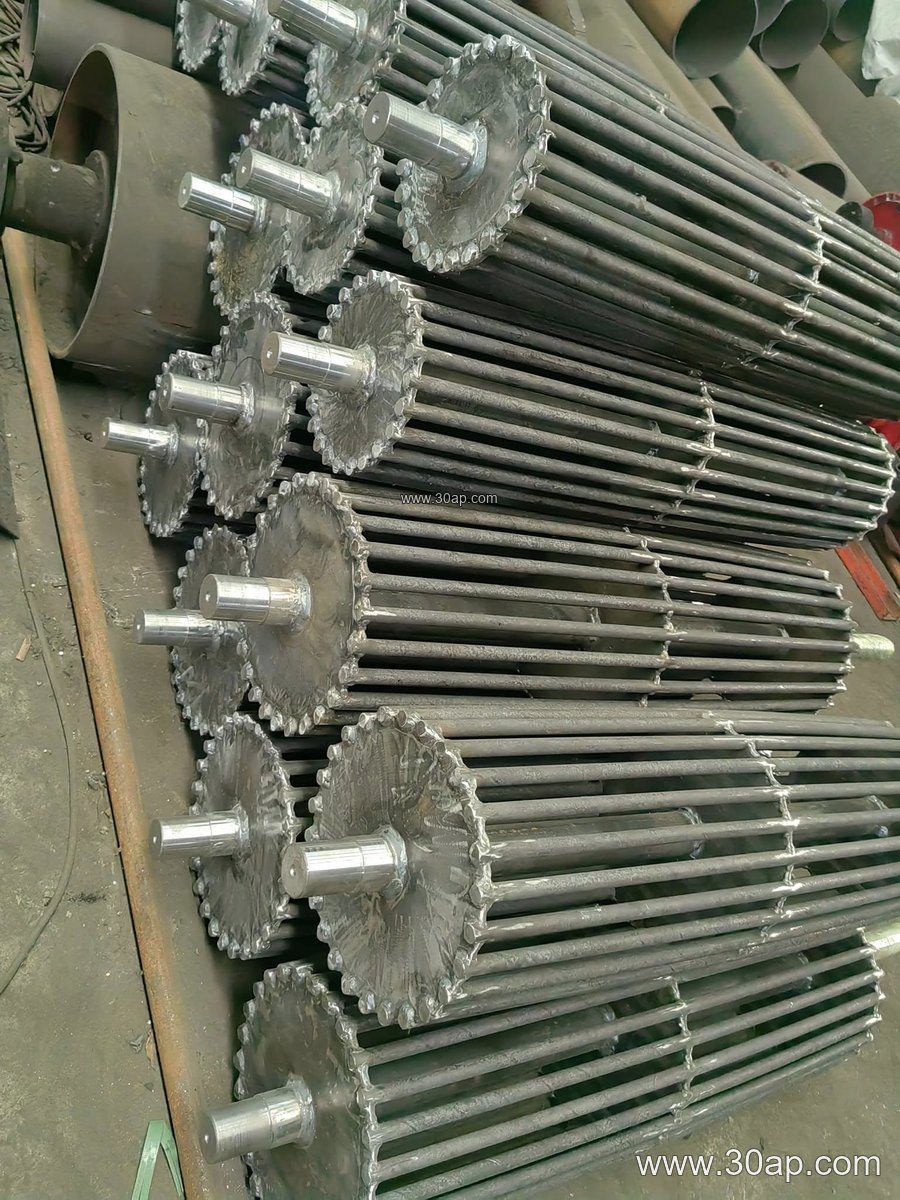
A typical large pulley is built from a rolled steel shell, welded to end discs and a central hub. The shaft is sized by torque and load, not by belt width alone, so common shaft diameters range from Ø50 up to Ø200 depending on the duty. Surface forms matter as much as the shell: plain face, cast rubber, cold-bonded rubber, hot-vulcanized rubber, diamond lagging, herringbone lagging and ceramic lagging are all used. Lagging thickness is often 8, 10, 12, 15 or 20 mm. The right choice depends on whether the pulley is driving, bending or tensioning the belt.
Where Large Pulleys Are Used
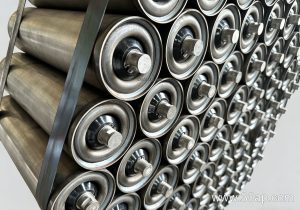
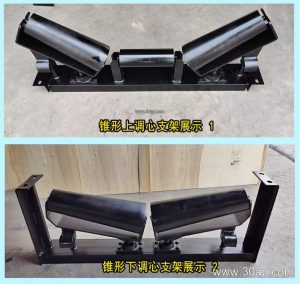
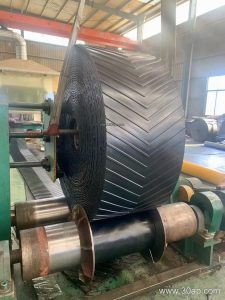
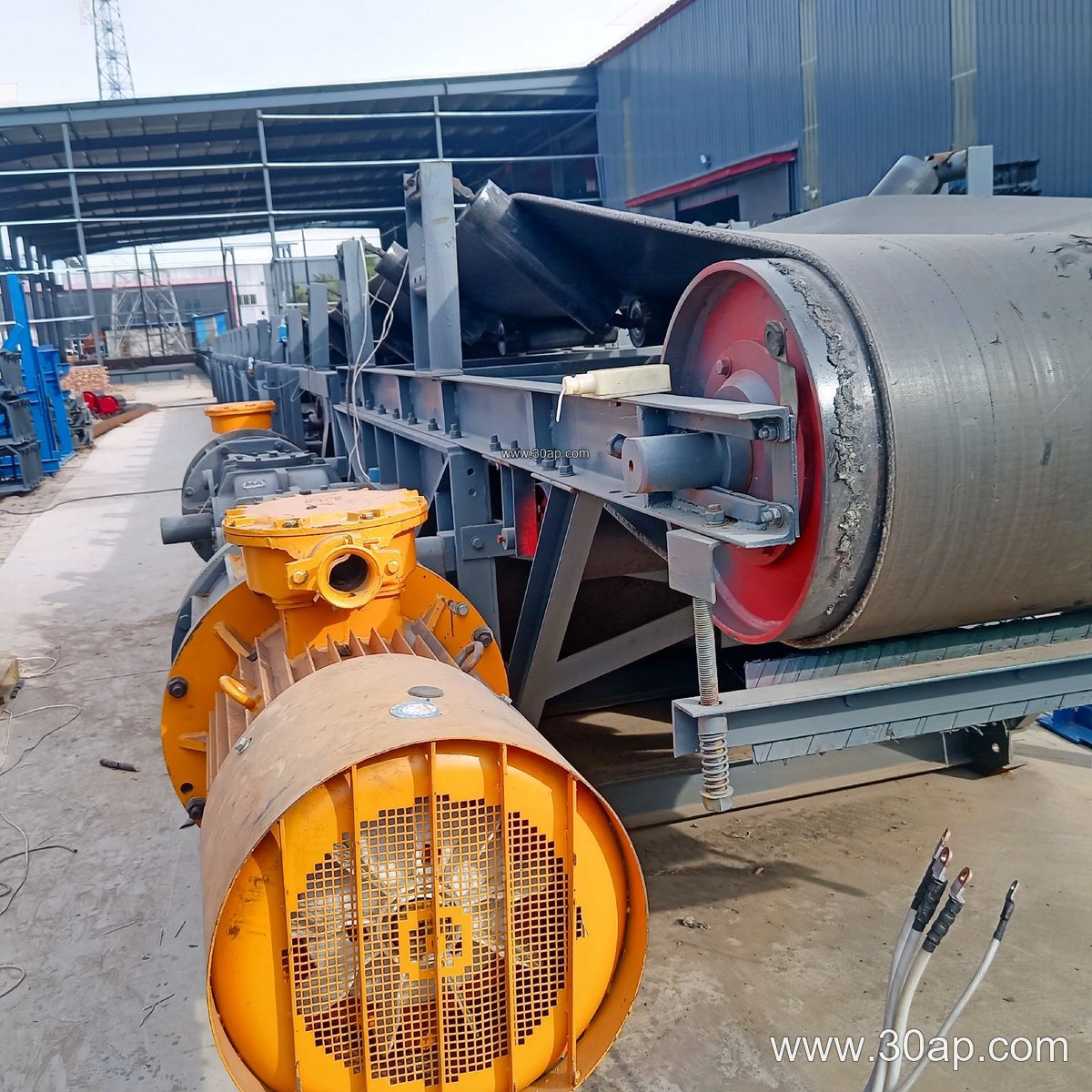
In a quarry or aggregate line, a large pulley at the head end discharges crushed rock onto a stockpile belt. In a coal preparation plant, it may run under a flame retardant conveyor belt in a dusty, potentially explosive atmosphere. In a port ship loader, a large pulley handles a wide belt moving bulk material at high speed. Other common locations include cement plant clinker lines, steel plant sinter feed, and tunnel spoil removal. The pulley is usually matched to a heavy-duty conveyor belt such as an EP conveyor belt or steel cord conveyor belt, and it works alongside idler rollers and conveyor brackets.
Sizing by Belt Width and Diameter
Belt width and pulley diameter are related but not locked together. A B800 belt might run on a Ø500 pulley in one installation and a Ø630 pulley in another, depending on wrap angle, belt tension and space. Face width is normally a little wider than the belt; for example, B650 often uses about 750 mm face, B1000 about 1150 mm, and B1400 about 1600 mm. The table below shows common reference combinations, not fixed rules.
| Belt Width | Typical Pulley Diameter | Approx. Face Width | Common Lagging |
|---|---|---|---|
| B500 | Ø320 – Ø400 | 600 mm | 10 mm rubber |
| B800 | Ø500 – Ø630 | 950 mm | 12 mm diamond |
| B1000 | Ø630 – Ø800 | 1150 mm | 15 mm ceramic |
| B1200 | Ø800 – Ø1000 | 1400 mm | 15 mm rubber |
| B1400 | Ø1000 – Ø1250 | 1600 mm | 20 mm rubber |
| B1600 | Ø1250 – Ø1400 | 1800 mm | 20 mm ceramic |
These values are for orientation only. Final sizing should be confirmed by the conveyor designer.
Buyer Checklist
Before ordering, clarify the pulley’s role: drive, tail, bend or take-up. Check the belt tension and the belt type, because an abrasion resistant conveyor belt and a heat resistant conveyor belt place different demands on lagging. Confirm shaft diameter, bearing type and hub design. Ask for the lagging pattern and thickness, and whether the pulley will be balanced. For underground coal mining, flame retardant and anti-static properties of the belt and lagging may be required. Also consider the environment: a cold resistant conveyor belt may be needed in winter, and an oil resistant conveyor belt where lubricants or oily cargo are present.
Maintenance Notes
Inspect lagging for wear and glazing, check bolt torque on split hubs, and verify that the pulley runs true. A worn large pulley can cause belt tracking problems and premature wear on the conveyor belt. Keep the pulley clean and ensure that the belt cleaner does not damage the lagging surface. In dusty plants such as a cement plant or coal handling facility, regular cleaning around the pulley helps prevent material buildup.