What a Recycling Conveyor Belt Does on the Line
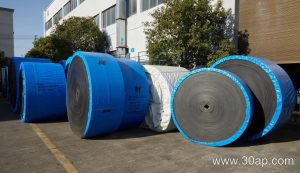
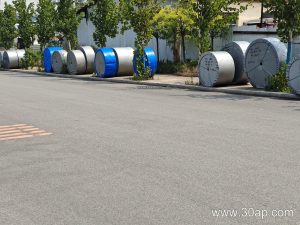
A recycling conveyor belt is the moving surface that carries mixed waste, sorted fractions, baled material, or recovered commodities from one stage of a plant to the next. It is the part of the system that touches the material first, so it has to cope with sharp edges, glass shards, metal strapping, wire, and sudden impact loads. In many facilities the belt is the single component that decides how often the line stops, which is why buyers treat it as an engineered item rather than a commodity roll of rubber.
The same belt family appears across scrap sorting halls, construction and demolition waste plants, compost and organic waste lines, paper and cardboard recovery, and plastics separation. In each case the working conditions differ, so the belt construction should follow the duty rather than the other way round.
Construction and Common Subtypes
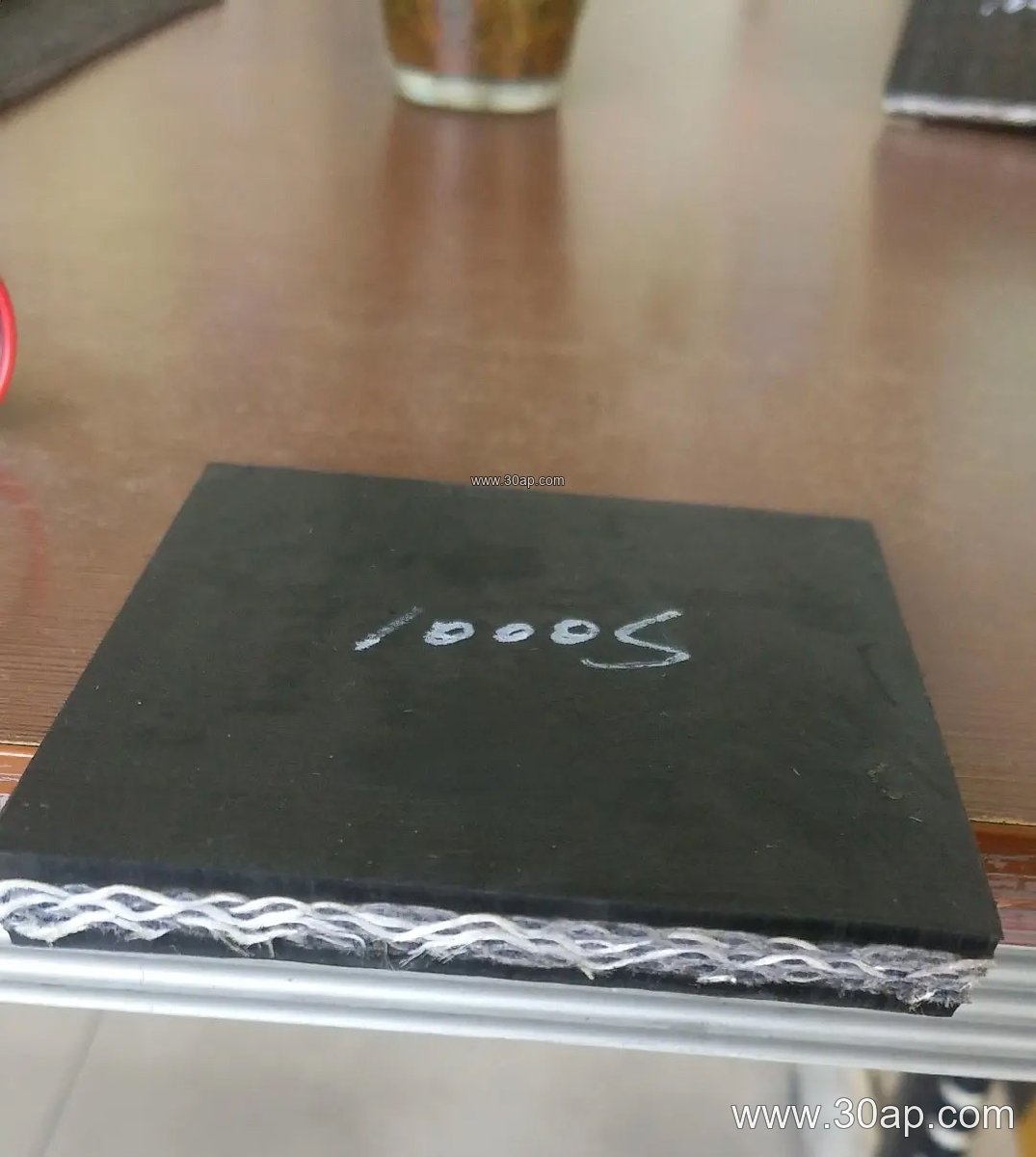
Most recycling belts are fabric-reinforced or steel-reinforced rubber belts. The carcass carries the tension, while the cover rubber protects the carcass from cutting, abrasion, and moisture. A typical build uses multiple fabric plies with an abrasion resistant top cover and a thinner bottom cover, often expressed as cover thickness such as 4+2 mm or 6+2 mm. Heavier lines handling bulky, jagged scrap may move to a thick conveyor belt with a high-abrasion cover and reinforced edges.
Fabric carcasses are common where moderate strength and good troughing are needed. EP conveyor belt and NN conveyor belt constructions are widely used in these positions because they balance strength with flexibility. For long, high-capacity transfer lines, a steel cord conveyor belt may be selected instead. Where the material is wet or the belt must resist oils and greases from mixed waste, an oil resistant conveyor belt or an abrasion resistant conveyor belt cover helps extend service life. Fire risk areas, such as enclosed sorting buildings, may call for a flame retardant conveyor belt or fire resistant conveyor belt grade.
Material that tends to roll back on an incline can be handled with a chevron conveyor belt. Where spillage at the transfer point is a problem, a skirted conveyor belt with raised edges, or a corrugated sidewall conveyor belt, can keep material on the belt. For enclosed routes and dust control, a pipe conveyor belt may be considered, but it is a different conveying concept and should be evaluated as such rather than as a direct swap for an open belt.
Typical Sizes and Reference Data
Recycling lines use a wide range of belt widths, from narrow sorting belts to wide transfer belts. The table below shows common reference values; final dimensions follow the conveyor design and the duty point.
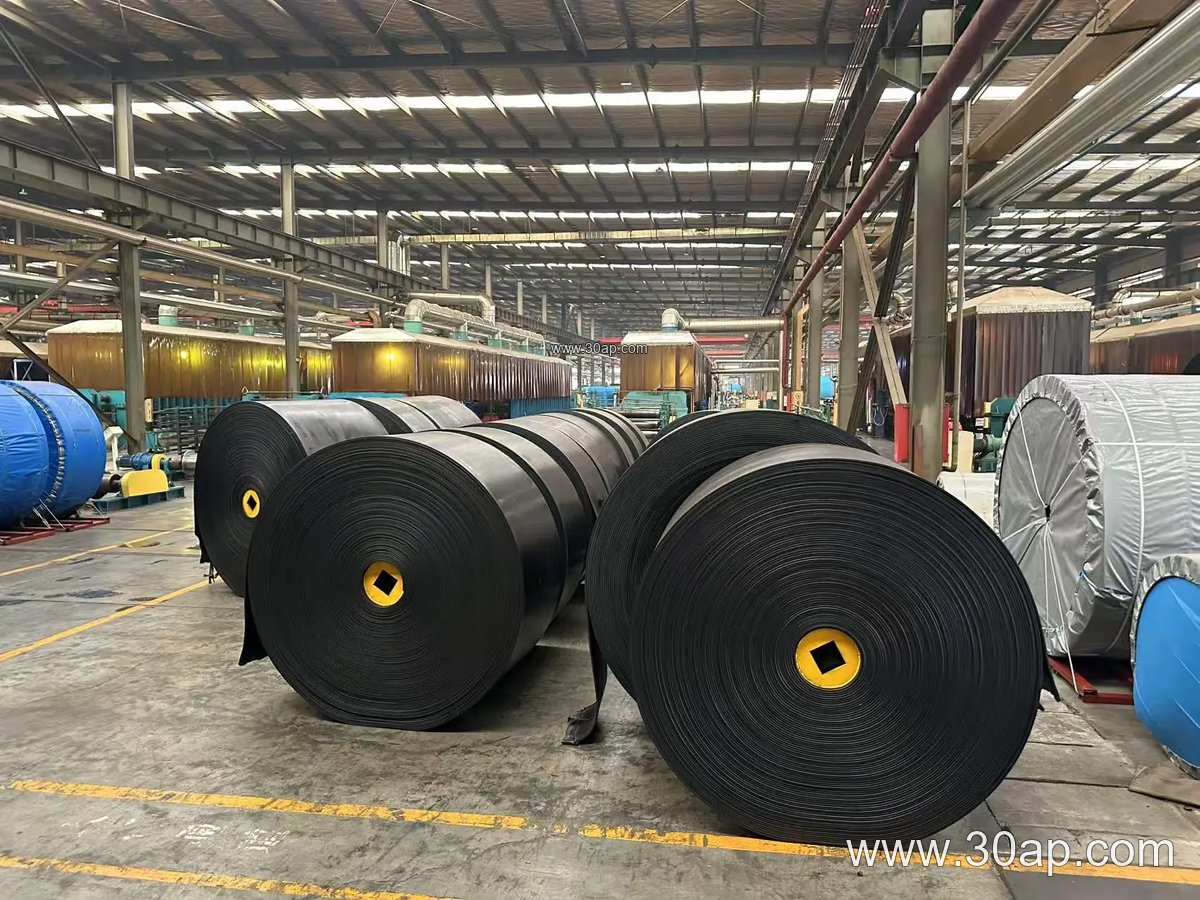
- Common widths: B500, B650, B800, B1000, B1200, B1400, B1600, B1800, B2000
- Fabric strength grades often seen: EP200, EP315, EP400, EP500, EP630, EP800, EP1000, EP1250
- Steel cord grades for long hauls: ST1000, ST1250, ST1600, ST2000
- Cover combinations: 3+1.5, 4+2, 5+2, 6+2, 8+3 mm
- Carcass plies: commonly 2 to 6 layers in fabric belts
These figures are reference points, not fixed pairings. A 1200 mm wide belt, for example, can be matched with different pulley diameters depending on the conveyor layout, and shaft size should be calculated from the actual load, not guessed from belt width.
Where It Fits in Different Industries
The material mix changes the specification. In a construction and demolition plant, a heavy-duty mining conveyor belt style of build may be appropriate for concrete rubble and rebar. In a paper recovery line, a smoother fabric core conveyor belt can run at higher speed with less edge wear. Compost and organic waste lines often need a belt that tolerates moisture and mild chemical attack, so a chemical resistant conveyor belt or acid resistant conveyor belt cover may be relevant. Cold-climate yards may prefer a cold resistant conveyor belt to avoid cracking in winter.
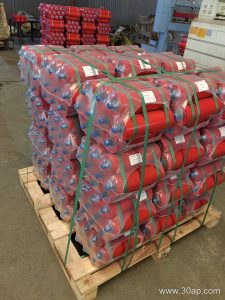
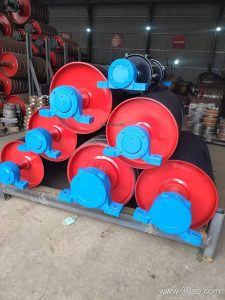
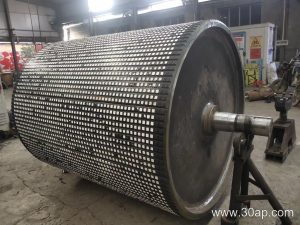
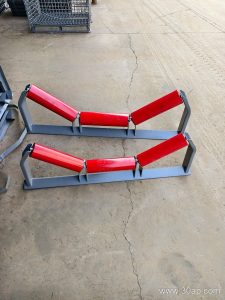
Recycling plants often share equipment patterns with quarries, cement plants, power plants, and port terminals. Idler roller sets support the belt along the carry side, conveyor pulley units drive and redirect it, and conveyor bracket frames hold the whole assembly. The belt, rollers, and pulleys should be selected together so that the belt runs straight and the cover is not pinched at the tail.
Buyer Checklist
- Describe the material: size, sharpness, moisture, oil content, temperature, and whether it is flammable.
- Give the conveyor layout: belt width, incline angle, transition distances, and the pulley diameters at drive, tail, and bend positions.
- State the duty: hours per day, tonnage, and whether the line stops and starts under load.
- Choose the cover and carcass for the worst condition on the line, not the average.
- Ask how the belt will be joined: endless conveyor belt splicing on site or mechanical fasteners.
- Confirm the surface form only if needed: plain, chevron, or sidewall.
For a quote, mention the intended belt grade (such as EP conveyor belt or steel cord), the width, cover thickness, and the pulley sizes. That information lets the supplier propose a recycling conveyor belt that fits the plant instead of a generic roll. For related components such as conveyor belt, idler roller, conveyor pulley, and conveyor bracket, match the specifications to the same duty so the whole line works as one system.