What an EP800 Conveyor Belt Is
An EP800 Conveyor Belt is a fabric-core rubber belt built on polyester-polyamide (EP) carcass plies. The number 800 refers to the nominal tensile strength of the carcass, commonly expressed in newtons per millimetre of belt width. In practice, this places the belt in the medium-to-high strength range of EP Conveyor Belt products, above EP630 and below EP1000. Buyers often describe the same item as an EP800 rubber conveyor belt or an EP800 fabric core conveyor belt; these are equivalent names for one product, not different belt families.
The EP carcass is the reason this belt is popular in mines, quarries, cement works and power plants. Polyester provides low elongation under load, while polyamide adds flexibility and resistance to fatigue. Compared with an NN Conveyor Belt, an EP belt usually stretches less during start-up and holds tension more steadily on long runs. Where much higher strength is needed, a Steel Cord Conveyor Belt may be the better choice, but for many primary and secondary haulage lines an EP800 belt offers a practical balance of strength, weight and spliceability.
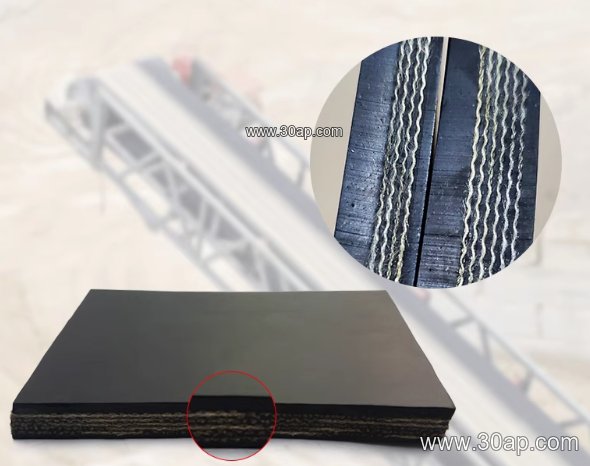
Construction and Common Specifications
A typical EP800 belt uses two to six fabric plies, with the ply count set by the duty and the safety factor required by the conveyor design. Cover rubber grades are selected to match the material being carried, and the top and bottom cover thicknesses are usually written as a pair. The figures below are common reference values, not fixed rules; actual constructions vary between manufacturers and should be confirmed against the conveyor design.
Reference Data
- Nominal carcass strength: EP800 (reference range around EP630 to EP1000 for adjacent grades)
- Common belt widths: B500, B650, B800, B1000, B1200, B1400, B1600, B1800, B2000
- Typical cover combinations: 4+2 mm, 5+2 mm, 6+2 mm, 8+3 mm
- Common carcass ply counts: 2 to 6
- Cover grades available: abrasion resistant, heat resistant, flame retardant, oil resistant, cold resistant, anti-static
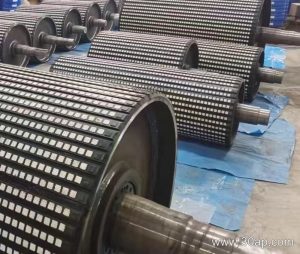
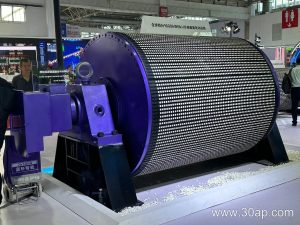
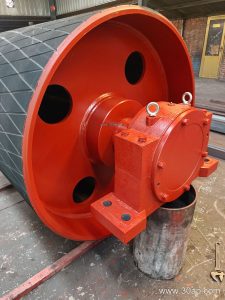
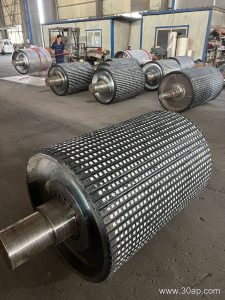
Width and strength are independent decisions. A 1000mm or 1200mm wide belt can be supplied with an EP800 carcass for one conveyor and a different carcass grade for another; similarly, one belt width does not dictate a single pulley diameter. Pulley sizing depends on belt tension, wrap angle and the allowable surface pressure, so the drive pulley, tail pulley and bend pulley should each be checked by the conveyor designer rather than matched to belt width by rule of thumb.
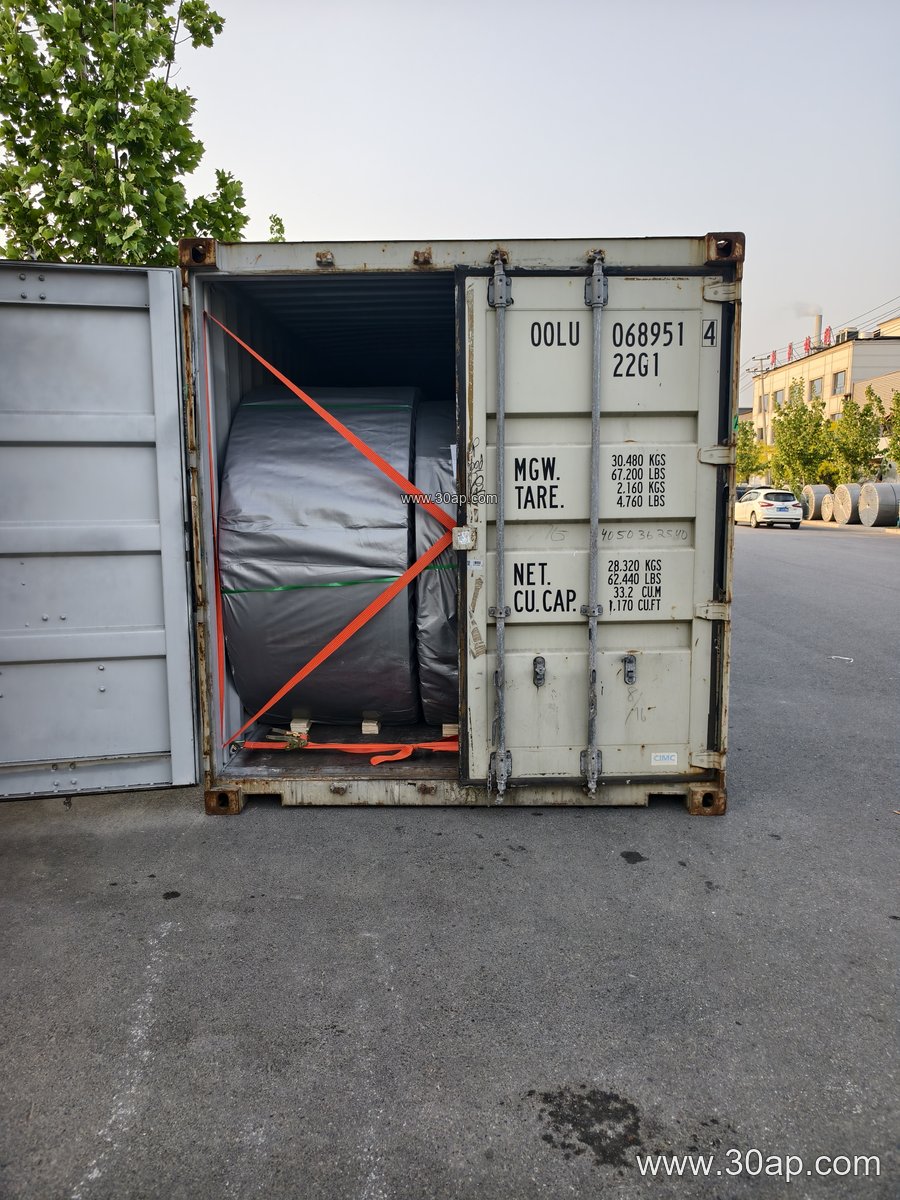
Where It Fits in the Plant
You will see this belt in a range of bulk material circuits. In a coal mining conveyor belt system, flame retardant and anti-static versions are commonly specified for underground mining conveyor belt duties. In a quarry conveyor belt line, abrasion resistant covers handle crushed rock and aggregate. Cement plants use it on clinker and raw meal routes, while power plants apply it to coal and ash handling. Port and ship loading conveyors, recycling lines and stone crushing plants also use EP fabric belts where impact and abrasion are moderate to severe.
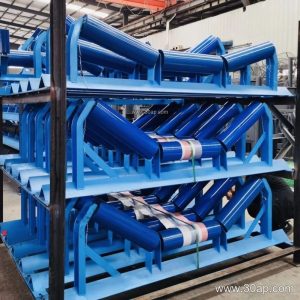
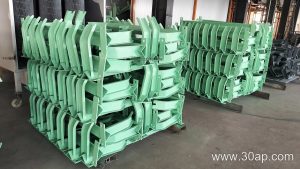
For steep inclines, a Chevron Conveyor Belt or a Corrugated Sidewall Conveyor Belt may be preferred, and for dusty or enclosed routes a Pipe Conveyor Belt can control spillage. Those are separate designs; they are mentioned here only to show where an EP800 flat belt stops and another type begins. On the conveyor itself, the belt works with idler rollers, conveyor pulleys and conveyor brackets, and all of these components should be aligned and maintained together to avoid edge damage and premature cover wear.
Buyer Checklist
Before ordering, confirm the material type, lump size, temperature, moisture and any oil or chemical exposure. State the required cover grade and thickness, the belt width, the ply count and the splice method. Ask whether the belt will be supplied as an endless conveyor belt or in open lengths for mechanical or vulcanized joining. Check the minimum pulley diameters recommended for the chosen carcass, and verify that the drive pulley, tail pulley and bend pulley are sized for the actual belt tension. Impact zones benefit from closer idler spacing and, where needed, impact idler rollers.
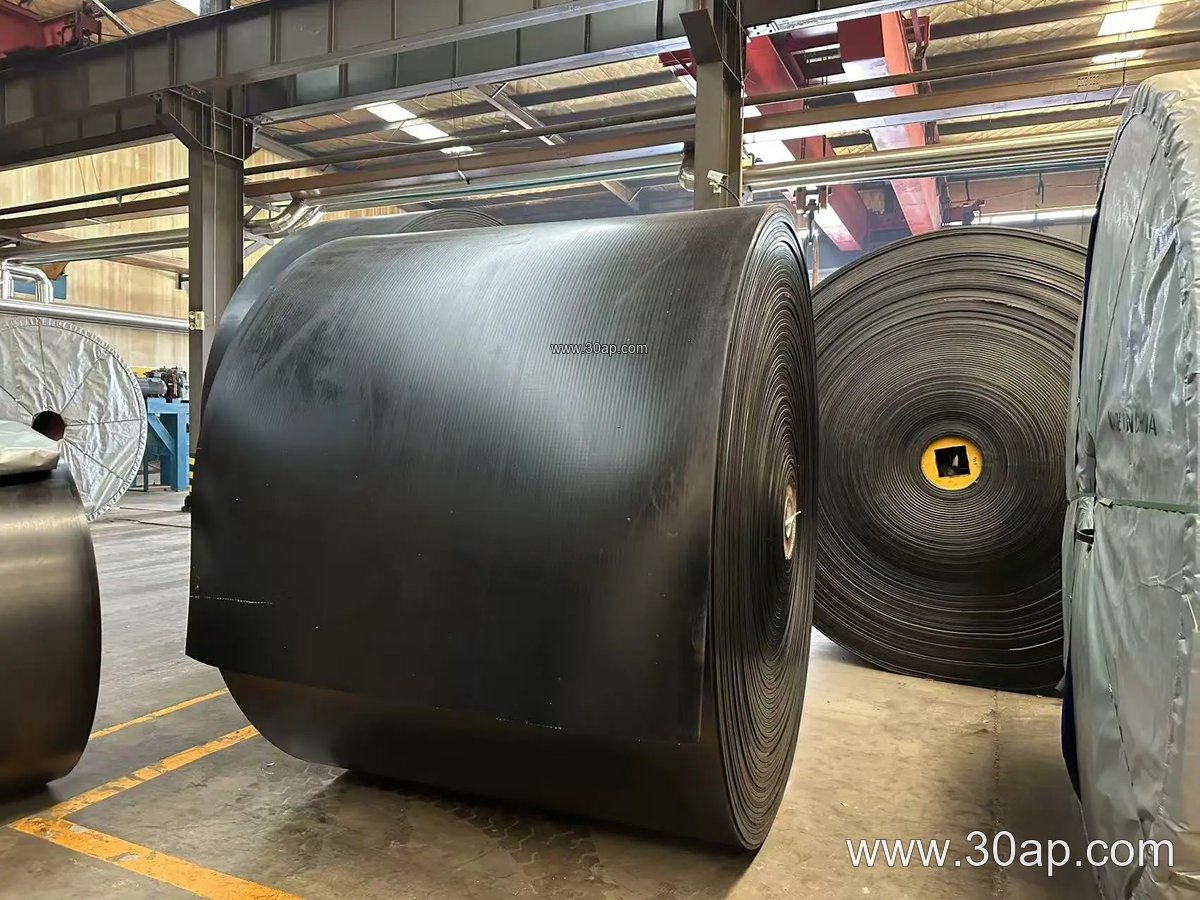
For storage, keep rolls upright on a clean surface, away from direct sunlight and ozone sources, and avoid sharp bends. During installation, track the belt carefully and re-tension after the first few shifts. A belt that runs straight and is neither over-tensioned nor under-supported will usually deliver long cover life.
Typical searches such as EP800 conveyor belt price, EP800 belt supplier or EP800 rubber belt specification should be treated as starting points. The reliable approach is to compare the proposed construction against your conveyor design data, then request the manufacturer’s own dimensional and cover data for the exact belt on offer.