What a Conveyor Support Leg Does
A conveyor support leg is the vertical member that carries the weight of a belt conveyor frame down to the floor, foundation, or steel structure. It is a small component in the overall system, but its position, height, and connection details decide how straight the frame stays under load. On a typical installation, the leg works together with the stringer, the conveyor bracket, and the idler roller stations to keep the conveyor belt tracking evenly from the tail to the head.
The same component is also called a conveyor stand leg or conveyor frame support. These names describe the same product; they are not different categories. The leg is not a pulley and should not be confused with a drive pulley, tail pulley, or bend pulley, which transmit motion and change belt direction.
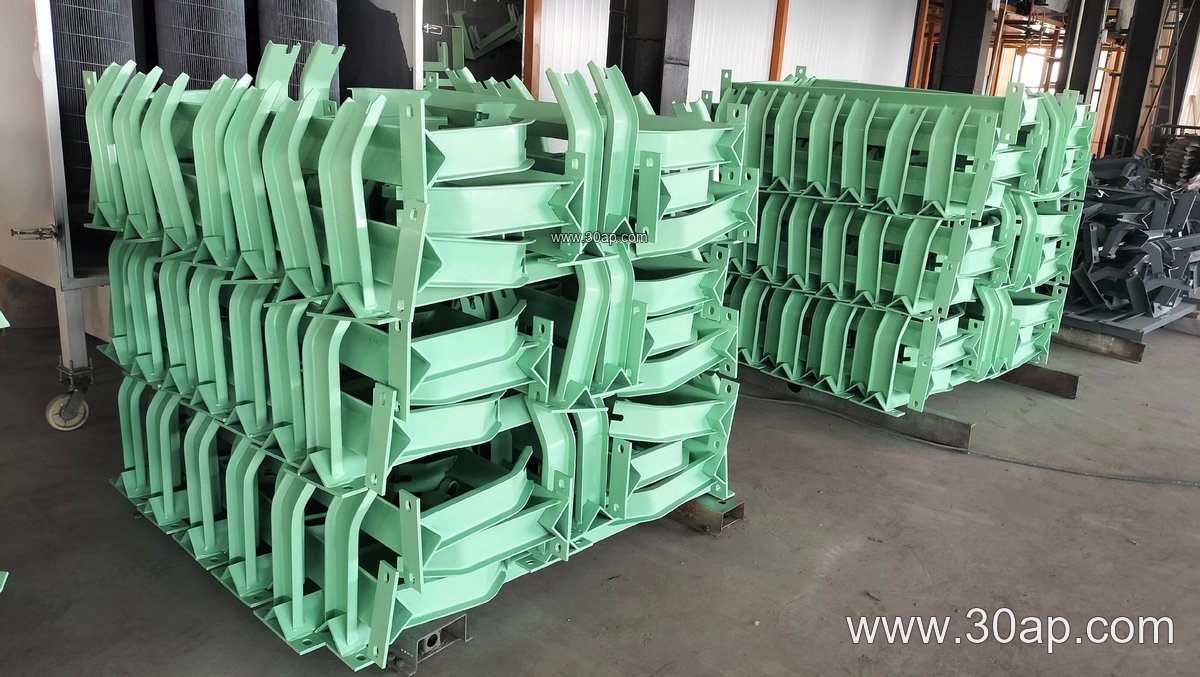
How the Leg Is Built
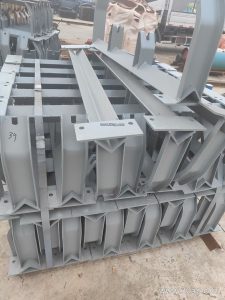
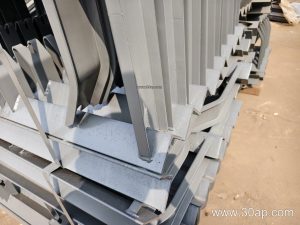
Most legs are fabricated from angle steel, channel steel, or folded steel plate. A welded foot plate spreads the load, and bolt slots or drilled holes allow fine adjustment during installation. Heavier designs use gussets at the corner between the leg and the top mounting plate to resist bending moments from the belt pull.
Typical build details include:
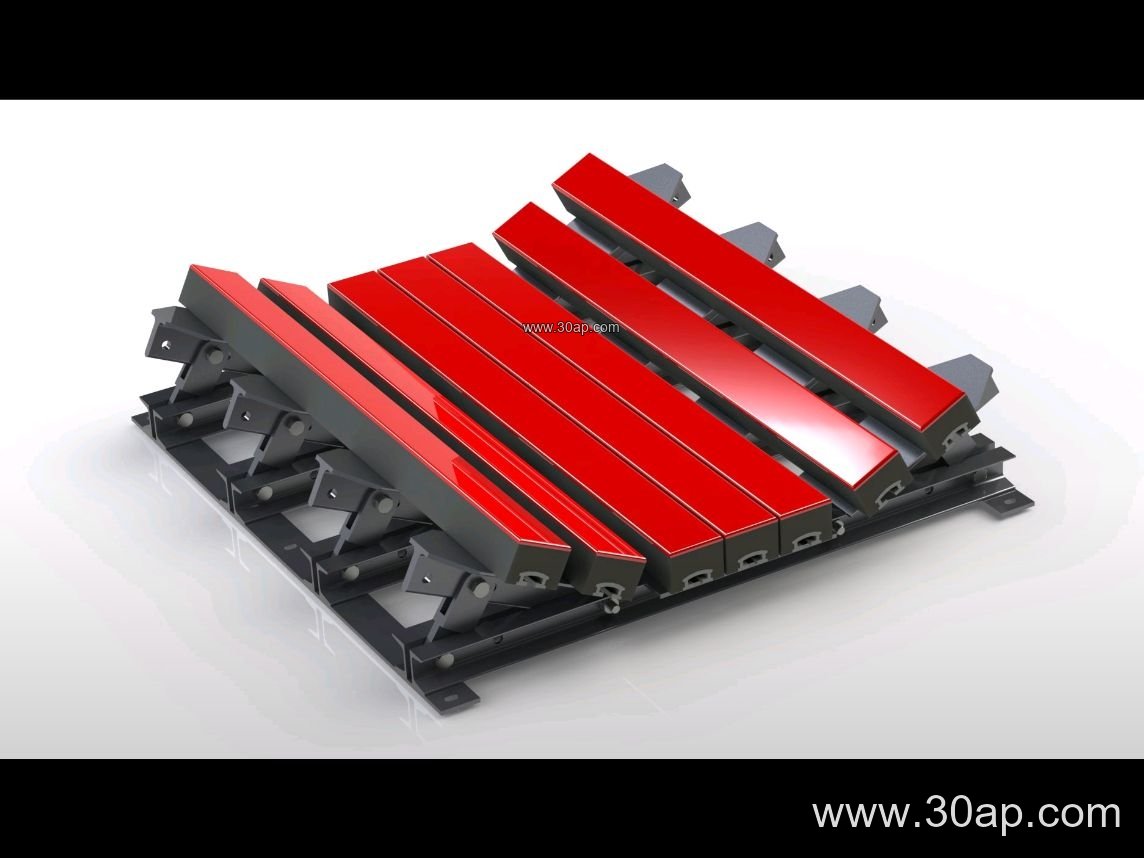
- Material: angle steel, channel steel, or folded plate, painted or galvanized
- Foot: flat base plate with anchor holes, or a height-adjustable screw foot
- Top connection: bolted bracket, welded cross beam, or clamp plate
- Options: fixed height, adjustable height, or a braced H-frame arrangement
Where Support Legs Are Used
Support legs appear wherever a conveyor line must be held at a working height above the ground. In a limestone quarry, legs carry the frame of a quarry conveyor belt that moves blasted rock from the crusher to the stockpile. In a coal washing plant, they support the frame of a coal mining conveyor belt that runs through transfer towers and loading points. Power plant coal yards, cement plants, and aggregate yards use the same basic component on their bulk material conveyor belt lines.
The leg height often changes along the line. A short leg may sit under a low transfer point, while a tall braced leg may carry the frame over a roadway or a maintenance walkway. On inclined sections, legs are usually cut to match the slope so the idler roller axis stays perpendicular to the belt path.
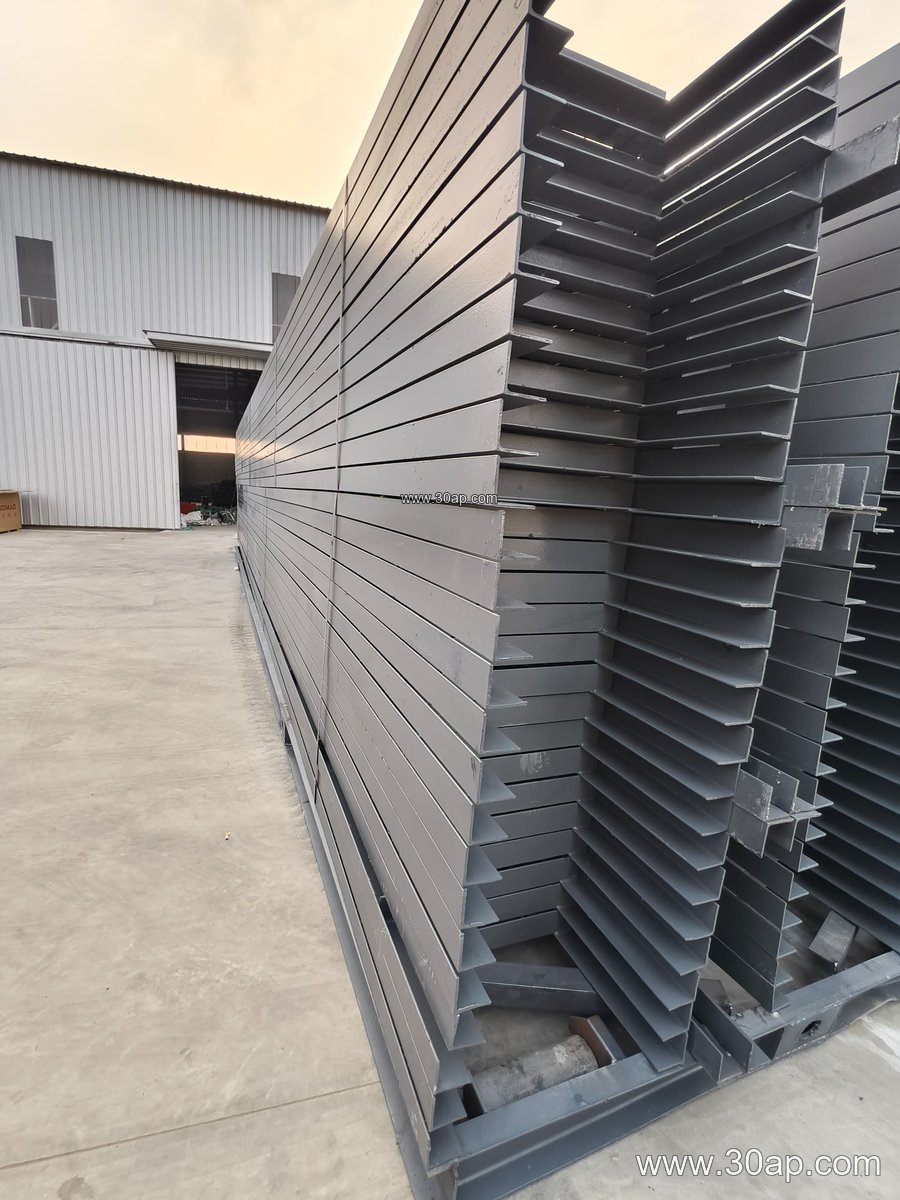
Matching the Leg to Belt Width and Idler Size
Belt width and idler roller diameter influence the width of the cross beam and the spacing of the mounting holes, and therefore the top plate of the leg. Common belt widths range from B500 and B650 up to B1800 and B2000, and common roller diameters include Ø89, Ø108, Ø133, Ø159, and Ø194. A B800 frame with a 35 degree trough angle and Ø108 rollers has different top plate dimensions from a B1200 frame with a 45 degree trough and Ø133 rollers, so the leg must be ordered against the actual frame drawing rather than by belt width alone.
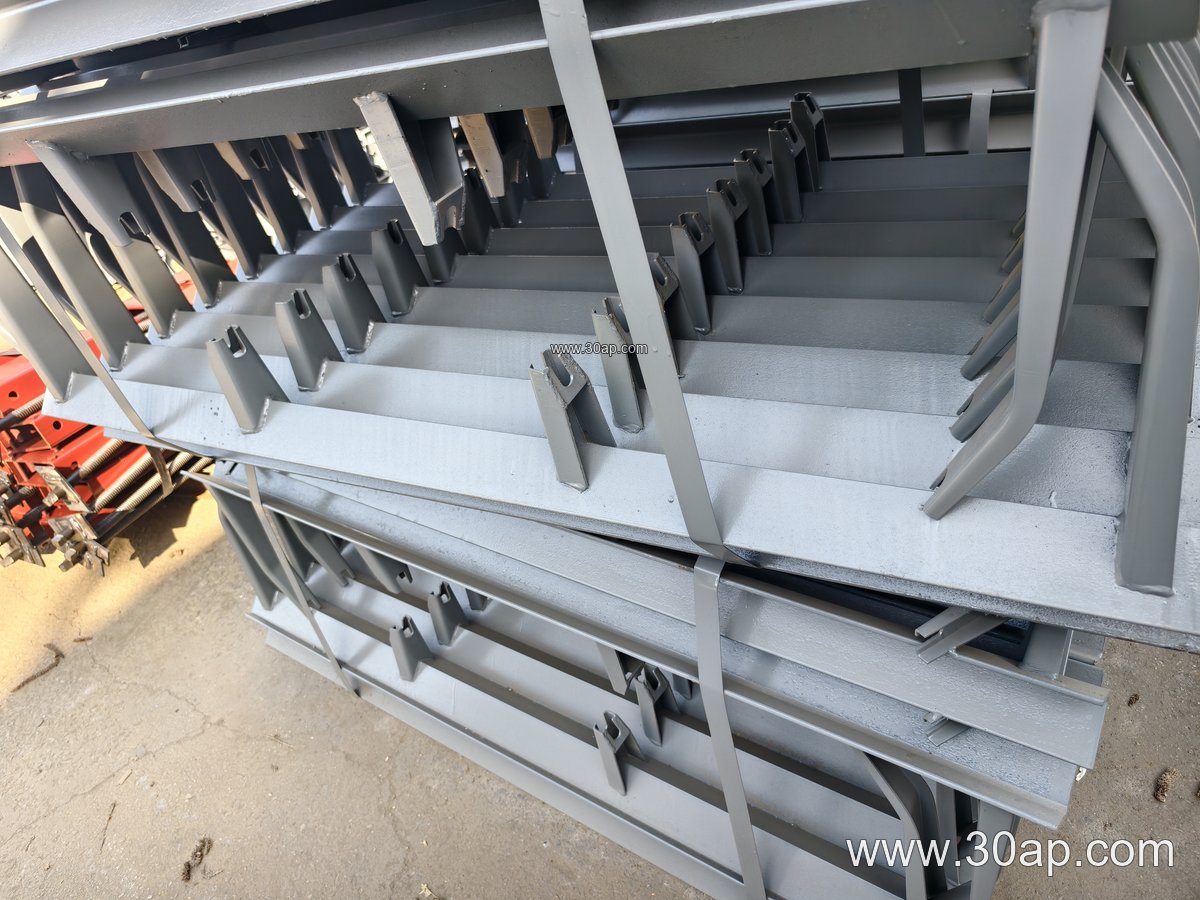
Trough angle also matters. A 20 degree or 30 degree trough is common on smaller belts, while 35 degree and 45 degree troughs are often used where a deeper material profile is needed. Adjustable legs and adjustable brackets can accommodate small changes in height and alignment, but they do not replace a correct cross beam length.
Fixed Versus Adjustable Support Legs
A fixed conveyor support leg is welded or bolted to a set height and is the usual choice for long, level runs where the floor is stable. An adjustable support leg uses slotted holes, threaded feet, or shim plates to correct small height differences between foundations. Adjustable legs are useful at transfer points and on retrofit projects where the existing floor is uneven.
For comparison, a conveyor bracket is the short fitting that connects the idler roller to the stringer, while the support leg carries the stringer itself. Both are part of the frame, but they work at different levels of the structure.
Buyer Checklist
- Confirm belt width, trough angle, and roller diameter so the top plate matches the frame.
- Provide the frame drawing, leg height, and required hole spacing.
- State the floor condition and whether anchor bolts or adjustable feet are needed.
- Check the paint or galvanizing requirement for outdoor, wet, or dusty service.
- Consider belt tension and material load when choosing leg spacing and bracing.
Well-matched support legs keep the frame rigid, reduce vibration at the idler roller stations, and help the conveyor belt run centered. Buyers who share full frame data with the supplier usually get a smoother installation and fewer field modifications.