What the Return Self-Aligning Idler Does
The return self-aligning idler is a training idler installed on the return run of a conveyor belt. Its job is to keep the belt centered as it travels back from the head pulley to the tail pulley. Unlike a plain flat return idler, this idler can pivot slightly around a vertical axis. When the belt drifts to one side, the idler rotates and steers the belt back toward the center line. In quarries, coal preparation plants, and aggregate crushing circuits, a return self-aligning idler helps reduce edge damage and spillage without constant manual adjustment.
This idler is often called a self-training return roller or a return belt training idler. It is not a substitute for a drive pulley, tail pulley, or bend pulley. Those pulleys transmit power or change belt direction, while the return self-aligning idler only guides the return strand.
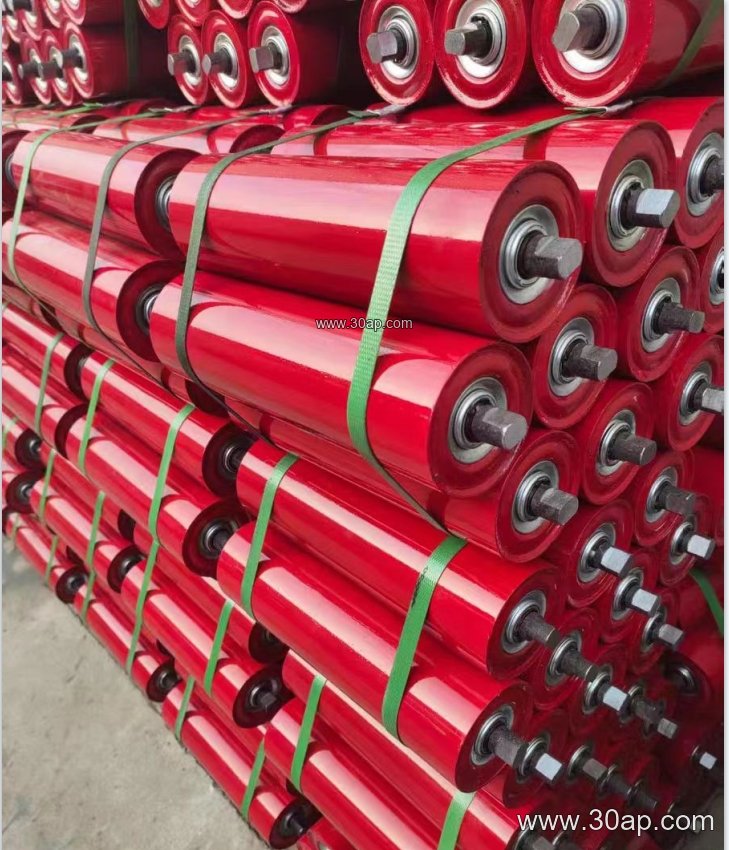
Construction and Working Principle
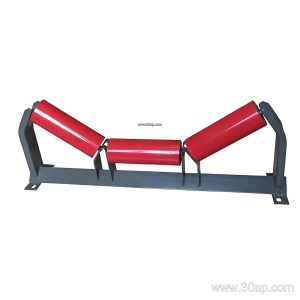
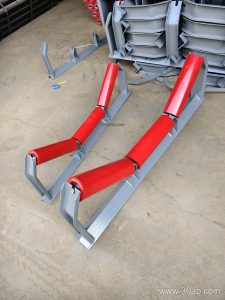
A typical return self-aligning idler uses two or more rollers mounted on a pivoting frame. The frame sits on a fixed base and can swing a few degrees when the belt contacts a vertical guide roller or a side flag. The idler roller surface may be plain steel, rubber-covered, or nylon. Common roller diameters for this type include Ø102, Ø108, Ø127, Ø133, and Ø159 mm, with bearing sizes such as 6205, 6305, 6306, and 6308. These values are common references; final selection depends on belt width, load, and conveyor design.
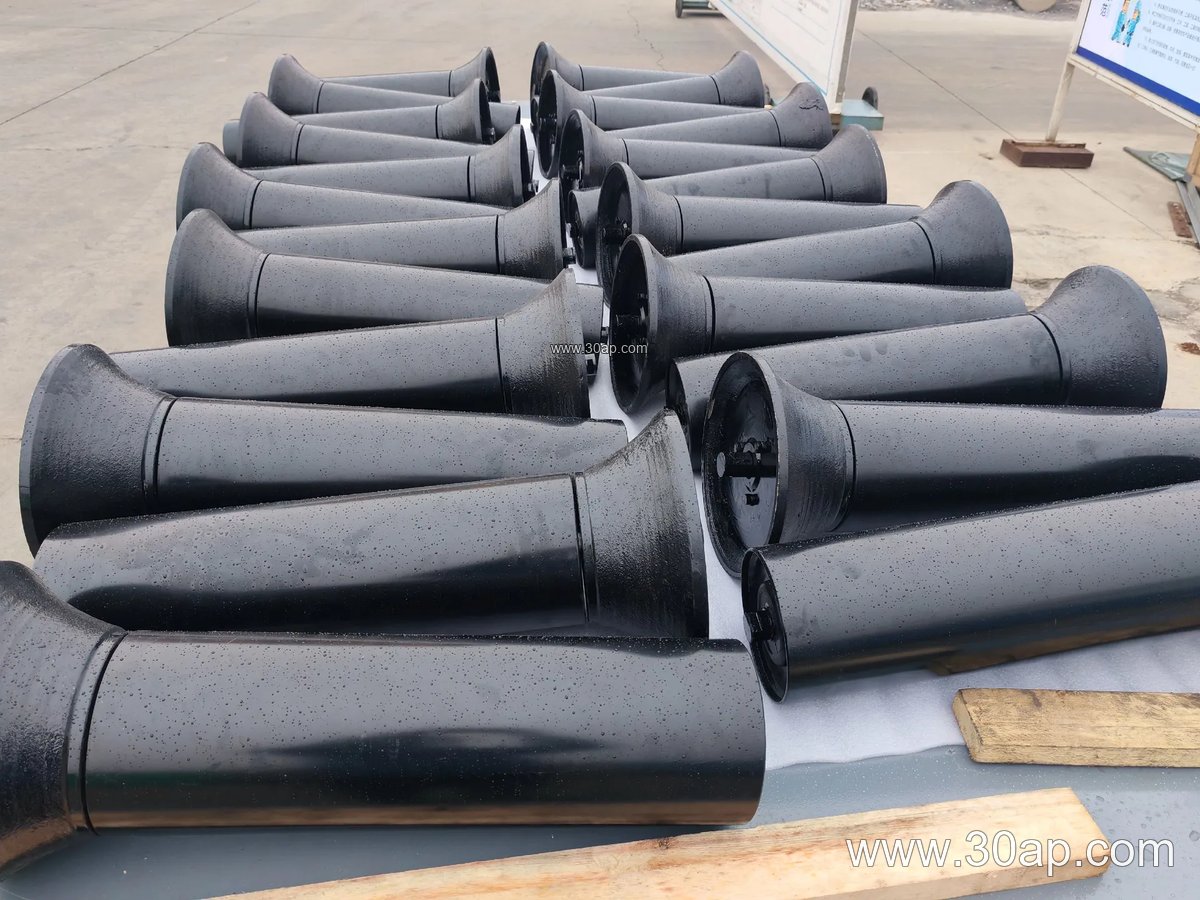
The pivoting action is the key. When the belt moves off-center, it touches the guide roller, which turns the idler frame. The skewed roller then produces a small sideways force that nudges the belt back. The effect is gentle and continuous, so the belt stays aligned without sudden correction.
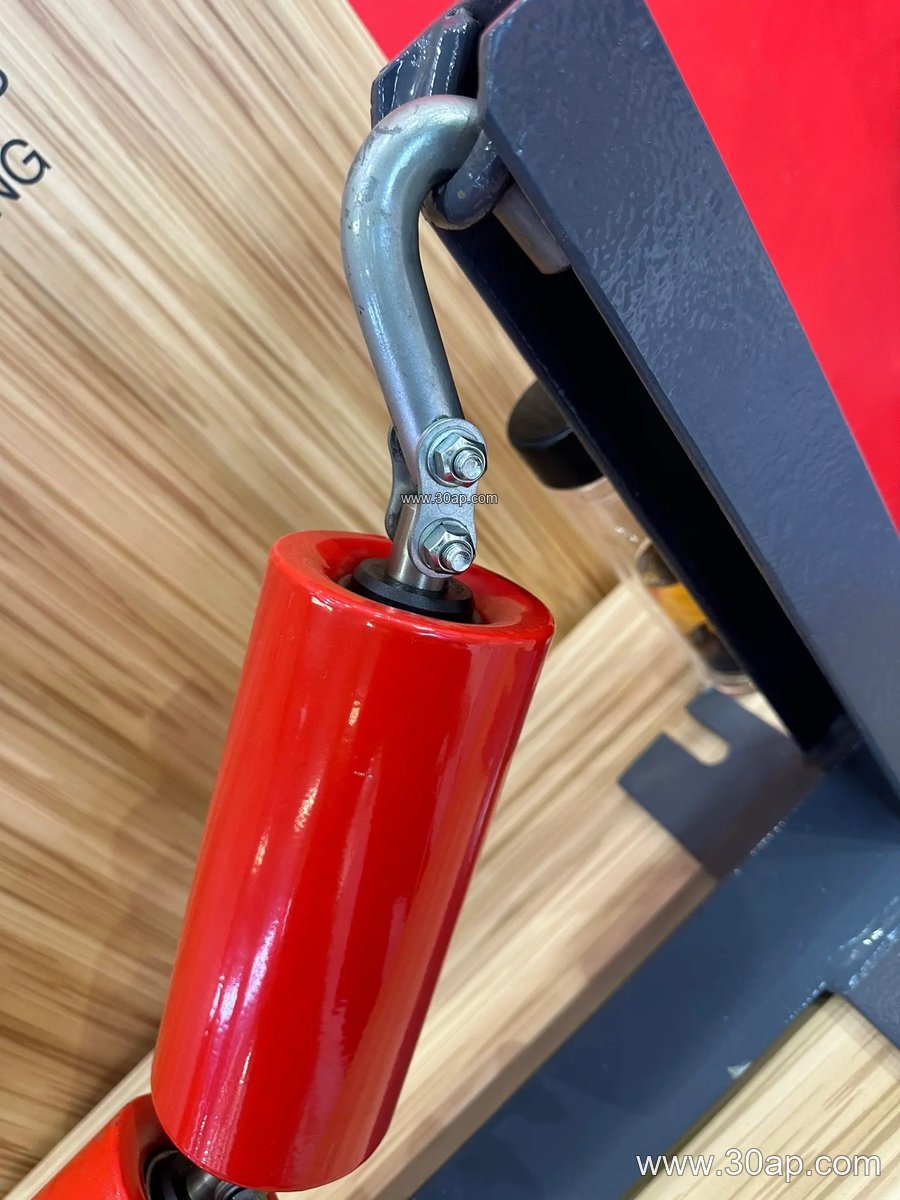
Where It Fits on the Conveyor
The return self-aligning idler is usually placed on the return side at intervals along long conveyors. It is common in:
- Quarries and sand and gravel lines handling crusher discharge
- Coal mining and coal preparation plants with flame retardant conveyor belt
- Cement plants and power plant coal handling systems
- Ports and ship loading conveyors using wide conveyor belt
It works together with the conveyor belt, idler roller, conveyor pulley, and conveyor bracket. On a typical conveyor, the return self-aligning idler may be used alongside a steel cord conveyor belt or an EP conveyor belt, depending on the duty. It is not a replacement for a bend pulley or tail pulley, but it helps protect the belt as it passes those pulleys.
Common Sizes and Selection Notes
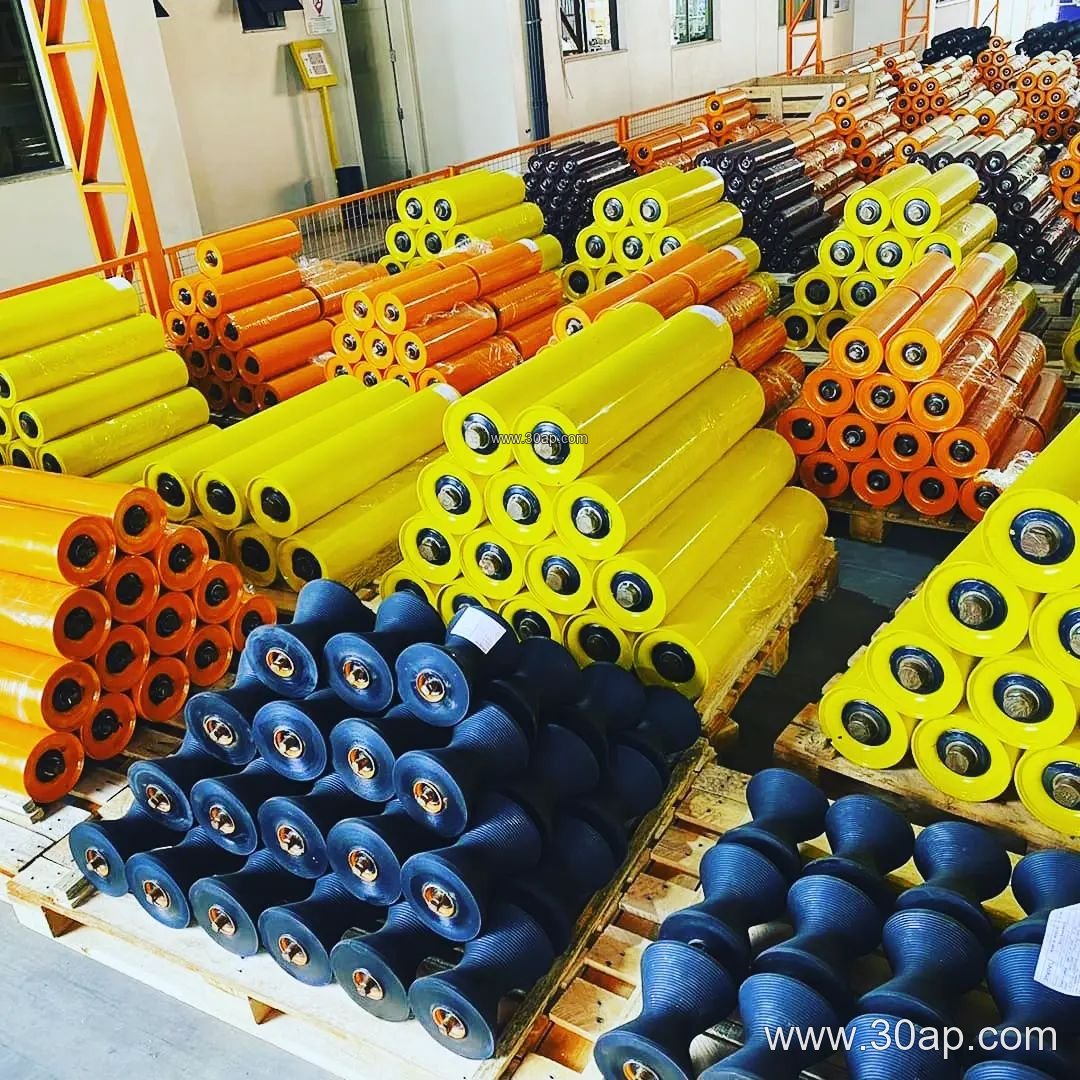
Return self-aligning idlers are available for many belt widths. The table below shows common reference sizes. These are examples, not fixed rules. Roller length and shaft diameter are set by the conveyor designer, not by belt width alone.
| Belt Width | Common Roller Diameter | Common Bearing |
|---|---|---|
| B500 | Ø89, Ø102 | 6204, 6205 |
| B650 | Ø102, Ø108 | 6205, 6305 |
| B800 | Ø108, Ø127 | 6305, 6306 |
| B1000 | Ø127, Ø133 | 6306, 6308 |
| B1200 | Ø133, Ø159 | 6308, 6310 |
| B1400 | Ø159, Ø178 | 6310 |
| B1600 | Ø159, Ø178 | 6310 |
For a return self-aligning idler, the roller surface is usually flat. Some designs add rubber discs or a rubber cover to improve grip and reduce belt slip. The frame may be painted steel or galvanized. Buyers should check the pivot mechanism, the guide roller clearance, and the bearing seal type. In dusty locations such as a limestone mine or a cement plant, good sealing matters more than a small difference in roller diameter.
Buyer Checklist
Before ordering, confirm the belt width, the return strand height, and the mounting hole spacing on the conveyor bracket. Ask for the roller diameter, bearing number, and shaft end type. If the conveyor uses a heat resistant conveyor belt or an oil resistant conveyor belt, mention the environment so the roller cover and seals suit the conditions. For underground coal mining conveyor belt applications, flame retardant properties of the belt are critical, but the idler itself should also be selected for dust and moisture. A return self-aligning idler is a small component, yet it can extend belt life and reduce downtime in abrasive, high-tonnage operations.