What the NN200 Belt Is
An NN200 Conveyor Belt is a fabric-core rubber belt built on nylon (polyamide) warp and weft cords. The “200” refers to the nominal tensile strength of the carcass, commonly expressed in N/mm, so this is a mid-range nylon belt rather than a light-duty product. It sits between lighter NN100 grades and heavier NN300 or NN400 constructions, and it is often chosen when a conveyor needs more strength than a standard cotton or light fabric belt but does not justify a steel cord design. In many plants it is simply called a nylon conveyor belt or an NN fabric belt, and buyers may also meet the equivalent name nylon fabric core conveyor belt.
Because the carcass is nylon, the belt combines high tensile strength with good flexibility and strong resistance to fatigue. That makes it a practical choice for medium and long conveying lines in mining, cement works, power stations, quarries and sand and gravel plants, where belts run continuously and must absorb repeated flexing over pulleys.
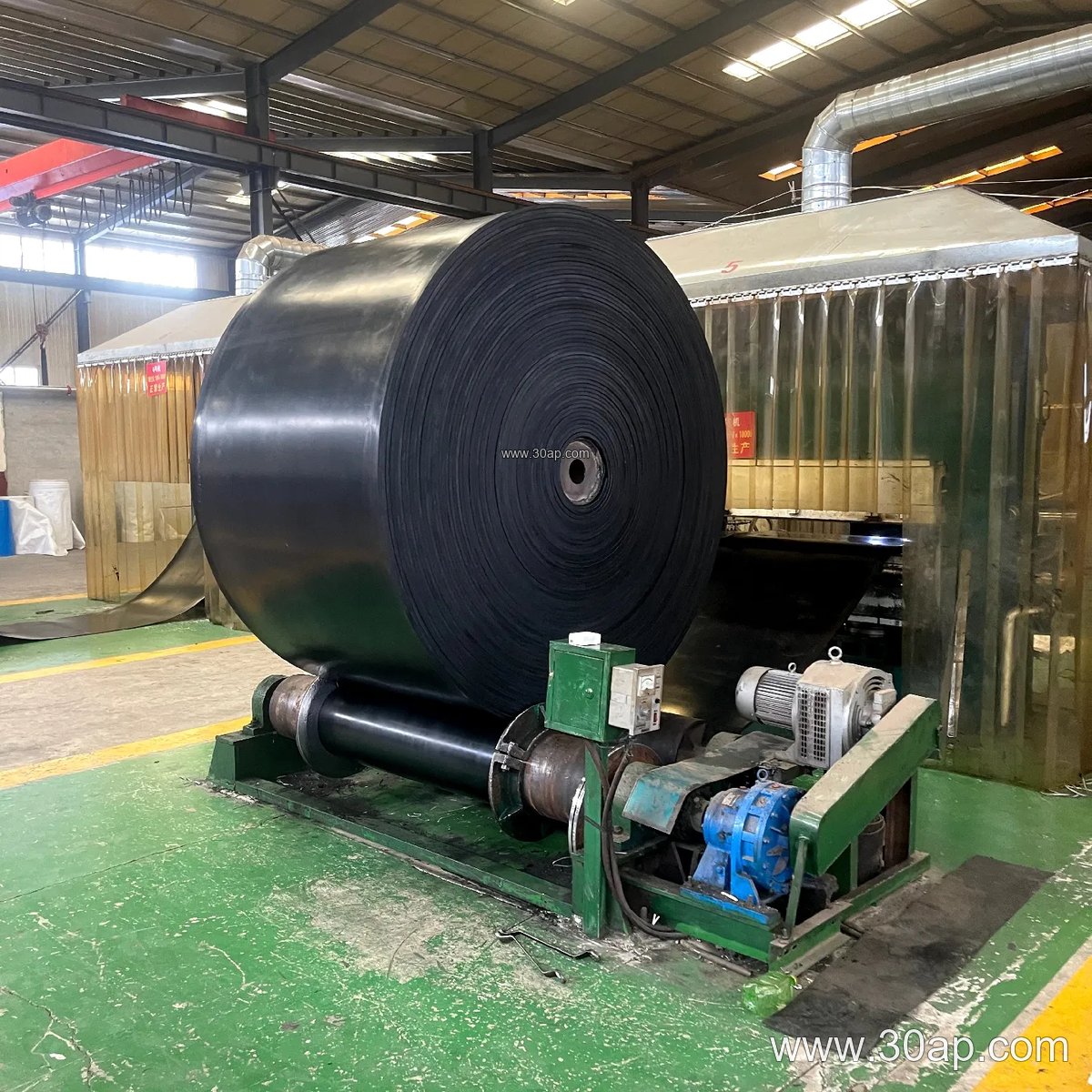
Construction and Typical Specifications
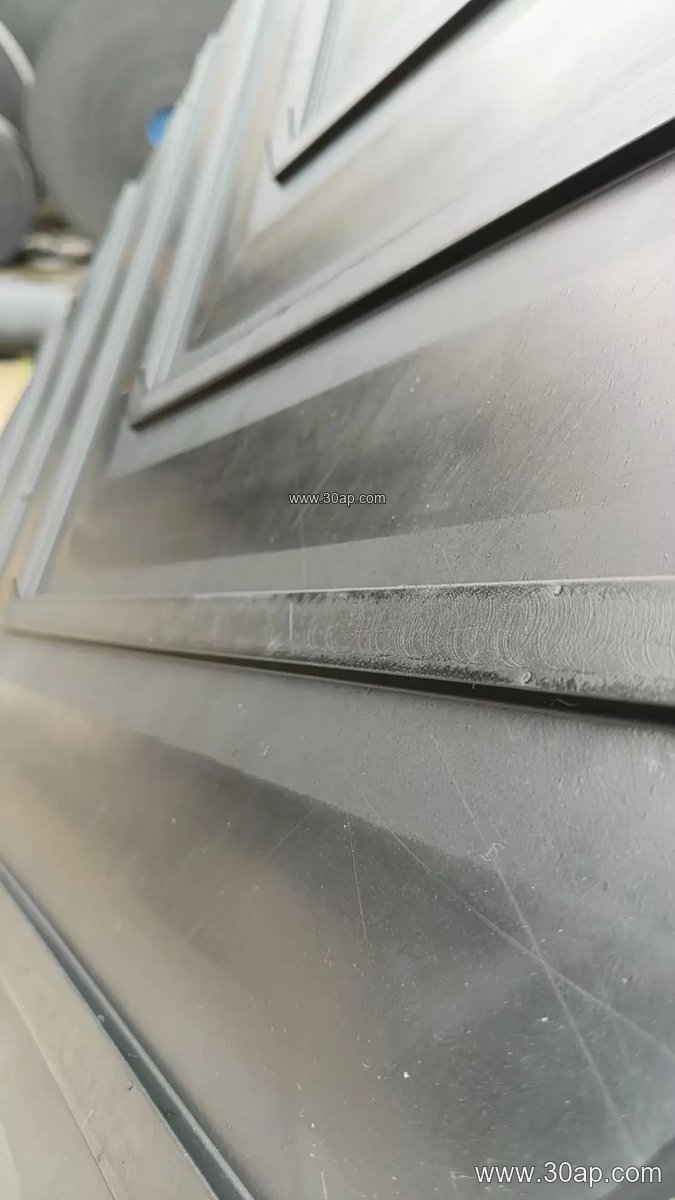
The belt is usually made as a multi-ply fabric core with rubber covers on both faces. Nylon plies are bonded with rubber friction and skim coats, then the top and bottom covers are applied and vulcanized. Cover thickness and compound quality have a large effect on service life, especially where sharp rock or hot clinker is handled. Typical reference values are shown below; actual figures are confirmed by the manufacturer for each order.
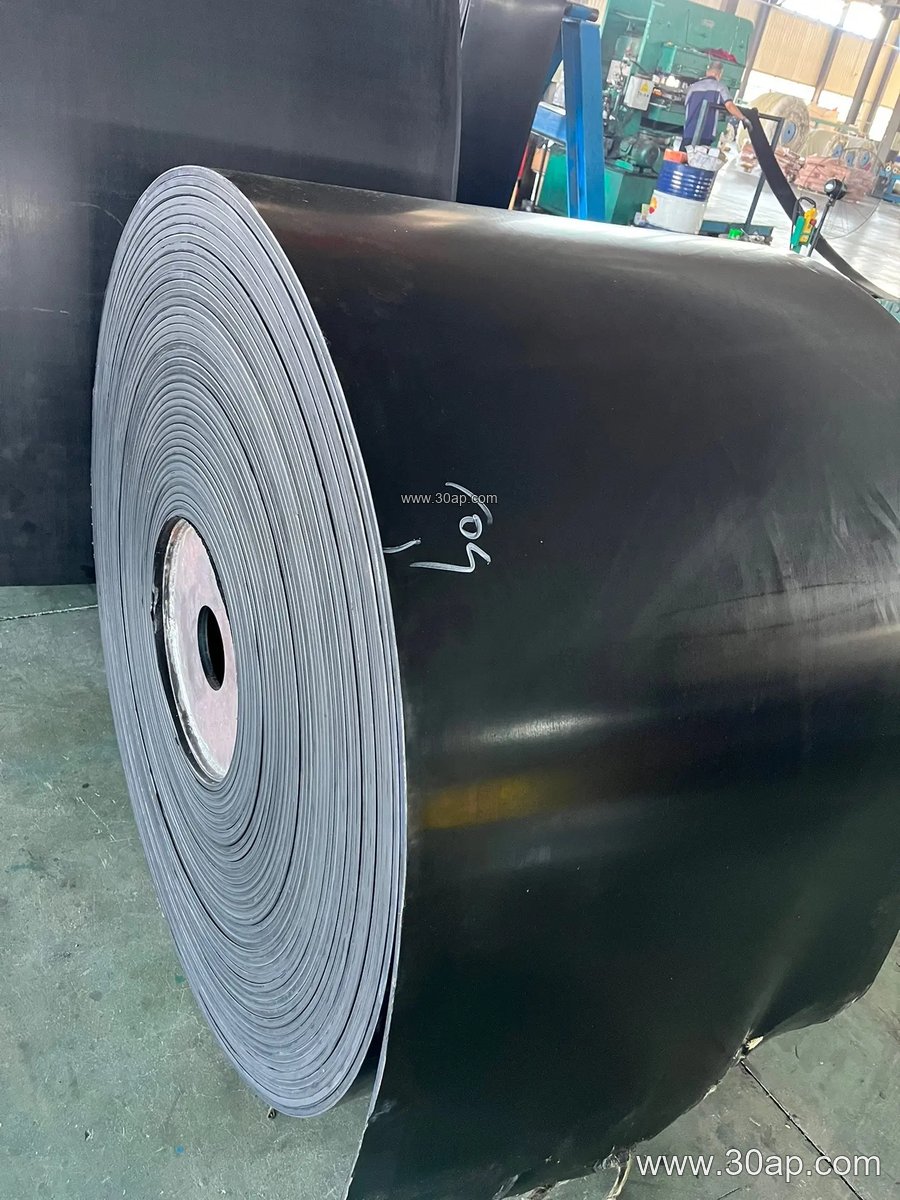
| Property | Common reference values |
|---|---|
| Carcass type | Nylon fabric, multi-ply |
| Nominal strength grades | NN100, NN200, NN300, NN400 |
| Number of plies | Usually 2 to 6 |
| Belt width | B500, B650, B800, B1000, B1200, B1400, B1600 |
| Cover thickness (top + bottom) | 3+1.5, 4+2, 5+2, 6+2, 8+3 mm |
Widths in the table are examples, not a fixed rule. A 1000mm belt may run on different pulley diameters depending on the conveyor design, and shaft sizes are set by the pulley manufacturer, never by belt width alone.
Where It Fits on the Conveyor
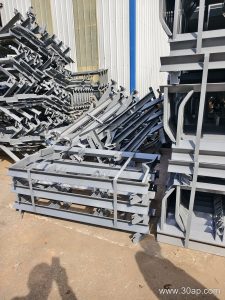
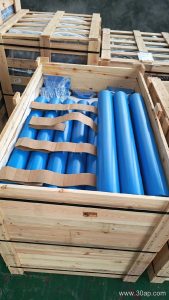
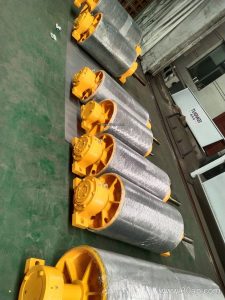
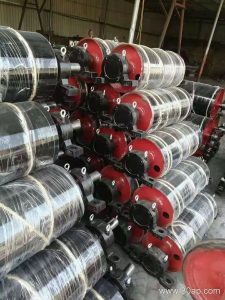
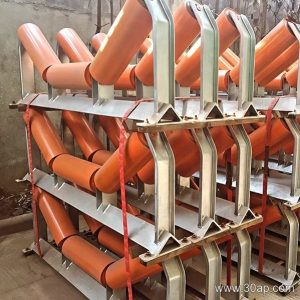
The belt is only one part of the system. Drive pulleys, tail pulleys and bend pulleys each have their own role and are not interchangeable, and the same applies to carrying idler rollers, return idlers and impact idlers. Belt tracking and belt life depend on the alignment of the whole frame, including the conveyor brackets and the take-up arrangement. Where material is dropped onto the belt, impact idlers and a suitable impact-resistant cover help reduce damage.
Typical duties include:
- Crushed stone and aggregate lines in quarries and sand plants
- Cement plant raw material and clinker transport
- Coal handling in power plants and preparation plants
- Ore transport in mining and mineral processing
- General bulk material handling in ports and stockyards
Choosing the Right Grade and Cover
Start with the required tensile strength and the number of plies, then match the cover compound to the material. Abrasive rock calls for a high abrasion resistant cover; hot materials need a heat resistant grade; oily loads need an oil resistant compound; and underground coal service usually calls for a flame retardant conveyor belt with anti-static properties. Cold climates may call for a cold resistant cover, while long overland routes with high tension may be better served by a steel cord conveyor belt instead of a fabric belt. The NN200 grade is a sensible middle option for many medium-duty lines.
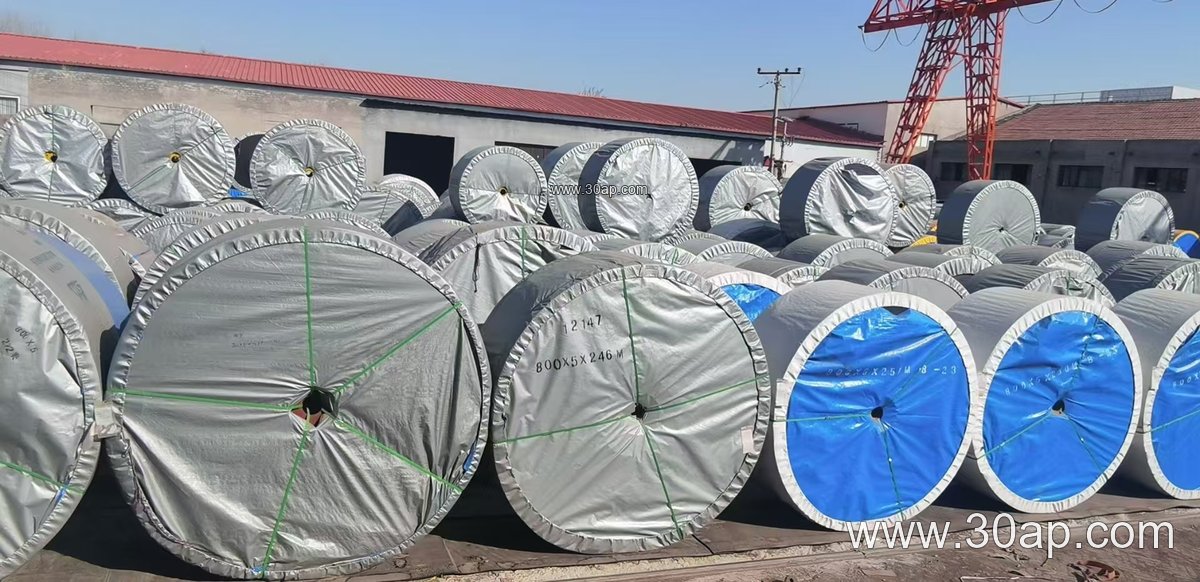
Also check belt width against lump size and required capacity, pulley diameters against the belt’s minimum bending radius, and the transition distance between the tail pulley and the first idler. A wider belt such as B1400 or B1600 is not automatically better if the structure and pulleys are not sized for it.
Installation and Maintenance Notes
Store belts in a dry, shaded place and avoid sharp bends during handling. When splicing, keep plies square and follow the maker’s step length. After startup, check belt tracking at the head and tail pulleys, inspect idler rollers for seizure, and watch for edge wear or cover cuts. Small repairs made early prevent carcass damage. Keep the belt clean and avoid over-tensioning, which shortens splice life.
For buyers comparing options, review the full duty with the supplier and confirm cover grade, ply count, width and splice method in writing. Related products such as Rubber Conveyor Belt, EP Conveyor Belt and NN Conveyor Belt can be discussed in the same enquiry, while the final choice should follow the calculated tension and the actual operating conditions.