What a Conveyor Bracket Actually Does
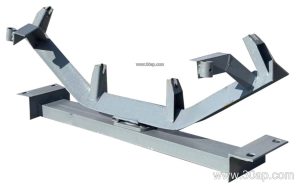
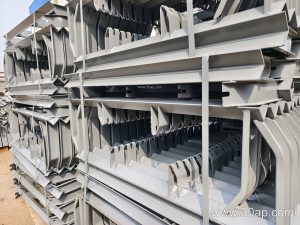
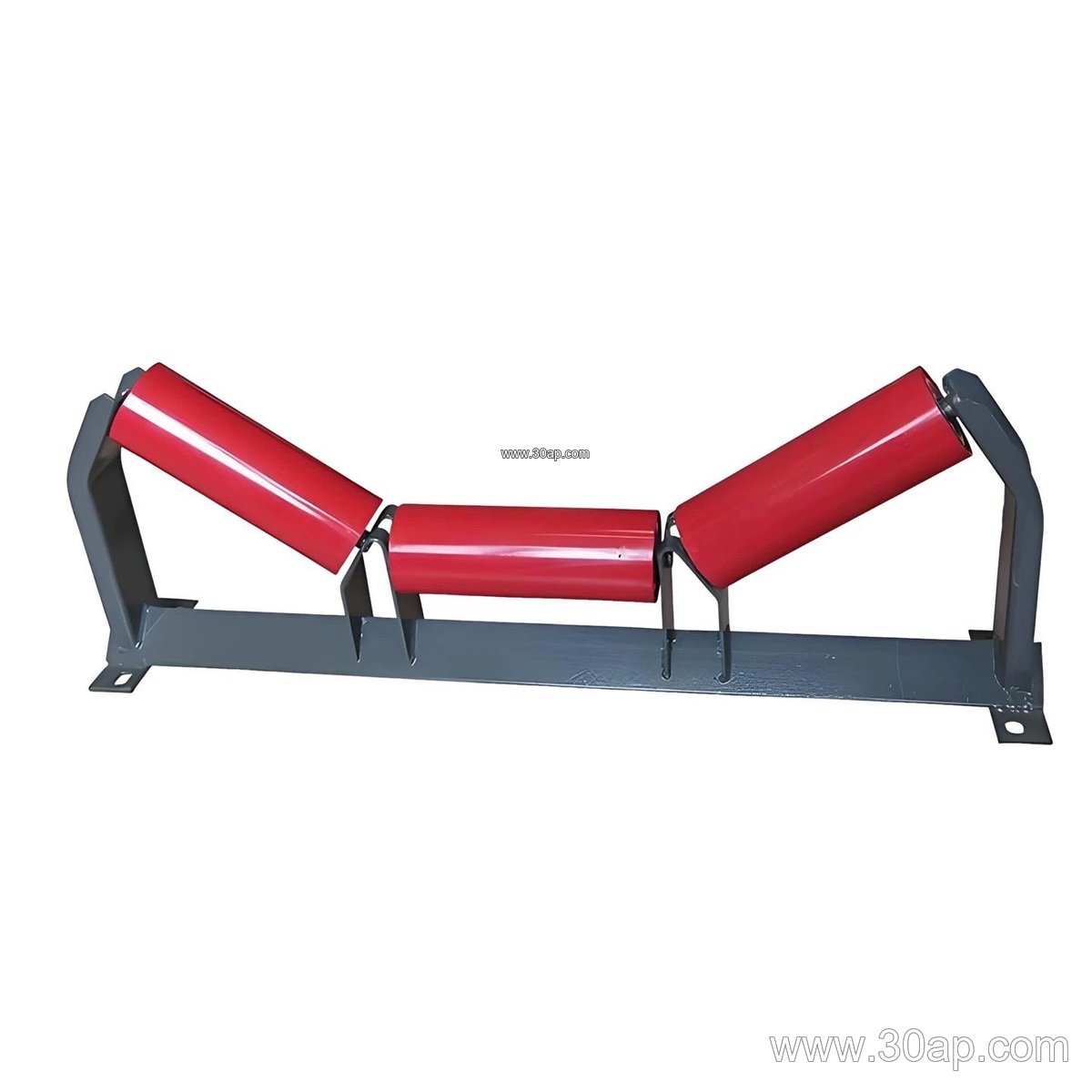
A conveyor bracket is the steel frame that holds idler rollers in position along a belt conveyor. Buyers often call it a conveyor support bracket or idler frame, and the two names describe the same component. It carries the weight of the belt and the material, keeps the trough shape steady, and sets the geometry that every roller on the line depends on. In a quarry, a cement plant, or a power plant coal yard, these frames are the quiet structure behind every conveyor pulley and every meter of conveyor belt.
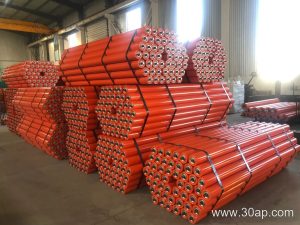
Procurement usually starts with the conveyor layout. The bracket must match the belt width, the trough angle, and the roller diameter selected for that section. Getting any of the three wrong leads to poor belt tracking, premature roller wear, or installation delays on site.
Construction and Common Materials
Most frames are fabricated from angle steel, channel steel, or folded steel plate. Welded brackets are common for fixed installations, while bolted designs suit sites where adjustment or replacement is expected. Surface treatment matters in wet or corrosive environments, so buyers should confirm the coating or galvanizing requirement before ordering.
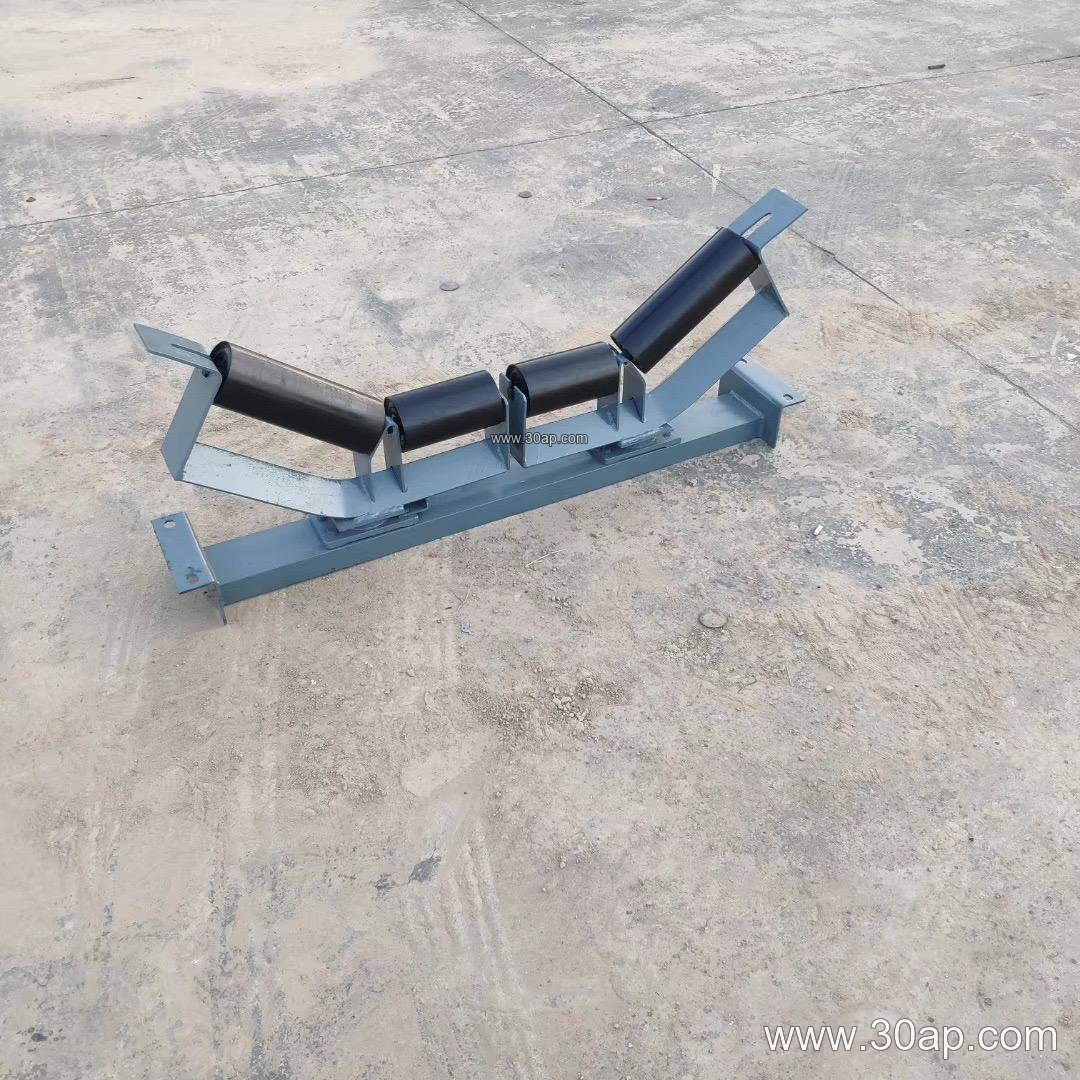
Typical bracket families include troughing brackets, transition brackets, return brackets, flat return brackets, V-return brackets, impact brackets, self-aligning brackets, and adjustable brackets. Each serves a different position on the conveyor, and they are not interchangeable with drive pulleys, tail pulleys, or bend pulleys, which are separate rotating components.
Where These Frames Are Used
You will find them on belt conveyors in limestone mines, aggregate crushing and screening lines, cement kilns and clinker transport, and coal handling systems at power stations. They also appear in port loading conveyors, steel plant sinter lines, and tunnel muck removal. On a typical crushing line, a heavy-duty mining conveyor belt runs over troughing brackets at the loading point and return brackets underneath.
Belt type influences the frame choice. A steel cord conveyor belt or a thick abrasion resistant conveyor belt carrying iron ore needs a robust impact bracket at the transfer point, while a pipe conveyor belt uses a completely different support arrangement. Flame retardant conveyor belt and anti-static conveyor belt installations underground often require frames that suit restricted spaces and strict site rules.
Matching Belt Width, Trough Angle, and Roller Diameter
There is no single fixed combination. A B800 frame might run at 35 degrees with Ø108 rollers, while a B1200 line often uses 45 degrees with Ø133 rollers. Larger widths such as B1600 or B1800 usually call for heavier channel sections and larger roller diameters, but the final choice comes from the conveyor design, not from a universal table.
The table below lists common reference values, not mandatory pairings.
| Belt Width | Trough Angle (common) | Roller Diameter (common) |
|---|---|---|
| B500 | 20° / 30° | Ø89 |
| B650 | 30° / 35° | Ø89 / Ø108 |
| B800 | 30° / 35° | Ø108 |
| B1000 | 35° / 45° | Ø108 / Ø133 |
| B1200 | 35° / 45° | Ø133 |
| B1400 | 35° / 45° | Ø133 / Ø159 |
| B1600 | 35° / 45° | Ø159 |
| B1800 | 35° / 45° | Ø159 / Ø194 |
| B2000 and above | 35° / 45° | Ø194 |
Note that hole spacing and crossbeam length change with belt width and trough angle. These dimensions should be confirmed against the drawing, not assumed from the belt width alone.
Adjustable Versus Fixed Brackets
Adjustable brackets let maintenance teams change the trough angle between common settings such as 20, 30, 35, and 45 degrees, which helps when a conveyor is repurposed or when belt training needs fine tuning. Fixed brackets are simpler and stiffer, and they suit lines where the geometry will never change. Forward-leaning brackets, usually around 1.5 to 2 degrees, are used to encourage self-centering of the belt.
Buyers should also check whether the frame needs to accept a self-aligning roller set, a spiral roller, or a suspended arrangement. These details affect the mounting plates and the overall height.
Procurement Checklist
- Confirm belt width, trough angle, and roller diameter for each conveyor section.
- Specify the bracket family for every position: troughing, transition, return, impact, or self-aligning.
- State the material and surface treatment, especially for washdown or coastal sites.
- Ask for dimensional drawings showing hole spacing and crossbeam length.
- Check compatibility with the conveyor pulley layout and the roller mounting style.
- Plan spare frames for high-wear loading zones where impact brackets take the most punishment.
Good conveyor bracket procurement is mostly about matching the frame to the belt line it serves. Once the width, angle, roller size, and position type are clear, the rest of the order follows naturally.