What a Large Pulley Is and Where It Fits
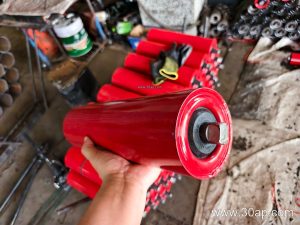
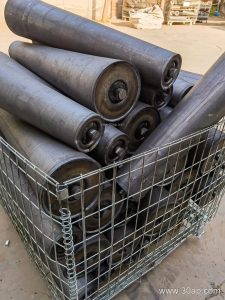
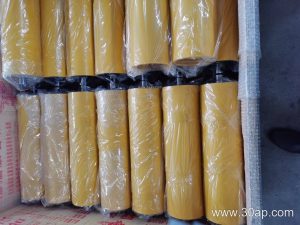
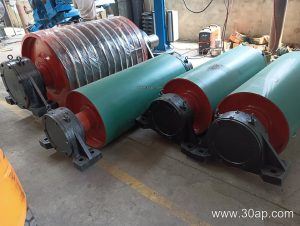
A large pulley is a heavy-duty conveyor pulley, often called a drum pulley or conveyor drum, built to handle high belt tensions and bulk material loads. In a quarry, limestone mine, or iron ore plant, you will see these large pulleys at the head, tail, and take-up positions of a conveyor. They are not the same as a drive pulley, tail pulley, or bend pulley — each position has its own design and duty. A large pulley may serve as a head pulley in one conveyor and as a tension pulley in another, but the term describes size and construction class rather than a single fixed role.
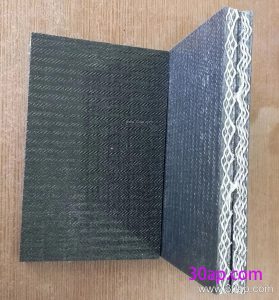
When specifying a large pulley, buyers often pair it with a heavy-duty conveyor belt such as an EP conveyor belt or steel cord conveyor belt. The pulley diameter and face width must match the belt width and tension, not the other way around. For example, a B1200 conveyor might use a Ø1000 large pulley, while a B800 line could run a Ø500 drum. These are common combinations, not fixed rules.
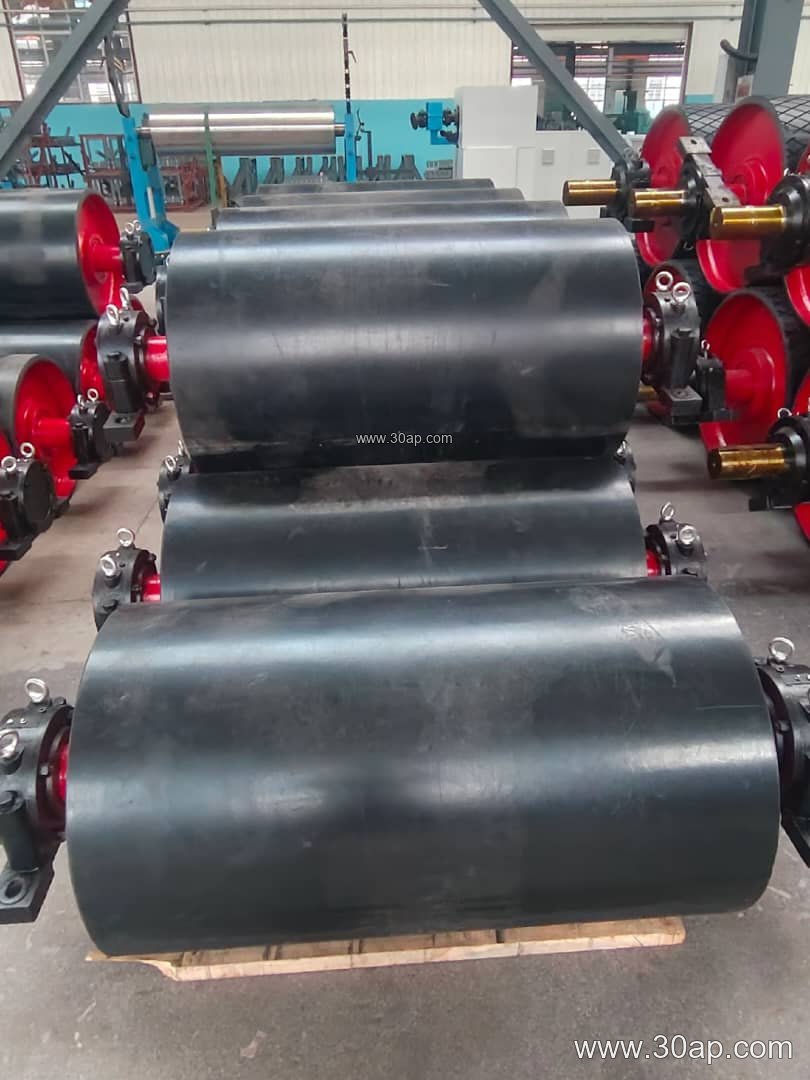
Construction and Surface Options
A large pulley typically consists of a steel shell, end discs, a shaft, and hub assemblies. The shell may be smooth or covered with rubber, ceramic, or other lagging to improve grip. Common surface forms include plain, cold-bonded rubber, hot-vulcanized rubber, diamond lagging, herringbone lagging, and ceramic lagging. Lagging thickness is often 8, 10, 12, 15, or 20 mm, selected according to slip risk and material carryback.
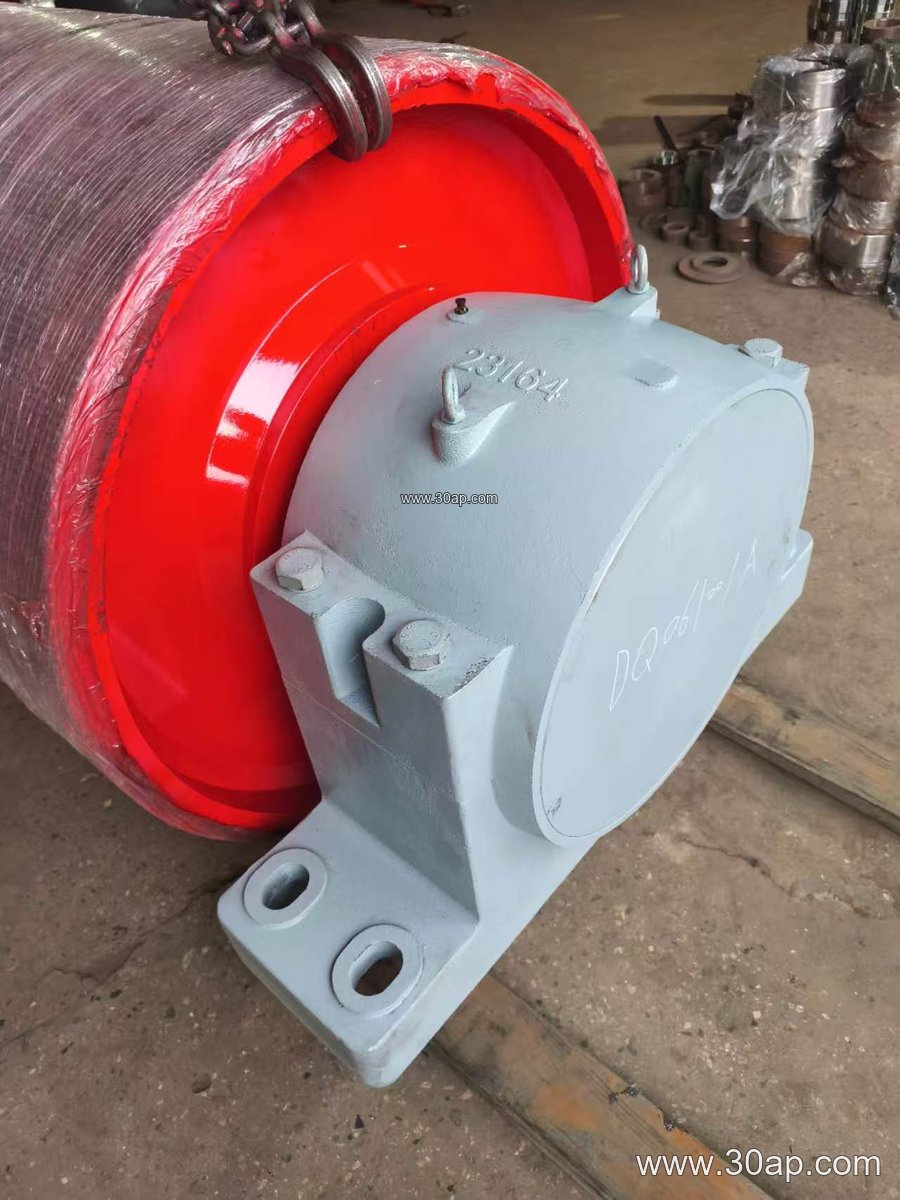
Shaft diameter is determined by torque and load, not by belt width alone. Typical shaft sizes range from Ø50 to Ø200 mm, but a large pulley for a 1400 mm wide belt in a cement plant may need a larger shaft than a similar-width pulley on a short aggregate line. Always confirm shaft size with the pulley manufacturer based on actual conveyor design.
Common Large Pulley Reference Dimensions
| Belt Width (B) | Typical Pulley Face Width | Example Diameter Range |
|---|---|---|
| B400 | ≈500 mm | Ø200–Ø400 |
| B650 | ≈750 mm | Ø315–Ø630 |
| B800 | ≈950 mm | Ø400–Ø800 |
| B1000 | ≈1150 mm | Ø500–Ø1000 |
| B1200 | ≈1400 mm | Ø630–Ø1250 |
| B1400 | ≈1600 mm | Ø800–Ø1400 |
| B1600 | ≈1800 mm | Ø1000–Ø1600 |
| B1800 | ≈2000 mm | Ø1250–Ø1800 |
These values are for reference only. A large pulley for a 2000 mm wide belt in a port bulk terminal may have a face width around 2200 mm and a diameter chosen by the conveyor designer. Do not assume one belt width matches only one pulley diameter.
Applications Across Industries
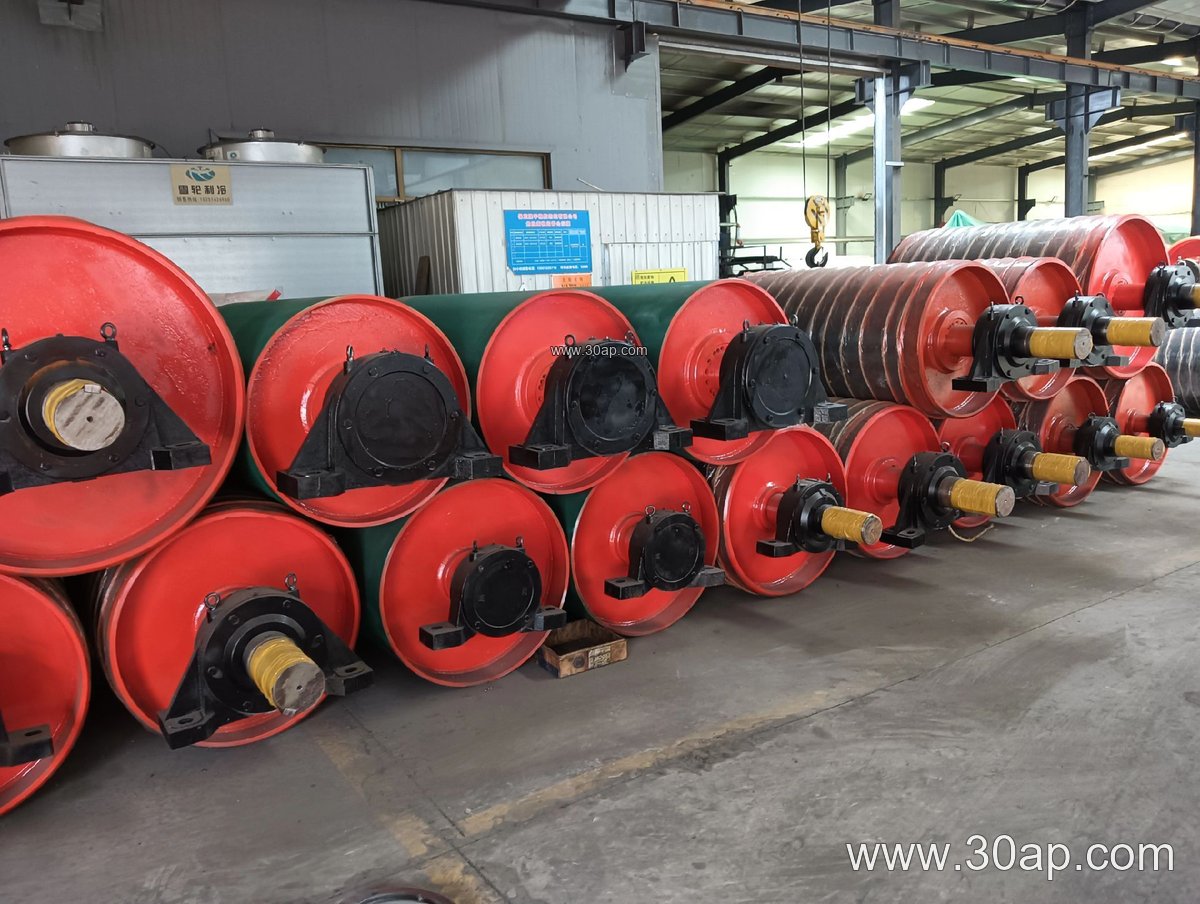
Large pulleys are found in coal mining conveyors, power plant coal handling, cement plant clinker lines, and aggregate crushing circuits. In a copper ore concentrator, a large pulley at the head end drives a steel cord conveyor belt carrying high-tonnage ore. In a limestone quarry, a large pulley with diamond lagging may be used on a crusher conveyor belt where wet, gritty material causes slip. The same pulley class appears in ship loading conveyors at ports and in tunnel spoil removal systems.
Matching the pulley to the belt is critical. A flame retardant conveyor belt for underground coal mining may require a large pulley with anti-static lagging. A heat resistant conveyor belt in a sinter plant needs a pulley that can tolerate radiant heat without losing lagging adhesion. In food or fertilizer plants, a food grade conveyor belt may run on a smooth large pulley to simplify cleaning. The pulley itself does not replace the belt specification, but it must be compatible with the belt’s cover, tension, and tracking needs.
Buyer Checklist for Large Pulleys
- Confirm the pulley’s position and duty: head, tail, take-up, or bend. A bend pulley is not a substitute for a drive pulley, and a tail pulley has different loading than a head pulley.
- Check face width against belt width, allowing for belt wander and edge clearance.
- Review lagging type and thickness for the material and environment. Abrasion resistant conveyor belt lines may need ceramic or diamond lagging; oil resistant conveyor belt lines may need rubber lagging that resists swelling.
- Verify shaft diameter and bearing size with the conveyor designer. Do not derive shaft size from belt width alone.
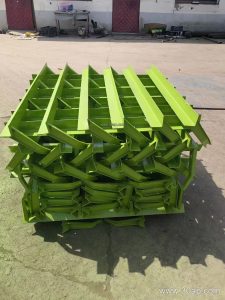
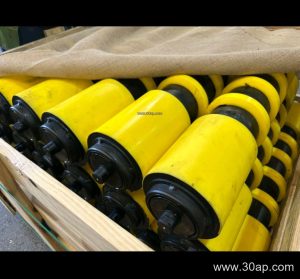
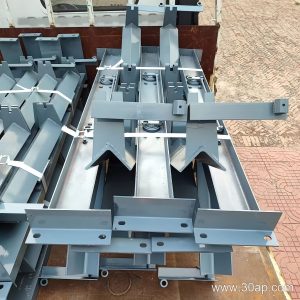
- Consider the conveyor bracket and idler roller layout, because pulley alignment affects belt training and wear.
- For underground coal mining conveyor belt systems, confirm flame retardant and anti-static properties of both belt and lagging.
Large pulleys are a long-term investment in conveyor reliability. Whether you are upgrading a quarry conveyor pulley or specifying a new drum for a 1800 mm wide belt, work from the actual belt tension, material, and site conditions. A well-matched large pulley keeps the conveyor belt running true and reduces unplanned downtime in mines, cement plants, power stations, and aggregate operations.