What a Heavy-Load Idler Does on a Conveyor
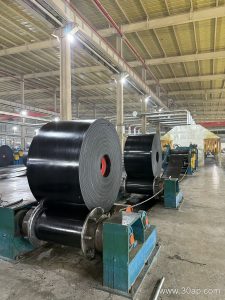
A heavy-load idler is the load-bearing roller placed under the carrying side of a conveyor belt where tonnage, lump size, and impact energy are high. In a quarry, limestone mine, or primary crushing station, the belt may carry sharp rock at several thousand tonnes per hour, so the idler must keep the belt supported without excessive deflection, vibration, or premature bearing failure. The same component appears in power plant coal handling, sinter plants, and port ship-loading systems where continuous operation matters more than peak speed.
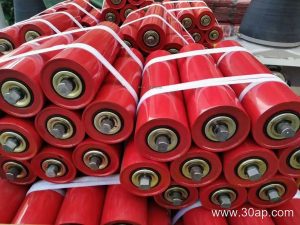
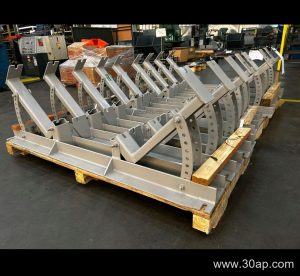
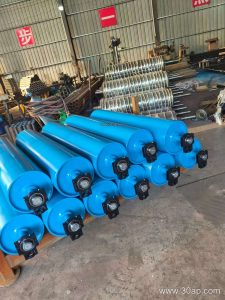
In practice, a heavy-load idler is not a single catalog item. It is a duty class applied to troughing idlers, impact idlers, and return rollers that share reinforced shells, larger shafts, and sealed bearings. When specifying, buyers usually describe the idler roller by roll diameter, shell material, bearing size, and the frame it fits into, then match that to the conveyor belt width and belt speed.
Construction Details That Carry the Load
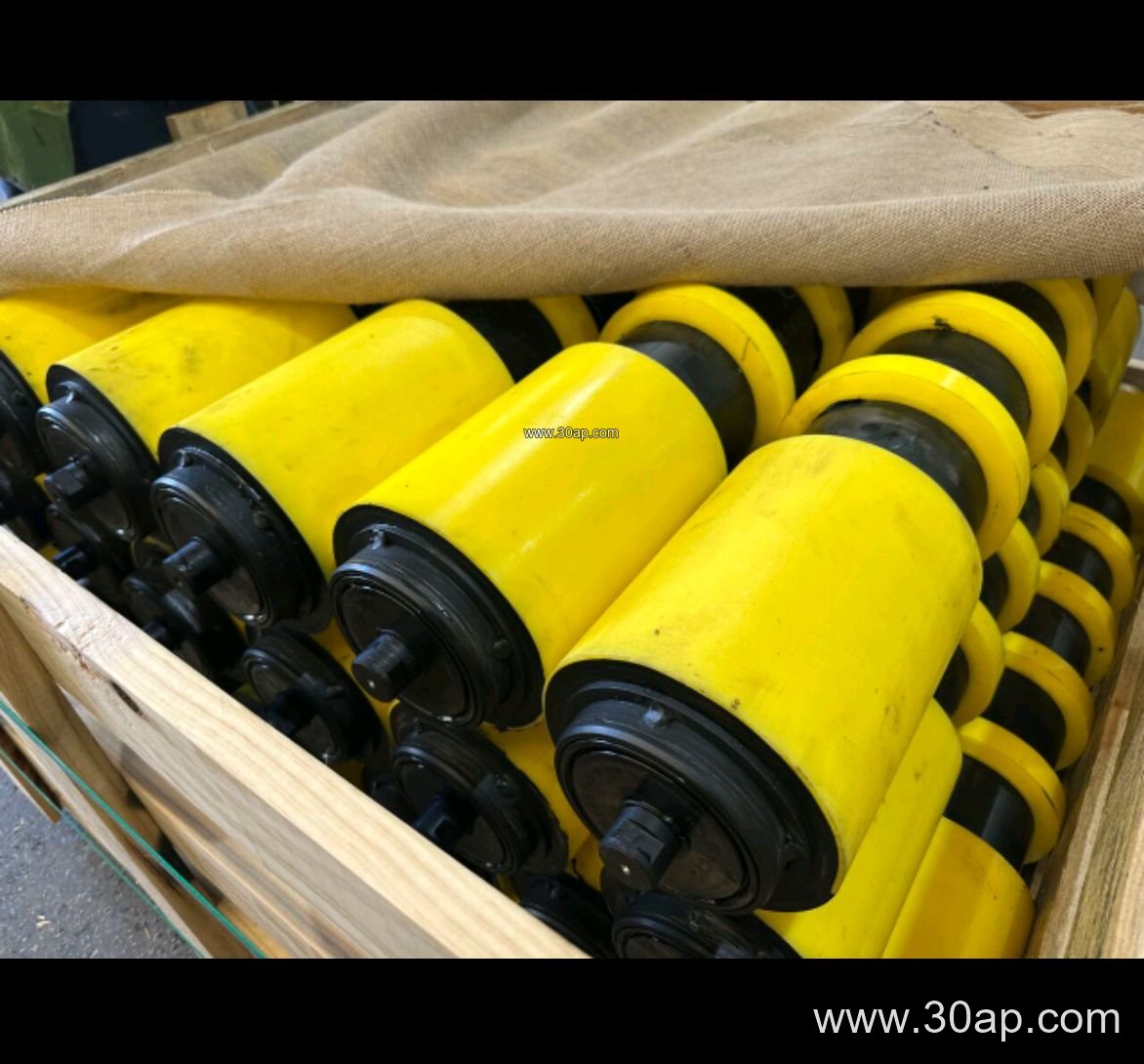
The shell is usually a thick-walled steel tube, often machined at the ends to seat the bearing housing squarely. For abrasive service such as iron ore or copper ore, the roll face may be fitted with rubber rings or ceramic sleeves to protect the shell and improve grip. Bearing selection follows the load calculation rather than a fixed rule; common sizes include 6205, 6305, 6306, 6308, and 6310, and the same bearing can serve several roll diameters depending on shaft design and load zone.
Sealing deserves attention in dusty plants. Labyrinth seals, felt retainers, and grease-filled cavities are typical, and the quality of the seal often decides service life more than the steel thickness. A heavy-load idler in a cement plant or coal stockyard faces fine, penetrating dust, while one in a wash plant faces water and slurry. Both need a housing that keeps contaminants out without adding excessive drag.
Where Heavy-Duty Idlers Fit in the Line
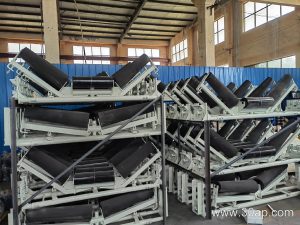
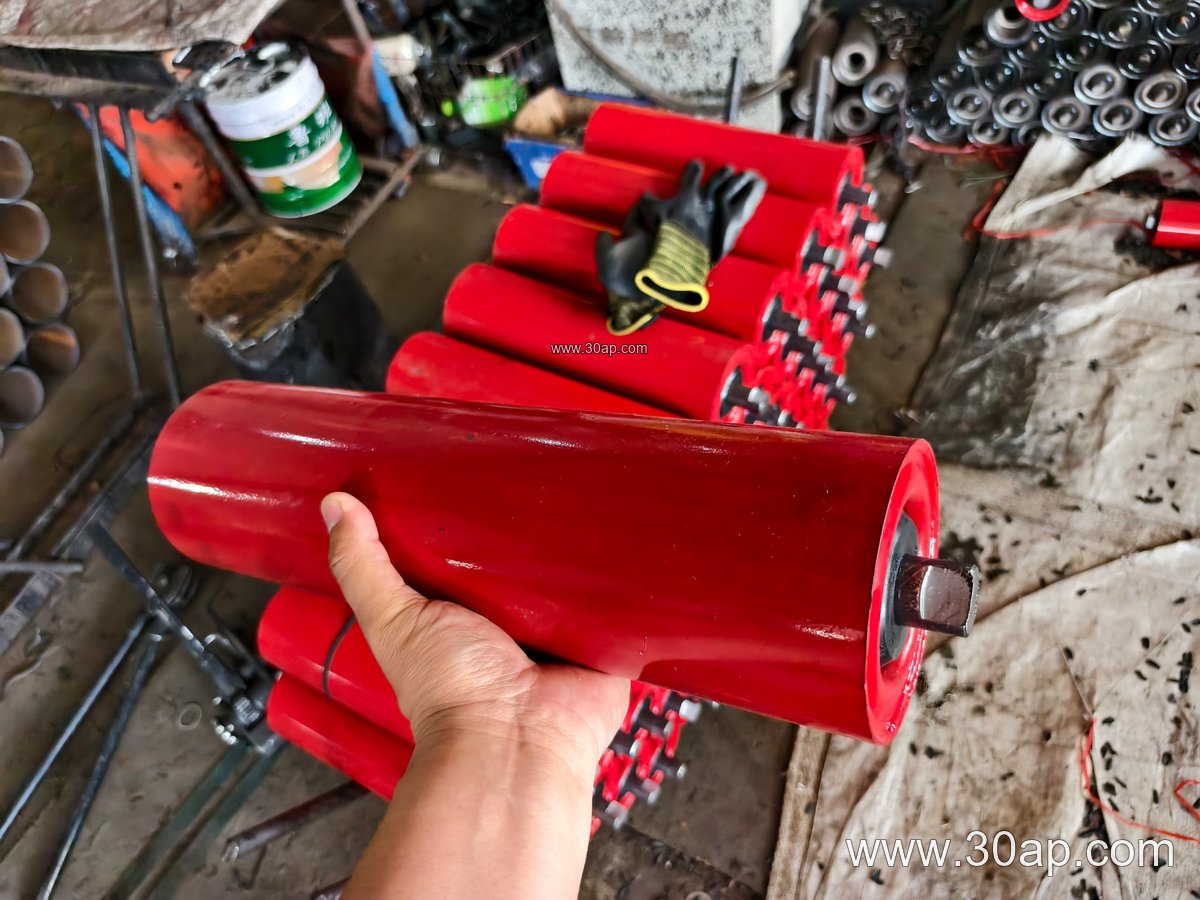
Troughing sets carry the main load. A three-roll troughing set at 35 degrees is common in aggregate and ore conveying, while 45 degrees may appear where material containment is critical. Transition idlers sit between the tail pulley and the first full trough set, gradually shaping the belt; these are not the same as bend pulleys or drive pulleys, which are separate components in the conveyor pulley family. Impact idlers and rubber-ring impact rollers belong at transfer points below a crusher or screen, where falling rock would otherwise hammer the belt and the roller shell.
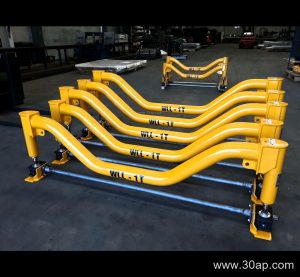
On the return side, a heavy-load idler may be a flat return roller or a V-return roller that tracks the belt and sheds spillage. In long overland lines, the spacing of carrying idlers is usually tighter near loading points and wider in steady sections, a detail set by belt sag limits rather than by a single universal figure.
Common Reference Dimensions
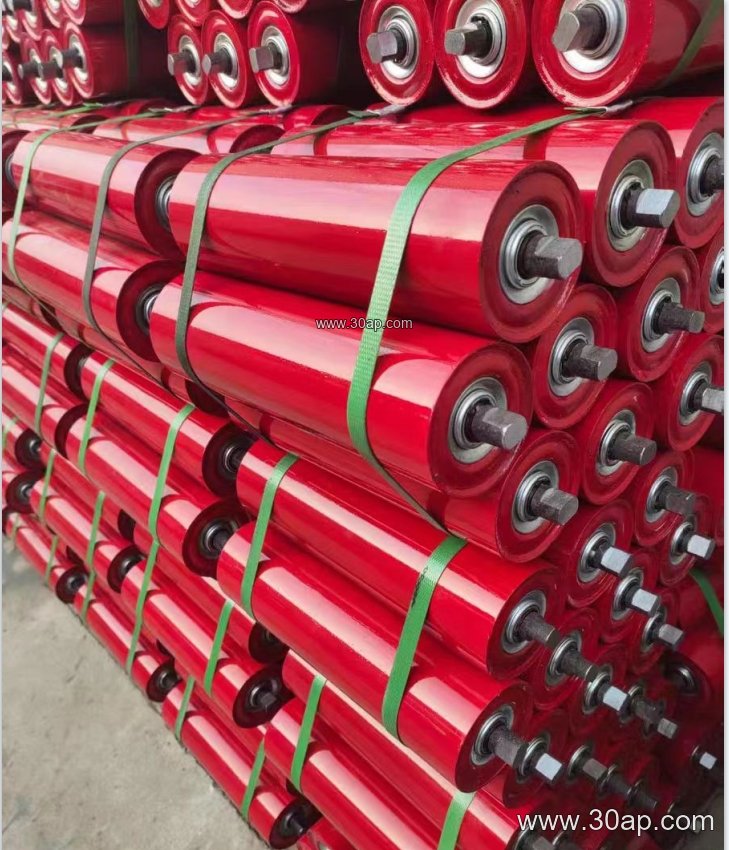
The table below gives typical reference values used when discussing heavy-load idler arrangements. These are examples for orientation, not fixed matches; roll length varies with belt width, trough angle, and frame type, and side rolls may differ from the center roll.
| Belt width | Typical three-roll troughing roll length | Common roll diameters |
|---|---|---|
| B500 | about 200 mm | Ø63 to Ø89 |
| B650 | about 250 mm | Ø76 to Ø108 |
| B800 | about 315 mm | Ø89 to Ø127 |
| B1000 | about 380 mm | Ø102 to Ø133 |
| B1200 | about 465 mm | Ø108 to Ø159 |
| B1400 | about 530 mm | Ø127 to Ø178 |
| B1600 | about 600 mm | Ø133 to Ø194 |
| B1800 | about 670 mm | Ø159 to Ø219 |
| B2000 | about 750 mm | Ø178 to Ø219 |
Roll diameter and belt width are related through load and sag, not through a one-to-one rule. A B1200 conveyor might use a larger roll in an impact zone and a smaller one on a gentle return run. Buyers should confirm shaft diameter, bearing seat, and frame hole spacing with the supplier rather than inferring them from belt width alone.
Buyer Checklist Before Ordering
- Confirm the duty: carrying, impact, transition, or return, and state the material and lump size.
- Match the idler roller to the actual belt width and trough angle, and check whether the frame uses two-roll or three-roll sets.
- Ask about shell thickness, seal type, and bearing size rather than relying on a model number alone.
- For dusty or wet plants, discuss grease retention and inspection intervals.
- Keep spare rollers for the highest-wear positions, especially below crushers and transfer chutes.
Heavy-load idlers work alongside other conveyor components, and it helps to see the whole system. A conveyor belt with high abrasion resistance reduces wear on the roll face, while a properly aligned conveyor pulley and sturdy conveyor bracket keep the idler frame square and the belt centered. For related equipment, see conveyor belt and conveyor pulley pages, and compare roller options on our idler roller overview. Plants handling abrasive ore often pair these rollers with an abrasion resistant conveyor belt, and coal or port terminals may review flame retardant conveyor belt grades for safety planning.