What a Mining Belt Conveyor Pulley Does on the Line
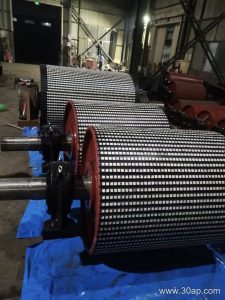
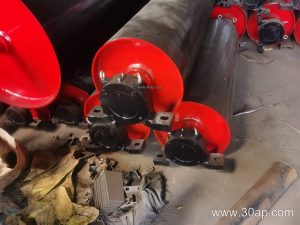
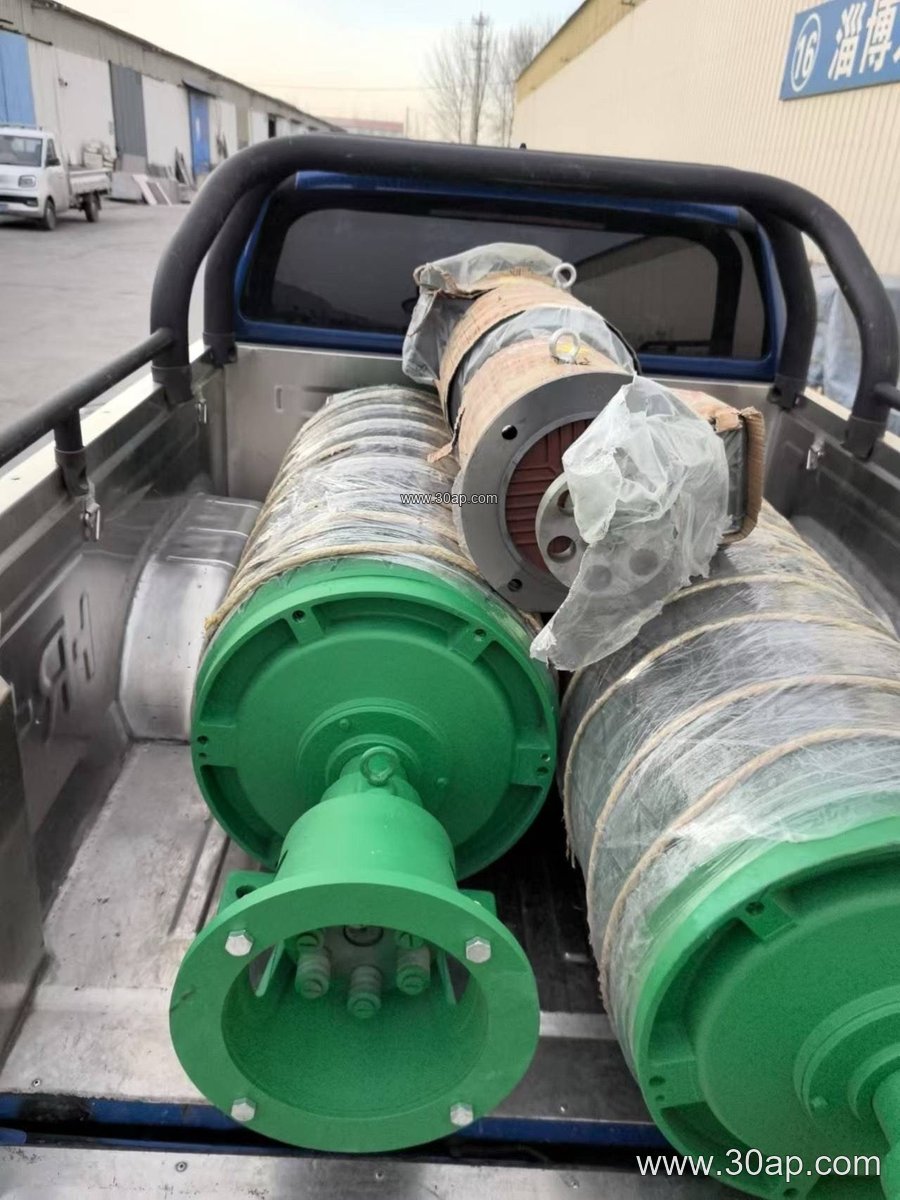
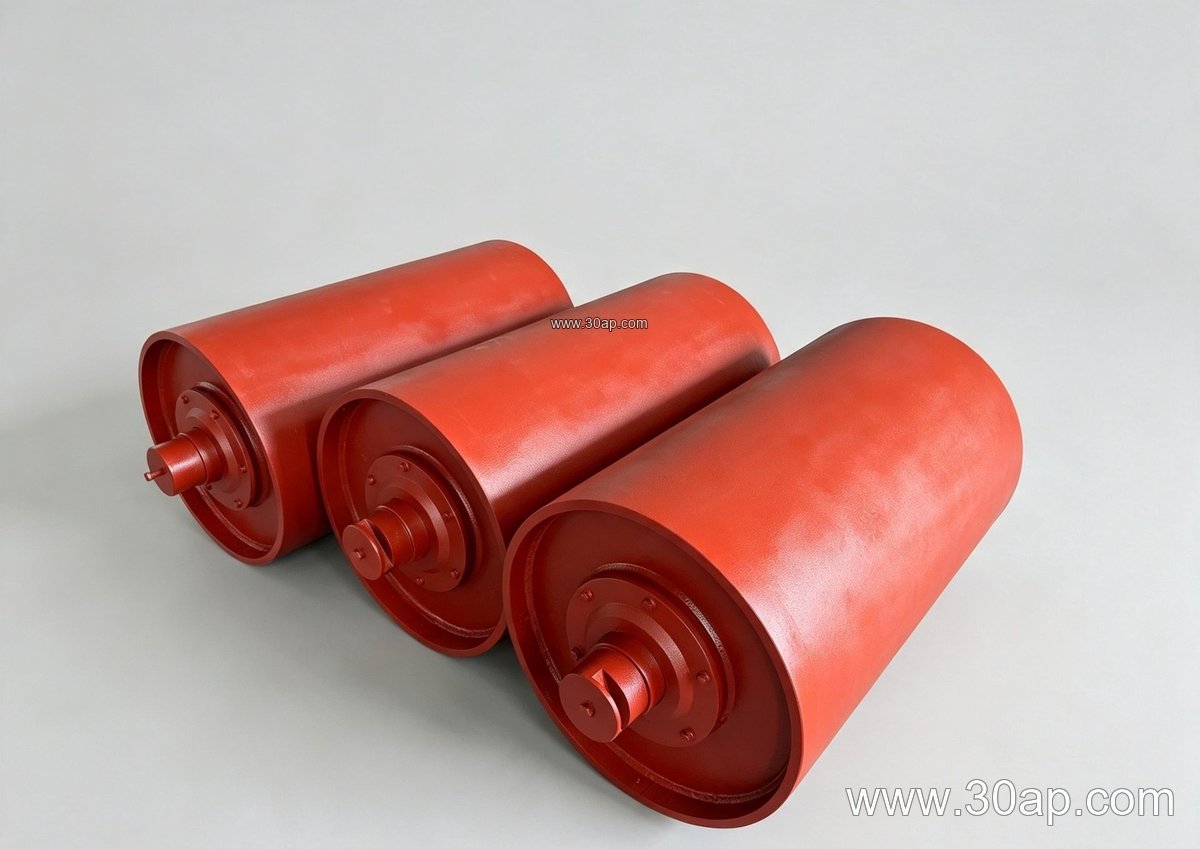
On a heavy-duty conveyor system, the mining belt conveyor pulley is the rotating drum that carries the belt, transfers drive torque, and sets the path of the belt loop. In a quarry, a limestone mine, or a cement plant clinker line, this component sees constant abrasion, dust, and high tension. It is more than a steel cylinder: the shell, shaft, bearings, hubs, and lagging all work together to keep the belt tracking and the load moving.
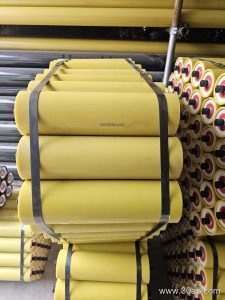
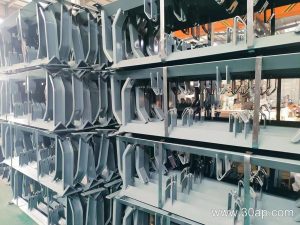
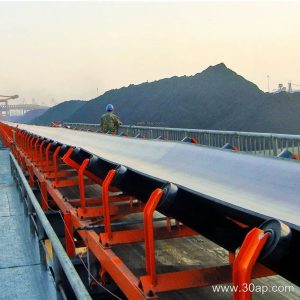
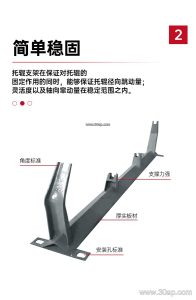
The drum usually works alongside the conveyor belt, idler roller sets, and conveyor bracket frames. A mismatch between drum diameter, shaft size, and belt tension can cause belt slip, edge damage, or premature bearing failure, so the pulley should be treated as an engineered part of the conveyor, not a generic spare.
How the Drum Is Built
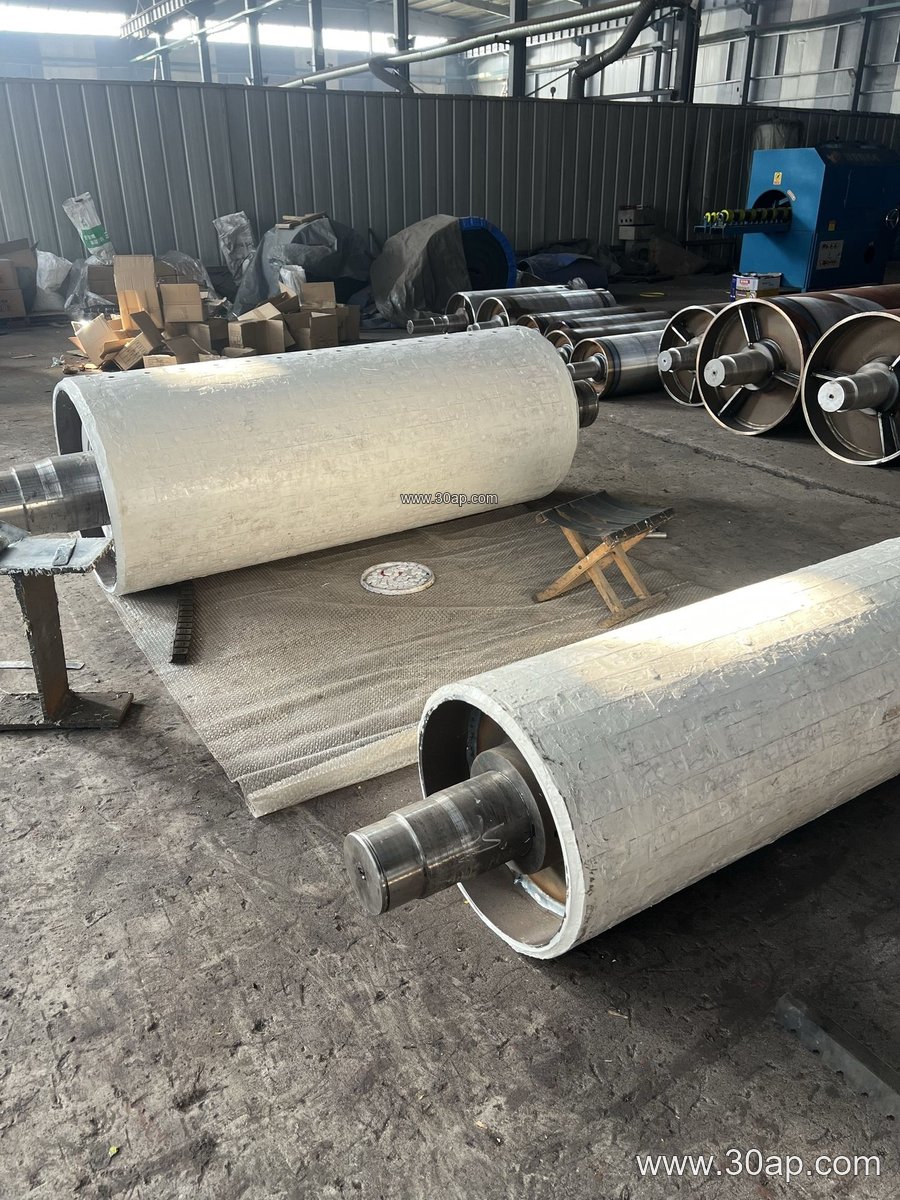
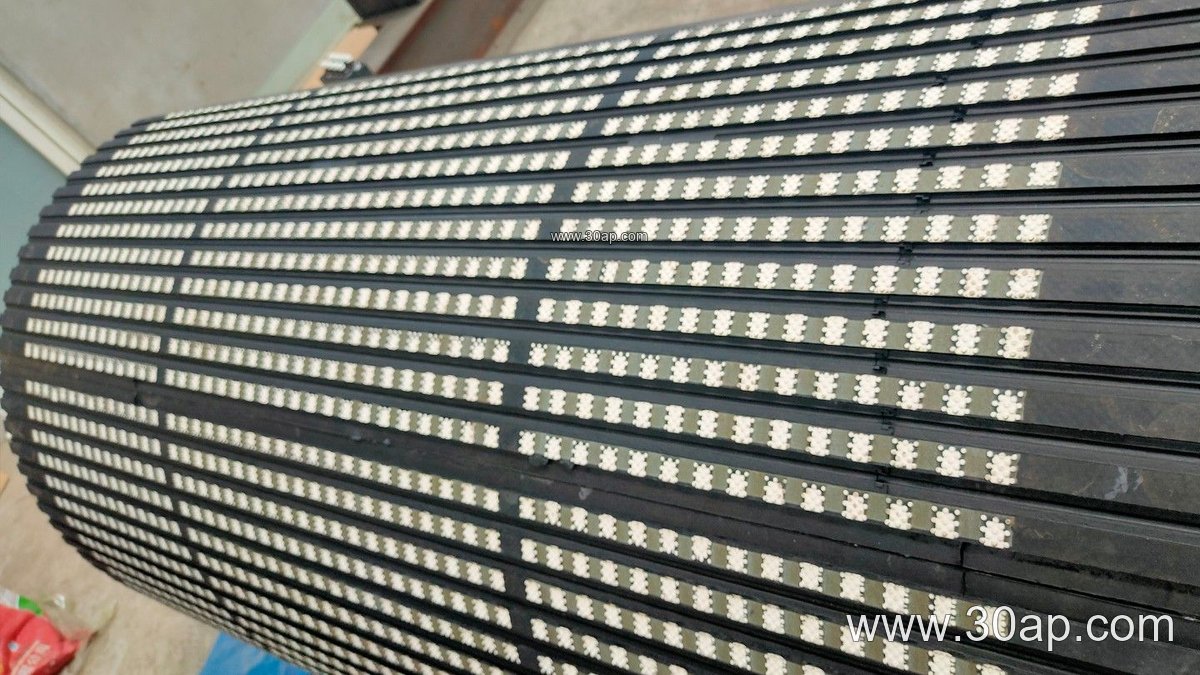
Most mining belt conveyor pulleys use a welded steel shell with machined end discs, a through shaft or stub shafts, and bearing housings mounted on a sturdy frame. The shell surface may be plain, or it may carry rubber lagging applied by cold bonding or hot vulcanizing. Common lagging thicknesses are 8, 10, 12, 15, and 20 mm, and the surface pattern can be plain, diamond, or herringbone, depending on the grip and cleaning requirements.
Shaft diameter is not chosen from belt width alone. It is determined by torque, radial load, bearing life, and the drive arrangement. Typical shaft sizes range from Ø50 to Ø200 mm, but the final value must come from the conveyor designer. Likewise, drum diameter and face width are selected together with the belt width and the required wrap angle.
Drive, Tail, and Bend Positions Are Not Interchangeable
Position matters. A drive pulley, often called the head pulley, transmits power to the belt and usually needs lagging for traction. A tail pulley at the loading end guides the belt back and may be fitted with a self-cleaning or wing design where sticky material is a problem. A bend pulley changes the belt direction and carries lower torque, while a take-up pulley works with the tensioning system.
These roles are not interchangeable. A bend pulley should not be used as a drive pulley, and a tail pulley should not be specified as a substitute for a drive drum. Each position has its own load profile, bearing arrangement, and lagging requirement. In a coal mining conveyor or an underground mining conveyor, flame retardant and anti-static properties of the belt and lagging may also be relevant, and the pulley design should support the belt tracking through curves and inclines.
Common Size Reference for Planning
The table below shows typical combinations used in planning discussions. These are reference values, not universal specifications, and the final selection depends on the conveyor design.
| Belt width | Typical pulley face width | Example diameter range |
|---|---|---|
| B500 | about 600 mm | Ø250 to Ø400 |
| B650 | about 750 mm | Ø315 to Ø500 |
| B800 | about 950 mm | Ø400 to Ø630 |
| B1000 | about 1150 mm | Ø500 to Ø800 |
| B1200 | about 1400 mm | Ø630 to Ø1000 |
| B1400 | about 1600 mm | Ø800 to Ø1250 |
| B1600 | about 1800 mm | Ø1000 to Ø1400 |
| B1800 | about 2000 mm | Ø1250 to Ø1600 |
For example, a B1200 × Ø1000 drive pulley may suit a high-tension main line, while a B800 × Ø500 bend pulley may be adequate for a shorter secondary conveyor. A single belt width can match several drum diameters, so the designer should check wrap angle and belt tension before locking in a size.
Matching the Pulley to the Belt and the Duty
The drum and the belt must be considered together. A heavy-duty mining conveyor belt such as an EP conveyor belt, steel cord conveyor belt, or multi-ply fabric core conveyor belt has different tension and stiffness characteristics. An abrasion resistant conveyor belt used in a crusher conveyor or aggregate conveyor belt line may need a larger drum to reduce bending stress. A heat resistant conveyor belt in a cement plant or power plant may require lagging that tolerates elevated temperature.
In a port conveyor or ship loading conveyor, a pipe conveyor belt or corrugated sidewall conveyor belt can impose different tracking demands on the pulleys. The idler roller spacing, conveyor bracket alignment, and belt training all affect how the drum performs. A well-aligned frame and properly sized idlers reduce edge loading on the pulley and extend bearing life.
What Buyers Should Check Before Ordering
- Confirm the position: drive, tail, bend, take-up, or snub, and state the duty clearly.
- Provide belt width, belt type, and the expected maximum tension, not just a nominal size.
- Specify drum diameter and face width as a pair, and confirm the shaft diameter from the torque calculation.
- Choose lagging type and thickness, such as plain, diamond, or herringbone rubber, based on grip and material carryback.
- Check bearing type, sealing, and lubrication method for the site conditions, especially in dusty or wet tunnels.
- Ask for the balancing grade, runout tolerance, and inspection records for the finished drum.
For a mining belt conveyor pulley, the most reliable approach is to share the conveyor layout, belt specification, and load data with the manufacturer. The drum is a long-life component, and a careful match with the conveyor belt, idler roller, and conveyor bracket system pays back in fewer stoppages and safer operation.