What a Tail Drive Pulley Does
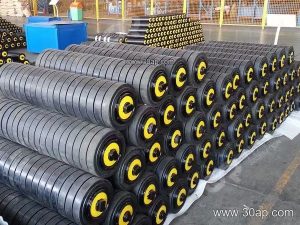
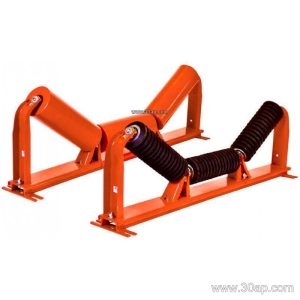
In a conveyor system, the tail drive pulley is the drum at the tail end that transmits power to the belt. Unlike a head drive pulley, which pulls the belt from the discharge end, a tail drive pulley pushes the belt forward from the return side. This arrangement is often chosen where space at the head is limited or where better belt tracking is needed. The tail drive pulley works together with the conveyor belt, idler rollers, and conveyor brackets to keep material moving smoothly.
Construction and Key Components
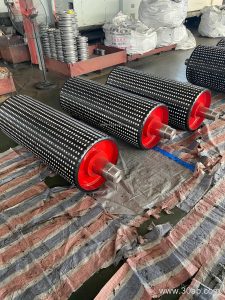
A tail drive pulley typically consists of a cylindrical shell, shaft, bearings, and a lagging surface. The shell is usually made from steel, and the shaft is sized according to torque and load requirements—common shaft diameters range from Ø50 to Ø200 mm, but the exact value is determined by design, not by belt width alone. Lagging options include plain, cold-bonded rubber, hot-vulcanized rubber, diamond pattern, herringbone, and ceramic. Lagging thickness is commonly 8, 10, 12, 15, or 20 mm. The pulley face width is usually slightly wider than the belt—for example, a B800 belt often uses a pulley face around 950 mm, while a B1200 belt may use about 1400 mm. These are typical references, not fixed rules.
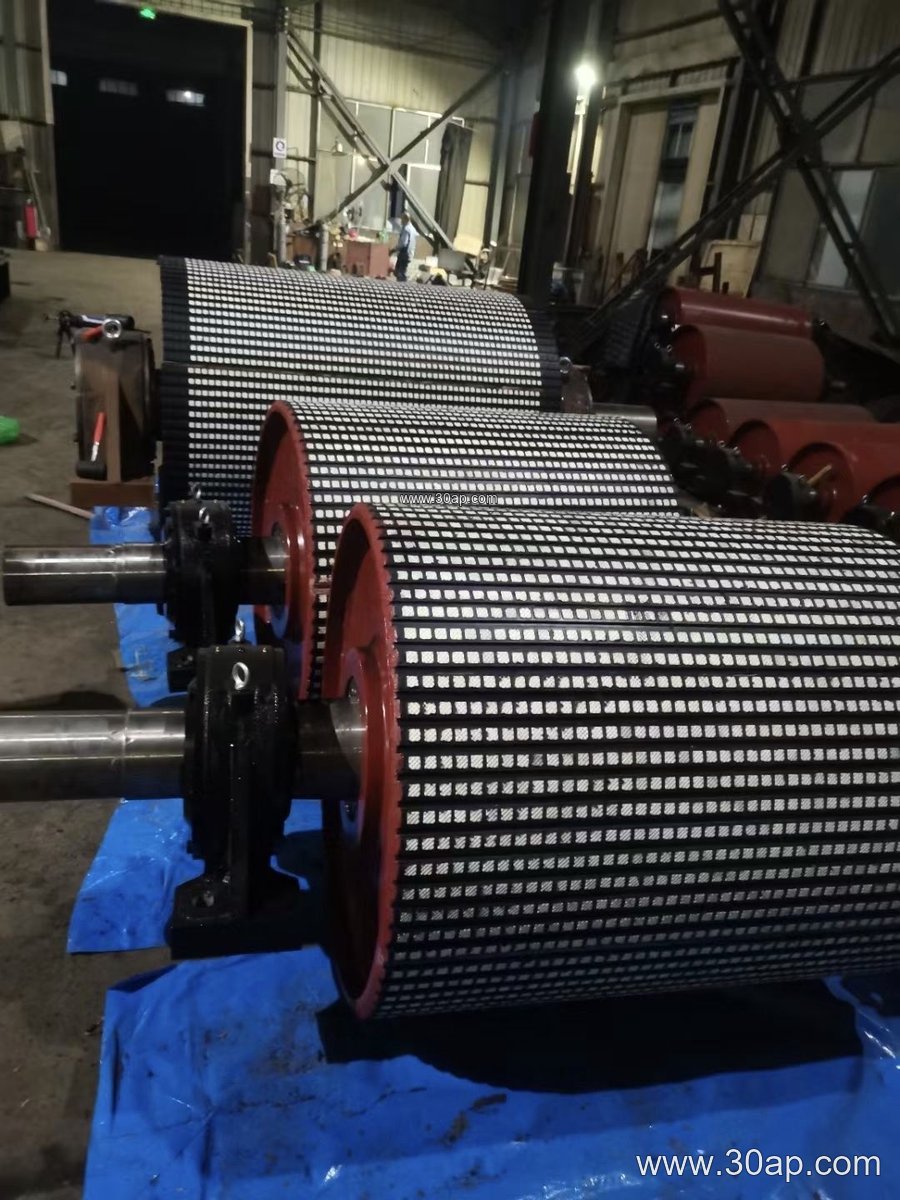
Where It Fits in the Conveyor
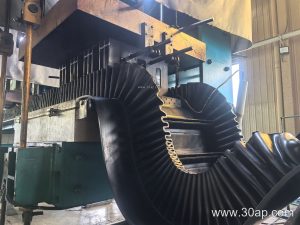
Tail drive pulleys are found in a variety of bulk handling operations. In a limestone quarry, they help move crushed rock from the primary crusher to the stockpile. In a coal washing plant, they work with flame retardant conveyor belts to transport coal safely. Other common settings include cement plants, power plant coal yards, and sand and gravel lines. The tail drive pulley is often paired with a bend pulley or take-up pulley to maintain belt tension, but these are different components and should not be confused with the tail drive itself.
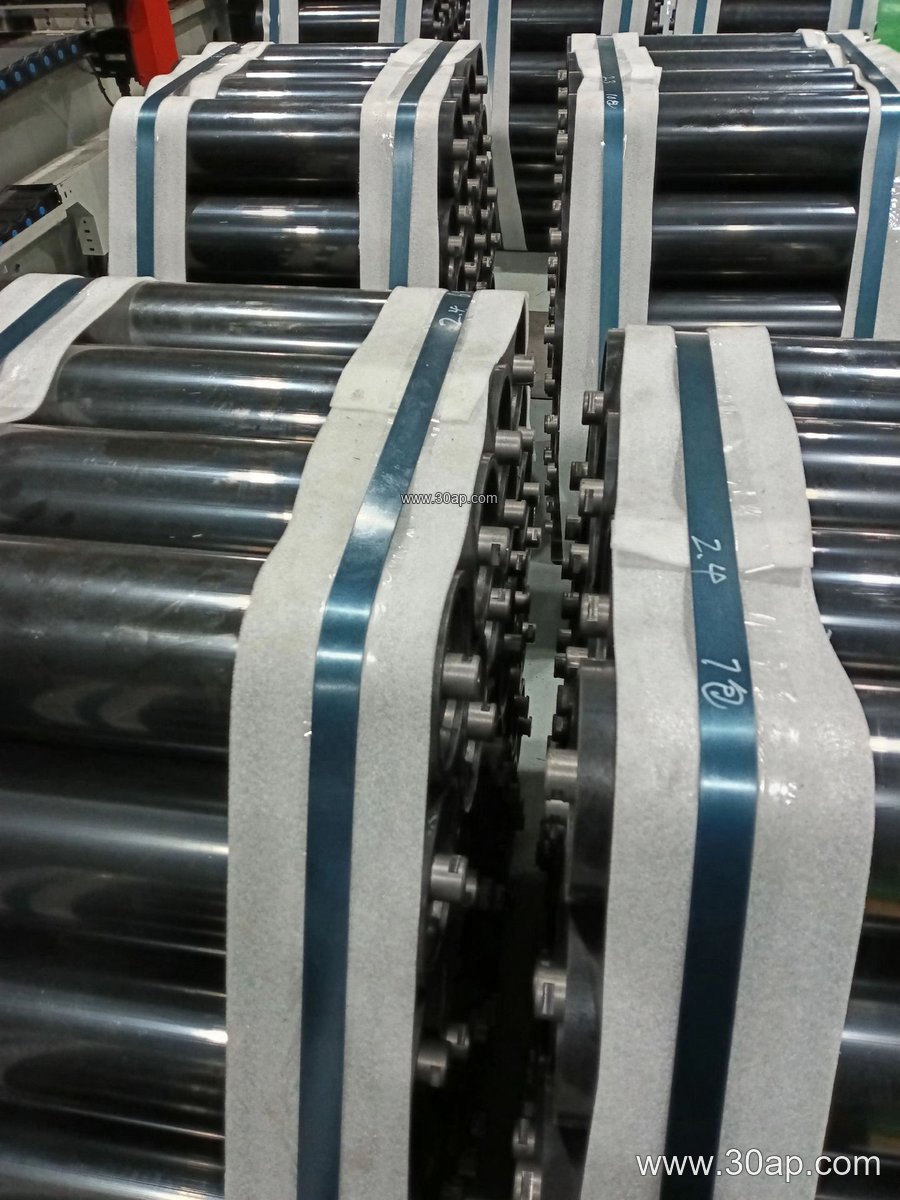
Matching the Pulley to the Belt and Load
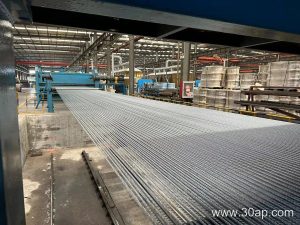
Selecting a tail drive pulley involves more than picking a diameter. The belt type matters: an EP conveyor belt, a steel cord conveyor belt, or a multi-ply fabric core conveyor belt each has different tension and load characteristics. For heavy-duty mining conveyor belts, a larger diameter and thicker lagging may be needed to reduce belt stress. A common example is a B1200 × Ø1000 tail drive pulley with 12 mm diamond lagging for an aggregate conveyor belt. Another might be a B800 × Ø500 pulley with 10 mm plain rubber for a smaller quarry conveyor belt. These combinations are illustrative only; many other sizes work depending on the full conveyor design.
Buyer Checklist
- Confirm the belt width and type (e.g., EP1000, NN300, ST1600) so the pulley face and lagging suit the application.
- Check the shaft diameter against the actual torque and radial load, not just the belt width.
- Choose lagging based on conditions: diamond or herringbone for wet or dusty environments, ceramic for high abrasion, plain for general use.
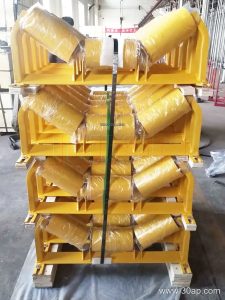
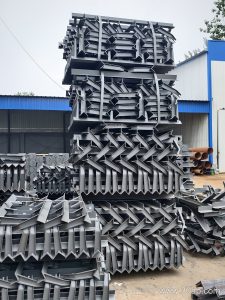
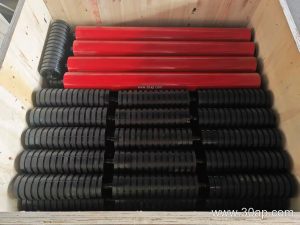
- Verify mounting dimensions and compatibility with conveyor brackets and idler rollers.
- Ask for the pulley’s dynamic balance and bearing type if the conveyor runs at high speed.
For more information on conveyor pulleys, belts, and rollers, visit our site at www.example.com/conveyor-pulley or www.example.com/tail-drive-pulley.