Understanding the Conveyor Pulley Assembly
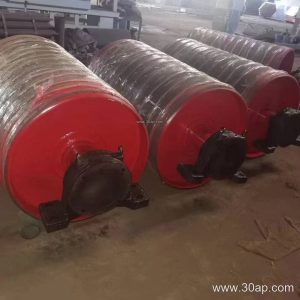
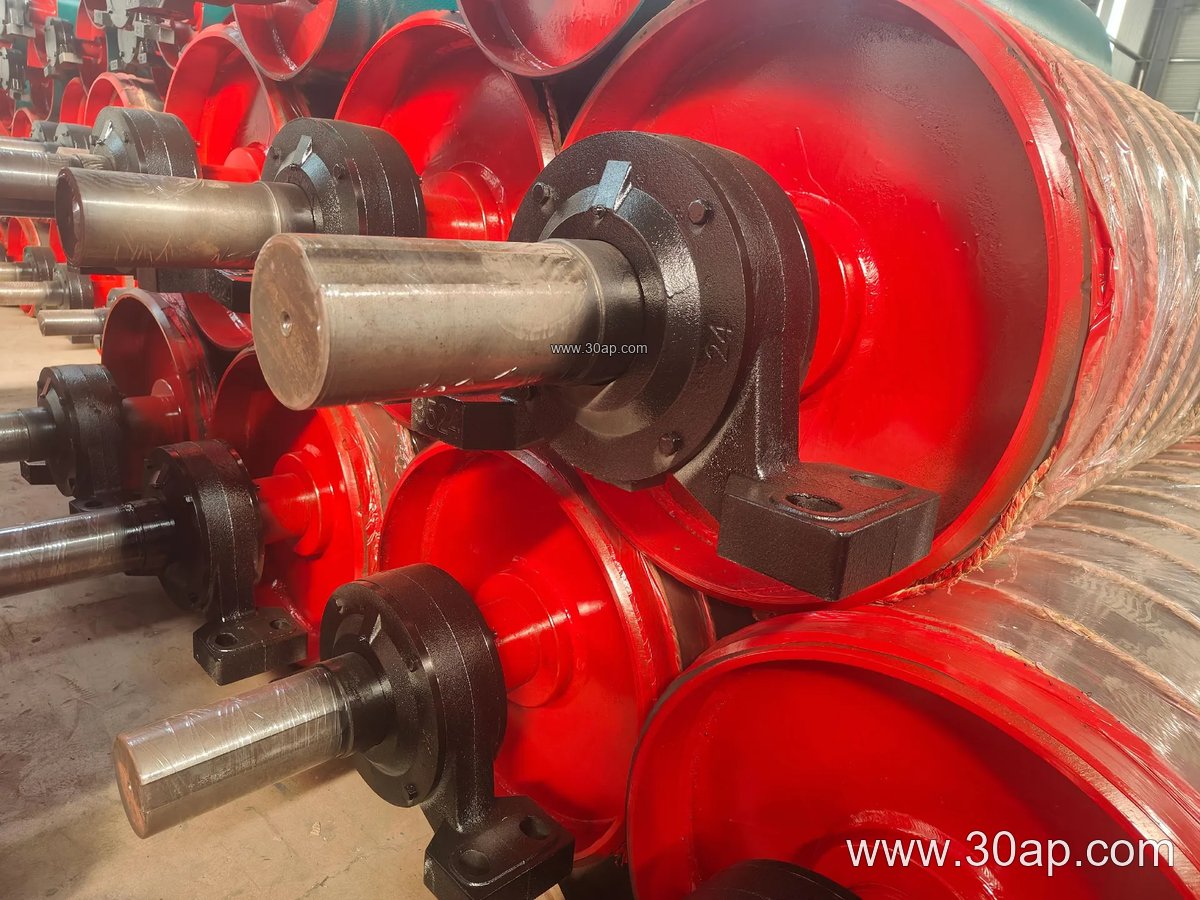
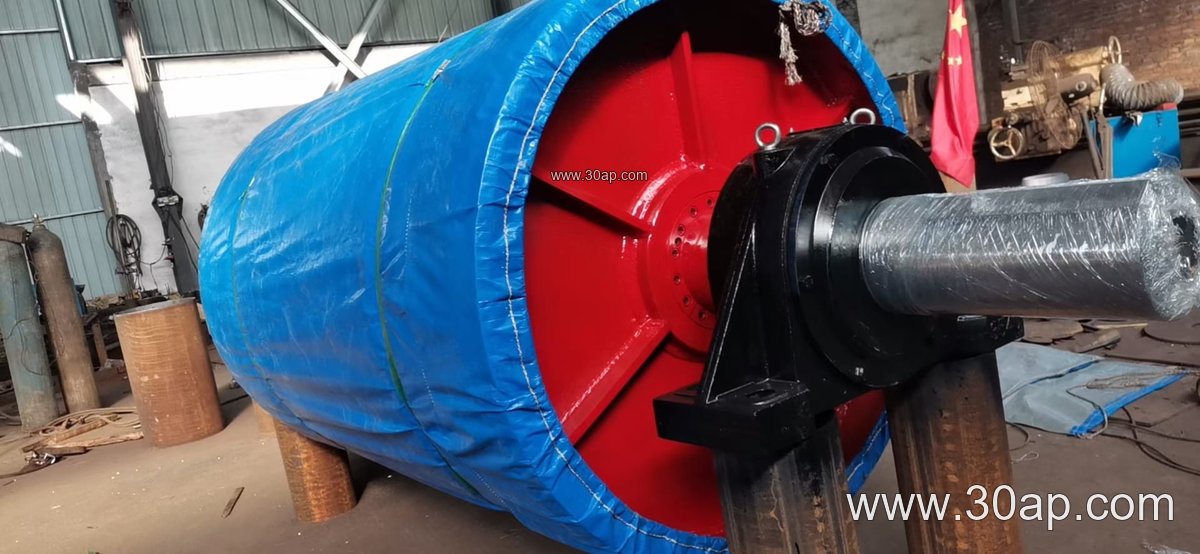
A conveyor pulley assembly is more than a rotating drum at the end of a conveyor. It is a complete mechanical unit that includes the shell, shaft, bearings, locking elements, and often a lagging surface. Together, these parts transmit motion, maintain belt tension, and guide the conveyor belt along its path. In industries such as mining, cement, and power generation, a well-built assembly helps keep material flow steady and reduces unplanned downtime.
Construction and Key Components
The assembly typically consists of a cylindrical shell, a through-going shaft, bearing housings, and a method of fixing the shell to the shaft. Common fixing methods include keyed hubs, shrink discs, or welded end discs. Many assemblies also include lagging, which is a rubber or ceramic layer applied to the shell surface to improve grip and protect the belt. The shaft diameter is determined by torque and load requirements, not simply by belt width; common shaft sizes range from Ø50 to Ø200 mm depending on the application.
Where the Assembly Fits in a Conveyor
This assembly serves several critical positions. At the head of the conveyor, a drive pulley assembly delivers power to the belt. At the tail, a tail pulley assembly provides the return point and often includes tensioning. Bend pulley assemblies change the belt direction without driving. Each position has distinct design considerations: drive pulleys need high friction and robust lagging, while tail pulleys often require self-cleaning features. For example, a drive pulley in a coal mining conveyor might use diamond lagging to prevent slip, whereas a bend pulley in a quarry conveyor may have a plain surface.
Selecting the Right Assembly
Buyers should consider belt width, pulley diameter, shaft size, lagging type, and bearing arrangement. Belt widths commonly range from B400 to B2400 mm, and the pulley face width is usually slightly wider than the belt—for instance, B800 may use a face width around 950 mm. Diameters from Ø200 to Ø1800 mm are available, but the choice depends on belt tension and wrap angle. Lagging options include plain, rubber (cold-bonded or hot-vulcanized), diamond, chevron, and ceramic. Thicknesses of 8, 10, 12, 15, and 20 mm are typical. The table below shows some common combinations, but these are examples only and not fixed rules.
| Belt Width (mm) | Example Pulley Diameter (mm) | Typical Face Width (mm) | Common Lagging |
|---|---|---|---|
| B500 | Ø400 | 600 | Plain or rubber |
| B800 | Ø500 | 950 | Diamond rubber |
| B1000 | Ø630 | 1150 | Rubber or ceramic |
| B1200 | Ø800 | 1400 | Ceramic or diamond |
| B1400 | Ø1000 | 1600 | Rubber |
Remember that shaft diameter must be calculated from the actual torque and load, not chosen from belt width alone. For high-tension applications such as iron ore conveyors, larger shafts and thicker lagging are often necessary. In food or clean environments, stainless steel shells and food-grade lagging may be required.
Maintenance and Longevity
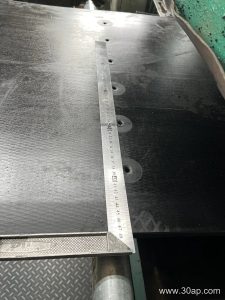
Regular inspection of lagging wear, bearing condition, and shaft alignment extends assembly life. In dusty sites like cement plants or aggregate lines, keeping the pulley surface clean prevents belt misalignment. Using a conveyor pulley that matches the belt type—such as an abrasion resistant conveyor belt in a crusher circuit—helps reduce wear on both components.
Industry Applications
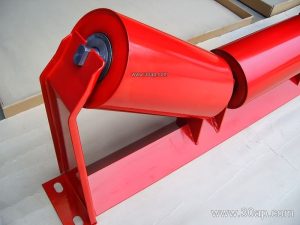
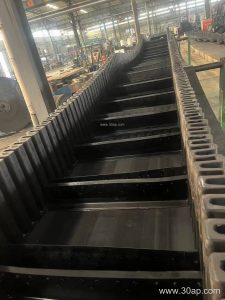
Conveyor pulley assemblies are found in coal mining, power plants, steel mills, ports, and sand and gravel plants. They work with various belts, including EP conveyor belt, steel cord conveyor belt, and flame retardant conveyor belt. For extreme conditions, heat resistant conveyor belt or oil resistant conveyor belt may be paired with specially designed pulleys. The assembly also interacts with idler roller and conveyor bracket to maintain proper belt tracking.
When specifying a conveyor pulley assembly, work with experienced suppliers who can tailor the shell, shaft, and lagging to your conveyor’s duty. At www.beltconveyorparts.com, you can find conveyor pulley options and related components like conveyor belt and idler roller to complete your system.